
Museums · South West England
Quantock Hills
In or near Tolland.
The Quantock Hills west of Bridgwater in Somerset, England, consist of heathland, oak woodlands, ancient parklands and agricultural land. They were England's first Area of Outstanding Natural Beauty,

Chris Andrews — CC BY-SA 2.0 via Wikimedia Commons licence

Plan your visit
- Typical visit
- 1.5 h–3 h
- Best time of year
- Year-round
- Nearest railway station
- Stogumber · 3.4 km
- Family-friendly
- Limited wheelchair access
Getting there & planning your visit
To visit Quantock Hills, the nearest railway station is Stogumber, which is 3.4 km away. The postcode for sat-nav is TA4 4BD. Entry is free, but accessibility is limited for wheelchair users.
About
The Quantock Hills west of Bridgwater in Somerset, England, consist of heathland, oak woodlands, ancient parklands and agricultural land. They were England's first Area of Outstanding Natural Beauty, designated in 1956, and now termed a National Landscape. Natural England have designated the Quantock Hills as a national character area. They are entirely surrounded by another: the Vale of Taunton and Quantock Fringes. The hills run from the Vale of Taunton Deane in the south, for about 15 miles (24 km) to the north-west, ending at Kilve and West Quantoxhead on the coast of the Bristol Channel. They form the western border of Sedgemoor and the Somerset Levels. From the top of the hills on a clear day, it is possible to see Glastonbury Tor and the Mendips to the east, Wales as far as the Gower Peninsula to the north, the Brendon Hills and Exmoor to the west, and the Blackdown Hills to the south. The highest point on the Quantocks is Wills Neck, at 1,261 feet (384 m). Soil types and weather combine to support the hills' plants and animals. In 1970, an area of 6,194.5 acres (2,506.8 ha) was designated as a Biological Site of Special Scientific Interest. Archaeological landscape features include Bronze Age round barrows, extensive ancient field systems and Iron Age hill forts. Roman silver coins have been discovered in West Bagborough. The hills are popular with walkers, mountain bikers, horse riders and tourists who explore paths such as the Coleridge Way.
Photo gallery
Protected designations
- Site of Special Scientific Interest: The Quantocks SSSI
- Area of Outstanding Natural Beauty: Quantock Hills
Designations sourced from Natural England open data under OGL v3.
From the Wikipedia article
The Quantock Hills west of Bridgwater in Somerset, England, consist of heathland, oak woodlands, ancient parklands and agricultural land. They were England's first Area of Outstanding Natural Beauty, designated in 1956, and now termed a National Landscape. Natural England have designated the Quantock Hills as a national character area. They are entirely surrounded by another: the Vale of Taunton and Quantock Fringes. The hills run from the Vale of Taunton Deane in the south, for about 15 miles (24 km) to the north-west, ending at Kilve and West Quantoxhead on the coast of the Bristol Channel. They form the western border of Sedgemoor and the Somerset Levels. From the top of the hills on a clear day, it is possible to see Glastonbury Tor and the Mendips to the east, Wales as far as the Gower Peninsula to the north, the Brendon Hills and Exmoor to the west, and the Blackdown Hills to the south. The highest point on the Quantocks is Wills Neck, at 1,261 feet (384 m). Soil types and weather combine to support the hills' plants and animals. In 1970, an area of 6,194.5 acres (2,506.8 ha) was designated as a Biological Site of Special Scientific Interest. Archaeological landscape features include Bronze Age round barrows, extensive ancient field systems and Iron Age hill forts. Roman silver coins have been discovered in West Bagborough. The hills are popular with walkers, mountain bikers, horse riders and tourists who explore paths such as the Coleridge Way.
Excerpt from Wikipedia under CC BY-SA 4.0. See the source article linked in Sources below.
Background
History
Evidence of activity in the Quantocks from prehistoric times includes finds of Mesolithic flints at North Petherton and Broomfield and many Bronze Age round barrows (marked on maps as tumulus, plural tumuli), such as Thorncombe Barrow above Bicknoller. Several ancient stones can be seen, such as the Triscombe Stone and the Long Stone above Holford. Many of the tracks along ridges of the Quantocks probably originated as ancient ridgeways. The Dowsborough fort has an oval shape, with a single rampart and ditch (univallate) following the contours of the hill top, enclosing an area of 7 acre. The main entrance is to the east, towards Nether Stowey, with a simpler opening to the north west,…
Sourced from Wikipedia under CC BY-SA 4.0.
- Coordinates
- 51.1442, -3.2331
- District
- Somerset
- Parish
- Bicknoller
- Postcode
- TA4 4BD
- Parliamentary constituency
- Tiverton and Minehead
- Nearest railway station
- Stogumber — 3.4 km
- Official site
- www.quantockhills.com
Sources
- wikipedia: Quantock Hills (CC BY-SA 4.0)
Other places nearby

Halsway Hill
Mountains & hills · 0.3 km

Thorncombe Hill
Mountains & hills · 0.7 km

Hurley Beacon
Mountains & hills · 1.0 km

Thorncombe Barrow
Mountains & hills · 1.2 km

Black Hill
Mountains & hills · 1.4 km

Weacombe Hill
Mountains & hills · 1.4 km

Longstone Hill
Mountains & hills · 1.5 km

Halsway Manor
Historic houses · 1.5 km

Bicknoller Post
Mountains & hills · 1.6 km

Folly
Memorials & monuments · 1.7 km

Combe House Hotel
Hotels · 1.9 km

Trendle Ring
Archaeological sites · 2.0 km
Nearby
📷 5Mountains & hills · South West England
Halsway Hill
Halsway Hill — mountain in england south west. Elevation: 333 m.
📷 5Mountains & hills · South West England
Thorncombe Hill
Thorncombe Hill — mountain in england south west. Elevation: 341 m.
📷 5Mountains & hills · South West England
Hurley Beacon
Hurley Beacon — mountain in england south west. Elevation: 353 m.
📷 5Mountains & hills · South West England
Thorncombe Barrow
Thorncombe Barrow — mountain in england south west. Elevation: 332 m.
📷 5Mountains & hills · South West England
Black Hill
Black Hill — mountain in england south west. Elevation: 358 m.
📷 5Mountains & hills · South West England
Weacombe Hill
Weacombe Hill — mountain in england south west. Elevation: 305 m.
Where to eat & stay near Quantock Hills
Places to stay
📷 7Hotels · South West England
Combe House Hotel
Combe House Hotel — a hotel in england south west.
 📷 5
📷 5Campsites · South West England
Moorhouse Farm Campsite
Moorhouse Farm Campsite — a campsite in england south west.
 📷 5
📷 5Campsites · South West England
Quantock Orchard Caravan Park
Quantock Orchard Caravan Park — a campsite in england south west.
 📷 5
📷 5 📷 5
📷 5Campsites · South West England
St Audries Bay Holiday Club
St Audries Bay Holiday Club — a campsite in england south west.
 📷 5
📷 5Places to eat & drink
 📷 5
📷 5Historic pubs · South West England
The Carew Arms And Attached Outbuilding
The Carew Arms And Attached Outbuilding in England South West, United Kingdom.
 📷 3
📷 3Historic pubs · South West England
The Farmers Arms
The Farmers Arms — Historic pub — listed building or notable heritage status.
 📷 6
📷 6Historic pubs · South West England
West Somerset Hotel
West Somerset Hotel in England South West, United Kingdom.
 📷 7
📷 7 📷 5
📷 5 📷 3
📷 3Historic pubs · South West England
The Chapel
The Chapel — Historic pub — listed building or notable heritage status.
More museums in this region
 📷 5
📷 5Museums · South West England
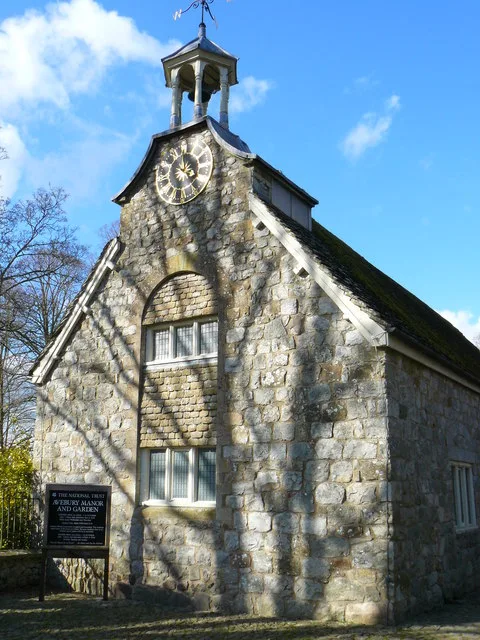
Alexander Keiller Museum
Alexander Keiller Museum — museum in South West England, United Kingdom.
 📷 5
📷 5Museums · South West England
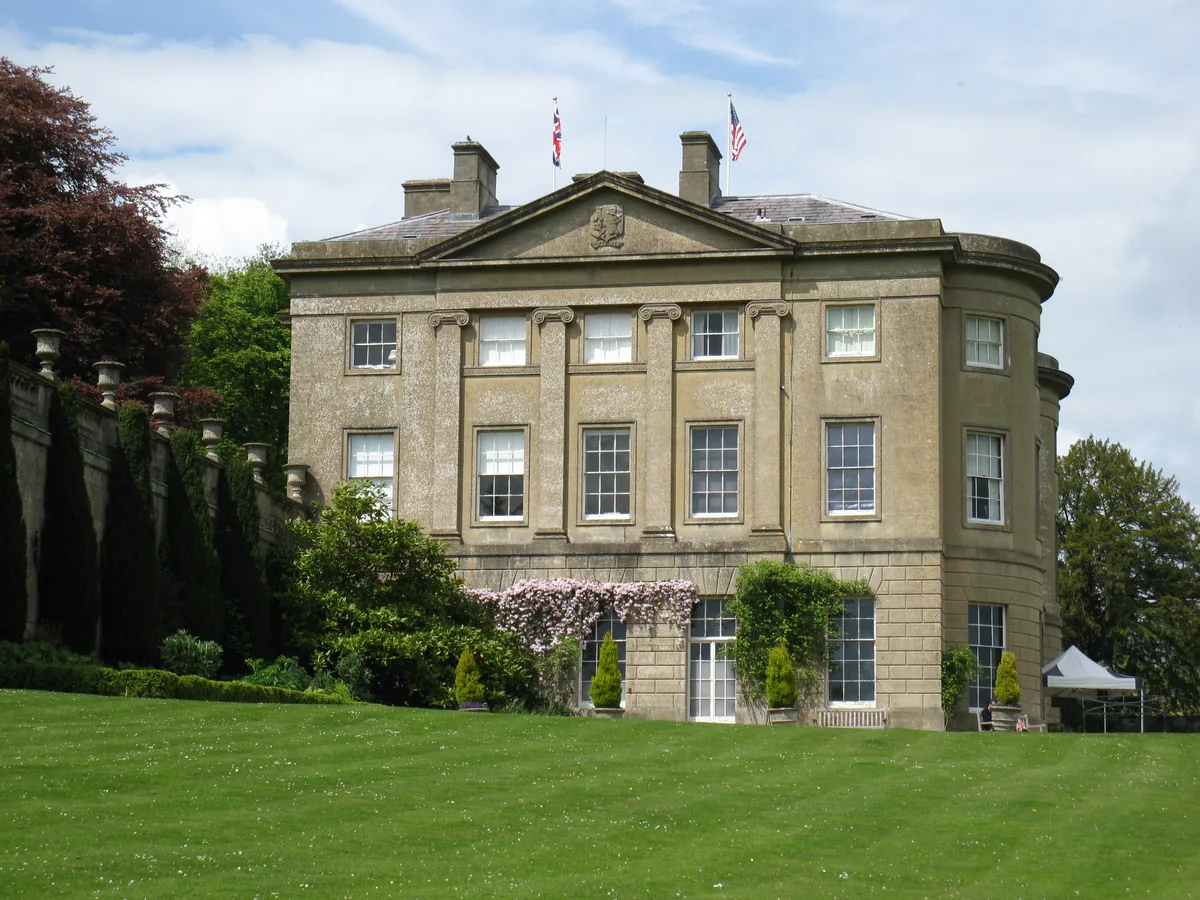
American Museum and Gardens
American Museum and Gardens — culture and arts museum near Bath, England, United Kingdom.
 📷 5
📷 5Museums · South West England
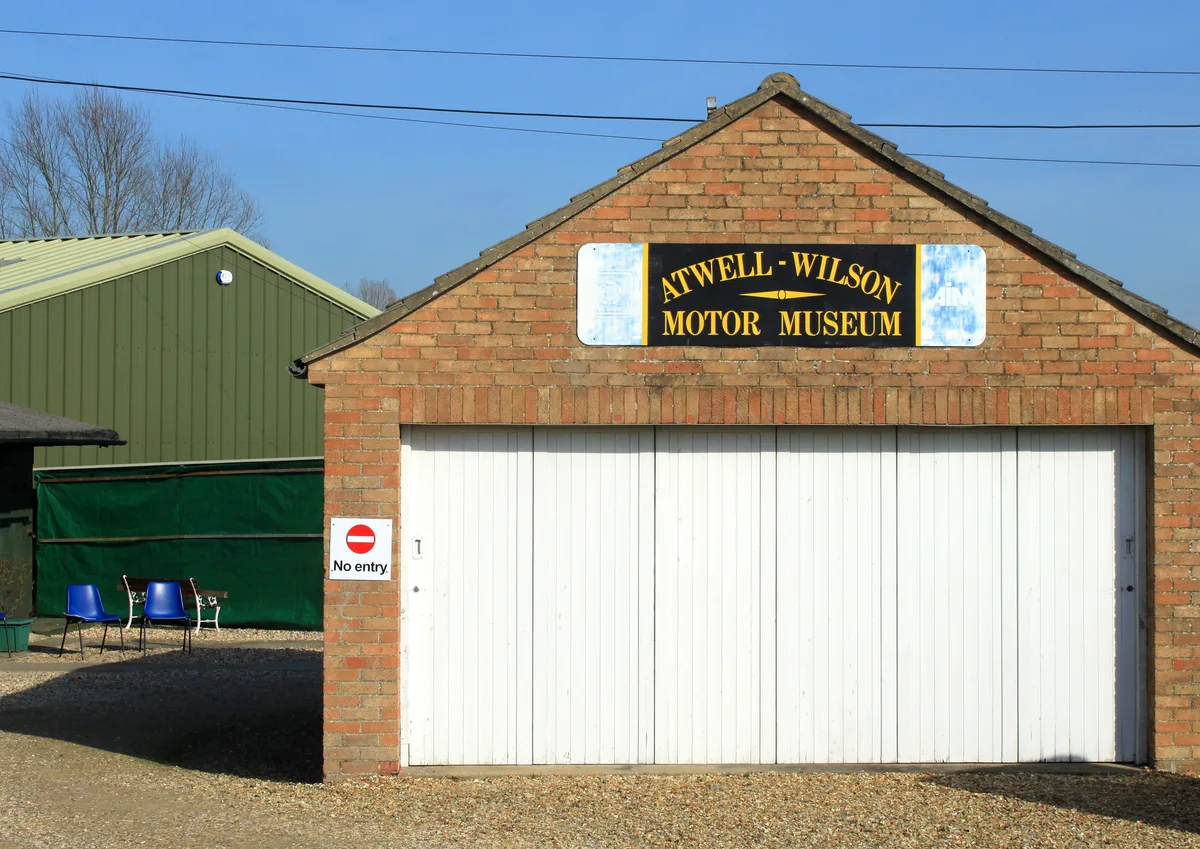
Atwell-Wilson Motor Museum
Atwell-Wilson Motor Museum — museum in Calne, England, UK.
 📷 5
📷 5Museums · South West England
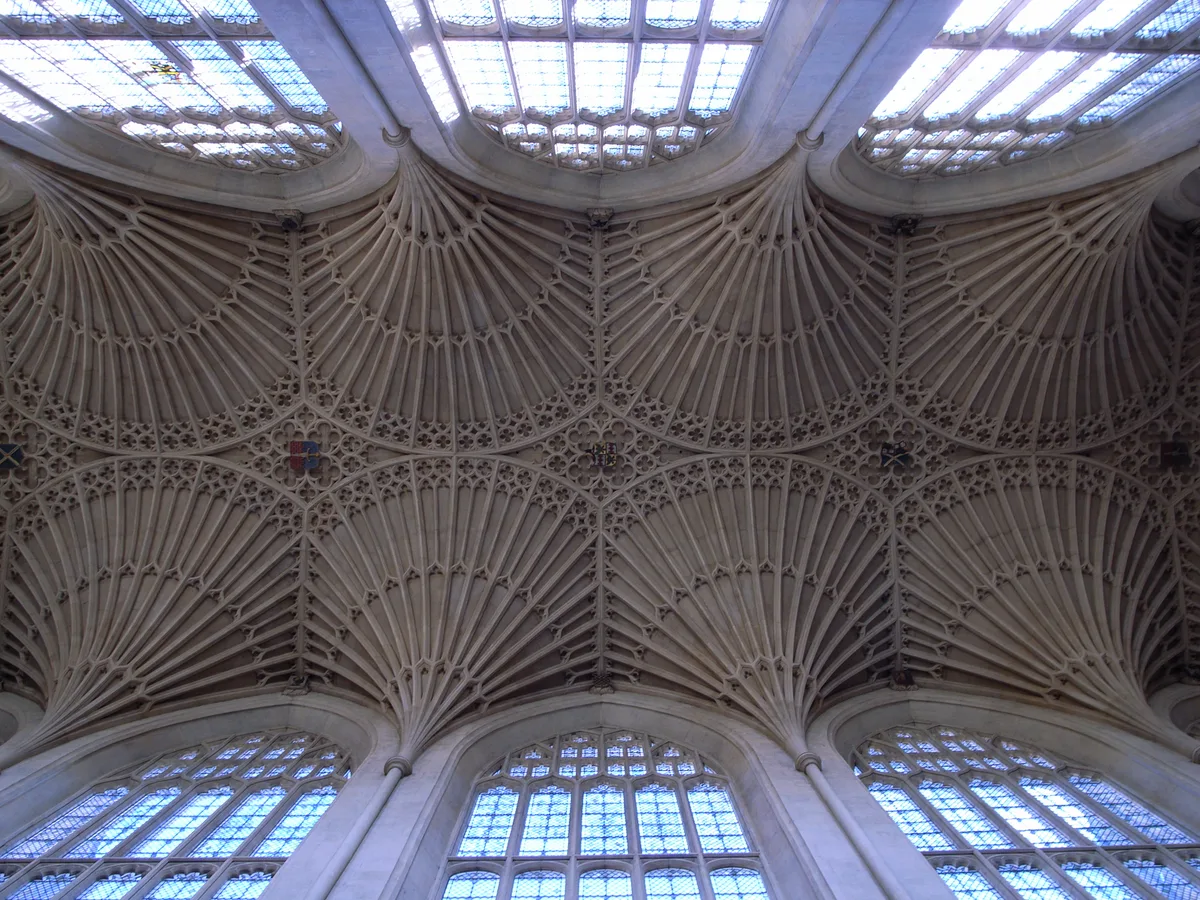
Bath Abbey Heritage Vaults
Bath Abbey Heritage Vaults — museum in Bath Abbey, Bath, England, UK.
Frequently asked questions
- Where is Quantock Hills?
- Quantock Hills is in South-West England, United Kingdom (postcode TA4 4BD), in the parish of Bicknoller.
- What is Quantock Hills?
- The Quantock Hills west of Bridgwater in Somerset, England, consist of heathland, oak woodlands, ancient parklands and agricultural land. They were England's first Area of Outstanding Natural Beauty,
- How do I get to Quantock Hills?
- The nearest railway station is Stogumber, about 3.4 km away. The nearest town is Tolland. Drivers can use postcode TA4 4BD.
- Is Quantock Hills a protected site?
- Yes — Quantock Hills is part of the The Quantocks SSSI Site of Special Scientific Interest and the Quantock Hills National Landscape (AONB).
- How do I get to Quantock Hills?
- The nearest railway station is Stogumber, about 3.4 km away. Drivers can navigate to postcode TA4 4BD.