
Castles · Mid Wales
Powis Castle
Also known as: Castell Powys
In or near Montgomery Town F.C..
Powis Castle — Grade I listed castle in Powys, Wales.

Wikimedia Commons contributors — see linked file page for photographer and licence licence

Plan your visit
- Typical visit
- 1.5 h–3 h
- Nearest railway station
- Welshpool Raven Square · 1.1 km
- Paid entry
- Family-friendly
- Limited wheelchair access
Getting there & planning your visit
To visit Powis Castle, the nearest railway station is Welshpool Raven Square, located 1.1 km away. Entry is paid, and wheelchair accessibility is limited. The postcode for sat-nav is SY21 8RG.
About
Powis Castle is a castle in the United Kingdom — fortified architecture from the medieval, Tudor, or Victorian-revival period. Heritage designation: Grade I listed building. Owned by National Trust. Managed by National Trust. Part of Powis Castle Estate. Wikidata describes it as: "Grade I listed castle in Powys, Wales". Coordinates: 52.6500°, -3.1606°.
Photo gallery
Heritage listing
Powis Castle (Welsh: Castell Powys) is a medieval castle, fortress and grand country house near Welshpool, in Powys, Wales. The seat of the Herbert family, earls of Powis, the castle is known for its formal gardens and for its interiors, the former having been described as "the most important", and the latter "the most magnificent", in the country. The castle and gardens are under the care of the National Trust. Powis Castle is a Grade I listed building, while its gardens have their own Grade I listing on the Cadw/ICOMOS Register of Parks and Gardens of Special Historic Interest in Wales. The present castle was built in the 13th century. Unusually for a castle on the Marches, it was constructed by a Welsh prince, Gruffydd ap Gwenwynwyn, rather than by a Norman baron.
From Cadw under OGL v3.
Summary from the official site
Powis Castle is a medieval castle that has been transformed into a grand home, showcasing the history of the Herbert family. Visitors can explore the impressive Grade I listed gardens featuring Italianate terraces and a collection of South Asian artefacts in the Clive Museum.
Read more on the official property page.
Protected designations
- Area of Outstanding Natural Beauty: Shropshire Hills
Designations sourced from Natural England open data under OGL v3.
From the Wikipedia article
Powis Castle (Welsh: Castell Powys) is a medieval castle, fortress and grand country house near Welshpool, in Powys, Wales. The seat of the Herbert family, earls of Powis, the castle is known for its formal gardens and for its interiors, the former having been described as "the most important", and the latter "the most magnificent", in the country. The castle and gardens are under the care of the National Trust. Powis Castle is a Grade I listed building, while its gardens have their own Grade I listing on the Cadw/ICOMOS Register of Parks and Gardens of Special Historic Interest in Wales. The present castle was built in the 13th century. Unusually for a castle on the Marches, it was constructed by a Welsh prince, Gruffydd ap Gwenwynwyn, rather than by a Norman baron. Gruffydd was prince of the ancient Kingdom of Powys and maintained an alliance with the English king Edward I during the struggles of the later 13th century. He was able to secure the position of his son, Owain, although the kingdom itself was abolished by the Parliament of Shrewsbury in 1283. After his father's death, Owain was raised to the peerage as Owen de la Pole, 1st Lord of Powis. Following his own death c. 1293, and the death of his only son, he was succeeded by his daughter, Hawys Gadarn, "the Lady of Powis". Hawys married Sir John Charlton in 1309. In the late 16th century the castle was purchased by Sir Edward Herbert, a younger son of William Herbert, 1st earl of Pembroke, beginning a connection between the family and the castle that continues today. The Herberts remained Roman Catholic until the 18th century and, although rising in the peerage to earls, marquesses and Jacobite dukes of Powis, suffered periods of imprisonment and exile. Despite these setbacks, they were able in the late 17th and early 18th centuries to transform Powis from a border fortress into an aristocratic country house, and surround it with one of the very few extant examples of a British Baroque garden. In 1784…
Excerpt from Wikipedia under CC BY-SA 4.0. See the source article linked in Sources below.
Background
History
]] In 1286, four years after the conquest of Wales, Gruffydd's son, Owain ap Gruffydd ap Gwenwynwyn became the last hereditary prince of Powys when he renounced his royal title, and was granted the barony of de la Pole, (i.e. "of the Pool", a reference to Welshpool, formerly called just "Pool"). The ancient Kingdom of Powys had once included the counties of Montgomeryshire, much of Denbighshire, parts of Radnorshire and large areas of Shropshire, but by the 13th century had been reduced to two independent principalities – Powys Wenwynwyn and Powys Fadog – roughly equivalent to Montgomeryshire and South Denbighshire (plus Maelor Saesneg), respectively; Welshpool had become the capital of…
Architecture
Scourfield and Haslam, in their Powys volume of Pevsner's The Buildings of Wales, describe the castle interiors as "the most magnificent in Wales". They contain murals and ceiling paintings by Antonio Verrio and Gerard Lanscroon; a collection of Elizabethan and Jacobean family portraits mainly of members of the Herberts of Chirbury, who inherited the castle in the early 18th century; Carolean furnishings of notable richness and quality; and items from the picture and Indian collections of Robert Clive. The early 20th-century redevelopment and redecoration undertaken by George Bodley was sensitively handled, Scourfield and Haslam consider it "appropriate and finely executed", and it is the…
Description
statue which stood originally in the Water Garden]] On the restoration, the Herberts returned to Powis, and in 1674 William Herbert () was created Earl of Powis (of the first creation). The state bedroom was installed in about 1665 and further improvements, including the construction of the Great Staircase followed in the 1670s. These developments were most probably carried out under the direction of William Winde, who may also have designed the terraced gardens. His employer, although restored to his estates, and raised in the peerage, was barred by his Catholic faith from high office under Charles II. On the accession of the King's brother, James in 1685, Herbert became one of the new…
Sourced from Wikipedia under CC BY-SA 4.0.
- Coordinates
- 52.6500, -3.1606
- District
- Powys
- Parish
- Welshpool
- Postcode
- SY21 8RG
- Parliamentary constituency
- Montgomeryshire and Glyndwr
- Nearest railway station
- Welshpool Raven Square — 1.1 km
- Opening
- Daily 10am–5pm; castle and Clive Museum 11am–3:30pm
- Official site
- www.nationaltrust.org.uk
Sources
- wikidata: Q1377263 (CC0)
- wikipedia: Powis Castle (CC BY-SA 4.0)
- commons: PowisCastle.jpg (CC BY-SA 4.0)
Featured in these 2 guides
Other places nearby

Clive Museum
Museums · 0.0 km

Castle view
Viewpoints · 0.2 km

Ladys Mount
Castles · 0.4 km
Mount in Powis Castle Park
Literary houses · 0.4 km

Christ Church, Welshpool
Historic churches · 1.2 km

Clwyd-Powys Archaeological Trust
Archaeological sites · 1.2 km

Oldford Nursery and Infants' School
Natural landmarks · 1.2 km

Bridge 121 over the Montgomeryshire Canal
Historic bridges · 1.2 km

Universal Pentecostal Church
Historic churches · 1.2 km

English Congregational Chapel
Historic churches · 1.3 km

Llanerchydol Hill
Mountains & hills · 1.3 km

Powysland Museum
Museums · 1.4 km
Nearby
📷 3📷 3Viewpoints · Mid Wales
Castle view
Castle view is a viewpoint in the United Kingdom.
📷 5📷 5Literary houses · Mid Wales
Mount in Powis Castle Park
Mount in Powis Castle Park — a literary house museum in wales mid.
📷 5Historic churches · Mid Wales
Christ Church, Welshpool
Christ Church, Welshpool was commissioned by the Earl of Powis to commemorate his son, Edward James, the Viscount Clive, having come of age. It was designed by Thomas Penson and completed 1839–44. The
📷 4Archaeological sites · Mid Wales
Clwyd-Powys Archaeological Trust
Clwyd-Powys Archaeological Trust in Wales Mid, United Kingdom.
Where to eat & stay near Powis Castle
Places to stay
 📷 7
📷 7 📷 5
📷 5Caravan parks · Mid Wales
Derwen Mill Holiday Park
Derwen Mill Holiday Park — a caravan park in wales mid.
 📷 5
📷 5 📷 4
📷 4Caravan parks · Mid Wales
Maes Yr Afon Holiday Home Park
Maes Yr Afon Holiday Home Park — a caravan park in wales mid.
 📷 3
📷 3Caravan parks · Mid Wales
Valley View Holiday Park
Valley View Holiday Park — a caravan park in wales north.
Caravan parks · Mid Wales
Argae Hall Caravan Park
Argae Hall Caravan Park — a caravan park in wales mid.
Places to eat & drink
 📷 7
📷 7 📷 7
📷 7 📷 4
📷 4Historic pubs · Mid Wales
The Checkers
The Checkers in Wales Mid, United Kingdom.
 📷 5
📷 5Historic pubs · Mid Wales
The Black Lion And Forecourt Railings
The Black Lion And Forecourt Railings in Wales Mid, United Kingdom.
 📷 7
📷 7Historic pubs · Mid Wales
The Six Bells And Former Stables To Rear
The Six Bells And Former Stables To Rear in Wales Mid, United Kingdom.
 📷 5
📷 5More places run by National Trust
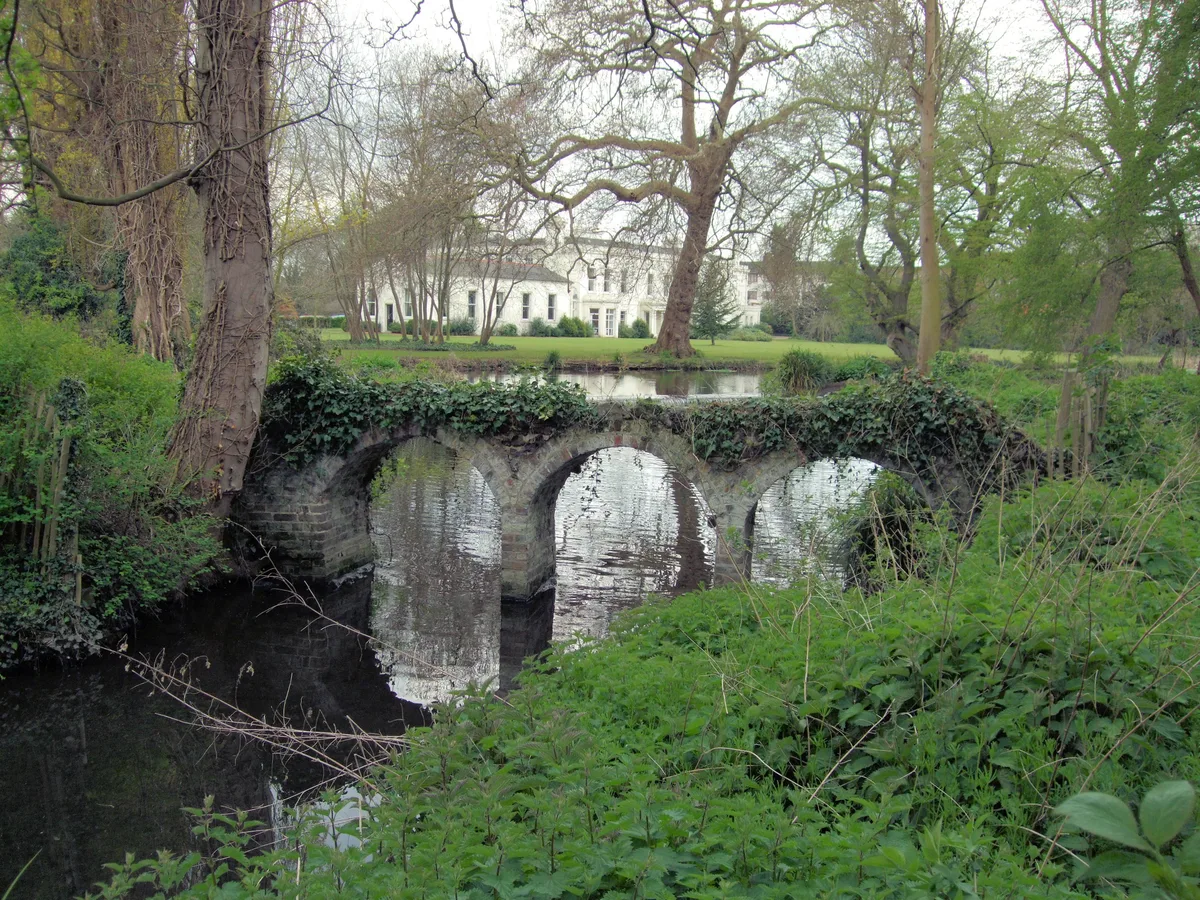 Flagship📷 10
Parks · London
Morden Hall Park
Morden Hall Park — park in Morden, London.
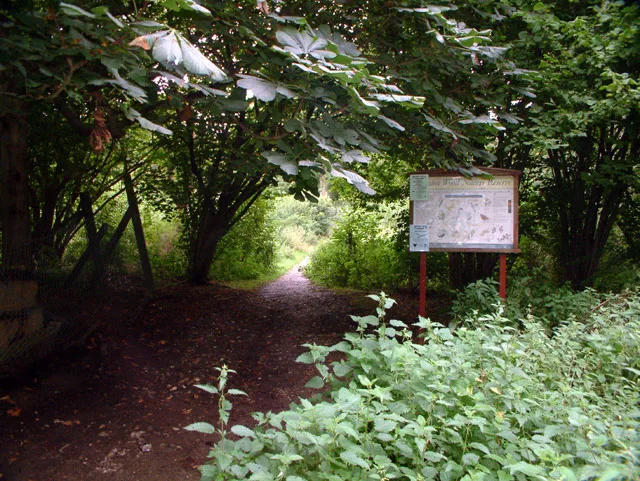 Flagship📷 10
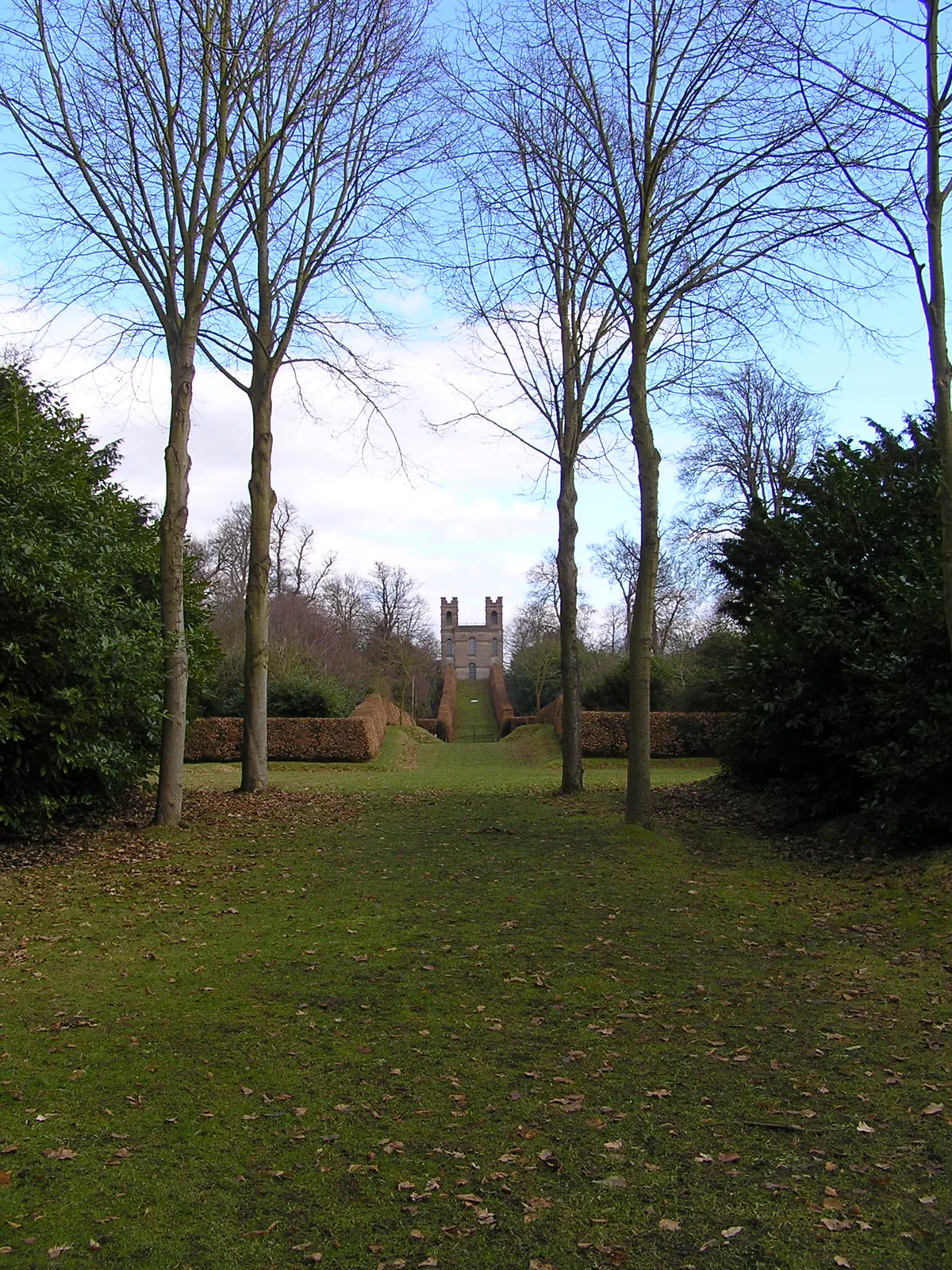 📷 5
📷 5Gardens · London
Claremont Landscape Garden
Claremont Landscape Garden — historic garden in Surrey, England, UK.
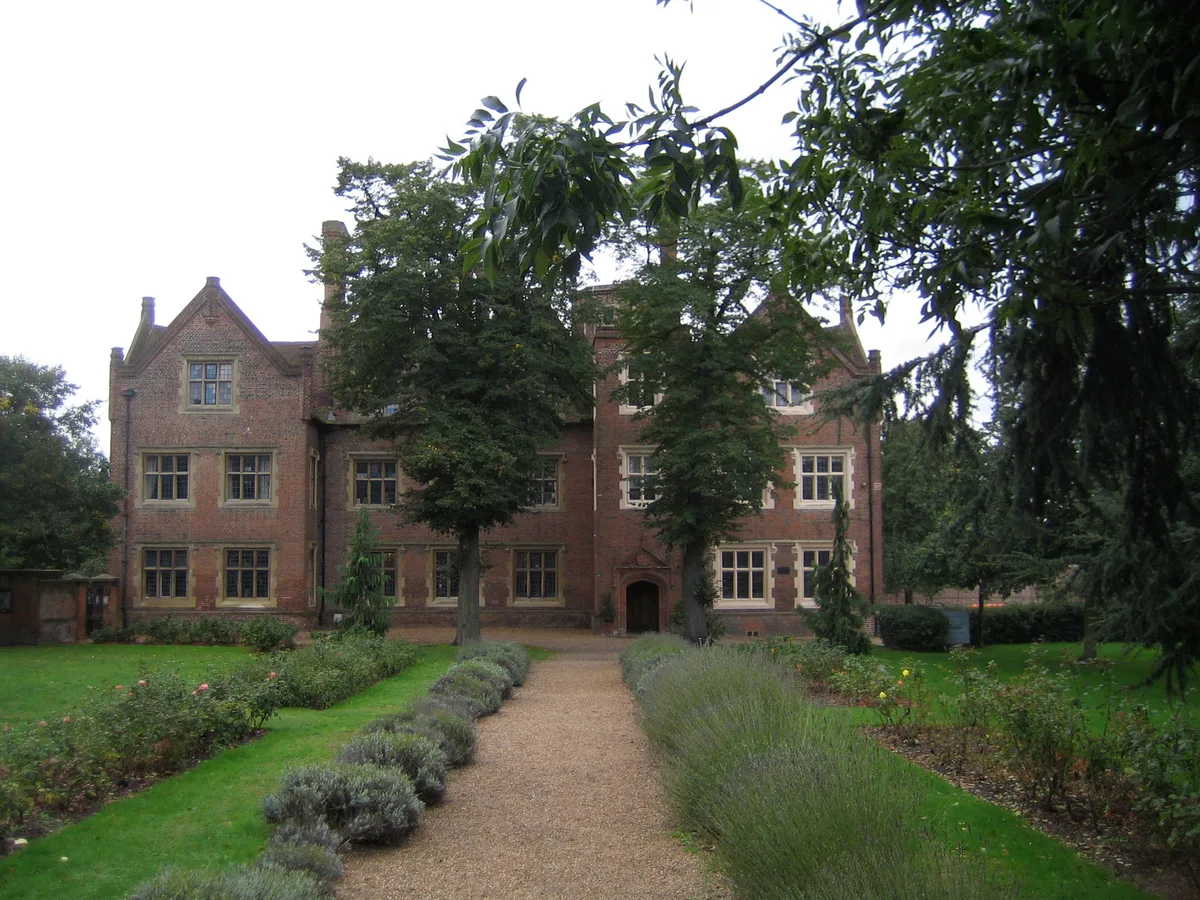 📷 5
📷 5Stately homes · London
Eastbury Manor House
Eastbury Manor House — Grade I listed historic house museum in London Borough of Barking and Dagenham, United Kingdom.
More castles in this region
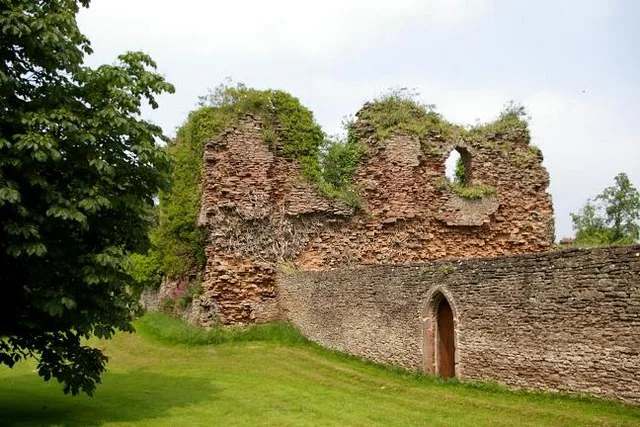 📷 3
📷 3Castles · Mid Wales
Alberbury Castle
Alberbury Castle — castle in Alberbury with Cardeston, Shropshire, England, UK.
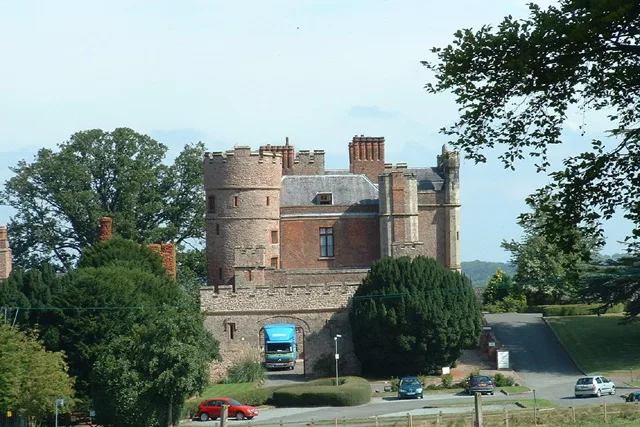 📷 5
📷 5Castles · Mid Wales
Rowton Castle
Rowton Castle — castle in Alberbury with Cardeston, Shropshire, England, UK.
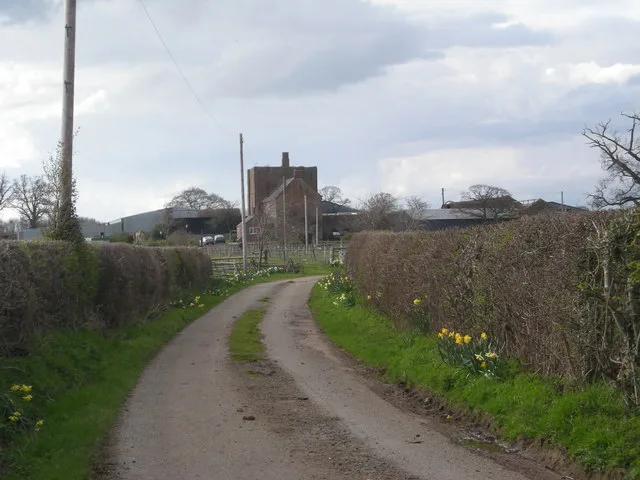 📷 4
📷 4Castles · Mid Wales
Wattlesborough Castle
Wattlesborough Castle — Grade I listed castle in Shropshire, England, UK.
 📷 5
📷 5Castles · Mid Wales
Wollaston, Shropshire
Wollaston, Shropshire — a castle in wales-north, United Kingdom.
Frequently asked questions
- Where is Powis Castle?
- Powis Castle is in Mid Wales, United Kingdom (postcode SY21 8RG), in the parish of Welshpool.
- What is Powis Castle?
- Powis Castle — Grade I listed castle in Powys, Wales.
- How do I get to Powis Castle?
- The nearest railway station is Welshpool Raven Square, about 1.1 km away. The nearest town is Montgomery Town F.C.. Drivers can use postcode SY21 8RG.
- Who runs Powis Castle?
- Powis Castle is operated by National Trust.
- Is Powis Castle a listed building?
- Powis Castle is officially recognised as Grade I listed building listed.
- Is Powis Castle a protected site?
- Yes — Powis Castle is part of the Shropshire Hills National Landscape (AONB).
- Does Powis Castle charge admission?
- Powis Castle typically charges admission. Check the official site for current ticket prices and opening hours.
- How do I get to Powis Castle?
- The nearest railway station is Welshpool Raven Square, about 1.1 km away. Drivers can navigate to postcode SY21 8RG.