
Historic houses · West Midlands
Plaish Hall
In or near Diddlebury.
Plaish Hall — Grade I listed building in Shropshire, England, UK.
.jpg?width=1200)
Wikimedia Commons contributors — see linked file page for photographer and licence licence
.jpg)
Plan your visit
- Typical visit
- 1 h–2 h
- Nearest railway station
- Church Stretton · 8.0 km
- Family-friendly
- Limited wheelchair access
Getting there & planning your visit
Plaish Hall is located in Shropshire, with the nearest railway station being Church Stretton, approximately 8 km away. The postcode for navigation is SY6 7HX. Accessibility is limited for wheelchair users.
About
Plaish Hall is a historic house in the United Kingdom — typically a country seat, manor, or town house with notable architecture or history. Heritage designation: Grade I listed building. Wikidata describes it as: "Grade I listed building in Shropshire, England, UK". Coordinates: 52.5641°, -2.6945°.
Photo gallery
Protected designations
- Area of Outstanding Natural Beauty: Shropshire Hills
Designations sourced from Natural England open data under OGL v3.
From the Wikipedia article
Plaish Hall is a country house in Plaish, in the civil parish of Cardington, in the Shropshire district, in the ceremonial county of Shropshire, England. It is recorded in the National Heritage List for England as a designated Grade I listed building. Plaish Hall was the house of the Jacobean poet, composer and politician Sir William Leighton, who was most probably born there in c.1565.
Excerpt from Wikipedia under CC BY-SA 4.0. See the source article linked in Sources below.
Background
History
of North Wales at St James, Cardington. ]] The estate that surrounds Plaish Hall was first mentioned in the Domesday Book of 1086 as '<nowiki/>pleshā'<nowiki/>'. Plaish was owned by a wealthy landowner named Roger de Lacy. A manor house was built in the 15th century, on the site where Plaish Hall now stands. William Leighton, the Chief Justice of North Wales, rebuilt the 15th-century manor house between 1540 and 1580. However, the year after his father's death in 1607, Sir William Leighton was sued for debts by Sir William Harmon and in 1610 was outlawed and imprisoned for debt. Sir William Leighton died in London and was buried at St Bride's, Fleet Street on 31 July 1622. The house was…
Architecture
, which bear resemblance with the chimneys built at Plaish Hall. ]] The present house incorporates part of an earlier 15th-century house, and was later extended and altered. It is in red brick with blue diapering on a chamfered plinth, and has sandstone dressings, quoins, and a stone-slate roof with parapeted gables and stone copings. The house has an H-shaped plan, with a central hall, and gabled cross-ranges, two storeys, attics and a basement. Above the doorway is a balcony with scrolled brackets and a wrought iron balustrade. The windows vary, and include casements, some mullioned and transomed windows, and flat-roofed dormers. The chimneys were said to be inspired by those at Hampton…
Sourced from Wikipedia under CC BY-SA 4.0.
- Coordinates
- 52.5641, -2.6945
- District
- Shropshire
- Parish
- Cardington
- Postcode
- SY6 7HX
- Parliamentary constituency
- South Shropshire
- Established
- 1540
- Nearest railway station
- Church Stretton — 8 km
- Official site
- www.parksandgardens.org
Sources
- wikidata: Q17529722 (CC0)
- wikipedia: Plaish Hall (CC BY-SA 4.0)
- commons: Plaish Hall (geograph 2195474).jpg (CC BY-SA 4.0)
Other places nearby

Bowman Hill
Mountains & hills · 1.1 km

Church Preen Castleyard
Literary houses · 1.4 km

Chatwall Hall
Historic houses · 1.9 km

Ley Hill Farm
Campsites · 2.0 km

Yell Bank
Mountains & hills · 2.5 km
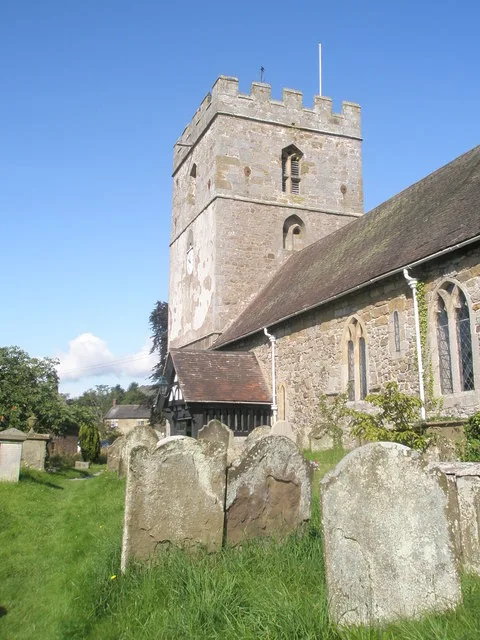
St James' Church, Cardington
Historic churches · 2.7 km

Lodge Hill
Mountains & hills · 2.7 km

Cardington War Memorial
Memorials & monuments · 2.8 km

Longville in the Dale
Villages · 2.9 km

Wenlock Edge
Museums · 3.1 km

Hill End
Mountains & hills · 3.3 km

Hoar Edge
Mountains & hills · 3.4 km
Nearby
📷 5📷 5Literary houses · West Midlands
Church Preen Castleyard
Church Preen Castleyard — a literary house museum in wales mid.
📷 3Historic houses · West Midlands
Chatwall Hall
Chatwall Hall — house in Cardington, Shropshire, England, UK.
📷 5📷 5📷 3Historic churches · West Midlands
St James' Church, Cardington
St James' Church, Cardington — church in Cardington, Shropshire, England, UK.
Where to eat & stay near Plaish Hall
Places to stay
📷 5 📷 5
📷 5 📷 5
📷 5 📷 5
📷 5Caravan parks · West Midlands
The Shepherd's Loft
The Shepherd's Loft — a caravan park in wales mid.
 📷 5
📷 5 📷 5
📷 5Hostels · West Midlands
All Stretton Bunkhouse
All Stretton Bunkhouse — a hostel in wales mid.
Places to eat & drink
 📷 7
📷 7Historic pubs · West Midlands
Yew Tree Inn Public House
Yew Tree Inn Public House in Wales North, United Kingdom.
 📷 5
📷 5 📷 5
📷 5Historic pubs · West Midlands
The Bucks Head Public House
The Bucks Head Public House in Wales Mid, United Kingdom.
 📷 7
📷 7Historic pubs · West Midlands
Crown Inn Public House
Crown Inn Public House in England West Midlands, United Kingdom.
 📷 5
📷 5 📷 5
📷 5More historic houses in this region
_-_geograph.org.uk_-_1441773.jpg?width=1200) 📷 3
📷 3Historic houses · West Midlands
Bishton Hall
Bishton Hall — country house in Staffordshire, England, UK.
 📷 3
📷 3Historic houses · West Midlands
Callowhill Hall
Callowhill Hall — house in Kingstone, East Staffordshire, England, UK.
 📷 3
📷 3Historic houses · West Midlands
Church House
Church House — building in Abbots Bromley, Staffordshire, England, UK.
 📷 3
📷 3Frequently asked questions
- Where is Plaish Hall?
- Plaish Hall is in the West Midlands, United Kingdom (postcode SY6 7HX), in the parish of Cardington.
- What is Plaish Hall?
- Plaish Hall — Grade I listed building in Shropshire, England, UK.
- How do I get to Plaish Hall?
- The nearest railway station is Church Stretton, about 8.0 km away. The nearest town is Diddlebury. Drivers can use postcode SY6 7HX.
- When was Plaish Hall built?
- Built or established in 1540.
- Who owns Plaish Hall?
- Plaish Hall is owned by | designation1 = Grade I listed building.
- Is Plaish Hall a listed building?
- Plaish Hall is officially recognised as Grade I listed building listed.
- Is Plaish Hall a protected site?
- Yes — Plaish Hall is part of the Shropshire Hills National Landscape (AONB).
- How do I get to Plaish Hall?
- Drivers can navigate to postcode SY6 7HX. It sits within the South Shropshire parliamentary constituency.