
Historic houses · South Wales
Piercefield House
In or near Caerwent.
Piercefield House — neo-classical country house near Chepstow, Wales.

Wikimedia Commons contributors — see linked file page for photographer and licence licence

Plan your visit
- Typical visit
- 1 h–2 h
- Nearest railway station
- Chepstow · 2.2 km
- Family-friendly
- Limited wheelchair access
Getting there & planning your visit
To visit Piercefield House, the nearest railway station is Chepstow, located 2.2 km away. The postcode for sat-nav is NP16 6EG. Please note that accessibility is limited for wheelchair users.
About
Piercefield House is a historic house in the United Kingdom — typically a country seat, manor, or town house with notable architecture or history. Designed by John Soane. Heritage designation: Grade II* listed building. Owned by Valentine Morris. Wikidata describes it as: "neo-classical country house near Chepstow, Wales". Coordinates: 51.6579°, -2.6836°.
Photo gallery
Protected designations
- Site of Special Scientific Interest: River Wye SSSI
- Site of Special Scientific Interest: Severn Estuary SSSI
- Area of Outstanding Natural Beauty: Wye Valley
- Ramsar wetland: Severn Estuary
Designations sourced from Natural England open data under OGL v3.
From the Wikipedia article
Piercefield House is a largely ruined neo-classical country house near St Arvans, Monmouthshire, Wales, about 1.5 miles (2.4 km) north of the centre of Chepstow. The central block of the house was designed in the very late 18th century, by, or to the designs of, Sir John Soane. It is flanked by two pavilions, of slightly later date, by Joseph Bonomi the Elder. The house sits within Piercefield Park, a Grade I listed historic landscape, that was created in the 18th century as a notable Picturesque estate. The estate has links to colonialism and slavery. After long ownership by the Walter family, in 1740 it was bought by Valentine Morris, a slaver and planter from Antigua. His son, also Valentine, developed the park and grounds into one of the 18th century’s most famous Picturesque landscapes. His prodigality ruined him, and the estate was sold to a banker, George Smith, who began the present house. He was in turn bankrupted and Piercefield was bought by Sir Mark Wood, a nabob who had made his fortune in Bengal. In 1802, the estate was bought by Nathaniel Wells, son of William Wells, a slaver from Saint Kitts, and Juggy, later Joardine Wells, his enslaved house servant. Nathaniel and his mother both received their freedom and he inherited the bulk of his father’s wealth. Establishing himself at Piercefield, Nathaniel Wells became, in turn, a Justice of the Peace, a Lieutenant in the Chepstow Yeomanry, and deputy lieutenant and high sheriff of Monmouthshire, a notable series of firsts, or near firsts, for a black man in Georgian England. In 1861 the Estate was purchased by Henry Clay, a banker and brewer from Burton-on-Trent. The house is now a shell, along with its extensive stable block, but its status as a Grade II* listed building reflects its importance. It is currently owned by the Reuben brothers, London-based property developers. A campaign to save and restore the building was launched by SAVE Britain's Heritage in 2013. The house has been repeatedly marketed…
Excerpt from Wikipedia under CC BY-SA 4.0. See the source article linked in Sources below.
Background
Architecture
The available sources agree that George Smith commissioned designs for rebuilding from Sir John Soane in 1784–85. The architectural historian John Newman suggests that Soane produced further designs, for a completely new house, in 1792 and that construction commenced, to this design, in 1793. Cadw disagrees, contending that the new building, begun in the late 1780s, was undertaken under the direction of George Vaughan Maddox. The house comprises the central block, with two flanking wings. The walls are of brick, externally faced with limestone ashlar.}} Other listed structures within the estate include: the Lion Gates and lodges, formerly the main gateway into the Piercefield estate and…
Sourced from Wikipedia under CC BY-SA 4.0.
- Coordinates
- 51.6579, -2.6836
- District
- Monmouthshire
- Parish
- Chepstow
- Postcode
- NP16 6EG
- Parliamentary constituency
- Monmouthshire
- Established
- 1792
- Nearest railway station
- Chepstow — 2.2 km
Sources
- wikidata: Q7191844 (CC0)
- wikipedia: Piercefield House (CC BY-SA 4.0)
- commons: Piercefield House Chepstow.jpg (CC BY-SA 4.0)
Other places nearby
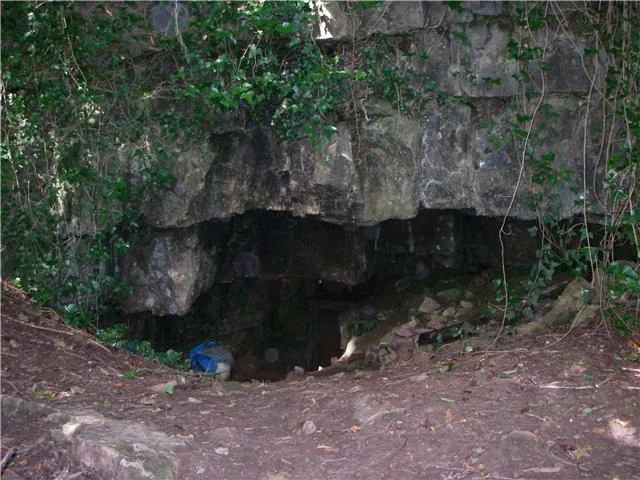
Otter Hole
Mountains & hills · 0.4 km

Piercefield Little Camp
Vineyards · 0.4 km

Otter Cave
Caves · 0.6 km

The Giant's Cave
Viewpoints · 0.7 km

The Giant's Cave, Piercefield
Caves · 0.7 km

Piercefield Great Camp
Vineyards · 0.8 km

Tutshill Tower
Memorials & monuments · 1.1 km

Saint Arvans
Villages · 1.2 km

St Arvan's Church
Historic churches · 1.4 km

St Arvans
Hill forts · 1.4 km

Wirewoods Green Manor
Manor houses · 1.5 km

Wintour's Leap
Viewpoints · 1.5 km
Nearby
📷 3📷 5Vineyards · South Wales
Piercefield Little Camp
Piercefield Little Camp — a UK vineyard in wales south, producing English or Welsh wine from cool-climate grape varieties.
📷 3📷 3📷 5Caves · South Wales
The Giant's Cave, Piercefield
The Giant's Cave, Piercefield — a cave broad in wales-south, United Kingdom.
📷 5Vineyards · South Wales
Piercefield Great Camp
Piercefield Great Camp — a UK vineyard in wales south, producing English or Welsh wine from cool-climate grape varieties.
Where to eat & stay near Piercefield House
Places to stay
 📷 5
📷 5 📷 7
📷 7 📷 7
📷 7B&Bs · South Wales
Tintern Old Rectory B&B
Tintern Old Rectory B&B — a bed-and-breakfast in wales south.
 📷 7
📷 7 📷 5
📷 5Hotels · South Wales
St Pierre Country Club
St Pierre Country Club — a hotel in wales south.
 📷 5
📷 5Campsites · South Wales
Beeches Farm Campsite
Beeches Farm Campsite — a campsite in wales south.
Places to eat & drink
 📷 5
📷 5Restaurants · South Wales
Mint & Mustard
Mint & Mustard — a restaurant in wales south.
 📷 7
📷 7 📷 6
📷 6 📷 7
📷 7Historic pubs · South West England
The Boar's Head
The Boar's Head in Wales South, United Kingdom.
 📷 5
📷 5Cafés · South West England
Swan House
Swan House — a café in england west midlands.
 📷 7
📷 7Other works by John Soane
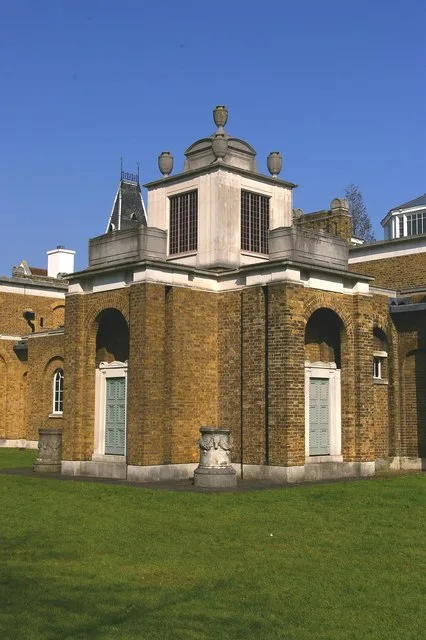 📷 5
📷 5Galleries · London
Dulwich Picture Gallery
Dulwich Picture Gallery — art gallery in Dulwich, South London, United Kingdom.
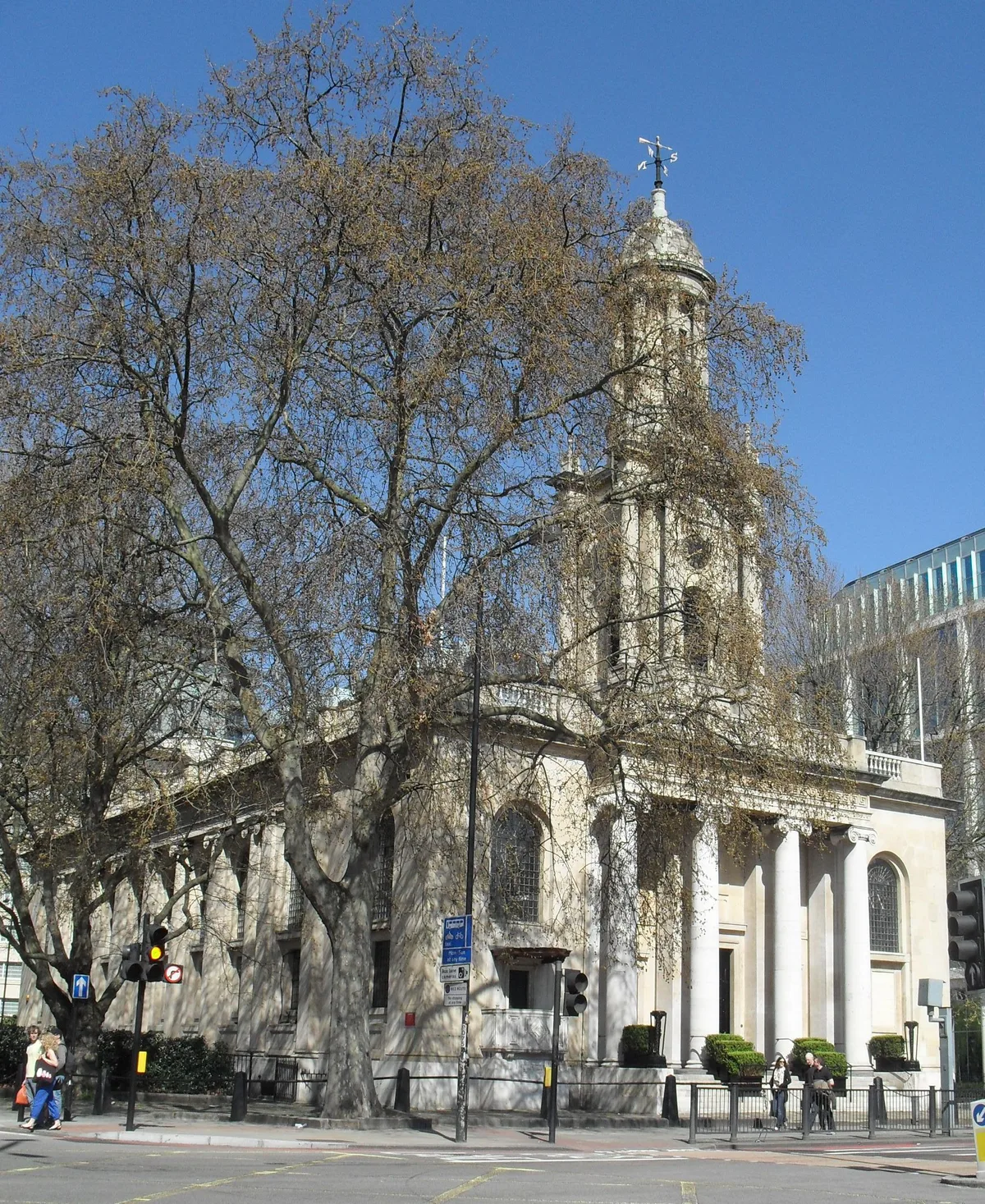 📷 5
📷 5Historic churches · London
Holy Trinity Church of Marylebone
Holy Trinity Church of Marylebone — church building in Westminster, London, England, UK.
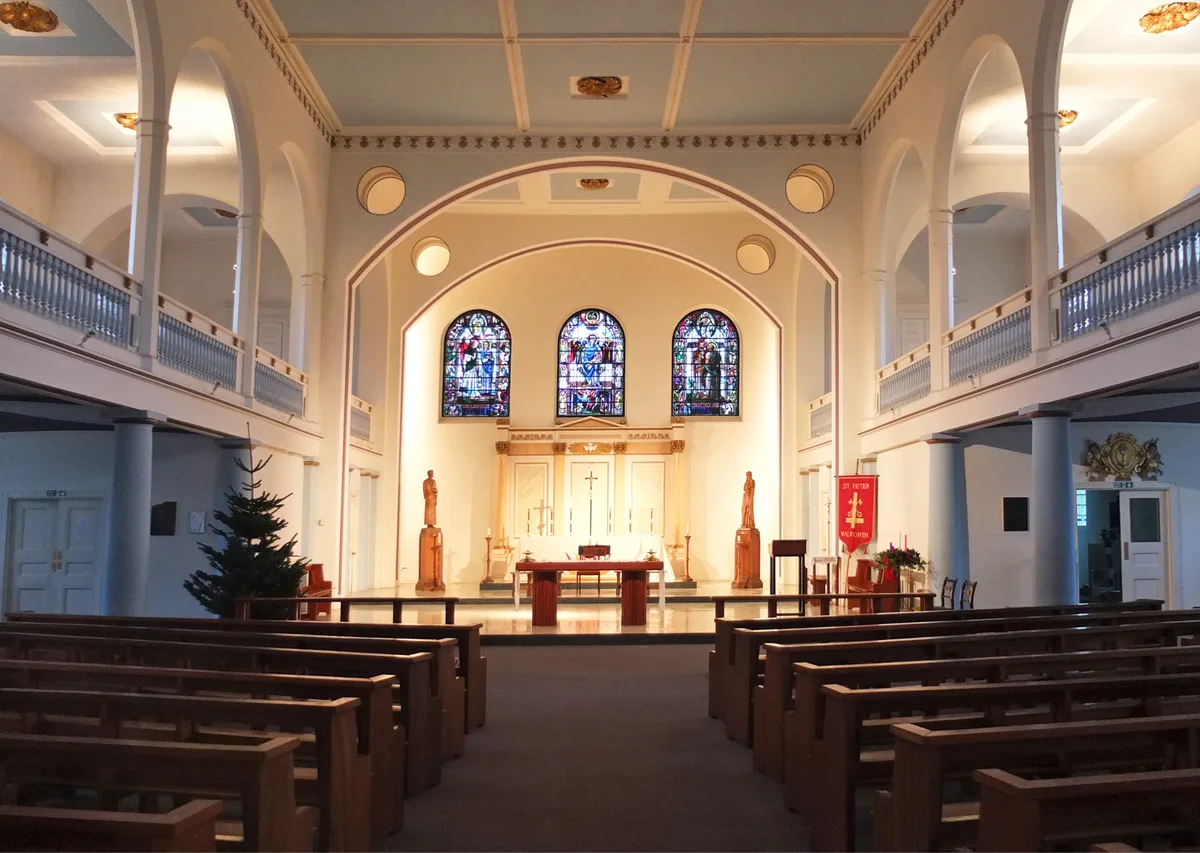 📷 5
📷 5Historic churches · London
St Peter's Church, Walworth
St Peter's Church, Walworth — church in London Borough of Southwark, UK.
 📷 5
📷 5Public art & sculpture · London
Bench At Northern End Of Walpole Park
Bench At Northern End Of Walpole Park in England London, United Kingdom.
More historic houses in this region
 📷 3
📷 3Historic houses · South Wales
Agincourt House
Agincourt House — Grade II* listed building in Monmouth. Building in Monmouth, Wales.
 📷 3
📷 3Historic houses · South Wales
Big House, Landshipping
Big House, Landshipping — house in Martletwy, Pembrokeshire, Wales, UK.
 📷 3
📷 3Historic houses · South Wales
Boverton Place
Boverton Place — building in Llantwit Major, United Kingdom.
 📷 3
📷 3Historic houses · South Wales
Brynderi House
Brynderi House — house in Llantilio Crossenny, Monmouthshire, Wales.
Frequently asked questions
- Where is Piercefield House?
- Piercefield House is in South Wales, United Kingdom (postcode NP16 6EG), in the parish of Chepstow.
- What is Piercefield House?
- Piercefield House — neo-classical country house near Chepstow, Wales.
- How do I get to Piercefield House?
- The nearest railway station is Chepstow, about 2.2 km away. The nearest town is Caerwent. Drivers can use postcode NP16 6EG.
- When was Piercefield House built?
- Built or established in 1792. Designed by John Soane.
- Who owns Piercefield House?
- Piercefield House is owned by Valentine Morris.
- Is Piercefield House a listed building?
- Piercefield House is officially recognised as Grade II* listed building listed.
- Is Piercefield House a protected site?
- Yes — Piercefield House is part of the River Wye SSSI Site of Special Scientific Interest and the Severn Estuary SSSI Site of Special Scientific Interest.
- How do I get to Piercefield House?
- The nearest railway station is Chepstow, about 2.2 km away. Drivers can navigate to postcode NP16 6EG.