
Historic churches · South West England
Pendeen
In or near Morvah.
Pendeen (from Cornish: Penn Din meaning "headland fort", previously known as Cornish: Boskaswal Wartha, meaning "Caswal's high dwelling") is a village and ecclesiastical parish on the Penwith peninsul

Paul Barnett — CC BY-SA 2.0 via Wikimedia Commons licence

Plan your visit
- Typical visit
- 30 min–1 h
- Nearest railway station
- Penzance · 9.8 km
- Free entry
Getting there & planning your visit
To visit Pendeen, the nearest railway station is Penzance, located 9.8 km away. Entry to the church is free.
About
Pendeen (from Cornish: Penn Din meaning "headland fort", previously known as Cornish: Boskaswal Wartha, meaning "Caswal's high dwelling") is a village and ecclesiastical parish on the Penwith peninsula in Cornwall, England. It is 3 miles (5 kilometres) north-northeast of St Just and 7 mi (11 km) west of Penzance. It lies along the B3306 road which connects St Ives to Land's End and the A30 road. The village has a community centre, a shop, a post office, a primary school, and a few small businesses. Community activities include an art club, a gardening club, silver marching band and a football club. Nearby settlements include Carnyorth and Trewellard and the historic Geevor Tin Mine is immediately north of the village. The village gets its name from the headland on which Pendeen Lighthouse stands, a mile from the village. Like many other Cornish villages near the coast, Pendeen had a reputation for smuggling activities. Pendeen is overlooked by a hill, Carn Eanes, referred to locally as 'The Carn', the site of a quarry which provided the granite to build Pendeen church. Pendeen lies within the Cornwall Area of Outstanding Natural Beauty (AONB) and the St Just in Penwith division of Cornwall Council. Pendeen is close (1 km) to the South West Coast Path and in addition has a number of local footpaths for exploring the surroundings.
Photo gallery
See it from the streetimagery from 2024
Imagery © Mapillary contributors, CC BY-SA 4.0
Protected designations
- Site of Special Scientific Interest: Aire Point to Carrick Du SSSI
- Site of Special Scientific Interest: West Penwith Moors and Downs SSSI
- Area of Outstanding Natural Beauty: Cornwall
Designations sourced from Natural England open data under OGL v3.
From the Wikipedia article
Pendeen (from Cornish: Penn Din meaning "headland fort", previously known as Cornish: Boskaswal Wartha, meaning "Caswal's high dwelling") is a village and ecclesiastical parish on the Penwith peninsula in Cornwall, England. It is 3 miles (5 kilometres) north-northeast of St Just and 7 mi (11 km) west of Penzance. It lies along the B3306 road which connects St Ives to Land's End and the A30 road. The village has a community centre, a shop, a post office, a primary school, and a few small businesses. Community activities include an art club, a gardening club, silver marching band and a football club. Nearby settlements include Carnyorth and Trewellard and the historic Geevor Tin Mine is immediately north of the village. The village gets its name from the headland on which Pendeen Lighthouse stands, a mile from the village. Like many other Cornish villages near the coast, Pendeen had a reputation for smuggling activities. Pendeen is overlooked by a hill, Carn Eanes, referred to locally as 'The Carn', the site of a quarry which provided the granite to build Pendeen church. Pendeen lies within the Cornwall Area of Outstanding Natural Beauty (AONB) and the St Just in Penwith division of Cornwall Council. Pendeen is close (1 km) to the South West Coast Path and in addition has a number of local footpaths for exploring the surroundings.
Excerpt from Wikipedia under CC BY-SA 4.0. See the source article linked in Sources below.
Background
History
The area now known as the Parochial Parish of Pendeen, was originally referred to as North St Just and was formed in 1846. It included a number of settlements in the eastern part of the Parochial Parish of St Just.<sup>[1]</sup> Today the Parochial Parish of Pendeen comprises the settlements of Bojewyan, Portheras Cross, Boscaswell Downs, Lower Boscaswell, Trewellard, Carnyorth and part of Botallack. This area remains part of the civil parish of St Just. Before the splitting of the Parish in 1846 "Pendeen" would have referred to the eponymous headland or Pendeen Manor, birthplace of William Borlase, rather than any of the settlements listed above.
Architecture
The Church of St John the Baptist is built of local granite and is a Grade II listed building. It was designed by the first vicar Robert Aitken and was based on Iona Abbey. It was built by the villagers from 1850 to 1852 and refurbished in 1878. The church tower was elevated in 1890, ″... to bring it into better proportion to the body of the edifice; ...″, alongwith the installation of a clock and four dials. Oliver Caldwell was the architect and the work cost £270. There is a Cornish cross in the vicarage garden. At Pendeen Manor Farm is a 16th-century farmhouse (front added in 1670) and a fogou or vau 56 ft long, with a side passage of 24 ft.
Sourced from Wikipedia under CC BY-SA 4.0.
- Coordinates
- 50.1521, -5.6618
- District
- Cornwall
- Parish
- St. Just
- Postcode
- TR19 7DS
- Parliamentary constituency
- St Ives
- Nearest railway station
- Penzance — 9.8 km
Sources
- wikipedia: Pendeen (CC BY-SA 4.0)
Other places nearby

North Inn Camping
Campsites · 0.3 km

Pendeen War Memorial
Memorials & monuments · 0.4 km

Bridge Over Stream Immediately West Of Number 14
Historic bridges · 0.5 km
Bridge Over Stream West Of Numbers 5 To 12
Historic bridges · 0.5 km

Lower Boscaswell
Villages · 0.8 km

Hard Rock Museum
Museums · 0.9 km

Geevor Tin Mine
Museums · 1.0 km

Pendeen Manor House
Historic houses · 1.0 km

Trewellard
Museums · 1.2 km

Yew Tree Gallery
Public art & sculpture · 1.2 km

The Old Coastguards Campsite
Campsites · 1.3 km

Portheras Cove
Beaches · 1.4 km
Nearby
📷 5Campsites · South West England
North Inn Camping
North Inn Camping — a campsite in england south west.
📷 3Memorials & monuments · South West England
Pendeen War Memorial
Pendeen War Memorial — Grade II listed building-listed memorial in england-south-west, United Kingdom.
📷 3Historic bridges · South West England
Bridge Over Stream Immediately West Of Number 14
Bridge Over Stream Immediately West Of Number 14 — Grade II listed building-listed bridge in england-south-west, United Kingdom.
📷 3Historic bridges · South West England
Bridge Over Stream West Of Numbers 5 To 12
Bridge Over Stream West Of Numbers 5 To 12 — Grade II listed building-listed bridge in england-south-west, United Kingdom.
📷 5📷 3Museums · South West England
Hard Rock Museum
Hard Rock Museum — a museum in england-south-west, United Kingdom.
Where to eat & stay near Pendeen
Places to stay
📷 5Campsites · South West England
North Inn Camping
North Inn Camping — a campsite in england south west.
📷 5Campsites · South West England
The Old Coastguards Campsite
The Old Coastguards Campsite — a campsite in england south west.
 📷 5
📷 5 📷 5
📷 5Campsites · South West England
Trevaylor Caravan and Camping Park
Trevaylor Caravan and Camping Park — a campsite in england south west.
 📷 7
📷 7Hotels · South West England
The Wellington Hotel
The Wellington Hotel — a hotel in england south west.
 📷 6
📷 6Places to eat & drink
 📷 5
📷 5 📷 5
📷 5Historic pubs · South West England
First And Last Inn
First And Last Inn in England South West, United Kingdom.
 📷 5
📷 5Historic pubs · South West England
Tolcarne Inn Public House
Tolcarne Inn Public House in England South West, United Kingdom.
 📷 7
📷 7Restaurants · South West England
The Old Lifeboat House Bistro
The Old Lifeboat House Bistro — a restaurant in england south west. Cuisine: seafood.
 📷 5
📷 5Historic pubs · South West England
The Sloop Inn
The Sloop Inn in England South West, United Kingdom.
 📷 5
📷 5Historic pubs · South West England
The Bucket of Blood
The Bucket of Blood in England South West, United Kingdom.
More places in this region
 📷 5
📷 5Historic churches · South West England
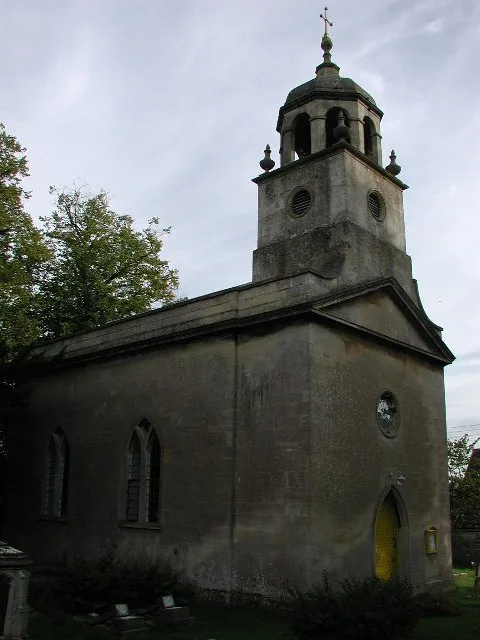
Abbey Church of St Gregory the Great, Downside Abbey
Abbey Church of St Gregory the Great, Downside Abbey — church in Stratton-on-the-Fosse, Somerset, England, UK.
 📷 5
📷 5Historic churches · South West England
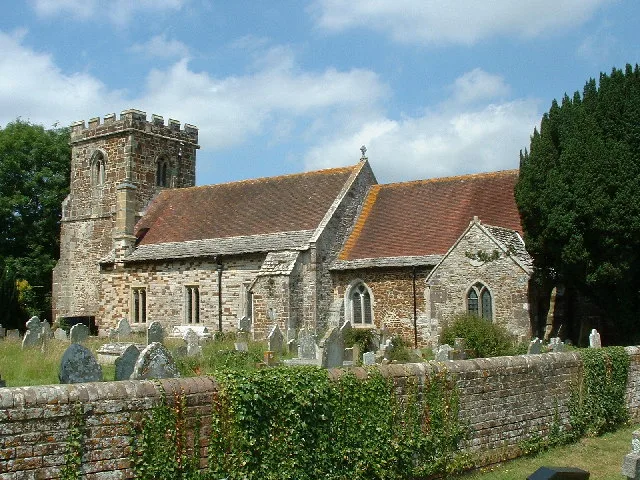
All Saints Church
All Saints Church — Grade I listed church in Woolley, Somerset, England, UK.
 📷 5
📷 5Historic churches · South West England
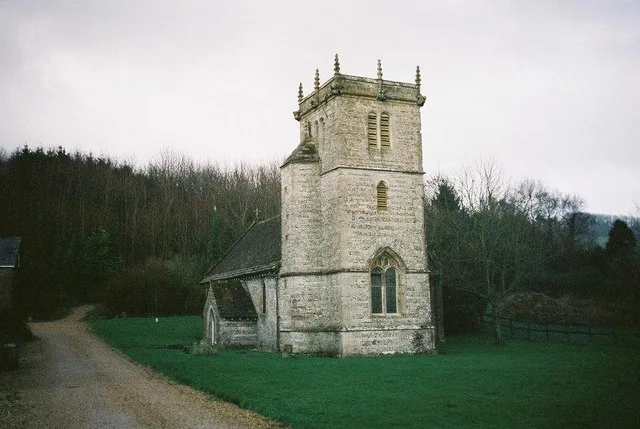
All Saints Church, Hampreston
All Saints Church, Hampreston — church in Hampreston, Dorset, England, UK.
 📷 5
📷 5Historic churches · South West England
All Saints Church, Nether Cerne
All Saints Church, Nether Cerne — church in Nether Cerne, Dorset, England, UK.
Frequently asked questions
- Where is Pendeen?
- Pendeen is in South-West England, United Kingdom (postcode TR19 7DS), in the parish of St. Just.
- What is Pendeen?
- Pendeen (from Cornish: Penn Din meaning "headland fort", previously known as Cornish: Boskaswal Wartha, meaning "Caswal's high dwelling") is a village and ecclesiastical parish on the Penwith peninsul
- How do I get to Pendeen?
- The nearest railway station is Penzance, about 9.8 km away. The nearest town is Morvah. Drivers can use postcode TR19 7DS.
- Is Pendeen a protected site?
- Yes — Pendeen is part of the Aire Point to Carrick Du SSSI Site of Special Scientific Interest and the West Penwith Moors and Downs SSSI Site of Special Scientific Interest.
- Is Pendeen free to visit?
- Yes, Pendeen is free to enter.
- How do I get to Pendeen?
- Drivers can navigate to postcode TR19 7DS. It sits within the St Ives parliamentary constituency.