
Abbeys & priories · North West England
Part of a Roman fort and its associated vicus and remains of a pre-Conquest monastery and a Benedictine priory on Castle Hill
In or near Lancaster.
Part of a Roman fort and its associated vicus and remains of a pre-Conquest monastery and a Benedictine priory on Castle Hill — scheduled monument-listed abbey in england-north-west, United Kingdom.

Karl and Ali — CC BY-SA 2.0 via Wikimedia Commons licence

Plan your visit
- Typical visit
- 45 min–1.5 h
- Nearest railway station
- Lancaster · 0.3 km
- Family-friendly
- Limited wheelchair access
Getting there & planning your visit
You can reach the site by train to Lancaster station, which is 0.3 km away. The postcode for sat-nav is LA1 1XB. Accessibility is limited for wheelchair users.
About
Part of a Roman fort and its associated vicus and remains of a pre-Conquest monastery and a Benedictine priory on Castle Hill is a scheduled monument-listed abbey in england-north-west, United Kingdom, registered on the National Heritage List for England (NHLE entry 1020668). Listed status protects buildings and structures of special architectural or historic interest. See the linked Wikipedia article for further details.
Photo gallery
360° view
Imagery © Mapillary contributors, CC BY-SA 4.0
Heritage listing
Details The monument includes the upstanding and buried remains of the northern parts of Lancaster Roman fort and its associated civilian settlement or vicus, together with the buried remains of a pre-Conquest monastery and a Benedictine priory. It is located on the top and the northern slopes of Castle Hill and extends beneath the present Priory Church of St Mary and its churchyard, the modern and former vicarages and their gardens, the garden of No. 2, St Mary's Gate, the garden of No. 100 Church Street, and north into Vicarage Fields. The buried remains of the pre-Conquest monastery are considered to lie beneath the priory church, while the buried remains of the Benedictine priory and its associated precinct and precinct wall are considered to lie beneath the priory church and within land to the north and west. Lancaster Roman fort, the Roman name of which is unknown, was constructed during the latter quarter of the first century AD and, apart from occasional periods of abandonment, it remained in military occupation until the early years of the fifth century. The fort was strategically located to command the lowest bridging/fording point of the River Lune and was connected by a series of Roman roads with forts to the north, south, north east and south east. A combination of chance finds and 20th century limited excavations have revealed that the first Roman fort was constructed about AD 80. It was rectangular in shape with rounded corners and was defended on its north, west and east sides (its south side not yet having been ascertained) by a clay-and-turf rampart and two `V'-shaped ditches. The north wall of the rampart ran east-west a little to the north of the Old Vicarage and measured about 187m long. Inside the rampart excavation found an intervallum road and re
From the Historic England List Entry under OGL v3.
Protected designations
- Site of Special Scientific Interest: Morecambe Bay SSSI
- Ramsar wetland: Morecambe Bay
Designations sourced from Natural England open data under OGL v3.
Place summary
Part of a Roman fort and its associated vicus, along with remains of a pre-Conquest monastery and a Benedictine priory, are located on Castle Hill in North-West England, Lancashire. This site is designated as a scheduled monument, reflecting its historical significance.
AI-generated from the structured facts on this page (operator, designation, listing, era). Not a substitute for visiting.
- Coordinates
- 54.0514, -2.8056
- County
- Lancashire
- District
- Lancaster
- Parish
- Lancaster, unparished area
- Postcode
- LA1 1XB
- Parliamentary constituency
- Lancaster and Wyre
- Nearest railway station
- Lancaster — 0.3 km
Sources
- wikidata: Q17665230 (CC0)
Other places nearby
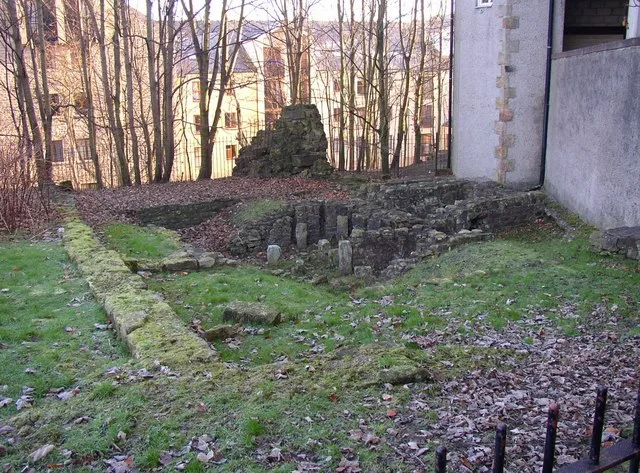
Part of a Roman fort and its associated vicus and remains of a pre-Conquest monastery and a Benedictine priory on Castle Hill
Abbeys & priories · 0.0 km
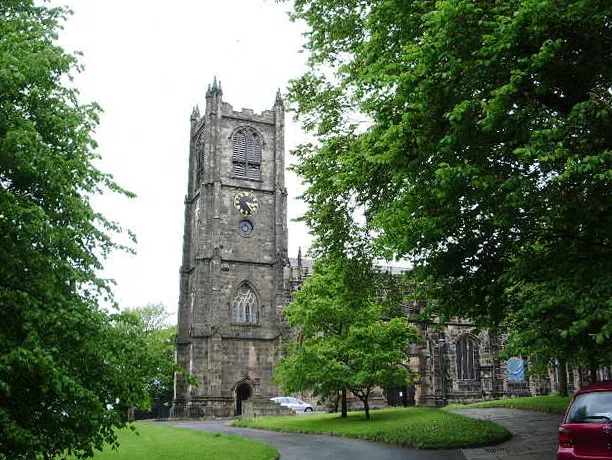
Lancaster Priory
Historic churches · 0.1 km

Priory Amphitheatre
Theatres · 0.1 km

Roman Bath House
Historic houses · 0.1 km

Lancashire Police Museum
Museums · 0.1 km

The Three Mariners Public House
Historic pubs · 0.2 km
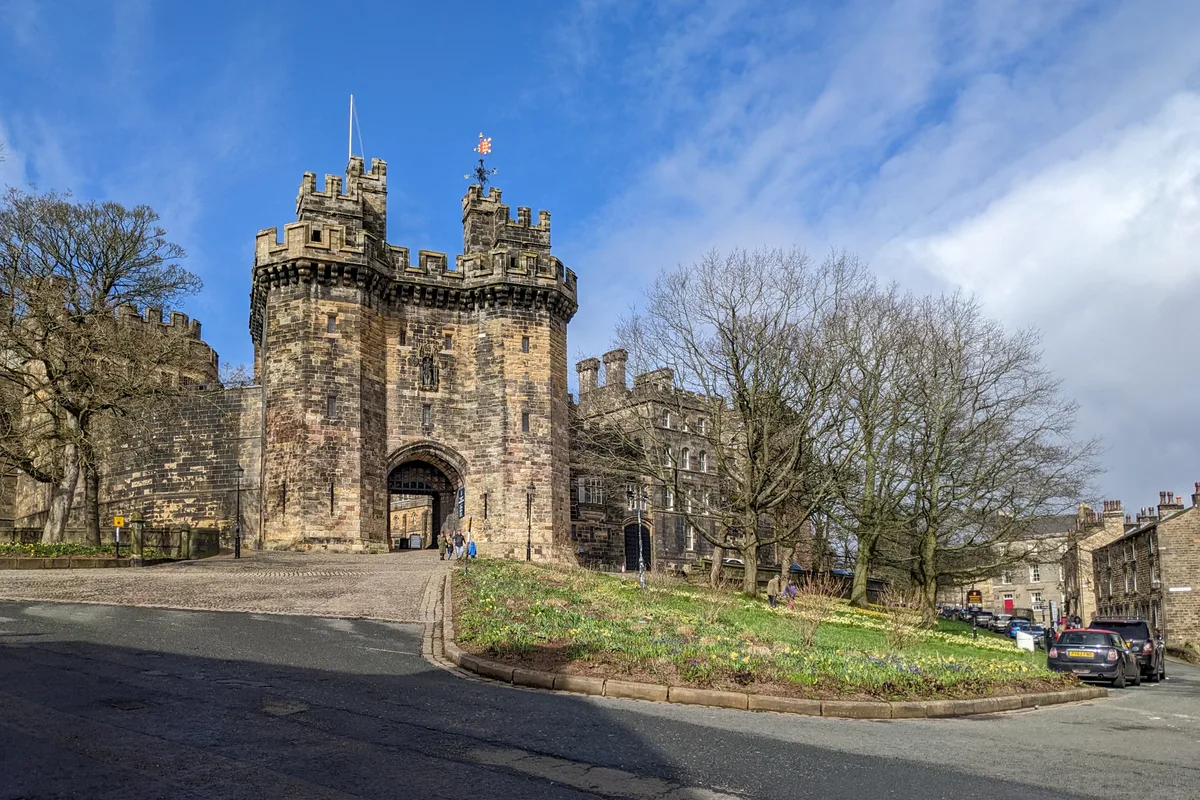
Lancaster Castle
Castles · 0.2 km

Judges' Lodgings Museum
Museums · 0.2 km

Judges' Lodgings, Lancaster
Museums · 0.2 km

Covell Cross
Memorials & monuments · 0.2 km
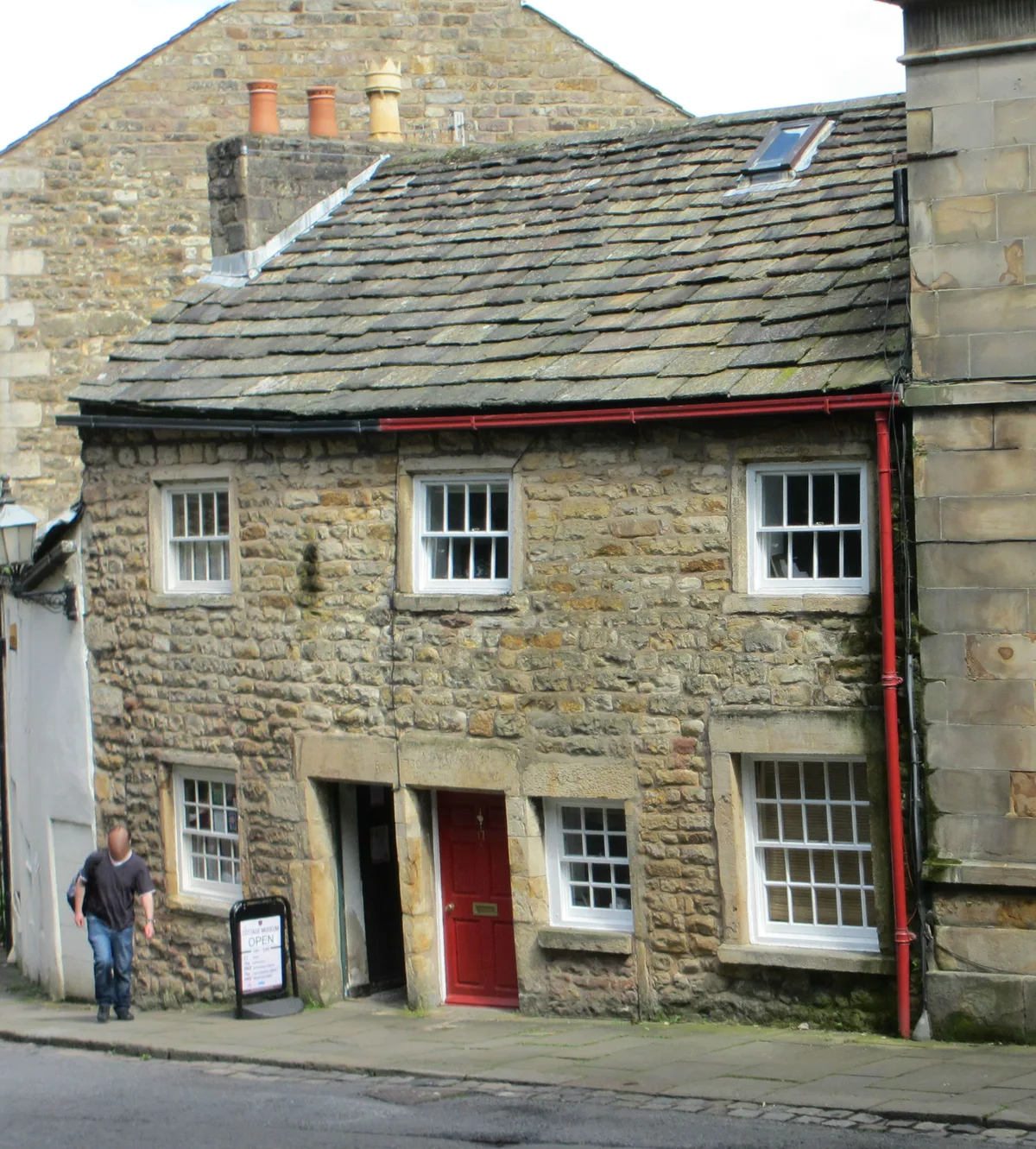
Cottage Museum
Museums · 0.2 km

Lancashire Witches Walk Waymarker
Public art & sculpture · 0.2 km
Nearby
📷 3Abbeys & priories · North West England
Part of a Roman fort and its associated vicus and remains of a pre-Conquest monastery and a Benedictine priory on Castle Hill
Part of a Roman fort and its associated vicus and remains of a pre-Conquest monastery and a Benedictine priory on Castle Hill — archaeological site in Lancaster, United Kingdom.
📷 3Historic churches · North West England
Lancaster Priory
Lancaster Priory — Grade I listed church in Lancaster, Lancashire, England, UK.
📷 3Theatres · North West England
Priory Amphitheatre
Priory Amphitheatre is a theatre in the United Kingdom.
📷 3Historic houses · North West England
Roman Bath House
Roman Bath House — a other in england-north-west, United Kingdom.
📷 3Museums · North West England
Lancashire Police Museum
Lancashire Police Museum — a museum in england-north-west, United Kingdom.
📷 7Historic pubs · North West England
The Three Mariners Public House
The Three Mariners Public House in England North West, United Kingdom.
Where to eat & stay near Part of a Roman fort and its associated vicus and remains of a pre-Conquest monastery and a Benedictine priory on Castle Hill
Places to stay
 📷 5
📷 5Caravan parks · North West England
Mellishaw Park Traveler Site
Mellishaw Park Traveler Site — a caravan park in england north west.
 📷 5
📷 5Caravan parks · North West England
Riverside Holiday Park
Riverside Holiday Park — a caravan park in england north west.
📷 5Hotels · North West England
The Golden Ball
The Golden Ball — a hotel in england north west.
 📷 5
📷 5Caravan parks · North West England
Glen Tarn Caravan Park
Glen Tarn Caravan Park — a caravan park in england north west.
 📷 5
📷 5Caravan parks · North West England
Croftlands Caravan Site
Croftlands Caravan Site — a caravan park in england north west.
 📷 5
📷 5Caravan parks · North West England
Glen Caravan Park
Glen Caravan Park — a caravan park in england north west.
Places to eat & drink
📷 7Historic pubs · North West England
The Three Mariners Public House
The Three Mariners Public House in England North West, United Kingdom.
 📷 3
📷 3Historic pubs · North West England
George & Dragon
George & Dragon — Historic pub — listed building or notable heritage status.
 📷 3
📷 3Historic pubs · North West England
Wagon & Horses
Wagon & Horses — Historic pub — listed building or notable heritage status.
.jpg?width=1200) 📷 4
📷 4Historic pubs · North West England
The Bobbin
The Bobbin — Historic pub — listed building or notable heritage status.
 📷 5
📷 5Historic pubs · North West England
Blue Anchor Public House
Blue Anchor Public House in England North West, United Kingdom.
 📷 7
📷 7Restaurants · North West England
GoBurrito
GoBurrito — a restaurant in england north west.
More abbeys in this region
 ★ Iconic📷 3
Abbeys & priories · North West England
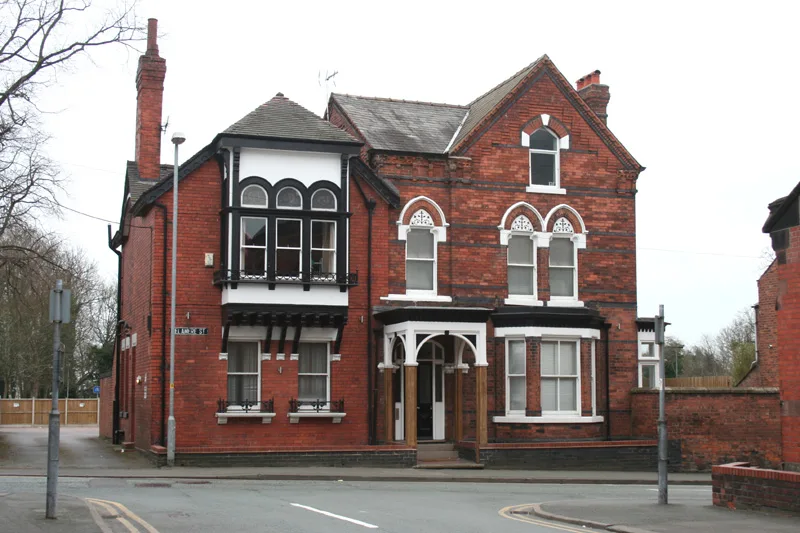
47, Delamere Street
47, Delamere Street — Grade II listed house in Crewe, Cheshire East, Cheshire, CW1.
 📷 3
📷 3Abbeys & priories · North West England
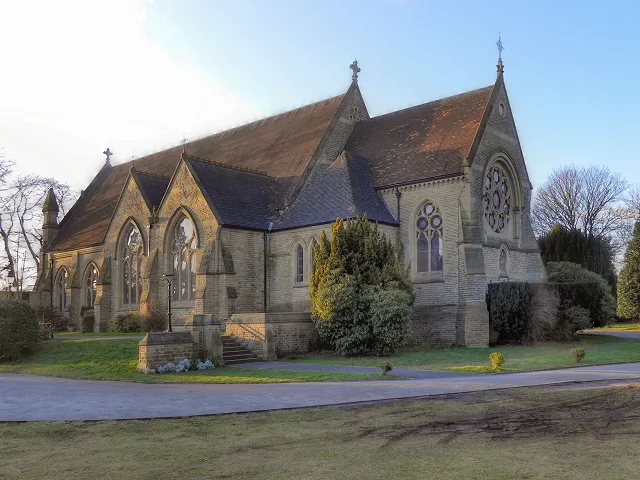
Church of St John the Divine, Brooklands
Church of St John the Divine, Brooklands — church in Trafford, Greater Manchester, England, UK.
 📷 5
📷 5Abbeys & priories · North West England
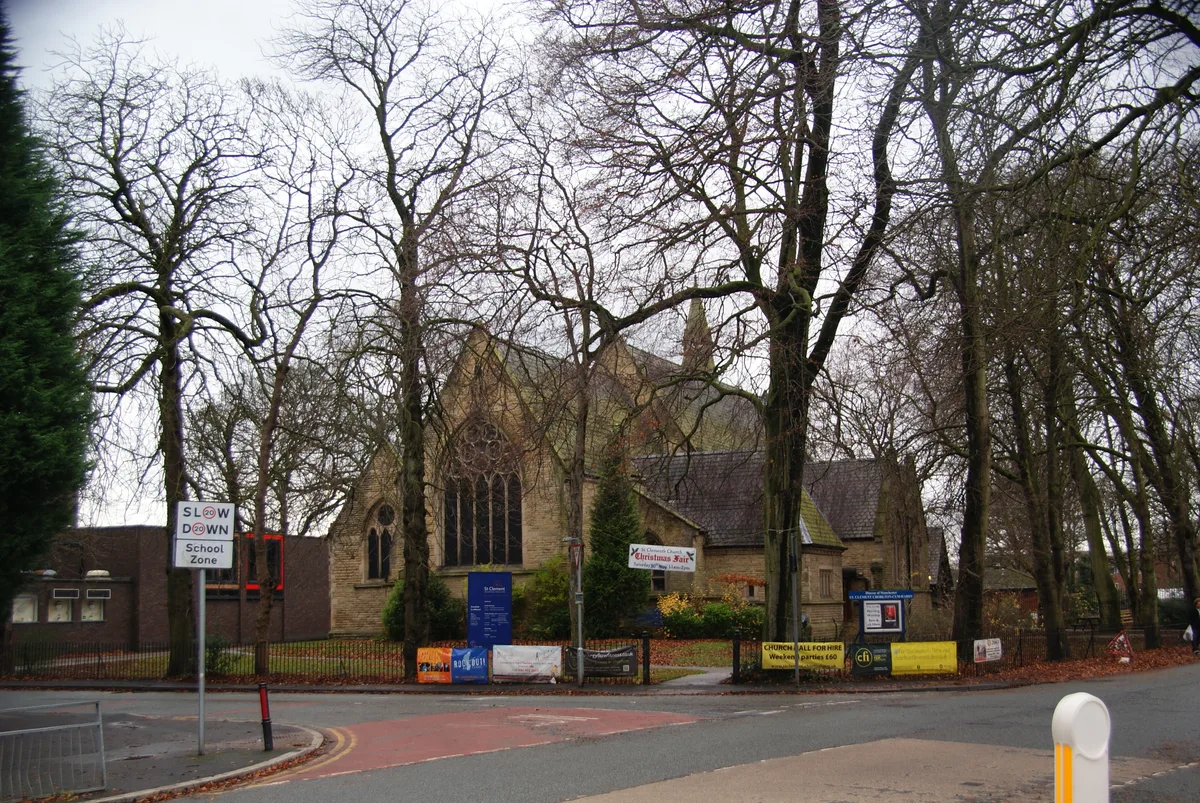
St Clement's Church
St Clement's Church — church in Chorlton-cum-Hardy, Manchester, England.
 📷 3
📷 3Abbeys & priories · North West England
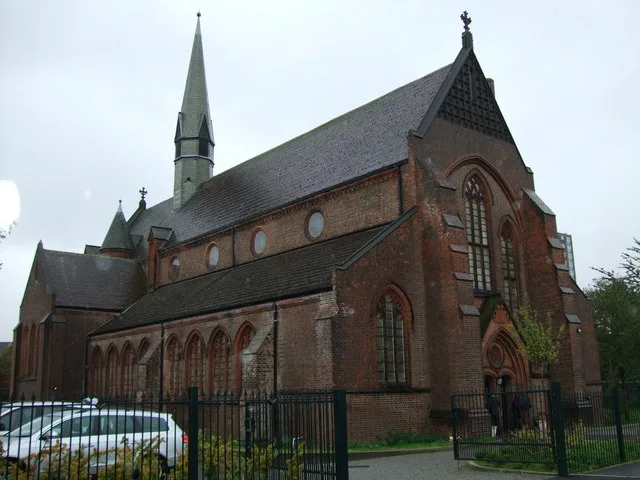
St Clement's Church, Ordsall
St Clement's Church, Ordsall — grade II listed church in Salford, Greater Manchester, England, UK.
Frequently asked questions
- Where is Part of a Roman fort and its associated vicus and remains of a pre-Conquest monastery and a Benedictine priory on Castle Hill?
- Part of a Roman fort and its associated vicus and remains of a pre-Conquest monastery and a Benedictine priory on Castle Hill is in Lancashire, North-West England, United Kingdom (postcode LA1 1XB), in the parish of Lancaster, unparished area.
- What is Part of a Roman fort and its associated vicus and remains of a pre-Conquest monastery and a Benedictine priory on Castle Hill?
- Part of a Roman fort and its associated vicus and remains of a pre-Conquest monastery and a Benedictine priory on Castle Hill — scheduled monument-listed abbey in england-north-west, United Kingdom.
- How do I get to Part of a Roman fort and its associated vicus and remains of a pre-Conquest monastery and a Benedictine priory on Castle Hill?
- The nearest railway station is Lancaster, about 0.3 km away. The nearest town is Lancaster. Drivers can use postcode LA1 1XB.
- Is Part of a Roman fort and its associated vicus and remains of a pre-Conquest monastery and a Benedictine priory on Castle Hill a listed building?
- Part of a Roman fort and its associated vicus and remains of a pre-Conquest monastery and a Benedictine priory on Castle Hill is officially recognised as scheduled monument listed.
- Is Part of a Roman fort and its associated vicus and remains of a pre-Conquest monastery and a Benedictine priory on Castle Hill a protected site?
- Yes — Part of a Roman fort and its associated vicus and remains of a pre-Conquest monastery and a Benedictine priory on Castle Hill is part of the Morecambe Bay SSSI Site of Special Scientific Interest and the Morecambe Bay Ramsar wetland.
- How do I get to Part of a Roman fort and its associated vicus and remains of a pre-Conquest monastery and a Benedictine priory on Castle Hill?
- The nearest railway station is Lancaster, about 0.3 km away. Drivers can navigate to postcode LA1 1XB.