
Historic churches · North West England
Old St John the Baptist's Church, Pilling
In or near Winmarleigh.
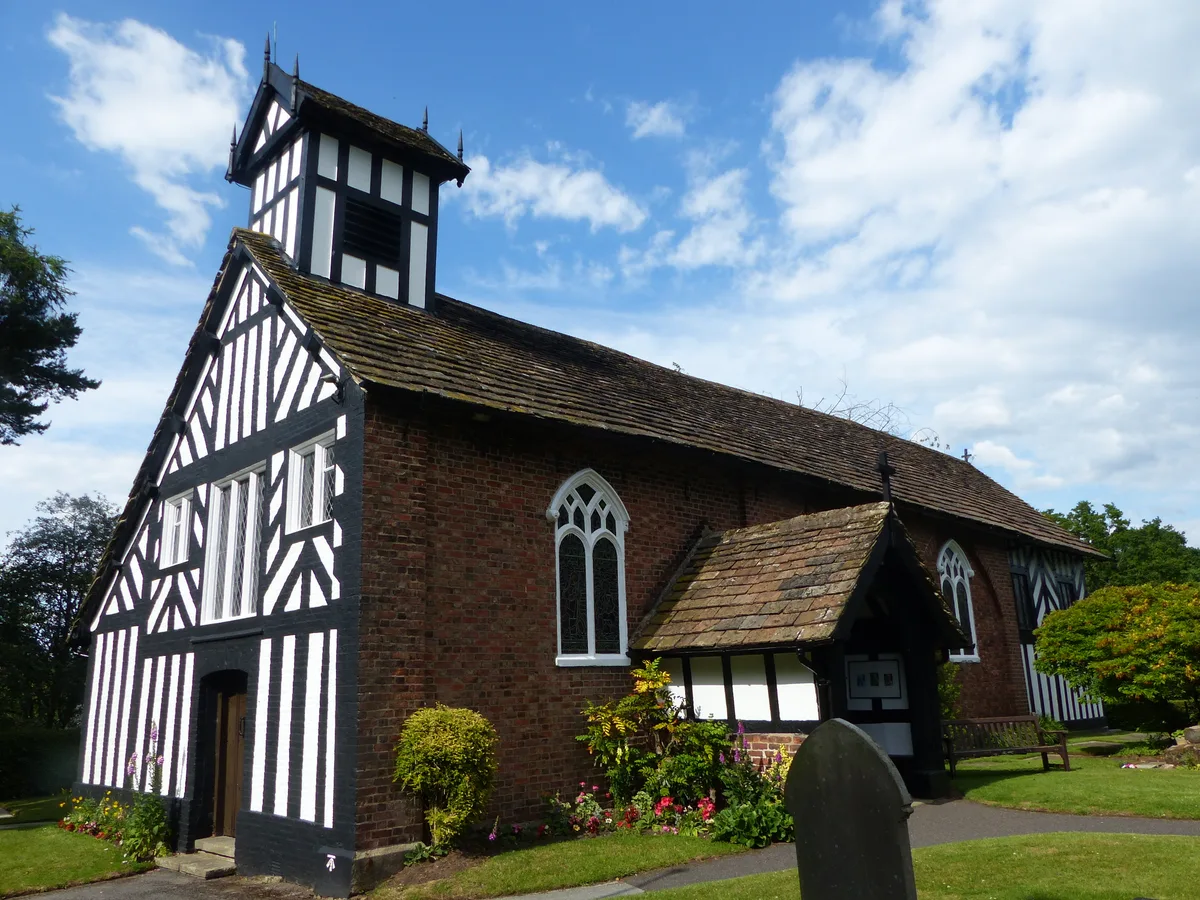
Old St John the Baptist's Church, Pilling — church in Pilling, Wyre, Lancashire, England, UK.

Wikimedia Commons contributors — see linked file page for photographer and licence licence

Plan your visit
- Typical visit
- 30 min–1 h
- Free entry
Getting there & planning your visit
The nearest railway station is approximately 5 miles away. The postcode for Old St John the Baptist's Church is PR3 6HB. Entry is free.
About
Old St John the Baptist's Church, Pilling is a historic church in the United Kingdom. Records date its origin to 1717. Built in the Georgian architecture style. Heritage designation: Grade II* listed building. Wikidata describes it as: "church in Pilling, Wyre, Lancashire, England, UK". Coordinates: 53.9290°, -2.9111°.
Photo gallery
Heritage listing
Old St John the Baptist's Church is a redundant Anglican church in the village of Pilling, Lancashire, England. It stands 160 yards (150 m) to the south of the new church, also dedicated to St John the Baptist. The church is "an unusual survival of a small Georgian church". It is recorded in the National Heritage List for England as a designated Grade II* listed building, and it is under the care of the Churches Conservation Trust.
From the Historic England List Entry under OGL v3.
Protected designations
- Site of Special Scientific Interest: Lune Estuary SSSI
- Ramsar wetland: Morecambe Bay
Designations sourced from Natural England open data under OGL v3.
From the Wikipedia article
Old St John the Baptist's Church is a redundant Anglican church in the village of Pilling, Lancashire, England. It stands 160 yards (150 m) to the south of the new church, also dedicated to St John the Baptist. The church is "an unusual survival of a small Georgian church". It is recorded in the National Heritage List for England as a designated Grade II* listed building, and it is under the care of the Churches Conservation Trust.
Excerpt from Wikipedia under CC BY-SA 4.0. See the source article linked in Sources below.
Background
History
The village was originally served by a small medieval chapel ( by ), serviced until the Dissolution by the canons of Cockersand Abbey. In 1716 the parishioners of Pilling petitioned the Bishop of Chester for a new church. St John's is termed a chapel, rather than a church, due to its being a parochial chapelry in the parish of Garstang, served by a perpetual curate as opposed to a vicar.
Architecture
The interior has a flat plaster ceiling. There are galleries on the north and west sides, carried on Tuscan-style columns, and on the ground floor there are fixed simple oak benches, box pews (one of which carries the date 1719), and a two-decker pulpit. The sandstone font dates from the 18th century and is in the shape of an urn.
Sourced from Wikipedia under CC BY-SA 4.0.
- Coordinates
- 53.9290, -2.9111
- County
- Lancashire
- District
- Wyre
- Parish
- Pilling
- Postcode
- PR3 6HB
- Parliamentary constituency
- Lancaster and Wyre
- Established
- 1717
- Official site
- www.visitchurches.org.uk
Sources
- wikidata: Q12064755 (CC0)
- wikipedia: Old St John the Baptist's Church, Pilling (CC BY-SA 4.0)
- commons: Old St John's, Pilling - front full.jpg (CC BY-SA 4.0)
Other places nearby
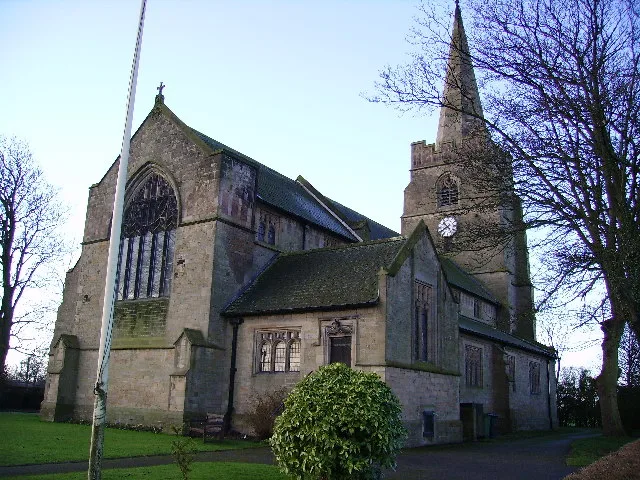
St John the Baptist's Church, Pilling
Historic churches · 0.1 km

Glenfield Leisure Park
Caravan parks · 0.3 km

Pilling
Villages · 0.3 km

Foldhouse Park
Caravan parks · 0.9 km

Elletson Park
Caravan parks · 1.1 km

Hudswell-Clark 1885
Memorials & monuments · 1.1 km

Midwood Caravan Park
Caravan parks · 1.9 km

Near Moss Farm Caravan Park
Caravan parks · 3.2 km

Willowgrove Leisure Park
Caravan parks · 3.7 km

Woodside Residential Park
Caravan parks · 3.7 km

Blue Bell Cottage Camping and Caravanning Club Certified Site
Campsites · 3.8 km

Preesall
Museums · 3.9 km
Nearby
📷 3Historic churches · North West England
St John the Baptist's Church, Pilling
St John the Baptist's Church, Pilling — church in Pilling, Wyre, Lancashire, England, UK.
📷 5Caravan parks · North West England
Glenfield Leisure Park
Glenfield Leisure Park — a caravan park in england north west.
📷 5📷 5Caravan parks · North West England
Foldhouse Park
Foldhouse Park — a caravan park in england north west.
📷 5Caravan parks · North West England
Elletson Park
Elletson Park — a caravan park in england north west.
📷 3Memorials & monuments · North West England
Hudswell-Clark 1885
Hudswell-Clark 1885 — a memorial in england-north-west, United Kingdom.
Where to eat & stay near Old St John the Baptist's Church, Pilling
Places to stay
📷 5Caravan parks · North West England
Glenfield Leisure Park
Glenfield Leisure Park — a caravan park in england north west.
📷 5Caravan parks · North West England
Foldhouse Park
Foldhouse Park — a caravan park in england north west.
📷 5Caravan parks · North West England
Elletson Park
Elletson Park — a caravan park in england north west.
📷 5Caravan parks · North West England
Midwood Caravan Park
Midwood Caravan Park — a caravan park in england north west.
📷 5Caravan parks · North West England
Near Moss Farm Caravan Park
Near Moss Farm Caravan Park — a caravan park in england north west.
📷 5Caravan parks · North West England
Willowgrove Leisure Park
Willowgrove Leisure Park — a caravan park in england north west.
Places to eat & drink
 📷 5
📷 5Historic pubs · North West England
The Stork
The Stork — Historic pub — listed building or notable heritage status.
 📷 5
📷 5Historic pubs · North West England
The Old Hall Inn
The Old Hall Inn in England North West, United Kingdom.
 📷 5
📷 5Historic pubs · North West England
Toll House Inn Hotel
Toll House Inn Hotel — Historic pub — listed building or notable heritage status.
 📷 7
📷 7Historic pubs · North West England
Ring O' Bells Public House
Ring O' Bells Public House in England North West, United Kingdom.
 📷 5
📷 5Historic pubs · North West England
Brown Cow Public House
Brown Cow Public House in England North West, United Kingdom.
 📷 5
📷 5Historic pubs · North West England
Blue Anchor Public House
Blue Anchor Public House in England North West, United Kingdom.
Other places from this era
 📷 5
📷 5Historic churches · London
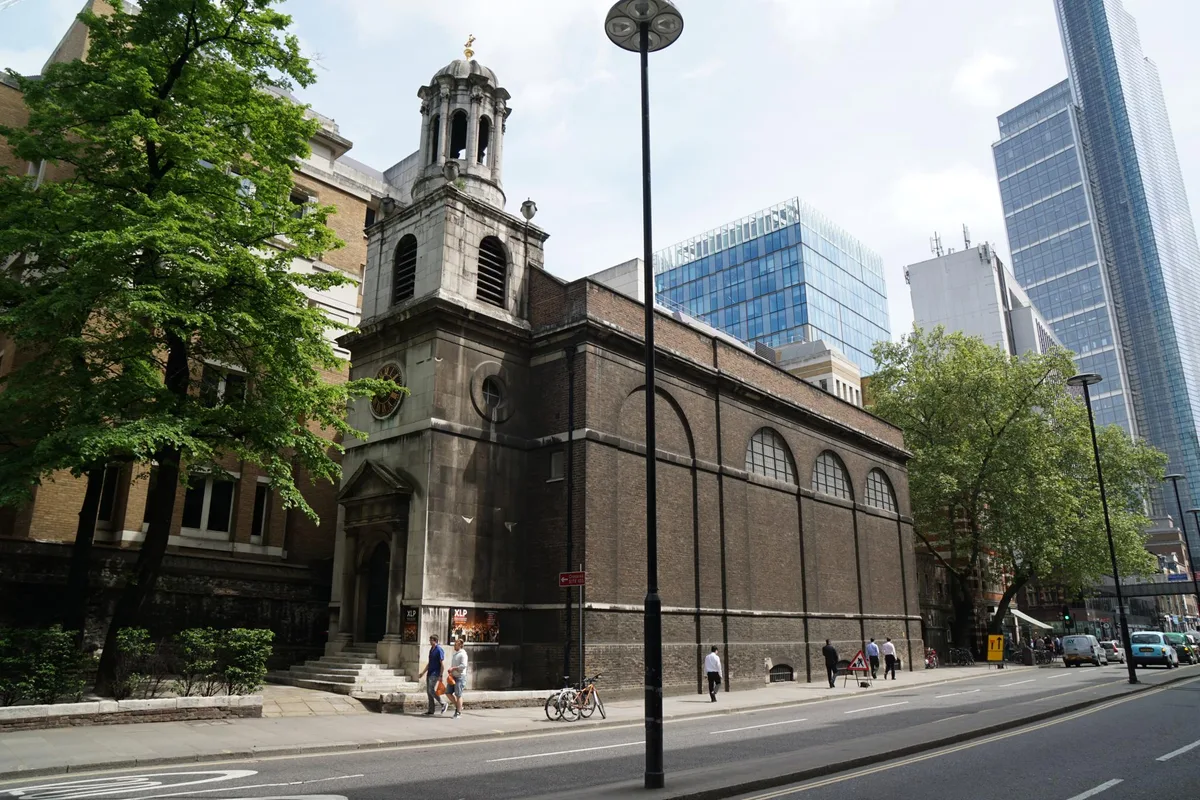
All Hallows-on-the-Wall
All Hallows-on-the-Wall — church in City of London, UK.
 📷 5
📷 5Historic churches · London
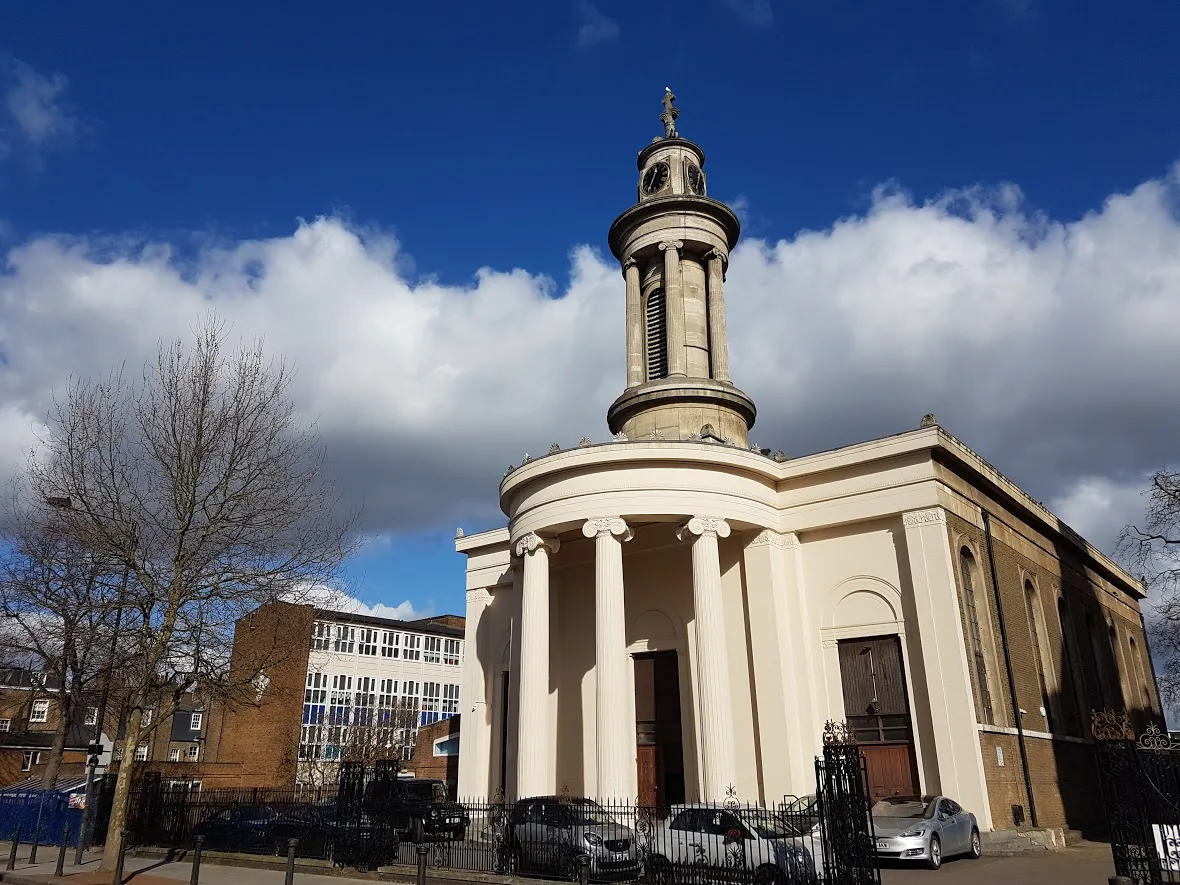
All Saints, Camden Town
All Saints, Camden Town — Greek Orthodox cathedral church in London, UK.
 📷 5
📷 5Historic churches · London
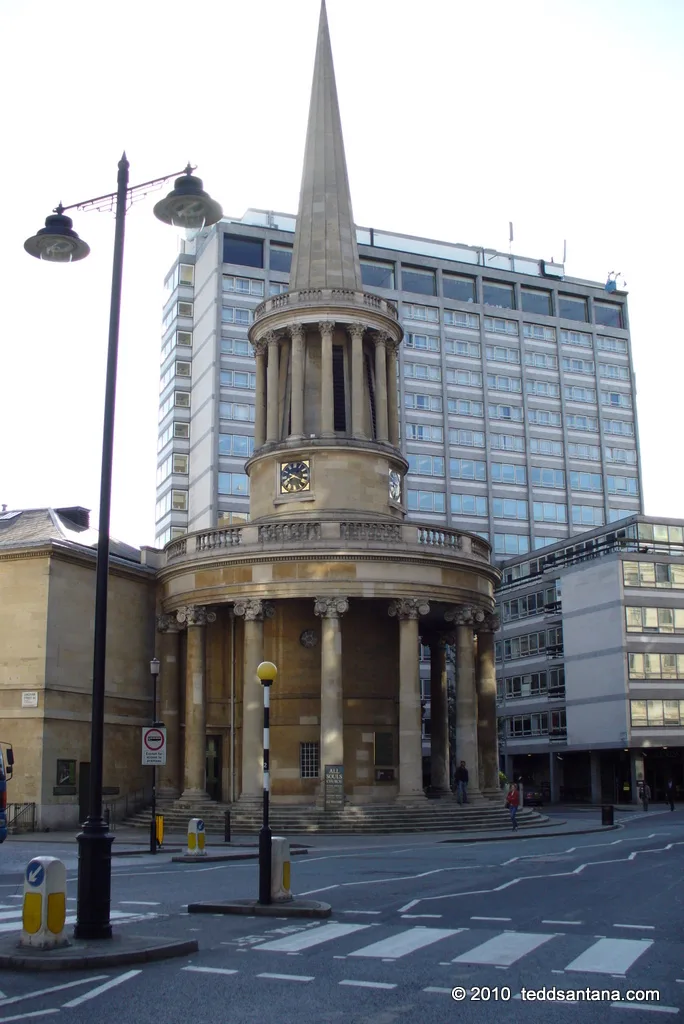
All Souls Church, Langham Place
All Souls Church, Langham Place — church building in Westminster, London, England, UK.
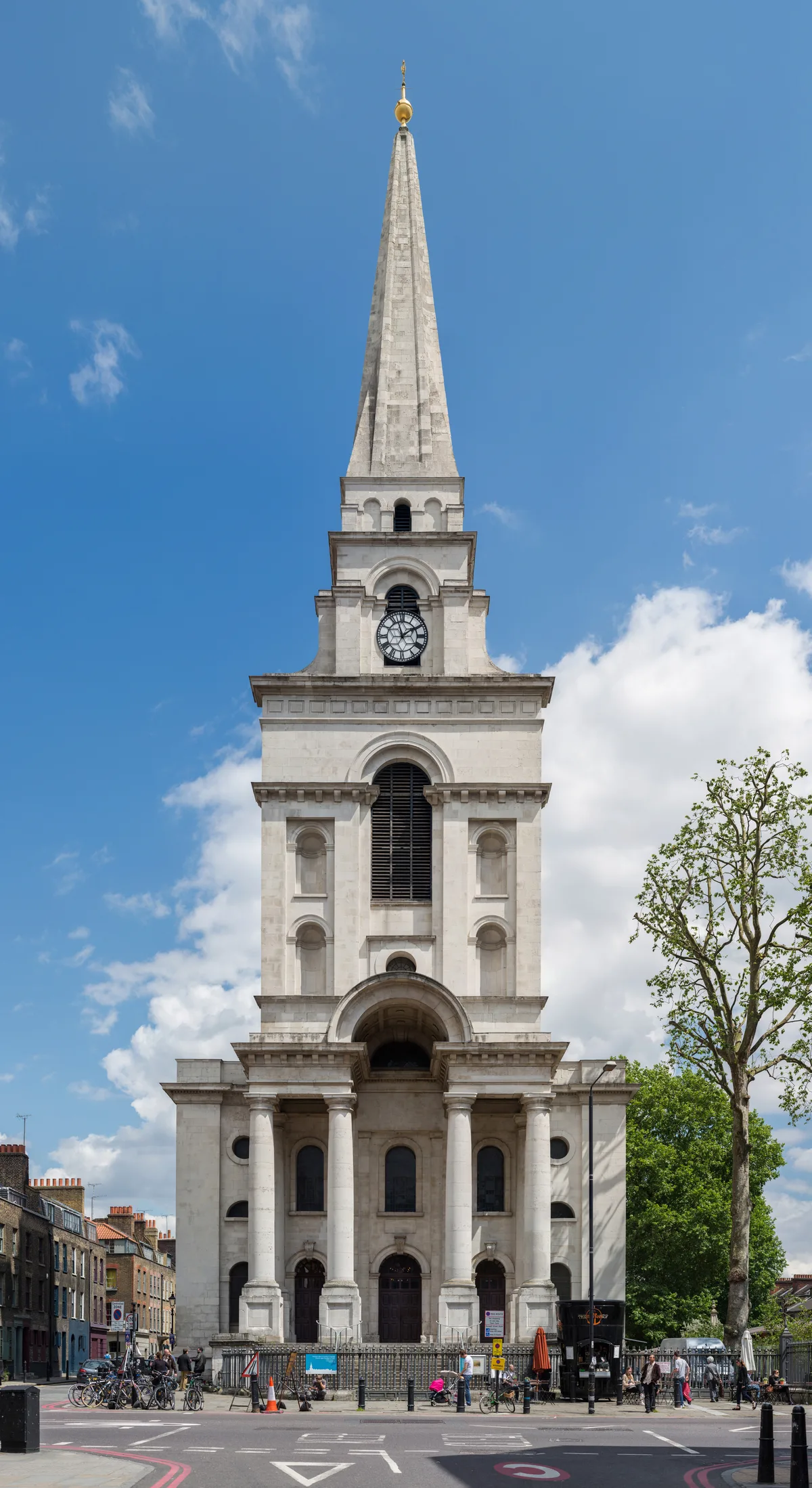 📷 5
📷 5Historic churches · London
Christ Church, Spitalfields
Christ Church, Spitalfields — church in Spitalfields, London.
More places in this region
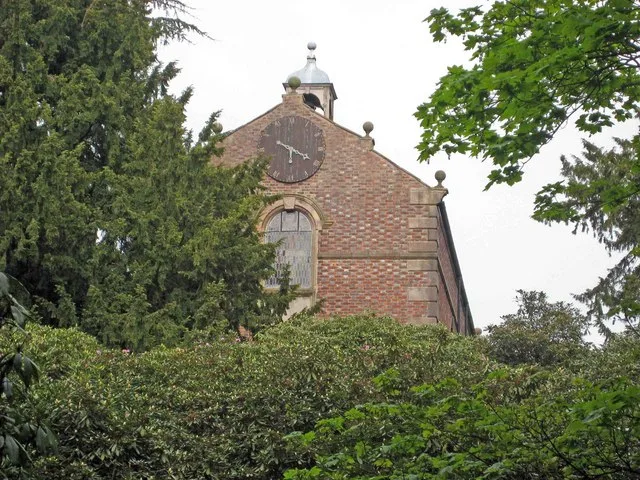 📷 3
📷 3Historic churches · North West England
All Saints Chapel, Somerford
All Saints Chapel, Somerford — church in Cheshire East, Cheshire, England, UK.
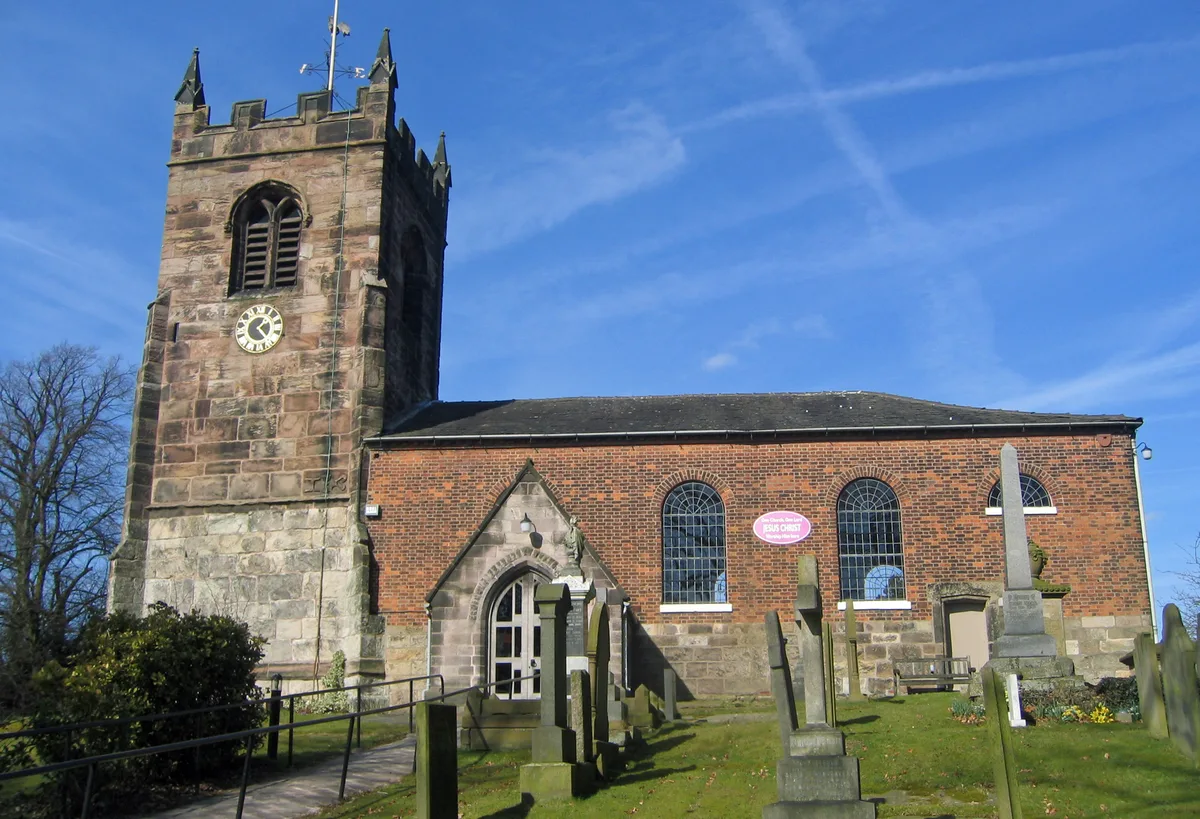 📷 3
📷 3Historic churches · North West England
All Saints Church, Church Lawton
All Saints Church, Church Lawton — Grade II* listed church in Church Lawton, Cheshire East, Cheshire, England, UK.
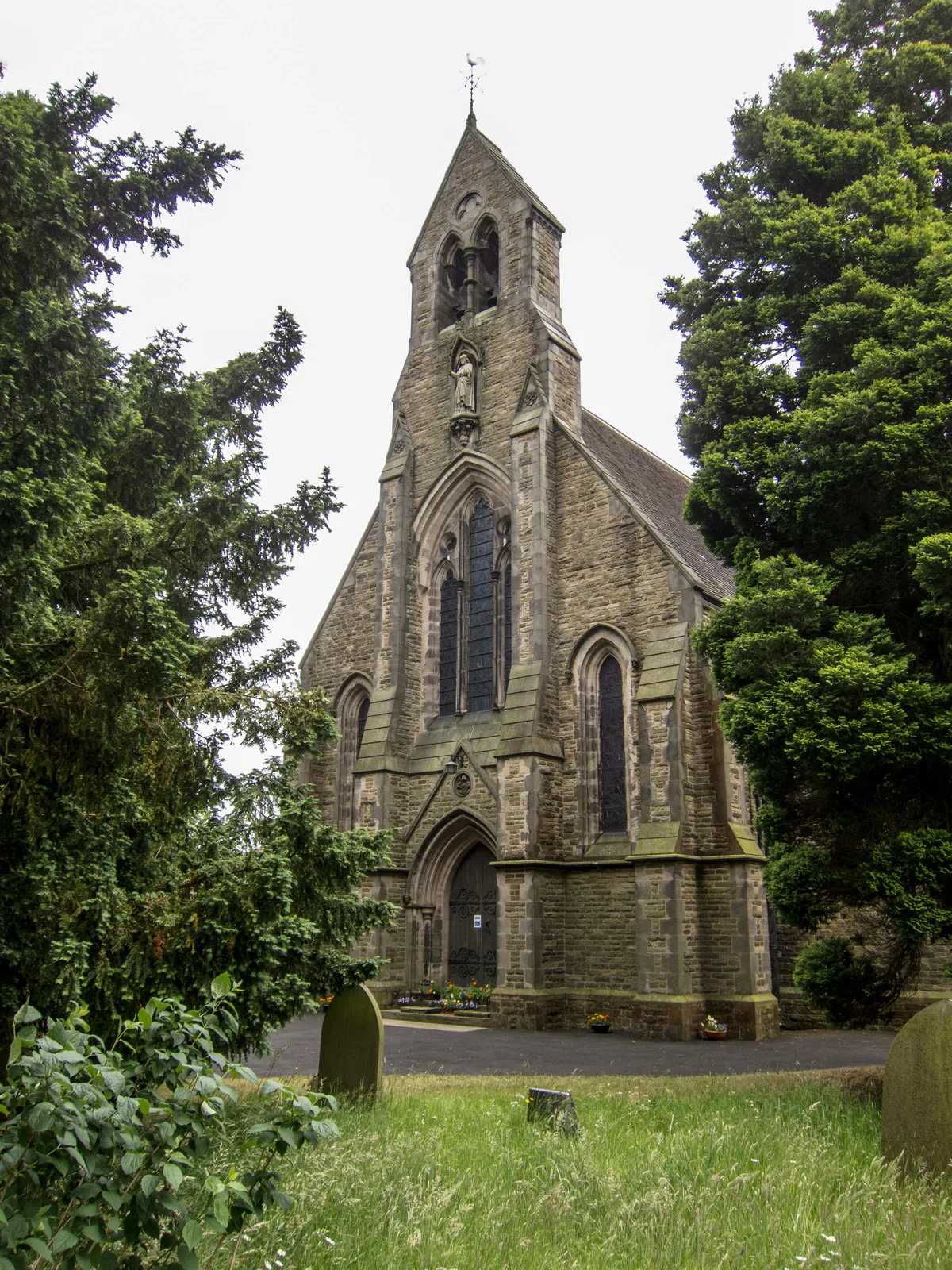 📷 3
📷 3Historic churches · North West England
All Saints Church, Scholar Green
All Saints Church, Scholar Green — church in Cheshire East, Cheshire, England, UK.
 📷 3
📷 3Historic churches · North West England
All Saints Church, Siddington
All Saints Church, Siddington — church in Cheshire East, Cheshire, England, UK.
Frequently asked questions
- Where is Old St John the Baptist's Church, Pilling?
- Old St John the Baptist's Church, Pilling is in Lancashire, North-West England, United Kingdom (postcode PR3 6HB), in the parish of Pilling.
- What is Old St John the Baptist's Church, Pilling?
- Old St John the Baptist's Church, Pilling — church in Pilling, Wyre, Lancashire, England, UK.
- How do I get to Old St John the Baptist's Church, Pilling?
- The nearest town is Winmarleigh. Drivers can use postcode PR3 6HB.
- When was Old St John the Baptist's Church, Pilling built?
- Built or established in 1717.
- Is Old St John the Baptist's Church, Pilling a listed building?
- Old St John the Baptist's Church, Pilling is officially recognised as Grade II* listed building listed.
- Is Old St John the Baptist's Church, Pilling a protected site?
- Yes — Old St John the Baptist's Church, Pilling is part of the Lune Estuary SSSI Site of Special Scientific Interest and the Morecambe Bay Ramsar wetland.
- Is Old St John the Baptist's Church, Pilling free to visit?
- Yes, Old St John the Baptist's Church, Pilling is free to enter.
- How do I get to Old St John the Baptist's Church, Pilling?
- Drivers can navigate to postcode PR3 6HB. It sits within the Lancaster and Wyre parliamentary constituency.