
Historic churches · North West England
Octagon Chapel, Liverpool
In or near Liverpool.
Octagon Chapel, Liverpool — church in Liverpool, UK.

Wikimedia Commons contributors — see linked file page for photographer and licence licence

Plan your visit
- Typical visit
- 30 min–1 h
- Nearest railway station
- Moorfields · 0.3 km
- Paid entry
About
Octagon Chapel, Liverpool is a historic church in the United Kingdom. Wikidata describes it as: "church in Liverpool, UK". Coordinates: 53.4068°, -2.9860°.
Photo gallery
Official information
The Liverpool Beatles Museum showcases one of the largest collections of Beatles memorabilia in the world, featuring over 1000 authentic items. Visitors can explore the band's history from their early days to their rise to fame, with exhibits including original instruments, personal letters, and exclusive interviews.
From the Wikipedia article
The Octagon Chapel, Liverpool, was a nonconformist church in Liverpool, England, opened in 1763. It was founded by local congregations, those of Benn's Garden and Kaye Street chapels. The aim was to use a non-sectarian liturgy; Thomas Bentley was a major figure in founding the chapel, and had a hand in the liturgy.
Excerpt from Wikipedia under CC BY-SA 4.0. See the source article linked in Sources below.
Background
History
The dissenting group in Liverpool in the middle of the eighteenth century was in numerical terms shrinking. Many from congregations had conformed to the Church of England. A plan for a set liturgy, as a method of reform of dissenting services, was proposed by some Lancashire ministers in 1750. Despite open opposition by John Brekell from 1758, who by then had been ministering at the Kaye Street Chapel for nearly 30 years, the compilation of a new liturgy went ahead. The Kaye Street Chapel (also Key Street) dated from 1707, and belonged to the Warrington presbyterian classis. The Benn's Garden Chapel in Red Cross Street, Liverpool, dated from 1727 and had been built for the Presbyterian…
Architecture
As the name suggests, the building had eight sides, like the Octagon Chapel, Norwich (1756, Thomas Ivory). The chapel was to a design by Joseph Finney, and was built in Temple Court. Nicholas Clayton, of Unitarian views, accepted an invitation to become the first minister there; the appointment was joint with Hezekiah Kirkpatrick. The congregation were nicknamed the Octagonians. but the chapel's existence depended very much on Bentley, who eventually moved to London. The experimental liturgy did not gain the anticipated support, from those in the founding congregations who did not want to use the Book of Common Prayer. The chapel was sold in 1776, to a clergyman, Rev. Plumbe, Rector of…
Description
The liturgy of the Octagon Chapel became known as the Liverpool Liturgy. It was written by Philip Holland and Richard Godwin, and was published in 1763, as edited by John Seddon. Among the hymns chosen was one by Elizabeth Scott, later arranged by John Broderip. The Octagonian psalms, at least, became known to Thomas Jefferson. the liturgy proved controversial and even divisive. Seddon and Holland were founders of the nearby Warrington Academy: John Taylor, who was a tutor there, opposed the liturgy from before the time of its publication. Seddon and Taylor had in fact a profound disagreement on the suitability of the philosophy of Francis Hutcheson for the teaching at the academy; while…
Sourced from Wikipedia under CC BY-SA 4.0.
- Coordinates
- 53.4068, -2.9860
- District
- Liverpool
- Parish
- Liverpool, unparished area
- Postcode
- L1 6DA
- Parliamentary constituency
- Liverpool Riverside
- Nearest railway station
- Moorfields — 0.3 km
Sources
- wikidata: Q15263397 (CC0)
- wikipedia: Octagon Chapel, Liverpool (CC BY-SA 4.0)
- commons: Octagon Chapel, Liverpool.jpg (CC BY-SA 4.0)
Other places nearby

Eleanor Rigby statue
Public art & sculpture · 0.0 km

Eleanor Rigby statue
Public art & sculpture · 0.0 km

YHA Liverpool Central
Hostels · 0.1 km

Everyman
Cinemas · 0.1 km

Cavern Mecca
Museums · 0.1 km
Flanagan's Apple
Historic pubs · 0.1 km
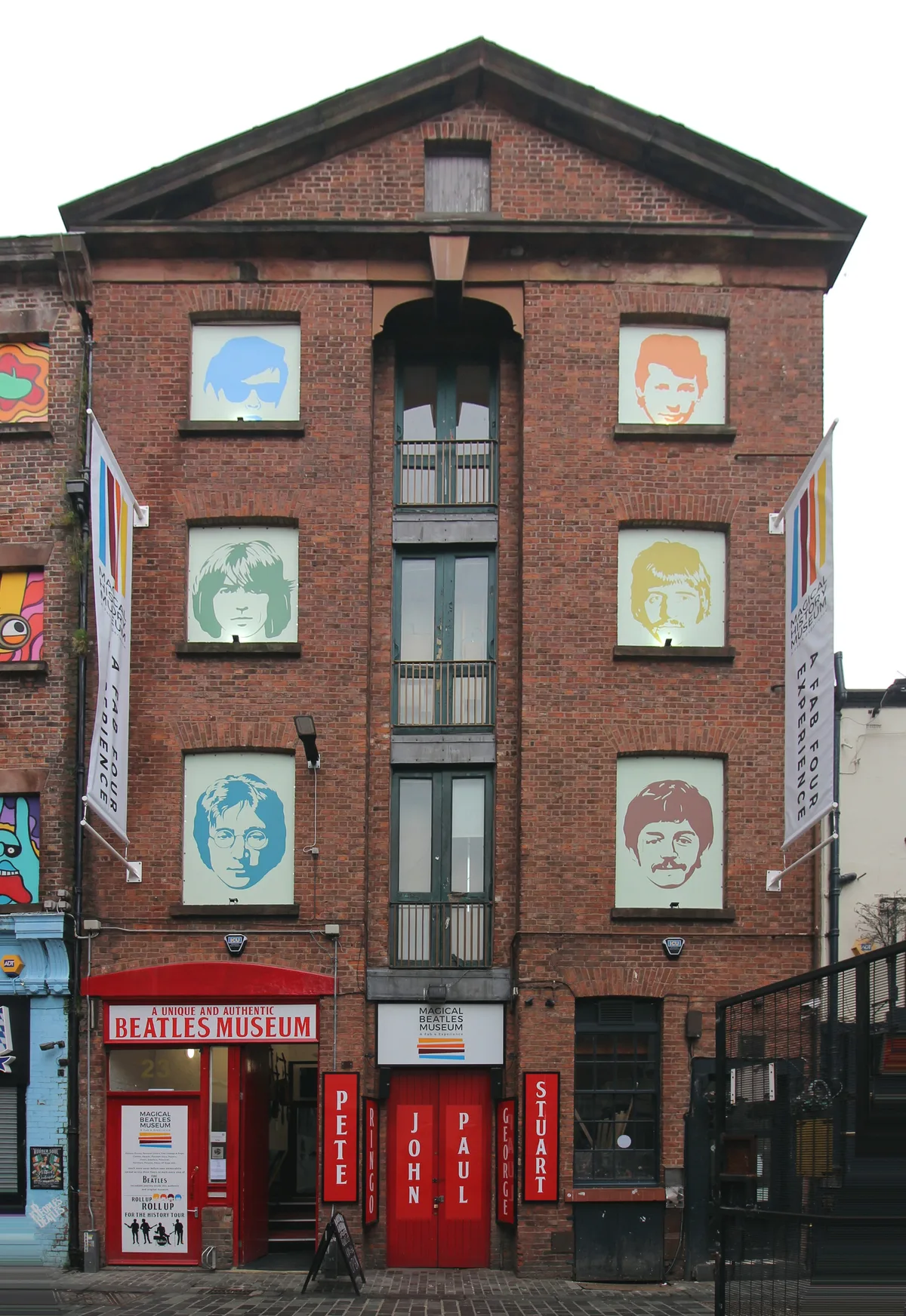
Liverpool Beatles Museum
Museums · 0.1 km
Harrington Street Mural
Public art & sculpture · 0.1 km

Cilla Black statue
Public art & sculpture · 0.1 km

National Conservation Centre
Historic houses · 0.1 km

Theatre Royal, Liverpool
Open-air theatres · 0.1 km

Fowler's Buildings
Gardens · 0.2 km
Nearby
📷 4Public art & sculpture · North West England
Eleanor Rigby statue
Eleanor Rigby statue — Public artwork (statue).
📷 4Public art & sculpture · North West England
Eleanor Rigby statue
Eleanor Rigby statue in Wales North, United Kingdom.
📷 5Hostels · North West England
YHA Liverpool Central
YHA Liverpool Central — a hostel in wales north. Brand: Youth Hostels Association.
📷 5📷 5Museums · North West England
Cavern Mecca
The Cavern Mecca was a Beatles museum in Liverpool. Founded in 1981 and named for the Cavern Club, it was instrumental in the birth of Beatles fan-based tourism in Liverpool. It was located on the cor
📷 5Historic pubs · North West England
Flanagan's Apple
Flanagan's Apple in Wales North, United Kingdom.
Where to eat & stay near Octagon Chapel, Liverpool
Places to stay
📷 5Hostels · North West England
YHA Liverpool Central
YHA Liverpool Central — a hostel in wales north. Brand: Youth Hostels Association.
 📷 5
📷 5Hotels · North West England
DoubleTree by Hilton Hotel & Spa Liverpool
DoubleTree by Hilton Hotel & Spa Liverpool — a hotel in wales north. 4-star. Brand: DoubleTree.
 📷 5
📷 5Hotels · North West England
Hard Days Night Hotel
Hard Days Night Hotel — a hotel in wales north.
 📷 5
📷 5Hotels · North West England
The Shankly Hotel
The Shankly Hotel — a hotel in wales north.
 📷 5
📷 5Hotels · North West England
Hilton Liverpool City Centre
Hilton Liverpool City Centre — a hotel in wales north.
 📷 5
📷 5Hotels · North West England
Atlantic Tower Hotel
Atlantic Tower Hotel — a hotel in wales north.
Places to eat & drink
📷 5Historic pubs · North West England
Flanagan's Apple
Flanagan's Apple in Wales North, United Kingdom.
 📷 5
📷 5Historic pubs · North West England
Rigby's Buildings
Rigby's Buildings in Wales North, United Kingdom.
 📷 5
📷 5Historic pubs · North West England
Crown Hotel
Crown Hotel in Wales North, United Kingdom.
 📷 6
📷 6Historic pubs · North West England
The Vines Public House
The Vines Public House in Wales North, United Kingdom.
 📷 5
📷 5Restaurants · North West England
Panoramic (restaurant)
Panoramic 34 is a restaurant and bar located on the 34th floor of West Tower, Liverpool. It is 300 feet above ground and claims to be 'one of the UK's highest restaurants' with views as far away as No
 📷 5
📷 5Historic pubs · North West England
Baltic Fleet
Baltic Fleet — Historic pub — listed building or notable heritage status.
More places in this region
 📷 3
📷 3Historic churches · North West England
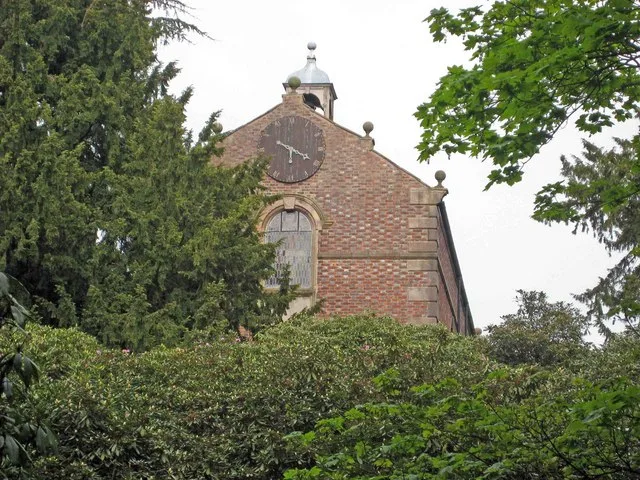
All Saints Chapel, Somerford
All Saints Chapel, Somerford — church in Cheshire East, Cheshire, England, UK.
 📷 3
📷 3Historic churches · North West England
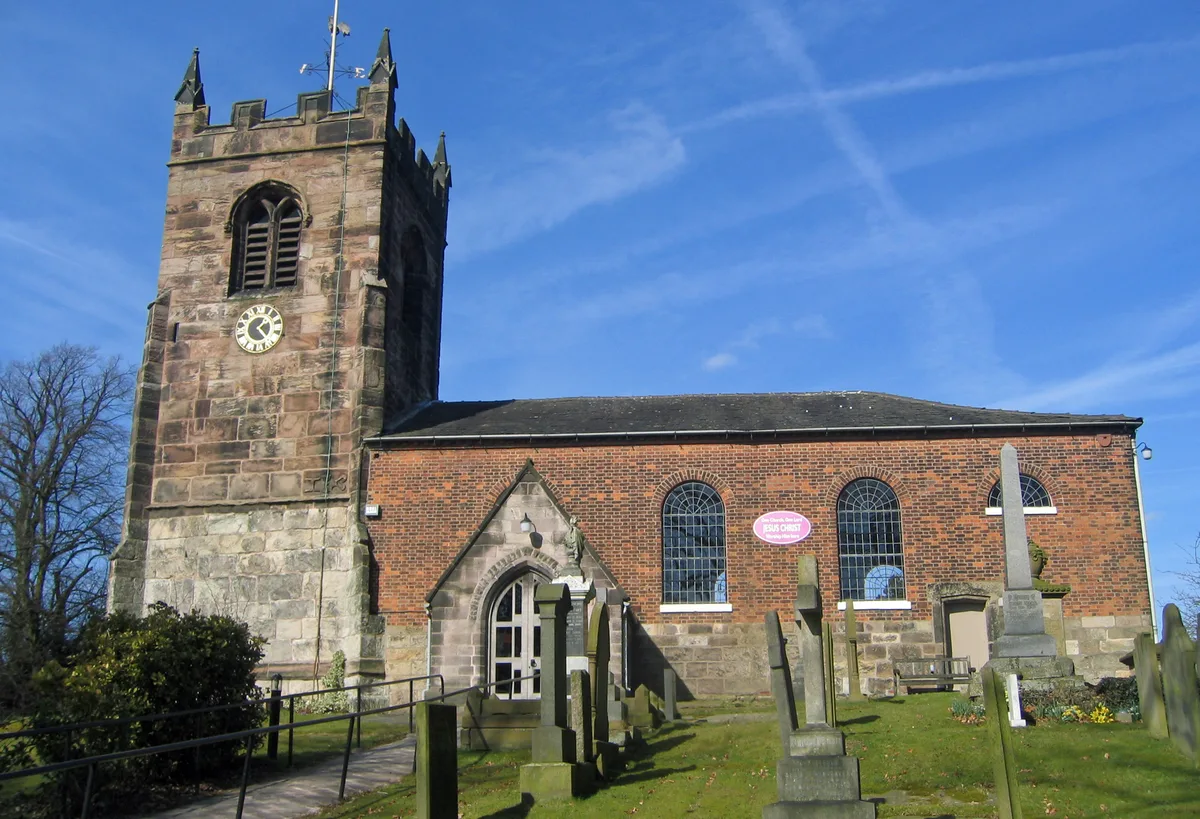
All Saints Church, Church Lawton
All Saints Church, Church Lawton — Grade II* listed church in Church Lawton, Cheshire East, Cheshire, England, UK.
 📷 3
📷 3Historic churches · North West England
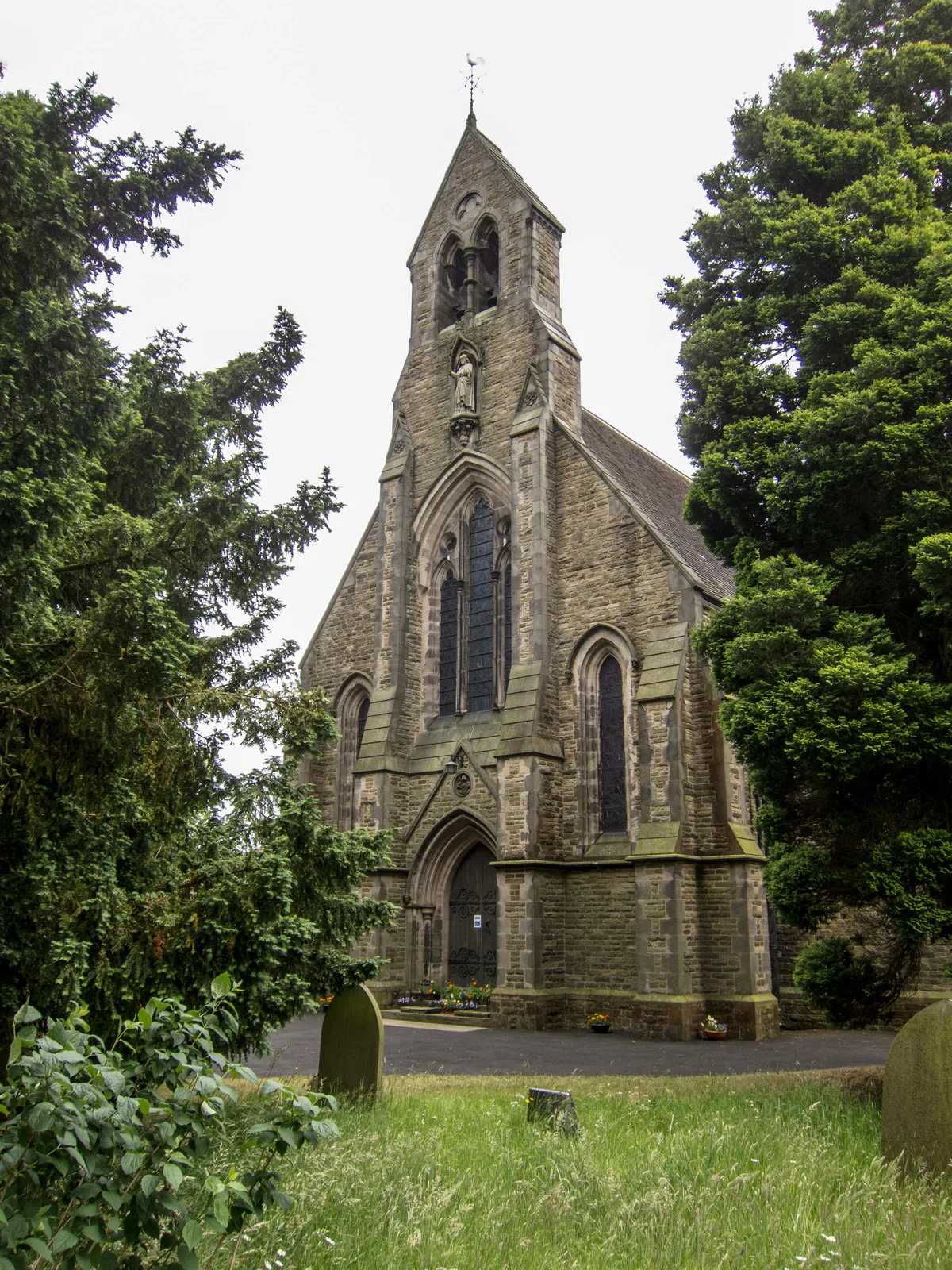
All Saints Church, Scholar Green
All Saints Church, Scholar Green — church in Cheshire East, Cheshire, England, UK.
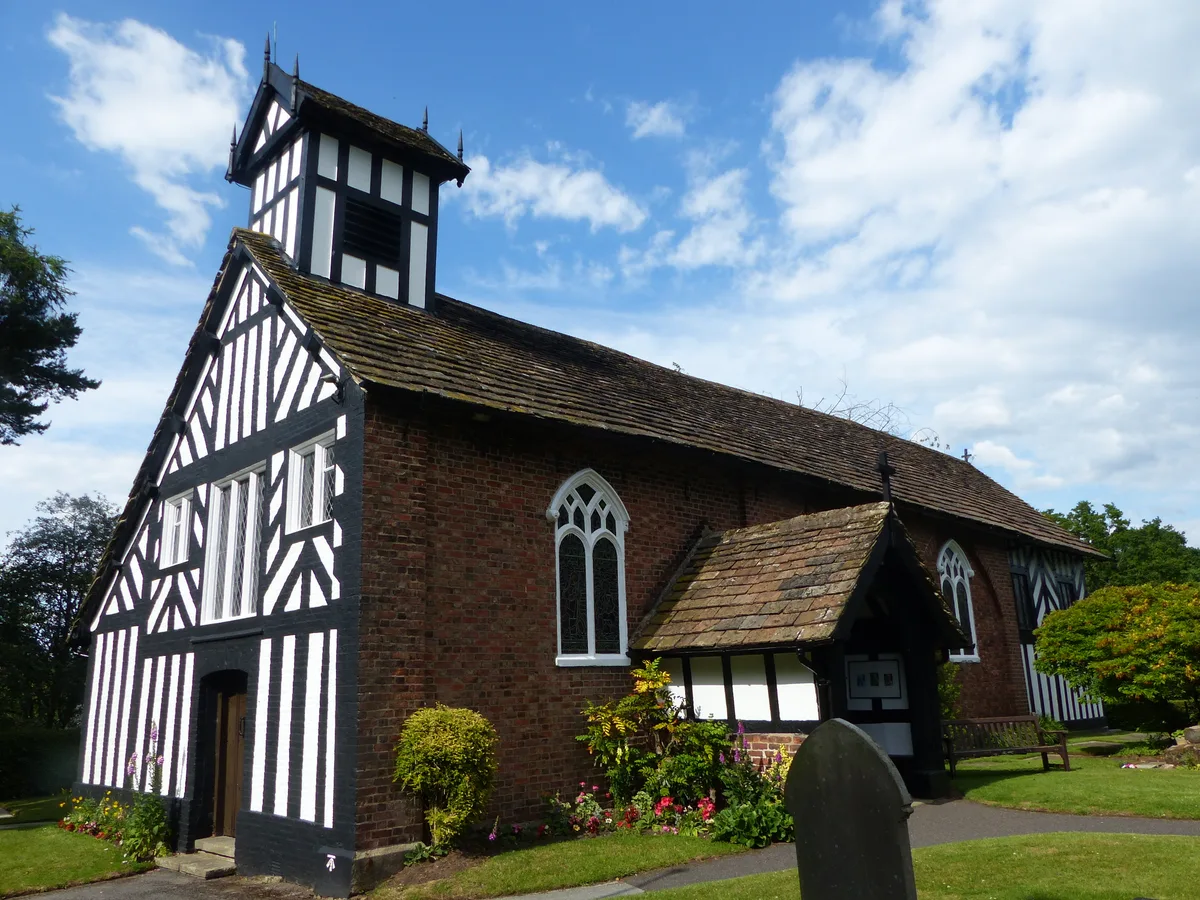 📷 3
📷 3Historic churches · North West England
All Saints Church, Siddington
All Saints Church, Siddington — church in Cheshire East, Cheshire, England, UK.
Frequently asked questions
- Where is Octagon Chapel, Liverpool?
- Octagon Chapel, Liverpool is in North-West England, United Kingdom (postcode L1 6DA), in the parish of Liverpool, unparished area.
- What is Octagon Chapel, Liverpool?
- Octagon Chapel, Liverpool — church in Liverpool, UK.
- How do I get to Octagon Chapel, Liverpool?
- The nearest railway station is Moorfields, about 0.3 km away. The nearest town is Liverpool. Drivers can use postcode L1 6DA.
- How do I get to Octagon Chapel, Liverpool?
- The nearest railway station is Moorfields, about 0.3 km away. Drivers can navigate to postcode L1 6DA.