
Abbeys & priories · North West England
Norton Priory Museum and Gardens
Also known as: Norton Priory
In or near Daresbury.
Norton Priory Museum and Gardens — historic site in Norton, Runcorn, Cheshire, England, United Kingdom.

Wikimedia Commons contributors — see linked file page for photographer and licence licence

Plan your visit
- Typical visit
- 45 min–1.5 h
- Nearest railway station
- Runcorn East · 1.9 km
- Paid entry
- Family-friendly
- Limited wheelchair access
Getting there & planning your visit
To visit Norton Priory Museum and Gardens, the nearest railway station is Runcorn East, located 1.9 km away. Entry is not free and is in the price band of $$. Accessibility is limited for wheelchair users.
About
Norton Priory Museum and Gardens is an abbey, priory, or monastic site in the United Kingdom. Records date its origin to 1134. Built in the Norman architecture style. Heritage designation: scheduled monument. Wikidata describes it as: "historic site in Norton, Runcorn, Cheshire, England, United Kingdom". Coordinates: 53.3423°, -2.6799°.
Photo gallery
Heritage listing
Norton Priory is a historic site in Norton, Runcorn, Cheshire, England, comprising the remains of an abbey complex dating from the 12th to 16th centuries, and an 18th-century country house; it is now a museum. The remains are a scheduled ancient monument and are recorded in the National Heritage List for England as a designated Grade I listed building. They are considered to be the most important monastic remains in Cheshire. The priory was established as an Augustinian foundation in the 12th century, and was raised to the status of an abbey in 1391. The abbey was closed in 1536, as part of the dissolution of the monasteries.
From the Historic England List Entry under OGL v3.
Summary from the official site
Norton Priory Museum & Gardens is a historical site in Cheshire, known for being the most excavated monastic site in Europe. Visitors can explore the 12th-century undercroft, priory ruins, and a beautiful Georgian walled garden, which features a variety of flora and fauna, including the National Collection of Tree Quince.
Read more on the official property page.
From the Wikipedia article
Norton Priory is a historic site in Norton, Runcorn, Cheshire, England, comprising the remains of an abbey complex dating from the 12th to 16th centuries, and an 18th-century country house; it is now a museum. The remains are a scheduled ancient monument and are recorded in the National Heritage List for England as a designated Grade I listed building. They are considered to be the most important monastic remains in Cheshire. The priory was established as an Augustinian foundation in the 12th century, and was raised to the status of an abbey in 1391. The abbey was closed in 1536, as part of the dissolution of the monasteries. Nine years later the surviving structures, together with the manor of Norton, were purchased by Sir Richard Brooke, who built a Tudor house on the site, incorporating part of the abbey. This was replaced in the 18th century by a Georgian house. The Brooke family left the house in 1921, and it was partially demolished in 1928. In 1966 the site was given in trust for the use of the general public. Excavation of the site began in 1971, and became the largest to be carried out by modern methods on any European monastic site. It revealed the foundations and lower parts of the walls of the monastery buildings and the abbey church. Important finds included: a Norman doorway; a finely carved arcade; a floor of mosaic tiles, the largest floor area of this type to be found in any modern excavation; the remains of the kiln where the tiles were fired; a bell casting pit used for casting the bell; and a large medieval statue of Saint Christopher. The priory was opened to the public as a visitor attraction in the 1970s. The 42-acre site, run by an independent charitable trust, includes a museum, the excavated ruins, and the surrounding garden and woodland. In 1984 the separate walled garden was redesigned and opened to the public. Norton Priory offers a programme of events, exhibitions, educational courses, and outreach projects. In August 2016, a larger…
Excerpt from Wikipedia under CC BY-SA 4.0. See the source article linked in Sources below.
Background
Visiting
Norton Priory is considered to be "a monastic site of international importance" and is "the most extensively excavated monastic site in Britain, if not Western Europe". The Trust owns and maintains many of the artefacts found during the excavations, and has created an electronic database to record all the acquisitions. In addition, it holds records relating to the excavations, including site notebooks and photographs. The area open to the public consists of a museum, the standing archaeological remains, 42 acres of garden and woodland, and the walled garden of the former house.
Sourced from Wikipedia under CC BY-SA 4.0.
- Coordinates
- 53.3423, -2.6799
- District
- Halton
- Parish
- Halton, unparished area
- Postcode
- WA7 1SX
- Parliamentary constituency
- Runcorn and Helsby
- Established
- 1134
- Nearest railway station
- Runcorn East — 1.9 km
- Official site
- nortonpriory.org
Sources
- wikidata: Q3403027 (CC0)
- wikipedia: Norton Priory (CC BY-SA 4.0)
- commons: Norton Priory.jpg (CC BY-SA 4.0)
Other places nearby

Norton Priory Museum and Gardens
Cathedrals · 0.0 km
Norton Priory
Abbeys & priories · 0.0 km
The small Summer House
Archaeological sites · 0.1 km
Replica Medieval Bell
Natural landmarks · 0.1 km

Phoenix Park
Country parks · 0.8 km

Windmill Hill
Mountains & hills · 0.9 km

Red Lodge,
Gardens · 1.1 km
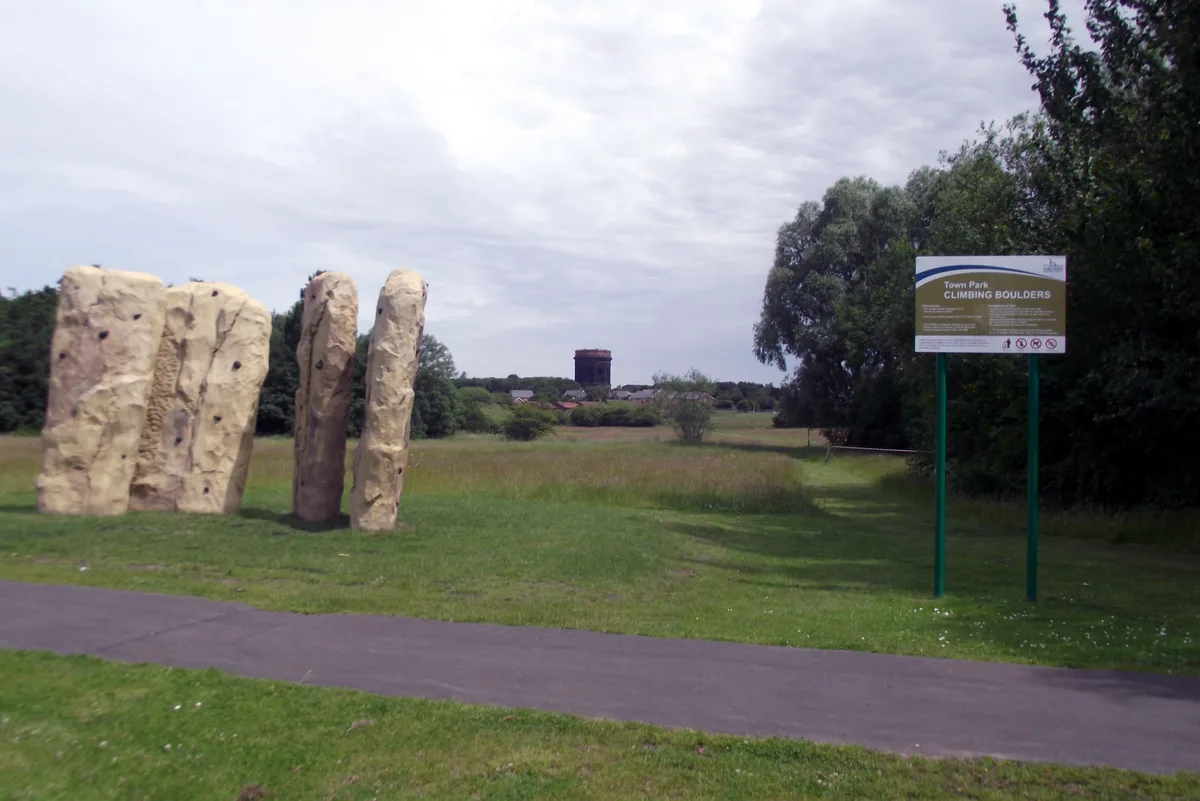
Town Park, Runcorn
Country parks · 1.2 km

Seneschal's House, Halton
Historic houses · 1.3 km

The Norton Arms Public House
Historic pubs · 1.3 km

Halton Old Hall
Historic houses · 1.4 km

Halton Hill
Mountains & hills · 1.5 km
Nearby
📷 4Cathedrals · North West England
Norton Priory Museum and Gardens
Norton Priory Museum and Gardens is a cathedral in the United Kingdom.
📷 3Abbeys & priories · North West England
Norton Priory
Norton Priory — a abbey in wales-north, United Kingdom.
📷 3Archaeological sites · North West England
The small Summer House
The small Summer House — a archaeological in wales-north, United Kingdom.
📷 3Natural landmarks · North West England
Replica Medieval Bell
Replica Medieval Bell — a other in wales-north, United Kingdom.
📷 3Country parks · North West England
Phoenix Park
Phoenix Park — park in Runcorn, Cheshire, England.
📷 5Mountains & hills · North West England
Windmill Hill
Windmill Hill — mountain in wales north. Elevation: 67 m.
Where to eat & stay near Norton Priory Museum and Gardens
Places to stay
 📷 5
📷 5Caravan parks · North West England
Small Acre Caravan Park
Small Acre Caravan Park — a caravan park in wales north.
 📷 5
📷 5 📷 5
📷 5Caravan parks · North West England
Meadow Bank Caravan Park
Meadow Bank Caravan Park — a caravan park in wales north.
 📷 5
📷 5 📷 5
📷 5 📷 5
📷 5Caravan parks · North West England
The Old Pumping Station
The Old Pumping Station — a caravan park in wales north.
Places to eat & drink
📷 5Historic pubs · North West England
The Norton Arms Public House
The Norton Arms Public House in Wales North, United Kingdom.
📷 5Historic pubs · North West England
Castle Hotel, Halton
Castle Hotel, Halton in Wales North, United Kingdom.
 📷 3
📷 3Historic pubs · North West England
Tricorn
Tricorn — Historic pub — listed building or notable heritage status.
 📷 5
📷 5Historic pubs · North West England
Bear's Paw Hotel, Frodsham
Bear's Paw Hotel, Frodsham in Wales North, United Kingdom.
 📷 5
📷 5Restaurants · North West England
Galleries Cafe
Galleries Cafe — a restaurant in wales north.
 📷 5
📷 5Historic pubs · North West England
The Wheatsheaf, St Helens
The Wheatsheaf, St Helens in Wales North, United Kingdom.
Other abbeys from this era
 📷 5
📷 5 📷 5
📷 5 📷 5
📷 5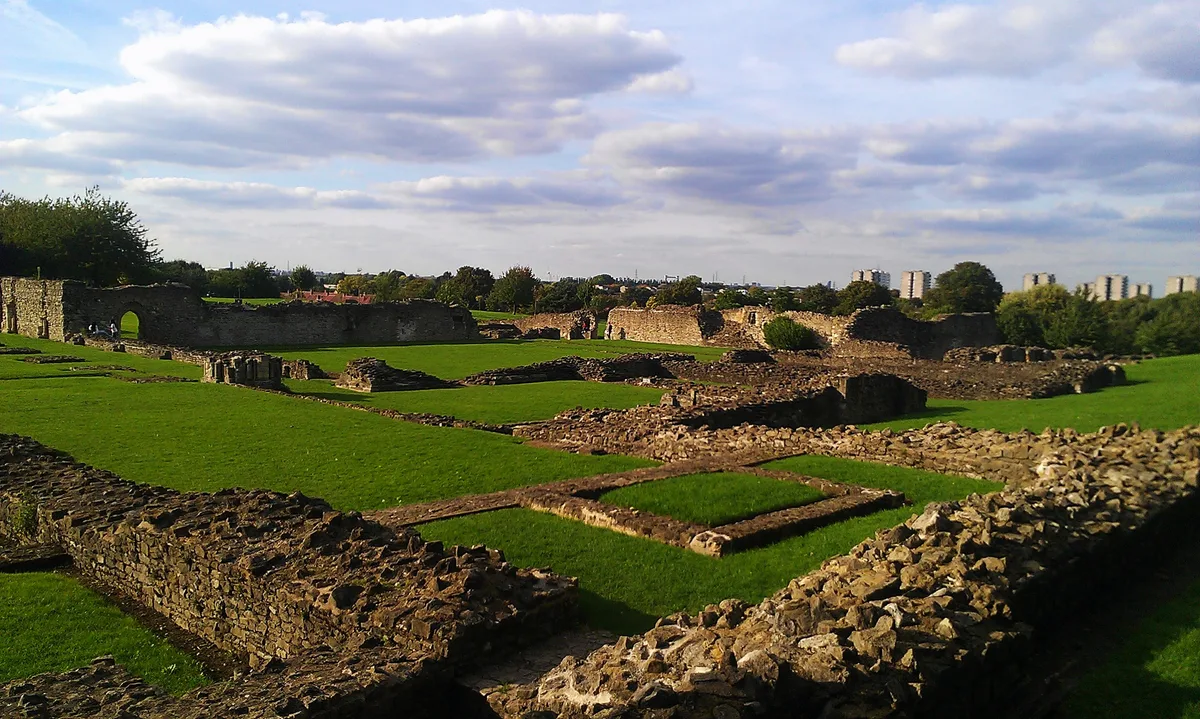 📷 5
📷 5Abbeys & priories · London
Lesnes Abbey
Lesnes Abbey — former abbey, now ruined, in Abbey Wood, London Borough of Bexley, England, UK.
More abbeys in this region
 ★ Iconic📷 3
Abbeys & priories · North West England
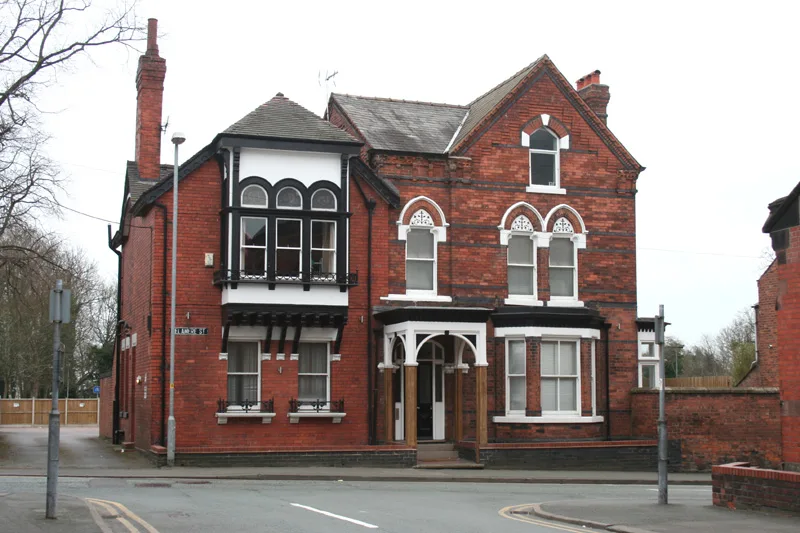
47, Delamere Street
47, Delamere Street — Grade II listed house in Crewe, Cheshire East, Cheshire, CW1.
 📷 3
📷 3Abbeys & priories · North West England
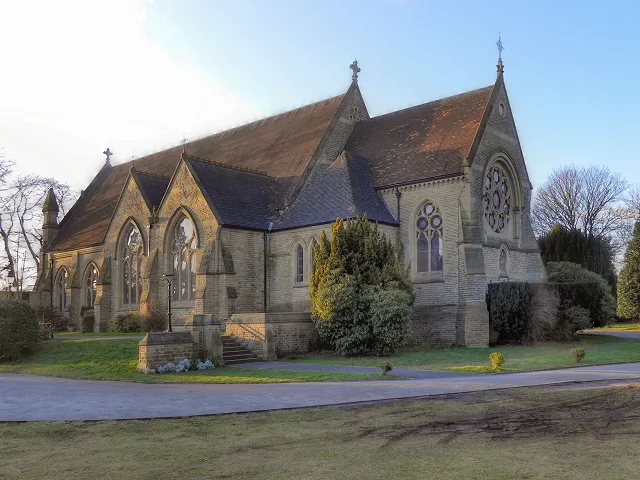
Church of St John the Divine, Brooklands
Church of St John the Divine, Brooklands — church in Trafford, Greater Manchester, England, UK.
 📷 5
📷 5Abbeys & priories · North West England
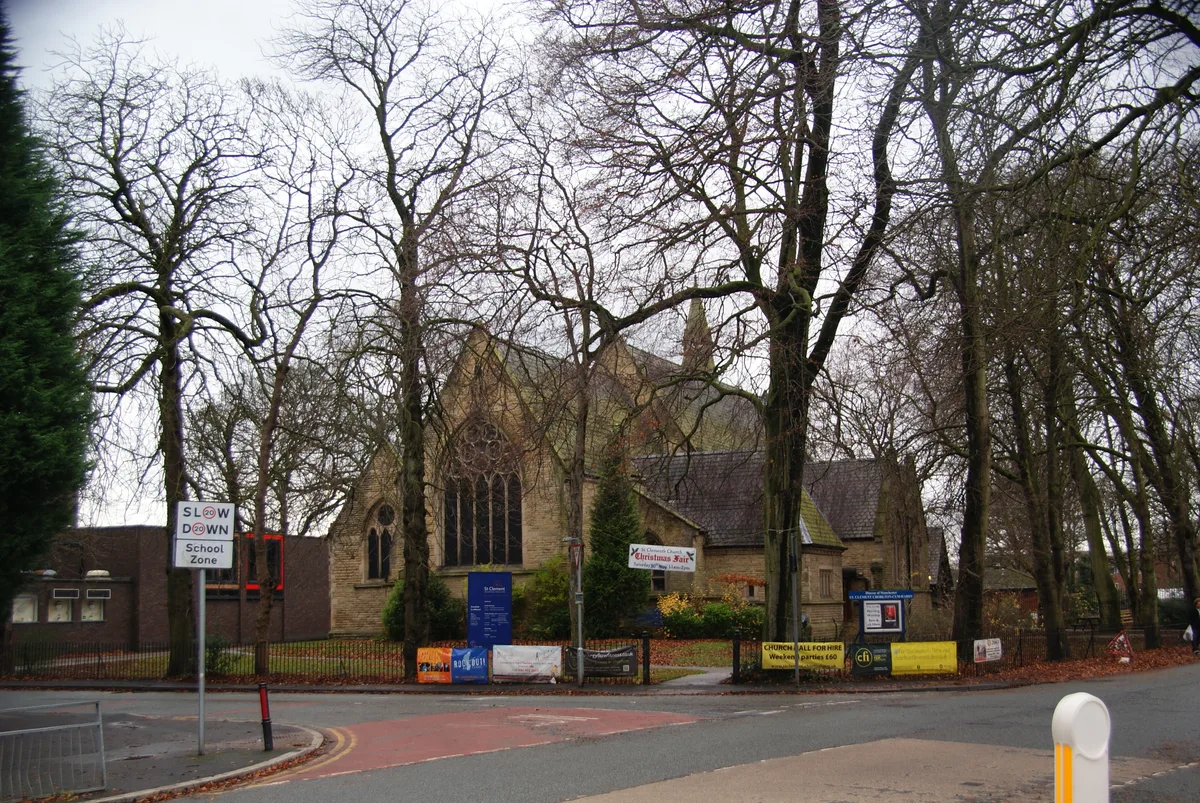
St Clement's Church
St Clement's Church — church in Chorlton-cum-Hardy, Manchester, England.
 📷 3
📷 3Abbeys & priories · North West England
St Clement's Church, Ordsall
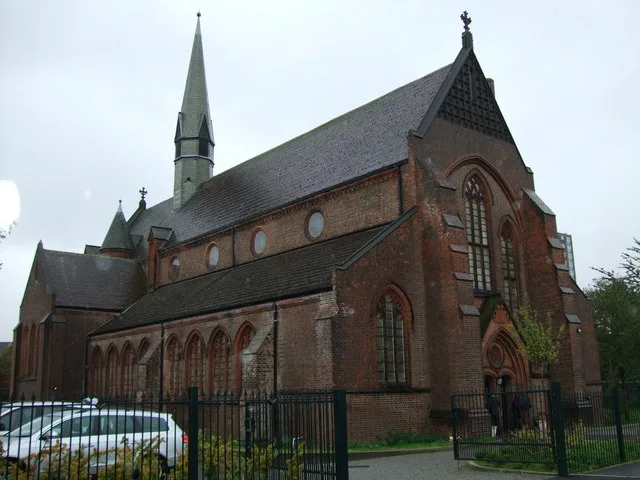
St Clement's Church, Ordsall — grade II listed church in Salford, Greater Manchester, England, UK.
Frequently asked questions
- Where is Norton Priory Museum and Gardens?
- Norton Priory Museum and Gardens is in North-West England, United Kingdom (postcode WA7 1SX), in the parish of Halton, unparished area.
- What is Norton Priory Museum and Gardens?
- Norton Priory Museum and Gardens — historic site in Norton, Runcorn, Cheshire, England, United Kingdom.
- How do I get to Norton Priory Museum and Gardens?
- The nearest railway station is Runcorn East, about 1.9 km away. The nearest town is Daresbury. Drivers can use postcode WA7 1SX.
- When was Norton Priory Museum and Gardens built?
- Built or established in 1134.
- Is Norton Priory Museum and Gardens a listed building?
- Norton Priory Museum and Gardens is officially recognised as scheduled monument listed.
- How do I get to Norton Priory Museum and Gardens?
- The nearest railway station is Runcorn East, about 1.9 km away. Drivers can navigate to postcode WA7 1SX.