
Historic houses · South East England
Norfolk Hotel
In or near Brighton and Hove.
Norfolk Hotel — a Grade II-listed historic house in england-south-east, United Kingdom.

Simon Carey — CC BY-SA 2.0 via Wikimedia Commons licence

Plan your visit
- Typical visit
- 1 h–2 h
- Nearest railway station
- Brighton · 1.2 km
- Family-friendly
- Limited wheelchair access
Getting there & planning your visit
To visit the Norfolk Hotel, the nearest railway station is Brighton, located 1.2 km away. The postcode for sat-nav is BN1 2PT. Please note that accessibility is limited.
About
Norfolk Hotel is a Grade II-listed building in england-south-east, United Kingdom. Grade II status is conferred by Historic England (or Cadw, Historic Environment Scotland or NIEA equivalents) on buildings of exceptional national interest. See the linked Wikipedia article for full historical and architectural details.
Photo gallery
360° viewimagery from 2026
Imagery © Mapillary contributors, CC BY-SA 4.0
From the Wikipedia article
The Norfolk Hotel (currently branded as the Mercure Brighton Seafront Hotel, and previously as the Ramada Jarvis Hotel Brighton and other names) is a 4-star hotel in the seaside resort of Brighton, part of the English city of Brighton and Hove. Designed in 1865 by architect Horatio Nelson Goulty, it replaced an earlier building called the Norfolk Inn and is one of several large Victorian hotels along the seafront. The French Renaissance Revival-style building, recalling E.M. Barry's major London hotels, is "tall, to make a show": the development of the passenger lift a few years earlier allowed larger hotels to be built. It is a Grade II listed building.
Excerpt from Wikipedia under CC BY-SA 4.0. See the source article linked in Sources below.
Background
History
West Street formed the western limit of development in Brighton until the end of the 18th century. At that time, the town was growing from a small fishing and agricultural settlement into a fashionable seaside resort. From 1800 on, seafront land that was formerly part of the West Laine was sold off in parcels to speculative builders. Some large-scale residential development took place, but it was only after 1820—when the road running parallel to the beach was widened and straightened to form a seafront promenade called Kings Road—that the area became easily accessible. The hotels, lodging houses and inns built along this stretch of road became the most popular and exclusive in the town at…
Architecture
Horatio Nelson Goulty designed the Norfolk Hotel in the French Renaissance Revival style, "perhaps to compete with the Grand" which, although larger, is similar in appearance. Closest in style to the Norfolk, though, were two contemporary hotels at major London railway stations that were designed by E.M. Barry: the Cannon Street Hotel (1861) and the Charing Cross Hotel (1864). The new building was taller than its predecessor, with five storeys and three large mansard roofs decorated with wrought ironwork. The south-facing façade is stuccoed, and its windows are set in segmental-arched architraves with prominent keystones. The ground floor projects and is enclosed by a modern glazed lobby…
Sourced from Wikipedia under CC BY-SA 4.0.
- Coordinates
- 50.8229, -0.1554
- District
- Brighton and Hove
- Parish
- Brighton and Hove, unparished area
- Postcode
- BN1 2PT
- Parliamentary constituency
- Brighton Pavilion
- Established
- 1866
- Nearest railway station
- Brighton — 1.2 km
- Official site
- almedinah.co.uk
Sources
- wikidata: Q16707754 (CC0)
- wikipedia: Norfolk Hotel, Brighton (CC BY-SA 4.0)
Other places nearby

Captain Edward Zeff
Memorials & monuments · 0.1 km

Peace Statue
Memorials & monuments · 0.1 km

Phase One Hostel
Hostels · 0.1 km

Sir Charles Barry
Memorials & monuments · 0.1 km
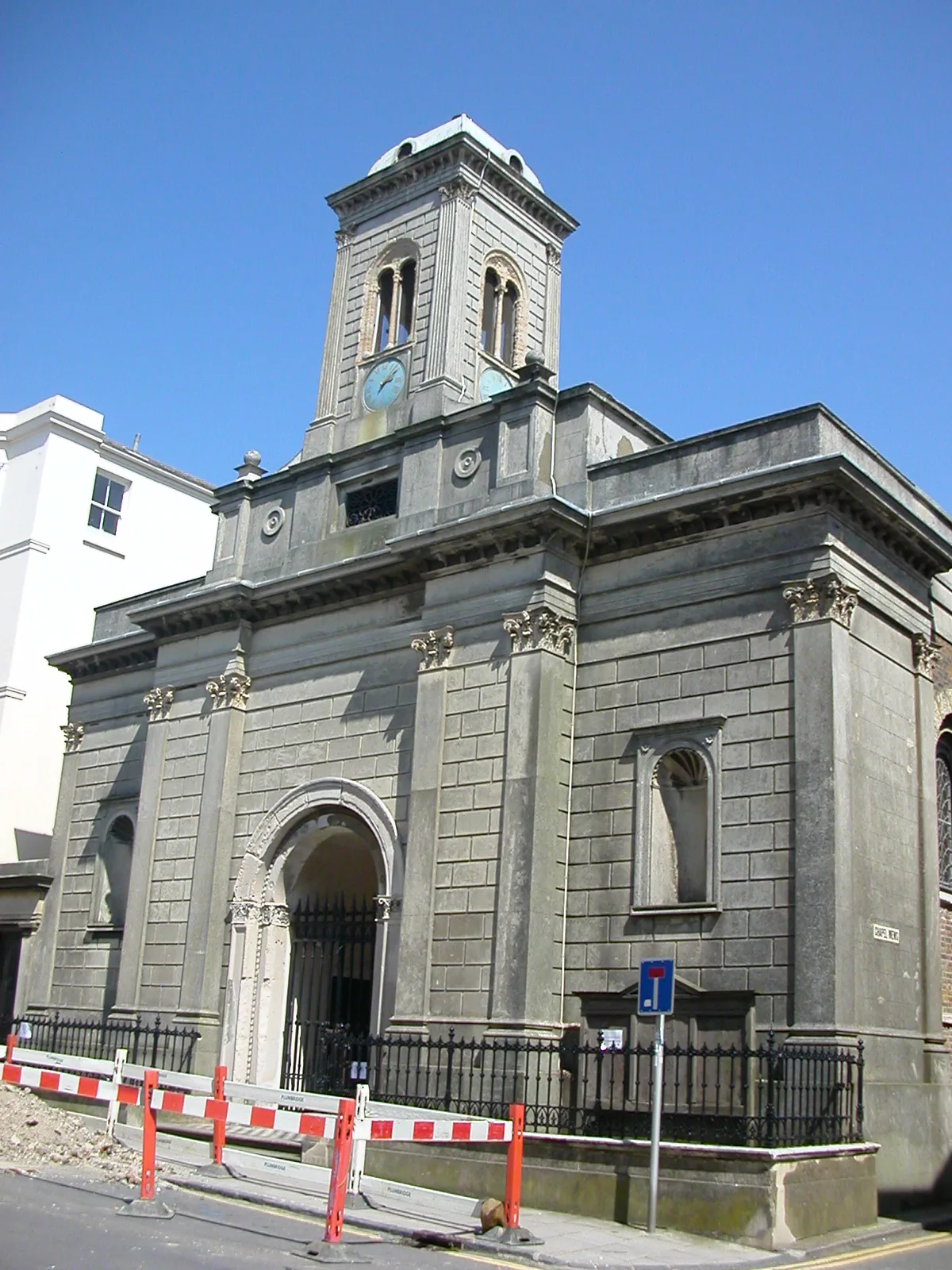
St Andrew's Church, Waterloo Street, Hove
Historic churches · 0.1 km

New Venture Theatre Club
Theatres · 0.2 km
Medina Mosque
Historic churches · 0.2 km

Dion Boucicault
Memorials & monuments · 0.2 km
New Venture Theatre
Theatres · 0.2 km

J. H. Round
Memorials & monuments · 0.2 km

The Lorax
Public art & sculpture · 0.2 km

Horace Smith
Memorials & monuments · 0.2 km
Nearby
📷 5Memorials & monuments · South East England
Captain Edward Zeff
Captain Edward Zeff — a memorial in england-south-east, United Kingdom.
📷 5Memorials & monuments · South East England
Peace Statue
Peace Statue is a memorial in the United Kingdom.
📷 5📷 5Memorials & monuments · South East England
Sir Charles Barry
Sir Charles Barry — a memorial in england-south-east, United Kingdom.
📷 5Historic churches · South East England
St Andrew's Church, Waterloo Street, Hove
St Andrew's Church, Waterloo Street, Hove — Grade I listed church in Hove, East Sussex, England, UK.
📷 5Theatres · South East England
New Venture Theatre Club
New Venture Theatre Club — Grade II listed building-listed theatre in england-south-east, United Kingdom.
Where to eat & stay near Norfolk Hotel
Places to stay
📷 5 📷 7
📷 7 📷 5
📷 5Hostels · South East England
Seadragons Backpackers
Seadragons Backpackers — a hostel in england south east.
📷 7Hotels · South East England
Selina Brighton
Selina Brighton — a hotel in england south east.
 📷 5
📷 5 📷 5
📷 5Places to eat & drink
 📷 7
📷 7 📷 5
📷 5Historic pubs · South East England
Freemasons Tavern
Freemasons Tavern in England South East, United Kingdom.
 📷 5
📷 5 📷 5
📷 5Cafés · South East England
Caffè Nero
Caffè Nero — a café in england south east. Cuisine: coffee shop. Brand: Caffè Nero.
 📷 5
📷 5Historic pubs · South East England
The Post and Telegraph
The Post and Telegraph in England South East, United Kingdom.
 📷 5
📷 5Restaurants · South East England
Bella Italia
Bella Italia — a restaurant in england south east. Cuisine: italian. Brand: Bella Italia.
More historic houses in this region
 📷 5
📷 5Historic houses · South East England
12 and 14 High Street, Rochester
12 and 14 High Street, Rochester — building in Rochester, Kent, England, UK.
 📷 5
📷 5Historic houses · South East England
Berkeley House
Berkeley House — house in Rochester, Kent, England, UK.
.jpg?width=1200) 📷 5
📷 5Historic houses · South East England
Betchworth House
Betchworth House — house in Betchworth, Mole Valley, England, UK.
 📷 5
📷 5Historic houses · South East England
Bookham Grove
Bookham Grove — building in Mole Valley, Surrey, England, UK.
Frequently asked questions
- Where is Norfolk Hotel?
- Norfolk Hotel is in South-East England, United Kingdom (postcode BN1 2PT), in the parish of Brighton and Hove, unparished area.
- What is Norfolk Hotel?
- Norfolk Hotel — a Grade II-listed historic house in england-south-east, United Kingdom.
- How do I get to Norfolk Hotel?
- The nearest railway station is Brighton, about 1.2 km away. The nearest town is Brighton and Hove. Drivers can use postcode BN1 2PT.
- When was Norfolk Hotel built?
- Built or established in 1866. Designed by Horatio Nelson Goulty.
- Who owns Norfolk Hotel?
- Norfolk Hotel is owned by Accor S.A..
- Is Norfolk Hotel a listed building?
- Norfolk Hotel is officially recognised as Grade II listed.
- How do I get to Norfolk Hotel?
- The nearest railway station is Brighton, about 1.2 km away. Drivers can navigate to postcode BN1 2PT.