
Museums · East of England
Newmarket, Suffolk
In or near Moulton.
Newmarket is a market town and civil parish in the West Suffolk district of Suffolk, England, 14 miles west of Bury St Edmunds and 14 miles northeast of Cambridge. The population in 2021 was 16,772. T

Dave Thompson — CC BY-SA 2.0 via Wikimedia Commons licence

Plan your visit
- Typical visit
- 1.5 h–3 h
- Best time of year
- Year-round
- Nearest railway station
- Newmarket · 0.9 km
- Family-friendly
- Limited wheelchair access
Getting there & planning your visit
To visit Newmarket, Suffolk, the nearest railway station is Newmarket, located 0.9 km away. The postcode for sat-nav is CB8 7BP. Please note that wheelchair accessibility is limited.
About
Newmarket is a market town and civil parish in the West Suffolk district of Suffolk, England, 14 miles west of Bury St Edmunds and 14 miles northeast of Cambridge. The population in 2021 was 16,772. The town is known as a centre for the breeding, training and racing of thoroughbred horses, being home to two racecourses, about seventy training yards, some 3,000 horses, over sixty stud farms, two equine hospitals, the British Racing School, Tattersalls auction sales, the Jockey Club Rooms, the National Horseracing Museum, and racing charities. The Rowley Mile racecourse hosts two British Classic Races. Between them, the two racecourses hold races on 39 days every year, more than any other town in Britain. Newmarket originated in the early thirteenth century, when the lord of the manor of Exning was granted a charter to hold a weekly market. During the Tudor period, it served the needs of travellers on the London to Norwich road with a number of inns and alehouses. The town has enjoyed royal patronage since the seventeenth century, when James I, Charles I and Charles II made Newmarket Palace their base for sporting activities. Until the late nineteenth century, Newmarket was divided down the middle of the High Street into two parishes: St Mary's in Suffolk to the north and All Saints in Cambridgeshire to the south. From 1889 to 1974, the town was part of the county of West Suffolk, and since 1974 has been part of the West Suffolk district in the county of Suffolk.
Photo gallery
Summary from the official site
The National Horseracing Museum is located in Newmarket and showcases the history of horseracing through interactive displays and exhibitions. Visitors can explore the museum's galleries, meet former racehorses in the Rothschild Yard, and enjoy the historic setting of Palace House, which was part of King Charles II's sporting palace.
Read more on the official property page.
Protected designations
- Site of Special Scientific Interest: Newmarket Heath SSSI
- Site of Special Scientific Interest: Devil's Dyke SSSI
Designations sourced from Natural England open data under OGL v3.
From the Wikipedia article
Newmarket is a market town and civil parish in the West Suffolk district of Suffolk, England, 14 miles west of Bury St Edmunds and 14 miles northeast of Cambridge. The population in 2021 was 16,772. The town is known as a centre for the breeding, training and racing of thoroughbred horses, being home to two racecourses, about seventy training yards, some 3,000 horses, over sixty stud farms, two equine hospitals, the British Racing School, Tattersalls auction sales, the Jockey Club Rooms, the National Horseracing Museum, and racing charities. The Rowley Mile racecourse hosts two British Classic Races. Between them, the two racecourses hold races on 39 days every year, more than any other town in Britain. Newmarket originated in the early thirteenth century, when the lord of the manor of Exning was granted a charter to hold a weekly market. During the Tudor period, it served the needs of travellers on the London to Norwich road with a number of inns and alehouses. The town has enjoyed royal patronage since the seventeenth century, when James I, Charles I and Charles II made Newmarket Palace their base for sporting activities. Until the late nineteenth century, Newmarket was divided down the middle of the High Street into two parishes: St Mary's in Suffolk to the north and All Saints in Cambridgeshire to the south. From 1889 to 1974, the town was part of the county of West Suffolk, and since 1974 has been part of the West Suffolk district in the county of Suffolk.
Excerpt from Wikipedia under CC BY-SA 4.0. See the source article linked in Sources below.
Background
History
Newmarket lies on the ancient Icknield Way, and Bronze Age barrows have provided evidence of early settlement in the area. Devil's Dyke, an earthwork that crosses Newmarket Heath between the two racecourses, was built by Anglo-Saxons in the seventh century. The town acquired its name in the early thirteenth century, when Richard de Argentein, who had married the daughter of the lord of the manor of Exning, was granted a charter by King Henry to hold a weekly market. A charter for an annual fair was then granted in 1223. The High Street divided the town between two parishes: Exning in Suffolk to the north and Woodditton in Cambridgeshire to the south. St Mary's separated from Exning to…
Description
The Jockey Club moved from London to Newmarket in 1752, leasing and then buying a plot of land on the south side of the High Street. At first consisting just of coffee rooms, the buildings gradually expanded. In 1933, the original coffee rooms were given a new frontage to a design by Sir Albert Richardson. The rest of the buildings were rebuilt, also to a design by Richardson, following a fire. The Jockey Club Rooms are a private members club and include accommodation and the administrative offices of Jockey Club Estates, a company which owns the Newmarket racecourses and training grounds.
Sourced from Wikipedia under CC BY-SA 4.0.
- Coordinates
- 52.2459, 0.4105
- County
- Suffolk
- District
- West Suffolk
- Parish
- Newmarket
- Postcode
- CB8 7BP
- Parliamentary constituency
- West Suffolk
- Nearest railway station
- Newmarket — 0.9 km
- Opening
- Tuesday–Sunday 10am–5pm; closed Mondays except Bank Holidays
- Official site
- www.citypopulation.de
Sources
- wikipedia: Newmarket, Suffolk (CC BY-SA 4.0)
Other places nearby

War Memorial
Memorials & monuments · 0.1 km

Newmarket War Memorial
Memorials & monuments · 0.1 km

Clock Tower
Memorials & monuments · 0.1 km

29, High Street
Gardens · 0.2 km

Waggon And Horses Public House
Historic pubs · 0.2 km
Kosy Kinema
Theatres · 0.2 km

Bill Tutte Monument
Memorials & monuments · 0.2 km

National Horse Racing Museum
Museums · 0.3 km

The Bull Public House
Historic pubs · 0.3 km
Palace House: National Horseracing Museum
Museums · 0.3 km

Palace House
Historic houses · 0.3 km

The Bushel Public House
Historic pubs · 0.4 km
Nearby
📷 5Memorials & monuments · East of England
War Memorial
War Memorial is a memorial in the United Kingdom.
📷 5Memorials & monuments · East of England
Newmarket War Memorial
Newmarket War Memorial — Grade II listed building-listed memorial in england-london, United Kingdom.
📷 5Memorials & monuments · East of England
Clock Tower
Clock Tower is a memorial in the United Kingdom.
📷 5Gardens · East of England
29, High Street
29, High Street — a garden in england-london, United Kingdom.
📷 5Historic pubs · East of England
Waggon And Horses Public House
Waggon And Horses Public House in England East, United Kingdom.
📷 3Theatres · East of England
Kosy Kinema
Kosy Kinema in England East, United Kingdom.
Where to eat & stay near Newmarket, Suffolk
Places to stay
 📷 5
📷 5Hotels · East of England
Bedford Lodge Hotel
Bedford Lodge Hotel — a hotel in england london.
 📷 5
📷 5Campsites · East of England
The Jarman Centre
The Jarman Centre — a campsite in england london.
 📷 5
📷 5 📷 5
📷 5Campsites · East of England
Wicken Fen Wild Camping
Wicken Fen Wild Camping — a campsite in england london.
 📷 5
📷 5Campsites · East of England
Karma Farm Eco-Campsite
Karma Farm Eco-Campsite — a campsite in england london.
 📷 7
📷 7Hotels · East of England
Riverside House Hotel
Riverside House Hotel — a hotel in england east.
Places to eat & drink
📷 5Historic pubs · East of England
Waggon And Horses Public House
Waggon And Horses Public House in England East, United Kingdom.
📷 5Historic pubs · East of England
The Bull Public House
The Bull Public House in England East, United Kingdom.
📷 5Historic pubs · East of England
The Bushel Public House
The Bushel Public House in England East, United Kingdom.
 📷 5
📷 5Historic pubs · East of England
The Mount Public House
The Mount Public House in England East, United Kingdom.
 📷 5
📷 5Historic pubs · East of England
The Grosvenor Arms Public House
The Grosvenor Arms Public House in England East, United Kingdom.
 📷 5
📷 5Historic pubs · East of England
The White Horse Public House
The White Horse Public House in England East, United Kingdom.
More museums in this region
 📷 5
📷 5Museums · East of England
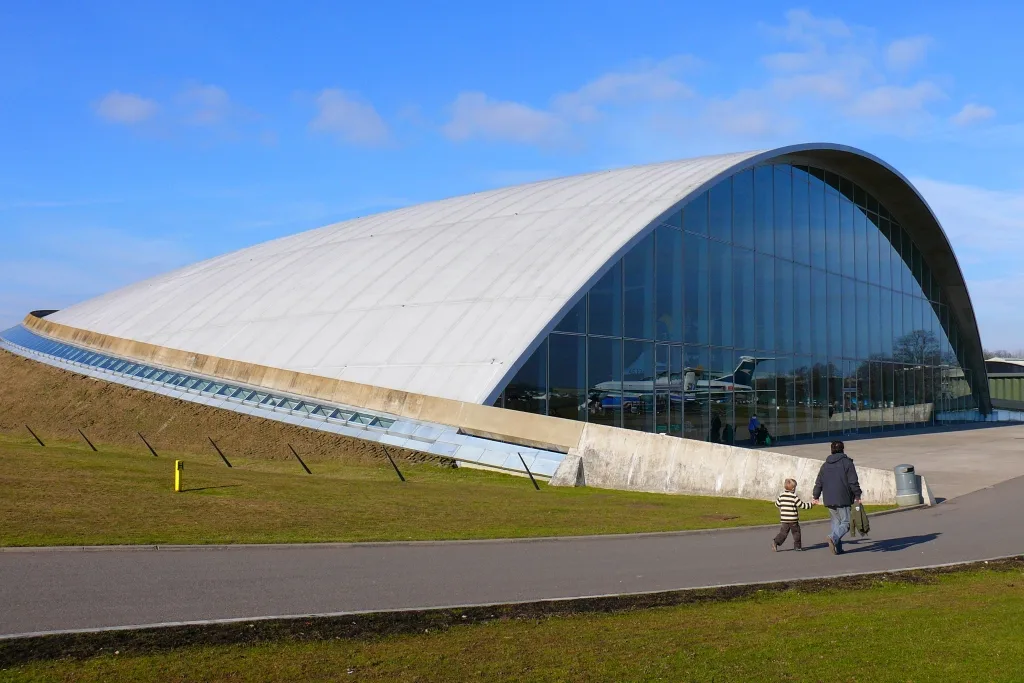
American Air Museum
American Air Museum — museum at Imperial War Museum Duxford, Cambridgeshire, England, UK.
 📷 5
📷 5Museums · East of England
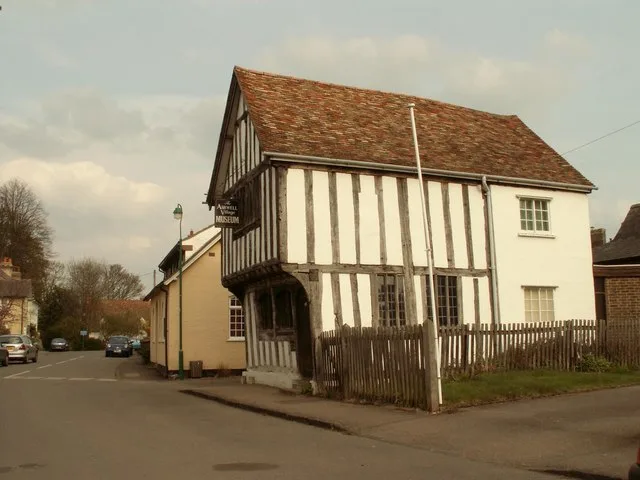
Ashwell Village Museum
Ashwell Village Museum — historic building museum in Ashwell, Hertfordshire, England, United Kingdom.
 📷 5
📷 5Museums · East of England
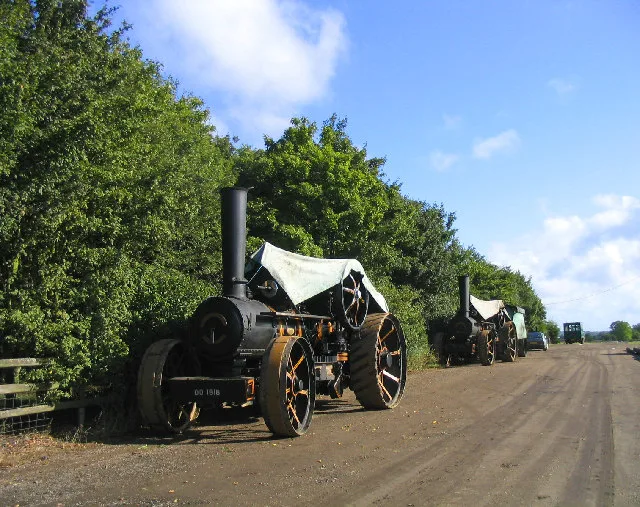
Barleylands Farm Museum
Barleylands Farm Museum — Farm museum in Billericay, England.
 📷 5
📷 5Museums · East of England
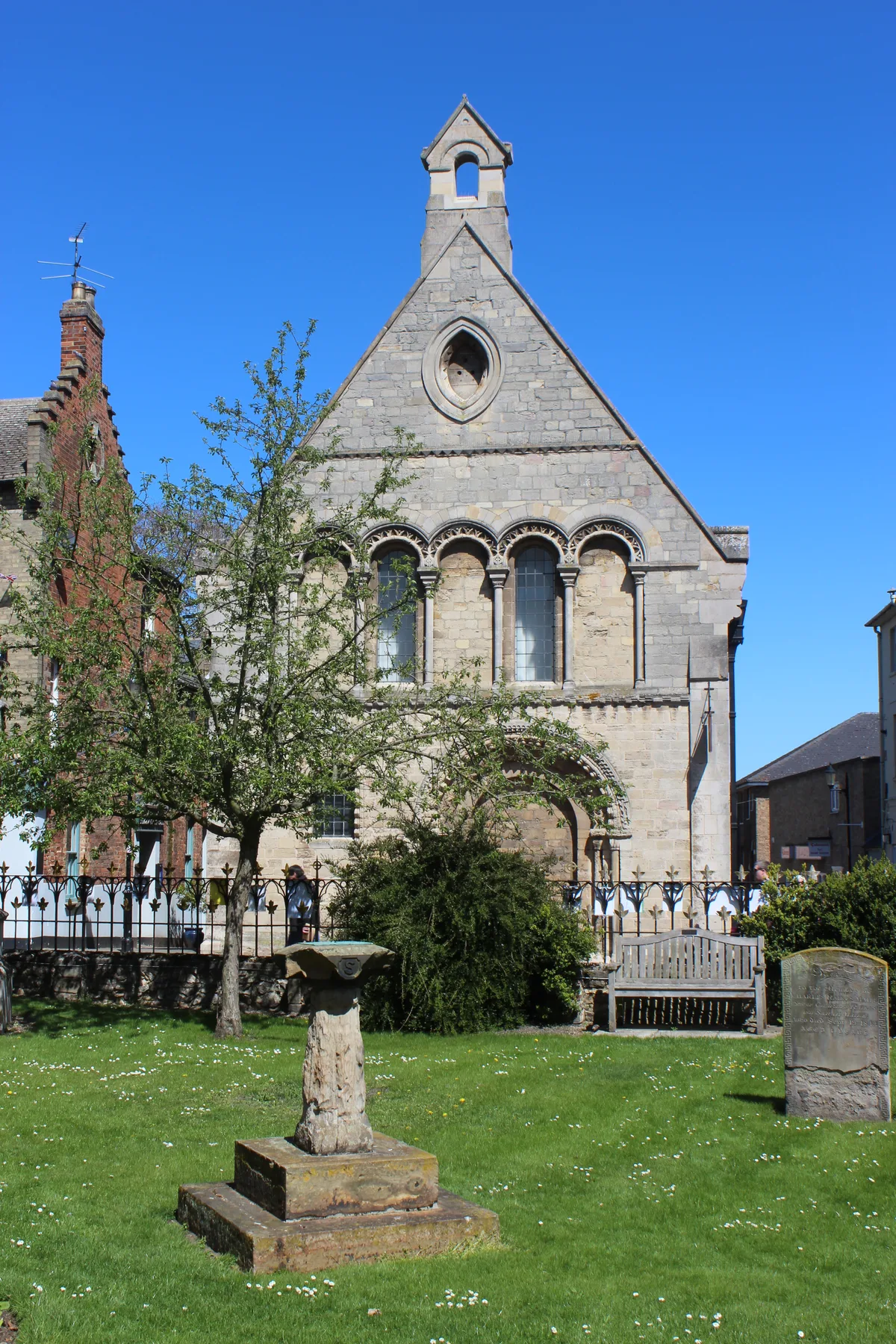
Cromwell Museum
Cromwell Museum — museum in Huntingdon, England, United Kingdom.
Frequently asked questions
- Where is Newmarket, Suffolk?
- Newmarket, Suffolk is in Suffolk, East of England, United Kingdom (postcode CB8 7BP), in the parish of Newmarket.
- What is Newmarket, Suffolk?
- Newmarket is a market town and civil parish in the West Suffolk district of Suffolk, England, 14 miles west of Bury St Edmunds and 14 miles northeast of Cambridge. The population in 2021 was 16,772. T
- How do I get to Newmarket, Suffolk?
- The nearest railway station is Newmarket, about 0.9 km away. The nearest town is Moulton. Drivers can use postcode CB8 7BP.
- Is Newmarket, Suffolk a protected site?
- Yes — Newmarket, Suffolk is part of the Newmarket Heath SSSI Site of Special Scientific Interest and the Devil's Dyke SSSI Site of Special Scientific Interest.
- How do I get to Newmarket, Suffolk?
- The nearest railway station is Newmarket, about 0.9 km away. Drivers can navigate to postcode CB8 7BP.