
Castles · North East England
Newcastle upon Tyne Castle
Also known as: The Castle, Newcastle
In or near Newcastle upon Tyne.
Newcastle upon Tyne Castle — 11th-century castle in Newcastle upon Tyne, England, UK.

Wikimedia Commons contributors — see linked file page for photographer and licence licence

Plan your visit
- Typical visit
- 1.5 h–3 h
- Nearest railway station
- Newcastle · 0.4 km
- Family-friendly
- Limited wheelchair access
Getting there & planning your visit
Newcastle upon Tyne Castle is located at postcode NE1 1RQ and is approximately 0.4 km from Newcastle railway station. Entry details are not specified, and wheelchair accessibility is limited.
About
Newcastle upon Tyne Castle is a castle in the United Kingdom — fortified architecture from the medieval, Tudor, or Victorian-revival period. Records date its origin to 1080. Heritage designation: Grade I listed building. Owned by Newcastle City Council. Address: NE1 1RQ. Wikidata describes it as: "11th-century castle in Newcastle upon Tyne, England, UK". Coordinates: 54.9688°, -1.6104°.
Photo gallery
Heritage listing
The Castle, Newcastle, or Newcastle Castle is a medieval fortification in Newcastle upon Tyne, England, built on the site of the fortress that gave the City of Newcastle its name. The most prominent remaining structures on the site are the Castle Keep (the castle's main fortified stone tower, pictured below right), and the Black Gate, its fortified gatehouse. Use of the site for defensive purposes dates from Roman times, when it housed a fort and settlement called Pons Aelius (meaning 'bridge of (Publius) Aelius (Hadrianus)' – the Roman emperor Hadrian) – guarding a bridge over the River Tyne. Robert Curthose, eldest son of William the Conqueror, in 1080 built a wooden motte-and-bailey-style castle on the site of the Roman fort.
From the Historic England List Entry under OGL v3.
Official information
Newcastle Castle is a historic Norman fortress that stands on the site of the Roman fort Pons Aelius. Visitors can explore ancient passageways, learn about the castle's 2000-year history, and enjoy panoramic views of the city from the roof.
From the Wikipedia article
The Castle, Newcastle, or Newcastle Castle is a medieval fortification in Newcastle upon Tyne, England, built on the site of the fortress that gave the City of Newcastle its name. The most prominent remaining structures on the site are the Castle Keep (the castle's main fortified stone tower, pictured below right), and the Black Gate, its fortified gatehouse. Use of the site for defensive purposes dates from Roman times, when it housed a fort and settlement called Pons Aelius (meaning 'bridge of (Publius) Aelius (Hadrianus)' – the Roman emperor Hadrian) – guarding a bridge over the River Tyne. Robert Curthose, eldest son of William the Conqueror, in 1080 built a wooden motte-and-bailey-style castle on the site of the Roman fort. Curthose built this 'New Castle upon Tyne' after he returned south from a campaign against Malcolm III of Scotland. Henry II built the stone Castle Keep between 1172 and 1177 on the site of Curthose's castle. Henry III added the Black Gate between 1247 and 1250. Nothing remains above ground of the Roman fort or the original motte-and-bailey castle. The Keep is a Grade I listed building, and a scheduled monument. The Castle Keep and Black Gate pre-date the construction of the Newcastle town wall, construction of which started around 1265, and did not include it. The site of the keep is in the centre of Newcastle and lies to the east of Newcastle station. The 75-foot (23 m) gap between the keep and the gatehouse is almost entirely filled by the railway viaduct that carries the East Coast Main Line from Newcastle to Scotland. The keep and Black Gate are now managed by the Old Newcastle Project under the Heart of the City Partnership as one combined visitor attraction, "Newcastle Castle".
Excerpt from Wikipedia under CC BY-SA 4.0. See the source article linked in Sources below.
Background
History
In the mid-2nd century, the Romans built the first bridge to cross the River Tyne at the place where Newcastle now stands. The bridge was called Pons Aelius or 'Bridge of Aelius', Aelius being the family name of the Emperor Hadrian, who instigated the building of Hadrian's Wall along the Tyne-Solway Gap. The Romans built a fort to protect the river crossing which was at the foot of the Tyne Gorge. The fort was situated on a rocky outcrop overlooking the new bridge. Hadrian's Wall crossed from west to east just north of the Roman fort, somewhere between the two medieval stone monuments of Newcastle Castle and Newcastle Cathedral. It is thought likely that the Wall descended (or ascended) the…
Description
that became the main castle entrance, seen from the west. An external lift has now been added on its north side (out of shot to the left behind the gateway) to improve access. The road at left is the Side, on the probable line of Hadrian's Wall.]] The "Black Gate" was added to Newcastle Castle between 1247 and 1250, forming an additional barbican in front of the earlier north gate of the castle. The original building would probably have had a flat roof, but in 1618 James I leased the gatehouse to a courtier, Alexander Stephenson. Stephenson substantially altered the gatehouse, rebuilding the upper floors. Stephenson then let the Black Gate out to various tenants, one of whom was a merchant,…
Sourced from Wikipedia under CC BY-SA 4.0.
- Coordinates
- 54.9688, -1.6104
- District
- Newcastle upon Tyne
- Parish
- Newcastle upon Tyne, unparished area
- Postcode
- NE1 1RQ
- Parliamentary constituency
- Newcastle upon Tyne Central and West
- Established
- 1080
- Nearest railway station
- Newcastle — 0.4 km
- Official site
- www.newcastlecastle.co.uk
Sources
- wikidata: Q7721569 (CC0)
- wikipedia: The Castle, Newcastle (CC BY-SA 4.0)
- commons: Newcastle schloss.jpg (CC BY-SA 4.0)
Other places nearby

Newcastle Castle - Keep
Castles · 0.0 km

The Castle Keep
Memorials & monuments · 0.0 km

Vermont Hotel
Castles · 0.1 km

Vermont Hotel
Hotels · 0.1 km

Roman fort, Anglo-Saxon cemetery, motte and bailey castle and tower keep castle
Literary houses · 0.1 km

The Black Gate
Museums · 0.1 km

South postern tower facing the river, and curtain wall adjoining
Memorials & monuments · 0.1 km

10, Castle Stairs
Historic houses · 0.1 km

Milburn House
Memorials & monuments · 0.1 km

House Of Tides
Restaurants · 0.1 km

Laidlaw Scholars
Other places · 0.1 km

easyHotel
Hotels · 0.1 km
Nearby
📷 3Castles · North East England
Newcastle Castle - Keep
Newcastle Castle - Keep — a castle in scotland-lowlands, United Kingdom.
📷 3Memorials & monuments · North East England
The Castle Keep
The Castle Keep — a memorial in scotland-lowlands, United Kingdom.
📷 4📷 5Hotels · North East England
Vermont Hotel
Vermont Hotel — a hotel in scotland lowlands.
📷 4Literary houses · North East England
Roman fort, Anglo-Saxon cemetery, motte and bailey castle and tower keep castle
Roman fort, Anglo-Saxon cemetery, motte and bailey castle and tower keep castle — a literary house museum in scotland lowlands.
📷 3Museums · North East England
The Black Gate
The Black Gate — a museum in scotland-lowlands, United Kingdom.
Where to eat & stay near Newcastle upon Tyne Castle
Places to stay
📷 5Hotels · North East England
Vermont Hotel
Vermont Hotel — a hotel in scotland lowlands.
📷 5 📷 5
📷 5Hotels · North East England
Grey Street Hotel
Grey Street Hotel — a hotel in scotland lowlands.
 📷 5
📷 5Hotels · North East England
Exchange Buildings
Exchange Buildings — a hotel in scotland lowlands.
 📷 5
📷 5Hotels · North East England
Royal Station Hotel
Royal Station Hotel — a hotel in scotland lowlands.
 📷 5
📷 5Hotels · North East England
Hampton by Hilton Newcastle
Hampton by Hilton Newcastle — a hotel in scotland lowlands. 3.5-star. Brand: Hampton.
Places to eat & drink
📷 5Restaurants · North East England
House Of Tides
House Of Tides — a restaurant in scotland lowlands.
📷 5Restaurants · North East England
Cilantro
Cilantro — a restaurant in scotland lowlands.
 📷 5
📷 5Restaurants · North East England
Sambuca
Sambuca — a restaurant in scotland lowlands.
 📷 3
📷 3Historic pubs · North East England
The Crown Posada
Newcastle's Quayside Victorian pub, with William Morris stained glass.
 📷 5
📷 5Historic pubs · North East England
Liberty House
Liberty House in Scotland Lowlands, United Kingdom.
 📷 5
📷 5Historic pubs · North East England
Theatre Royal Lounge And Restaurant; The Royal Public House
Theatre Royal Lounge And Restaurant; The Royal Public House in Scotland Lowlands, United Kingdom.
Other castles from this era
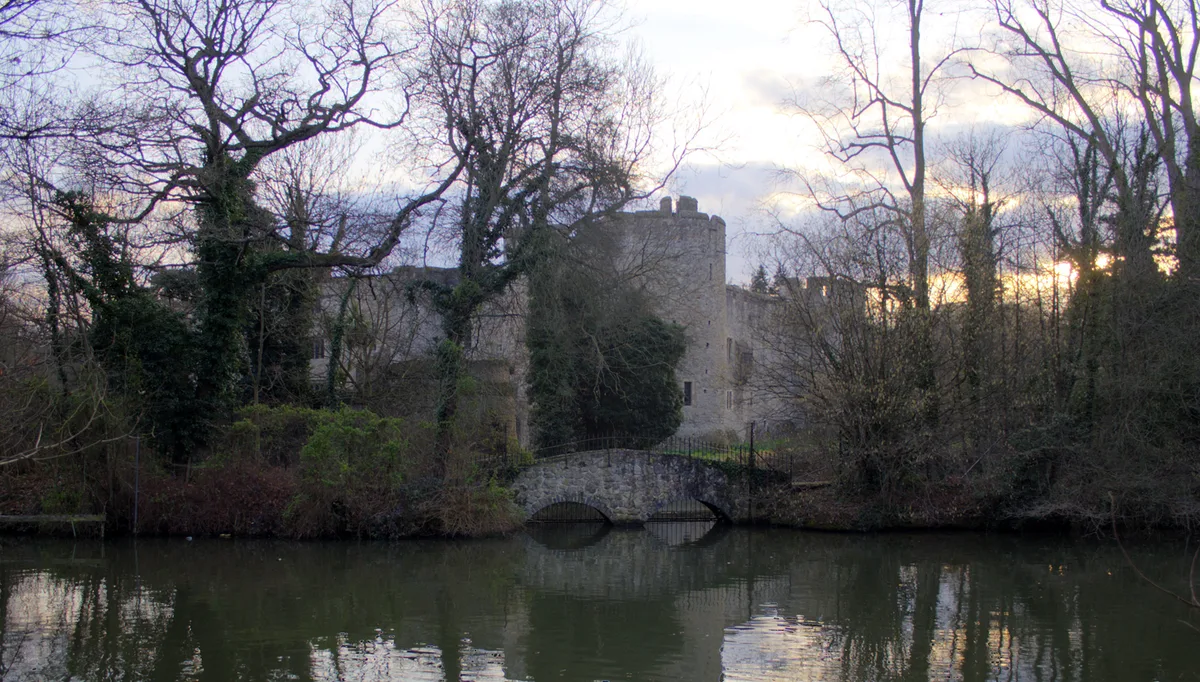 📷 5
📷 5Castles · South East England
Allington Castle
Allington Castle — stone-built moated castle in Allington, England.
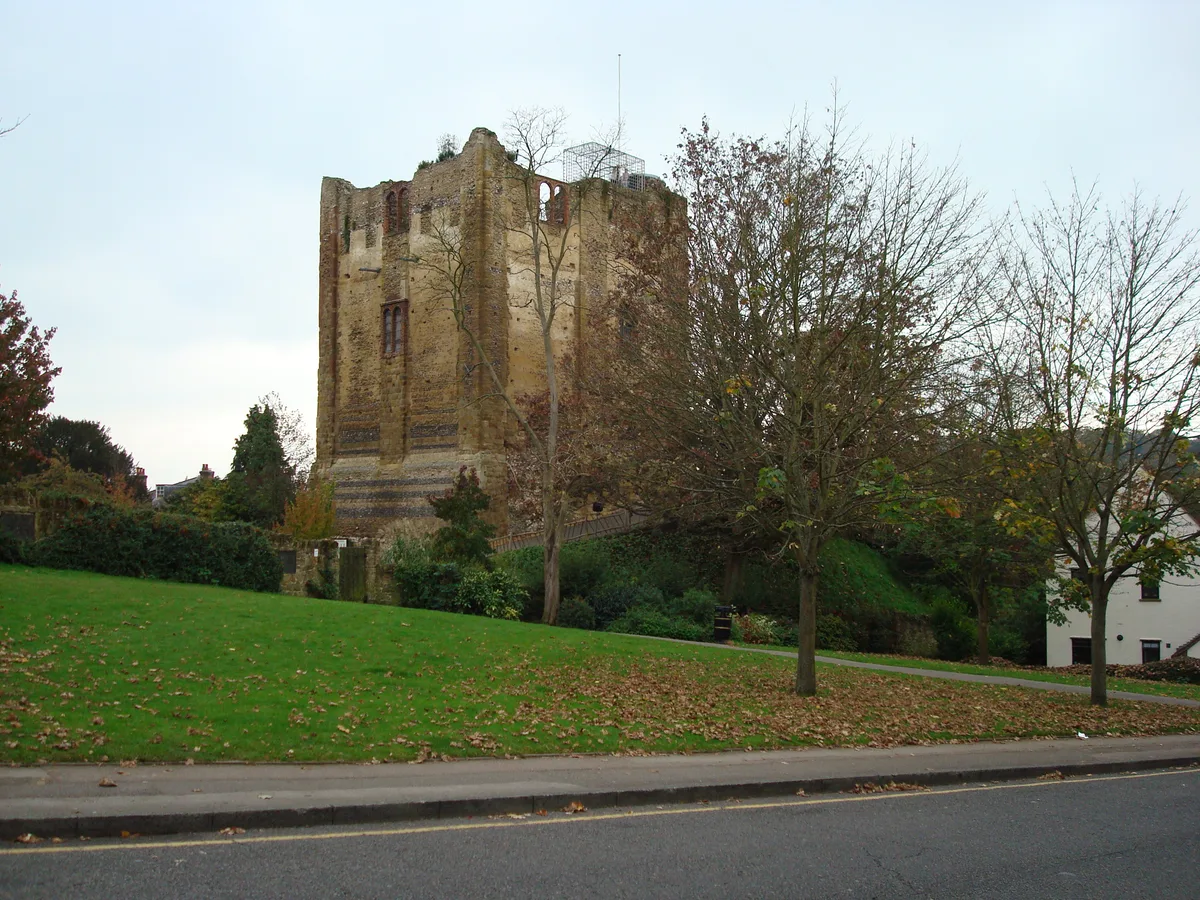 📷 5
📷 5Castles · South East England
Guildford Castle
Guildford Castle — castle in Guildford, Surrey, England, UK.
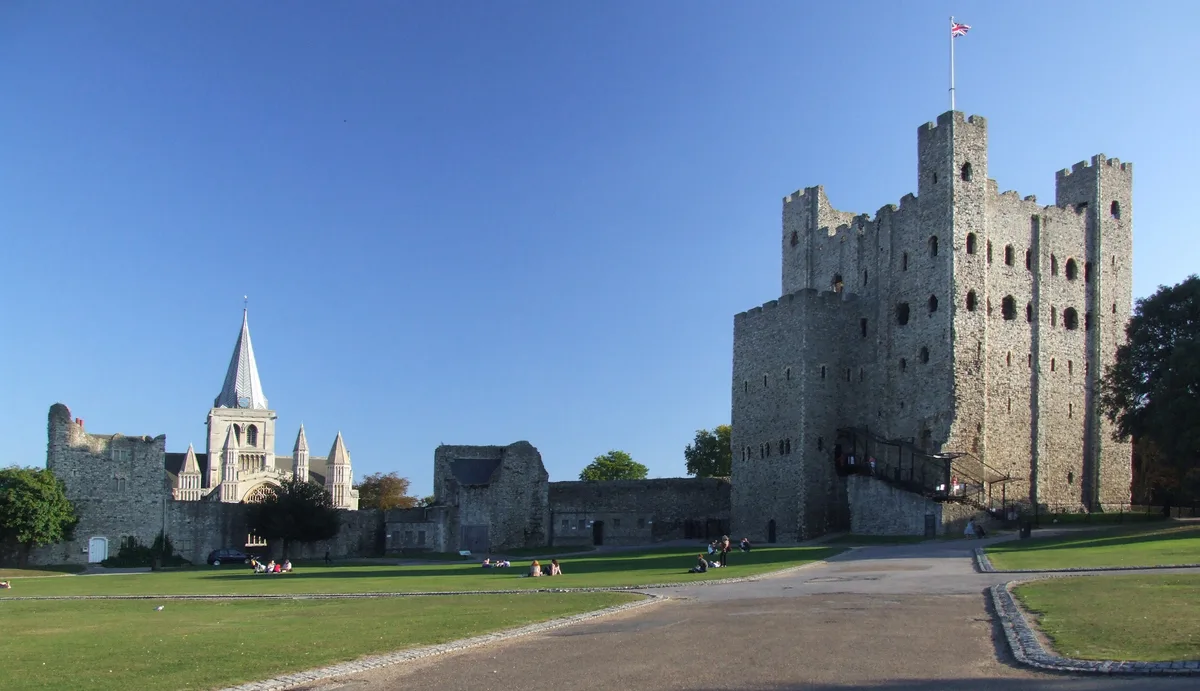 📷 5
📷 5Castles · South East England
Rochester Castle
Rochester Castle — castle in Rochester, Kent, South East England.
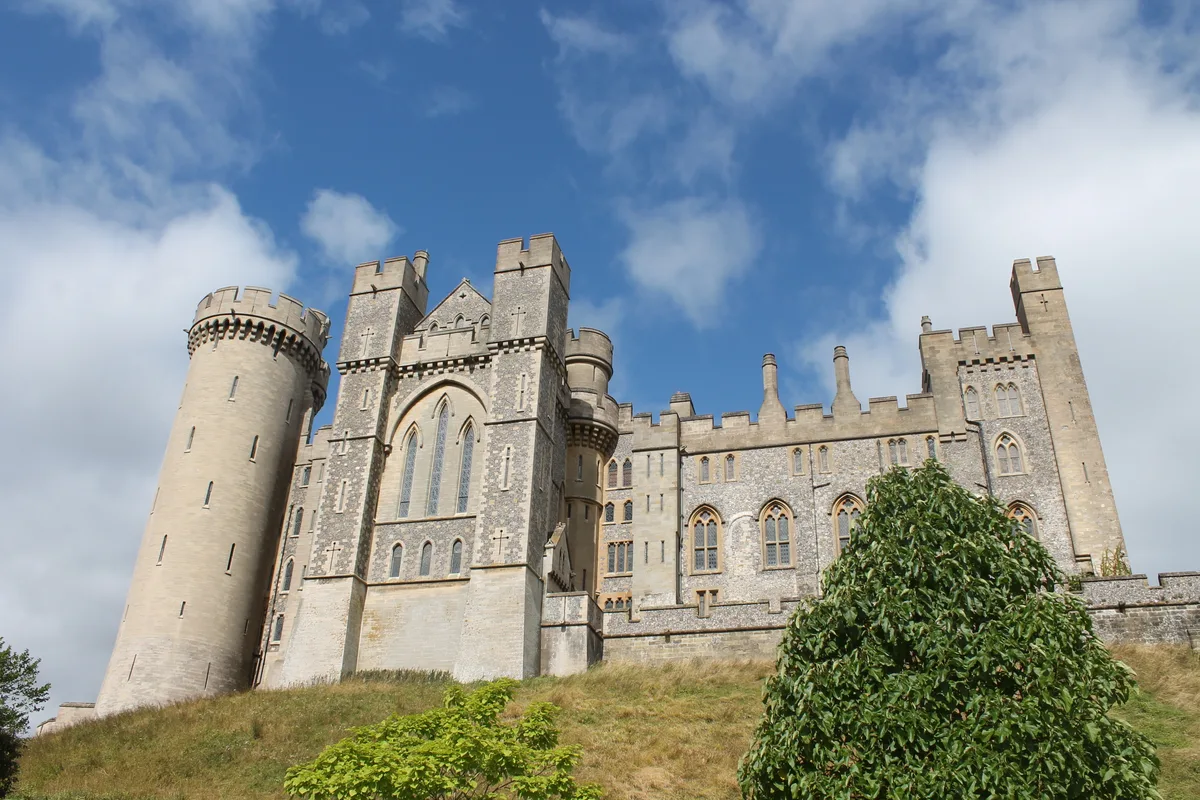 📷 5
📷 5Castles · South East England
Arundel Castle
Arundel Castle — castle in West Sussex, England, UK.
More castles in this region
 📷 3
📷 3Castles · North East England
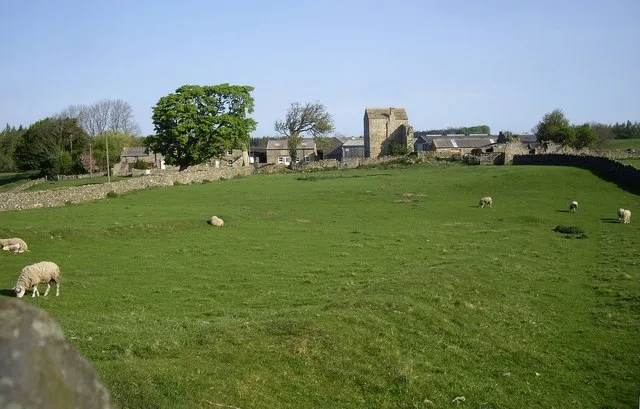
Scargill Castle
Scargill Castle — house in Scargill, County Durham, England, UK.
 📷 3
📷 3Castles · North East England
Roper Castle or Round Table (Roman Signal Station)
Roper Castle or Round Table (Roman Signal Station) — a castle in england-north-west, United Kingdom.
 📷 5
📷 5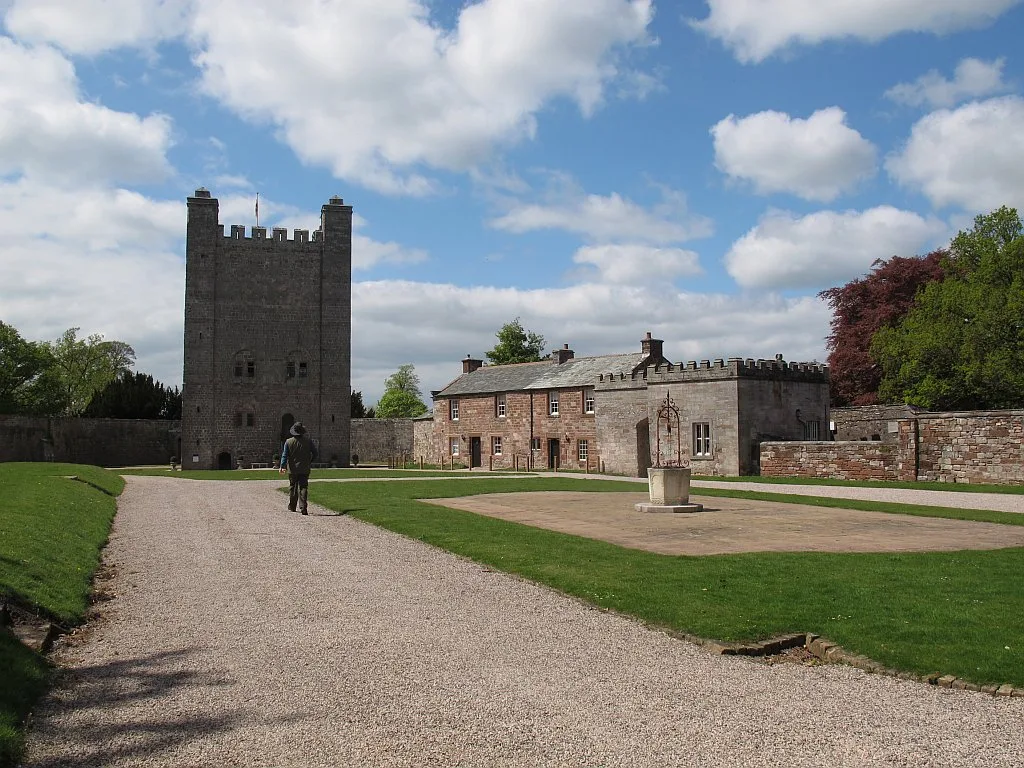 📷 5
📷 5Castles · North East England
Appleby Castle
Appleby Castle — Grade I listed English country house in Appleby-in-Westmorland, United Kingdom.
Frequently asked questions
- Where is Newcastle upon Tyne Castle?
- Newcastle upon Tyne Castle is in North-East England, United Kingdom (postcode NE1 1RQ), in the parish of Newcastle upon Tyne, unparished area.
- What is Newcastle upon Tyne Castle?
- Newcastle upon Tyne Castle — 11th-century castle in Newcastle upon Tyne, England, UK.
- How do I get to Newcastle upon Tyne Castle?
- The nearest railway station is Newcastle, about 0.4 km away. The nearest town is Newcastle upon Tyne. Drivers can use postcode NE1 1RQ.
- When was Newcastle upon Tyne Castle built?
- Built or established in 1080.
- Who owns Newcastle upon Tyne Castle?
- Newcastle upon Tyne Castle is owned by Newcastle City Council.
- Is Newcastle upon Tyne Castle a listed building?
- Newcastle upon Tyne Castle is officially recognised as Grade I listed building listed.
- Does Newcastle upon Tyne Castle charge admission?
- Newcastle upon Tyne Castle typically charges admission. Check the official site for current ticket prices and opening hours.
- How do I get to Newcastle upon Tyne Castle?
- The nearest railway station is Newcastle, about 0.4 km away. Drivers can navigate to postcode NE1 1RQ.