
Galleries · London
National Gallery
Also known as: Yr Oriel Genedlaethol (Llundain), An Gailearaí Náisiúnta
In or near London.
National Gallery — art museum in London, England, UK.

Wikimedia Commons contributors — see linked file page for photographer and licence licence

Plan your visit
- Typical visit
- 1 h–2 h
- Best time of year
- Year-round
- Nearest railway station
- Charing Cross · 0.2 km
- Free entry
- Family-friendly
- Wheelchair accessible
Getting there & planning your visit
The National Gallery is located in Westminster, London, with the nearest railway station being Charing Cross, just 0.2 km away. Admission is free, and the gallery is wheelchair accessible. You can use the postcode WC2N 5DN for sat-nav directions.
About
National Gallery is an art gallery in the United Kingdom. Records date its origin to 1824. Designed by William Wilkins. Built in the Georgian architecture style. Heritage designation: Grade I listed building. Part of Board of Trustees of the National Gallery. Address: http://www.wikidata.org/entity/Q129143, WC2N 5DN. Wikidata describes it as: "art museum in London, England, UK". Coordinates: 51.5089°, -0.1283°.
Photo gallery
See it from the streetimagery from 2026
Imagery © Mapillary contributors, CC BY-SA 4.0
Official information
The National Gallery houses a rich collection of Western European paintings from the 13th to the 19th centuries. Visitors can explore masterpieces by renowned artists such as Van Gogh, Turner, and Botticelli, making it a significant cultural destination in London.
From the Wikipedia article
The National Gallery is an art museum in Trafalgar Square in the City of Westminster, in Central London, England. Founded in 1824, it houses a collection of more than 2,300 paintings dating from the mid-13th century to 1900. The current director of the National Gallery is Gabriele Finaldi. The National Gallery is an exempt charity, and a non-departmental public body of the Department for Culture, Media and Sport. Its collection is held in trust by the charity on behalf of the British public, and entry to the main collection is free of charge. Unlike comparable museums in continental Europe, the National Gallery was not formed by nationalising an existing royal or princely art collection. It came into being when the British government bought 38 paintings from the heirs of John Julius Angerstein in 1824. After that initial purchase, the gallery was shaped mainly by its early directors, especially Charles Lock Eastlake, and by private donations, which now account for two-thirds of the collection. The collection is smaller than many European national galleries, but encyclopaedic in scope; most major developments in Western painting "from Giotto to Cézanne" are represented with important works. It used to be claimed that this was one of the few national galleries that had all its works on permanent exhibition, but this is no longer the case. The present building, the third site to house the National Gallery, was designed by William Wilkins. Building began in 1832 and it opened to the public in 1838. Only the façade onto Trafalgar Square remains essentially unchanged from this time, as the building has been expanded piecemeal throughout its history. Wilkins's building was often criticised for the perceived weaknesses of its design and for its lack of space; the latter problem led to the establishment of the Tate Gallery for British art in 1897. The Sainsbury Wing, a 1991 extension to the west by Robert Venturi and Denise Scott Brown, is a significant example of…
Excerpt from Wikipedia under CC BY-SA 4.0. See the source article linked in Sources below.
Background
History
, the home of the National Gallery from 1824 to 1834]] The National Gallery opened in 1824 in Angerstein's former townhouse at No. 100 Pall Mall.}} Angerstein's paintings were joined in 1826 by those from Beaumont's collection, and in 1831 by the Reverend William Holwell Carr's bequest of 35 paintings. Initially the Keeper of Paintings, William Seguier, bore the burden of managing the gallery, but in July 1824 some of this responsibility fell to the newly formed board of trustees. The National Gallery at Pall Mall was frequently overcrowded and hot, and its diminutive size in comparison with the Louvre in Paris was a cause of national embarrassment. But Agar-Ellis, by then a trustee of the…
Description
by Sebastiano del Piombo, from the Angerstein collection. This became the founding collection of the National Gallery in 1824. The painting has the accession number NG1, making it officially the first painting to enter the gallery.]] The late 18th century saw the nationalisation of royal or princely art collections across mainland Europe. The Bavarian royal collection (now in the Alte Pinakothek, Munich) opened to the public in 1779, that of the Medici in Florence around 1789 (as the Uffizi Gallery), and the Museum Français at the Louvre was formed out of the former French royal collection in 1793. Great Britain, however, did not follow other European countries, and the British Royal…
Sourced from Wikipedia under CC BY-SA 4.0.
- Coordinates
- 51.5089, -0.1283
- District
- Westminster
- Parish
- Westminster, unparished area
- Postcode
- WC2N 5DN
- Parliamentary constituency
- Cities of London and Westminster
- Phone
- 02077472885
- Established
- 1824
- Annual visitors
- ~4,147,544/year
- Nearest railway station
- Charing Cross — 0.2 km
- Opening
- Sa-Th 10:00-18:00; Fr 10:00-21:00
- Official site
- www.nationalgallery.org.uk
Sources
- wikidata: Q180788 (CC0)
- wikipedia: National Gallery (CC BY-SA 4.0)
- commons: Galería Nacional, Londres, Inglaterra, 2014-08-07, DD 036.JPG (CC BY-SA 4.0)
- fsq: 4ac518cdf964a520e6a520e3 (Apache-2.0)
Featured in these 5 guides
Itinerary
Free things to do in London
London's best museums, galleries and parks — none of which charge admission.
Itinerary
Britain's essential museums
British Museum, V&A, Natural History, National Gallery — and beyond.
Itinerary
London rainy-day backup plan
Ten indoor attractions for the day London turns Mancunian.
Itinerary
Britain's free national museums
Every nationally-funded museum that doesn't charge admission.
Itinerary
Hidden art galleries outside London
Eight regional galleries with world-class collections.
Other places nearby

George Washington
Cathedrals · 0.1 km

National Portrait Gallery, London
Museums · 0.1 km

Statue of James II
Museums · 0.1 km
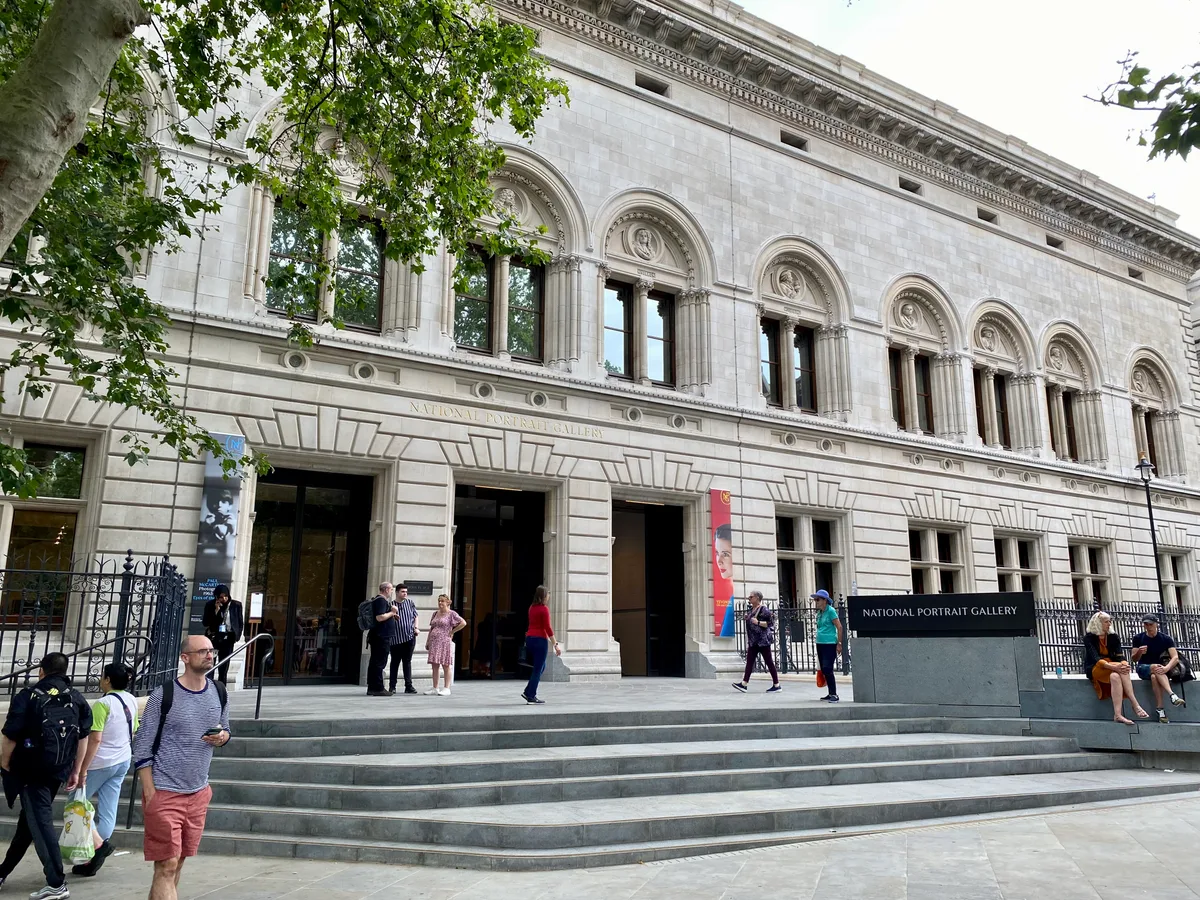
National Portrait Gallery
Galleries · 0.1 km
.jpg?width=1200)
George IV
Memorials & monuments · 0.1 km

Fourth Plinth
Memorials & monuments · 0.1 km

Sir Henry Irving
Memorials & monuments · 0.1 km

Christ Child
Public art & sculpture · 0.1 km
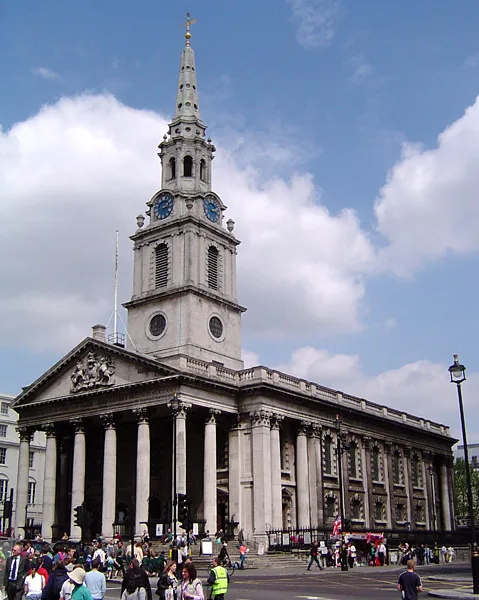
St Martin-in-the-Fields
Historic churches · 0.1 km
_(cropped).jpg?width=1200)
Edith Cavell Memorial
Museums · 0.1 km

Trafalgar Square
Memorials & monuments · 0.1 km

Pigott Theatre
Theatres · 0.1 km
Nearby
📷 5📷 5Museums · London
National Portrait Gallery, London
National Portrait Gallery, London — a other in england-london, United Kingdom.
📷 5Museums · London
Statue of James II
Statue of James II — Public artwork (statue) by Peter Van Dievoet, Laurens van der Meulen.
📷 5Galleries · London
National Portrait Gallery
National Portrait Gallery — art museum in London, England, United Kingdom.
📷 5📷 5Where to eat & stay near National Gallery
Places to stay
 📷 5
📷 5Hotels · London
Radisson Edwardian Hampshire Hotel
Radisson Edwardian Hampshire Hotel — a hotel in england london. Brand: Radisson.
 📷 5
📷 5 📷 5
📷 5Hotels · London
The Trafalgar St. James London, Curio Collection by Hilton
The Trafalgar St. James London, Curio Collection by Hilton — a hotel in england london. 5-star. Brand: Hilton.
 📷 5
📷 5 📷 5
📷 5Hotels · London
Z Hotel Piccadilly
Z Hotel Piccadilly — a hotel in england london.
 📷 7
📷 7Hotels · London
St Martins Lane Hotel
St Martins Lane Hotel — a hotel in england london.
Places to eat & drink
 📷 5
📷 5 📷 5
📷 5 📷 5
📷 5 📷 5
📷 5Restaurants · London
Tiger Tiger
Tiger Tiger — a restaurant in england london.
 📷 5
📷 5 📷 7
📷 7Other works by William Wilkins
 📷 4
📷 4Historic houses · South West England
Tregothnan
Tregothnan — a Grade I-listed historic house in england-south-west, United Kingdom.
 📷 5
📷 5Open-air theatres · East of England
Festival Theatre
former theatre in Cambridge, England, later used as Buddhist centre and workshop of the Arts Theatre
 📷 5
📷 5Memorials & monuments · East of England
Britannia Monument
Britannia Monument — a Grade I-listed memorial in england-east, United Kingdom.
 📷 5
📷 5Open-air theatres · East of England
Theatre Royal
Theatre Royal — a open-air theatre in england east.
Other galleries from this era
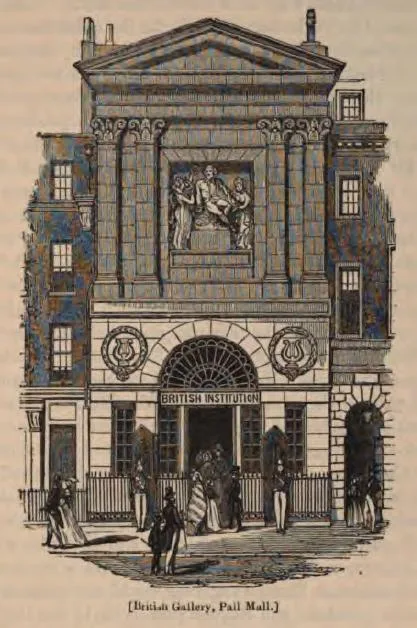 📷 5
📷 5Galleries · London
Boydell Shakespeare Gallery
Boydell Shakespeare Gallery — former art gallery in London.
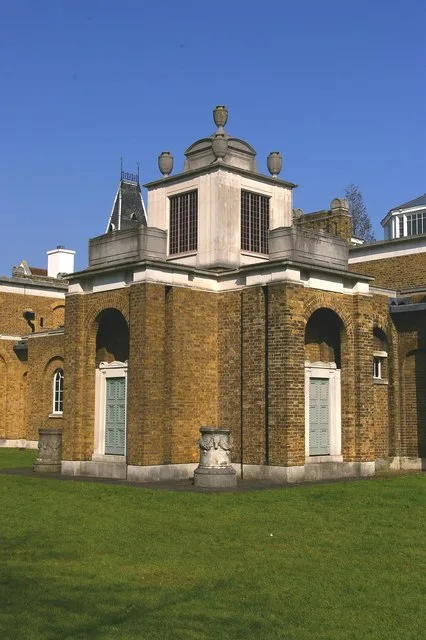 📷 5
📷 5Galleries · London
Dulwich Picture Gallery
Dulwich Picture Gallery — art gallery in Dulwich, South London, United Kingdom.
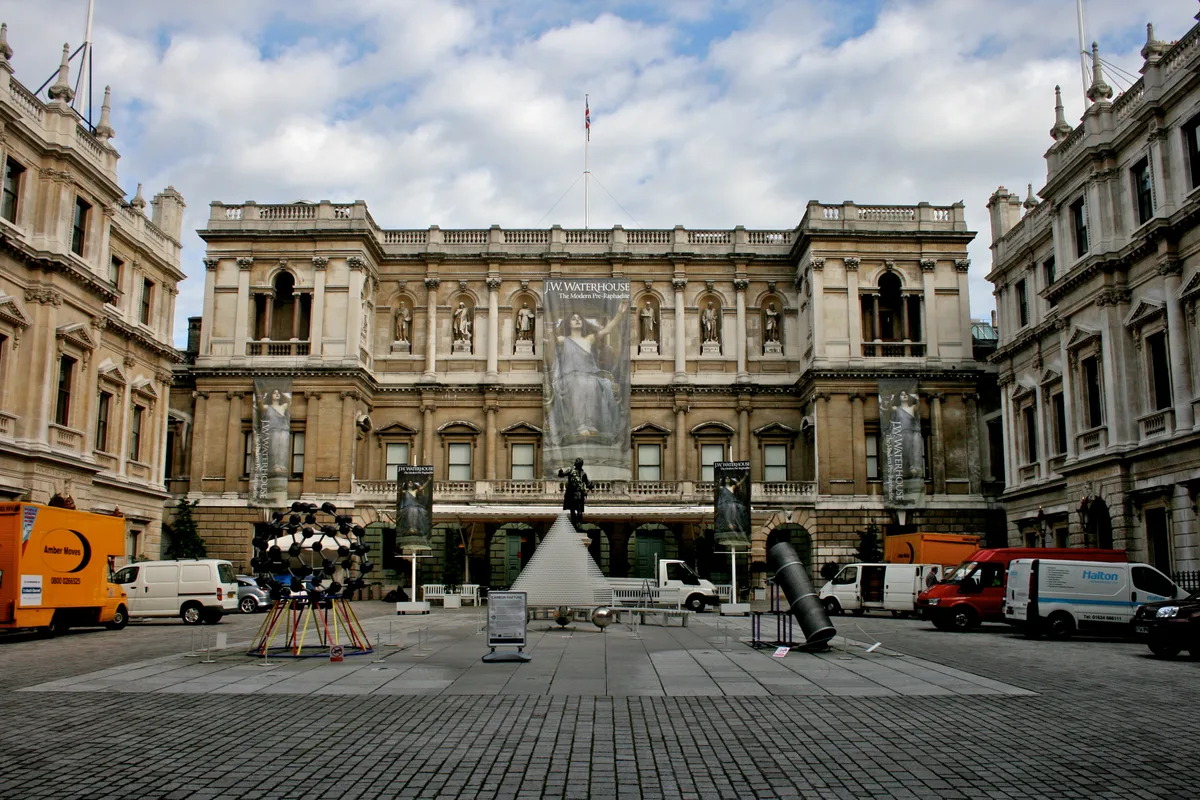 📷 5
📷 5Galleries · London
Royal Academy of Arts
Royal Academy of Arts — art institution in London, England, United Kingdom.
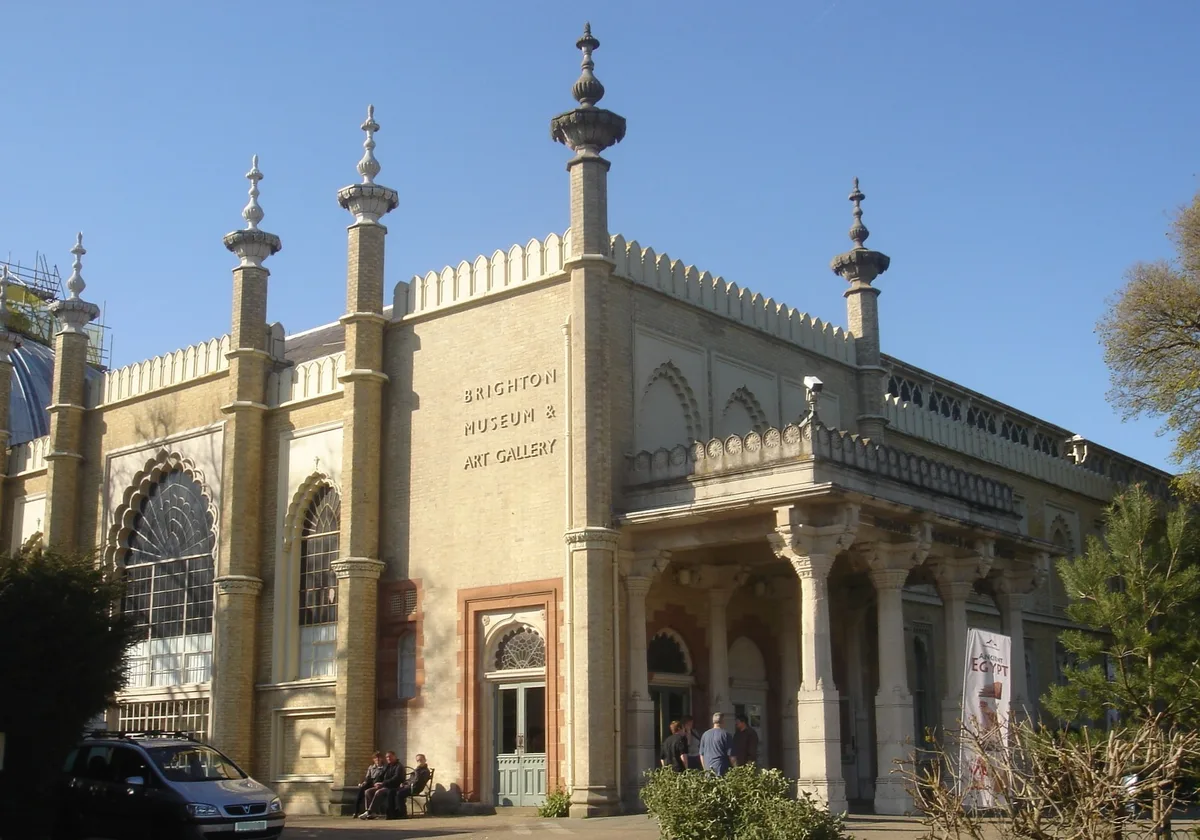 📷 5
📷 5Galleries · South East England
Brighton Museum & Art Gallery
Brighton Museum & Art Gallery — art and history museum in Brighton, East Sussex, England, UK.
More galleries in this region
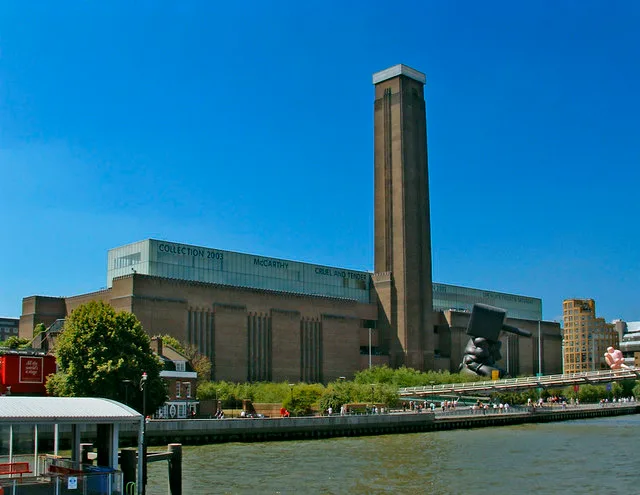 Flagship📷 10
Galleries · London
Tate Modern
Tate Modern — modern art gallery located in Bankside, London, England.
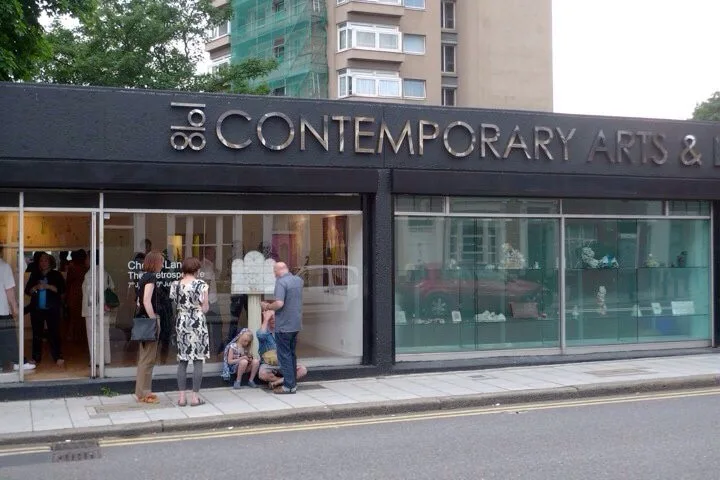 📷 5
📷 5Galleries · London
198 Contemporary Arts and Learning
198 Contemporary Arts and Learning — arts gallery/organisation in London.
 📷 5
📷 5Galleries · London
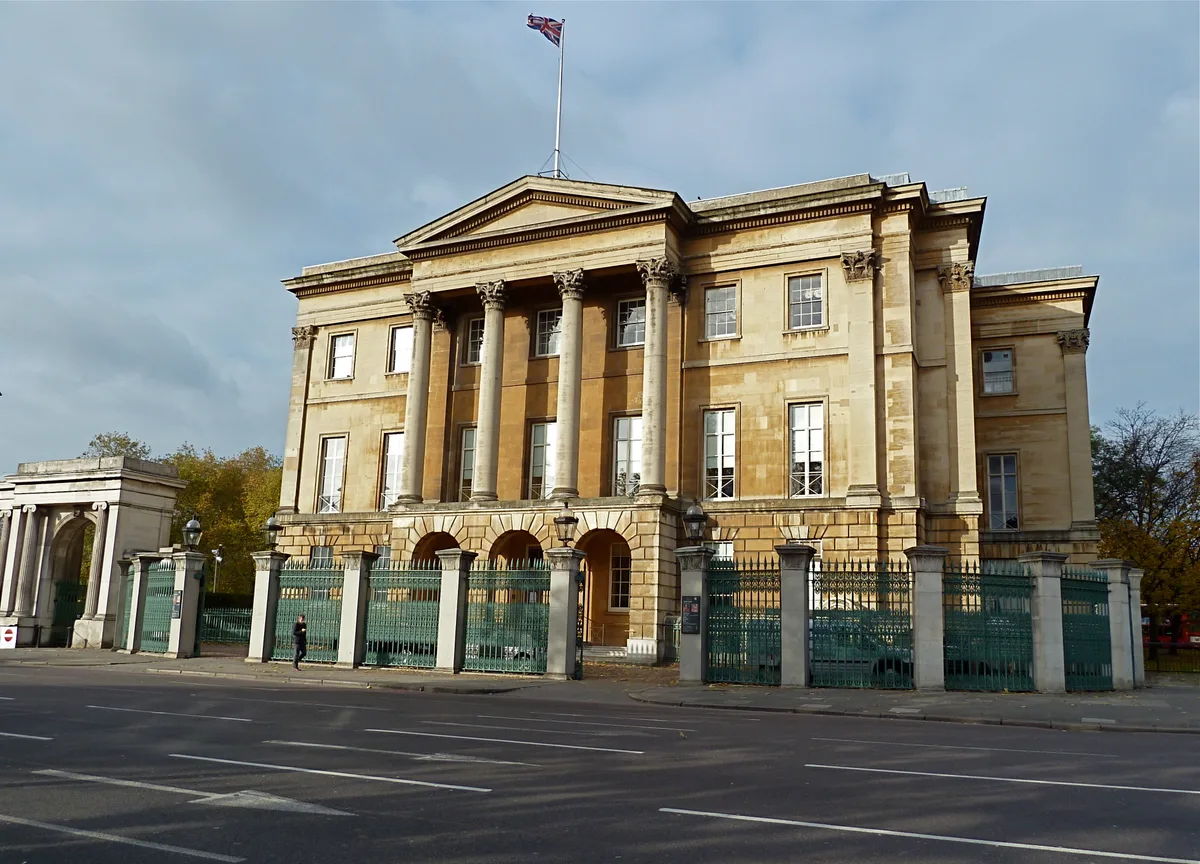
Apsley House
Apsley House — London townhouse of the Dukes of Wellington.
 📷 5
📷 5Galleries · London
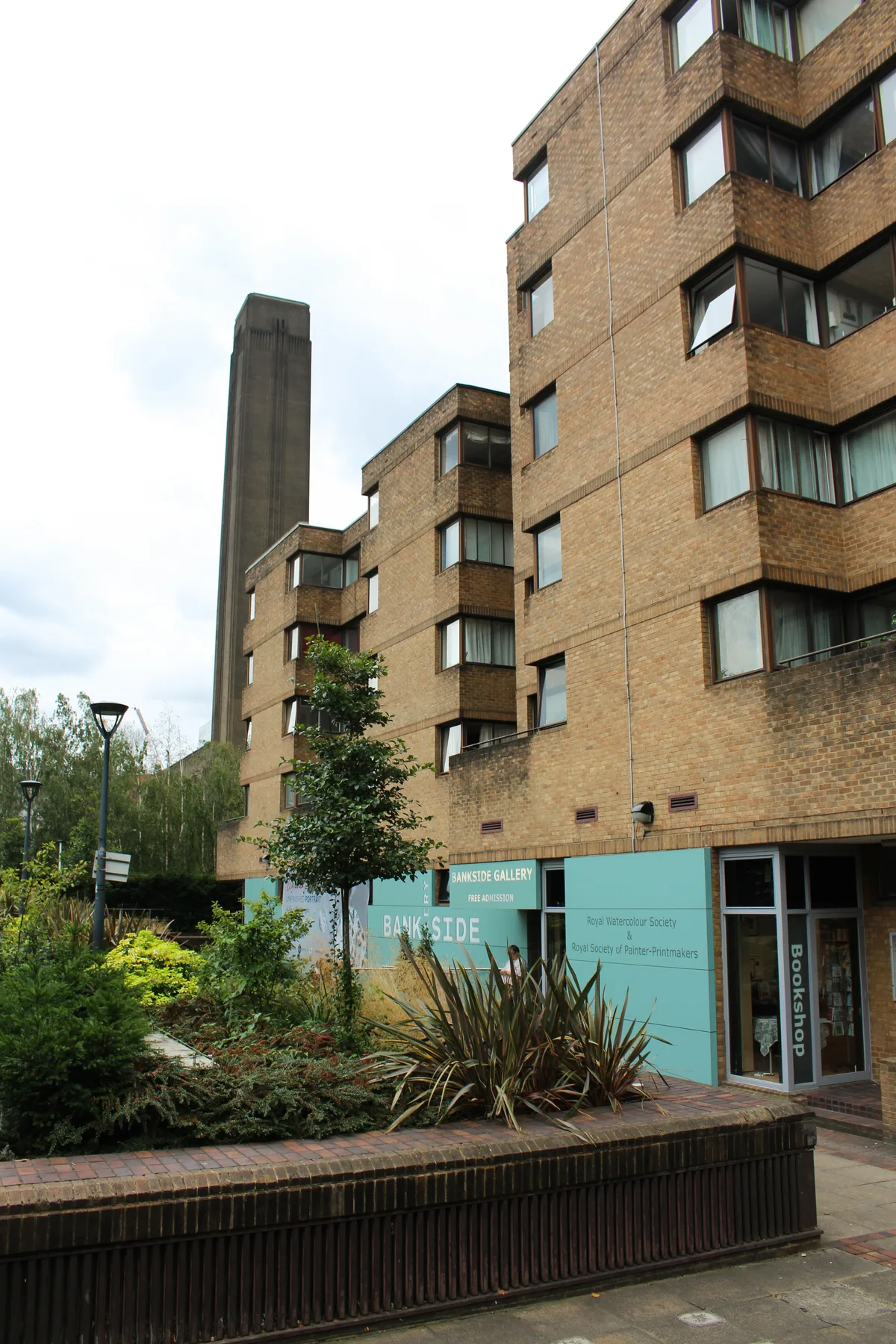
Bankside Gallery
Bankside Gallery — public art gallery in Bankside, London, England.
Frequently asked questions
- Where is National Gallery?
- National Gallery is in London, United Kingdom (postcode WC2N 5DN), in the parish of Westminster, unparished area.
- What is National Gallery?
- National Gallery — art museum in London, England, UK.
- How do I get to National Gallery?
- The nearest railway station is Charing Cross, about 0.2 km away. The nearest town is London. Drivers can use postcode WC2N 5DN.
- When was National Gallery built?
- Built or established in 1824. Designed by William Wilkins.
- Is National Gallery a listed building?
- National Gallery is officially recognised as Grade I listed building listed.
- Is National Gallery free to visit?
- Yes, National Gallery is free to enter.
- How do I get to National Gallery?
- The nearest railway station is Charing Cross, about 0.2 km away. Drivers can navigate to postcode WC2N 5DN.
- How busy is National Gallery?
- National Gallery draws around 4,147,544 visitors a year.