
Museums · South West England
Museum of Witchcraft and Magic
In or near Boscastle.
Museum of Witchcraft and Magic — museum established in Windsor, Berkshire, in 1954 and relocated to Cornwall, England in 1960.

Wikimedia Commons contributors — see linked file page for photographer and licence licence

Plan your visit
- Typical visit
- 1.5 h–3 h
- Best time of year
- Year-round
- Family-friendly
- Wheelchair accessible
Getting there & planning your visit
The Museum of Witchcraft and Magic is located in Cornwall, postcode PL35 0HD. The museum is wheelchair accessible.
About
Museum of Witchcraft and Magic is a museum in the United Kingdom. Records date its origin to 1954. Address: PL35 0HD. Wikidata describes it as: "museum established in Windsor, Berkshire, in 1954 and relocated to Cornwall, England in 1960". Coordinates: 50.6890°, -4.6920°.
Photo gallery
Protected designations
- Area of Outstanding Natural Beauty: Cornwall
Designations sourced from Natural England open data under OGL v3.
From the Wikipedia article
The Museum of Witchcraft and Magic, formerly known as the Museum of Witchcraft, is a museum dedicated to European witchcraft and magic located in the village of Boscastle in Cornwall, south-west England. It houses exhibits devoted to folk magic, ceremonial magic, Freemasonry, and Wicca, with its collection of such objects having been described as the largest in the world. The museum was founded by the English folk magician Cecil Williamson in 1951 to display his own personal collection of artefacts. Initially known as the Folklore Centre of Superstition and Witchcraft, it was located in the town of Castletown on the Isle of Man. Williamson was assisted at the museum by the prominent Wiccan Gerald Gardner, who remained there as "resident witch". After their friendship deteriorated, Gardner purchased it from Williamson in 1954, renaming it the Museum of Magic and Witchcraft. Gardner's Castletown museum remained open until the 1970s, when Gardner's heir Monique Wilson sold its contents to the Ripley's company. In 1954, Williamson opened his own rival back in England, known as the Museum of Witchcraft. Its first location was at Windsor, Berkshire, and the next at Bourton-on-the-Water, Gloucestershire; in both cases it faced violent opposition and Williamson felt it necessary to move, establishing the museum in Boscastle in 1960. In 1996 Williamson sold the museum to Graham King, who incorporated the Richel collection of magical regalia from the Netherlands in 2000. The museum was damaged and part of its collection lost during the Boscastle flood of 2004. In 2013 ownership was transferred to Simon Costin and his Museum of British Folklore. The museum is a popular tourist attraction and is held in high esteem by the British occult community. A charity, Friends of the Museum of Witchcraft, has been established to raise funds for the exhibits. The museum also contains a large library on related topics that is accessible to researchers.
Excerpt from Wikipedia under CC BY-SA 4.0. See the source article linked in Sources below.
Background
History
at the museum]] After the Second World War, the former film producer Cecil Williamson decided to move into the museum business, and—probably influenced by personal interest—decided to open one that would be devoted to the subject of witchcraft. Williamson tried to open a museum to hold his collection of witchcraft and occult artifacts in Stratford-upon-Avon in 1947, but faced local opposition and had to abandon his plans. He then decided to open it in Castletown on the Isle of Man, an area which had much folklore surrounding fairies and witches, a tourist season, and local laws that were congenial to the establishment of a museum. He had it set up in a dilapidated old mill known locally as…
Description
Williamson decided to return to England, and took his collection of witchcraft artefacts with him. In 1954 Gardner bought the Witches' Mill from him, and renamed it The Museum of Magic and Witchcraft, filling it with his own collection of artefacts. During the 1950s, Gardner discussed moving his museum to London with his then friend, Charles Cardell, but decided not to. According to the historian Ronald Hutton, this left Gardner with "a secure and congenial base" from which he could promote Wicca by writing such books as Witchcraft Today (1954) and The Meaning of Witchcraft (1959). Gardner continued to run the museum until his death in 1964, when it was briefly run by his High Priestess…
Sourced from Wikipedia under CC BY-SA 4.0.
- Coordinates
- 50.6890, -4.6920
- District
- Cornwall
- Parish
- Forrabury and Minster
- Postcode
- PL35 0HD
- Parliamentary constituency
- North Cornwall
- Established
- 1954
- Opening
- 2026 Apr 03-2026 Oct 31 Mo-Su 10:00-17:30; 2026 Jun 15-2026 Jun 21 closed "Closed for the week" || 2026 closed; unknown
- Official site
- www.museumofwitchcraftandmagic.co.uk
Sources
- wikidata: Q1402017 (CC0)
- wikipedia: Museum of Witchcraft and Magic (CC BY-SA 4.0)
- commons: Boscastle-20040414-MoW.jpg (CC BY-SA 4.0)
- osm: n1289419339 (ODbL)
Other places nearby

Artists Chair
Viewpoints · 0.0 km

The Picture Parlour
Galleries · 0.1 km

YHA Boscastle
Hostels · 0.3 km

Motte and bailey castle at Boscastle
Literary houses · 0.3 km
Bottreaux Castle
Literary houses · 0.3 km

Bottereaux Castle Site
Viewpoints · 0.3 km
Bottereaux Castle
Literary houses · 0.4 km
Forrabury
Villages · 0.4 km

South Harbour Pier, Quay And Walls On South West Side Of Harbour
Marinas · 0.5 km

Forrabury and Minster
Historic churches · 0.6 km

Boscastle
Towns & cities · 0.6 km

Napoleon Inn
Restaurants · 0.6 km
Nearby
📷 5Viewpoints · South West England
Artists Chair
Artists Chair is a viewpoint in the United Kingdom.
📷 3Galleries · South West England
The Picture Parlour
The Picture Parlour — a gallery in england-south-west, United Kingdom.
📷 5📷 5Literary houses · South West England
Motte and bailey castle at Boscastle
Motte and bailey castle at Boscastle — a literary house museum in england south west.
📷 5Literary houses · South West England
Bottreaux Castle
Bottreaux Castle — a literary house museum in england south west.
📷 5Viewpoints · South West England
Bottereaux Castle Site
Bottereaux Castle Site is a viewpoint in the United Kingdom.
Where to eat & stay near Museum of Witchcraft and Magic
Places to stay
📷 5 📷 5
📷 5Campsites · South West England
Trebyla Farm Campsite
Trebyla Farm Campsite — a campsite in england south west.
 📷 5
📷 5Campsites · South West England
Lower Pennycrocker Farm
Lower Pennycrocker Farm — a campsite in england south west.
 📷 5
📷 5 📷 5
📷 5Hotels · South West England
Camelot Castle Hotel
Camelot Castle Hotel — a hotel in england south west.
 📷 5
📷 5Hostels · South West England
Dolphins Backpackers
Dolphins Backpackers — a hostel in england south west.
Places to eat & drink
📷 7Restaurants · South West England
Napoleon Inn
Napoleon Inn — a restaurant in england south west.
 📷 7
📷 7Restaurants · South West England
Nathan Outlaw
Nathan Outlaw — a restaurant in england south west.
 📷 7
📷 7Restaurants · South West England
Outlaws Fish Kitchen
Outlaws Fish Kitchen — a restaurant in england south west.
 📷 7
📷 7Restaurants · South West England
Slipway Hotel
Slipway Hotel — a restaurant in england south west.
 📷 6
📷 6Historic pubs · South West England
The Shipwrights
The Shipwrights in England South West, United Kingdom.
 📷 7
📷 7Historic pubs · South West England
The Bell Inn And Attached Wall And Coach House
The Bell Inn And Attached Wall And Coach House in England South West, United Kingdom.
Other museums from this era
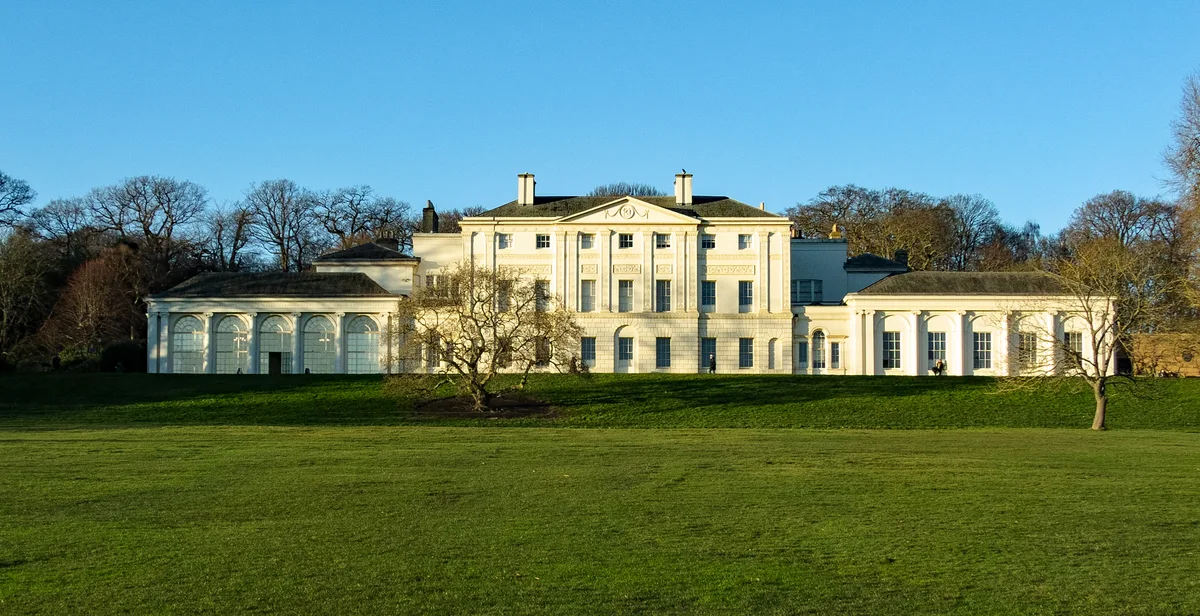 Flagship📷 10
Museums · London
Kenwood House
Kenwood House — art museum and historic house in Hampstead, London.
 📷 5
📷 5Museums · London
Amora London
Amora London — European touring exhibition dedicated to love, relationships and sexual wellbeing.
 📷 5
📷 5Museums · London
Antique Breadboard Museum
Antique Breadboard Museum — small museum in Putney, London, England, UK.
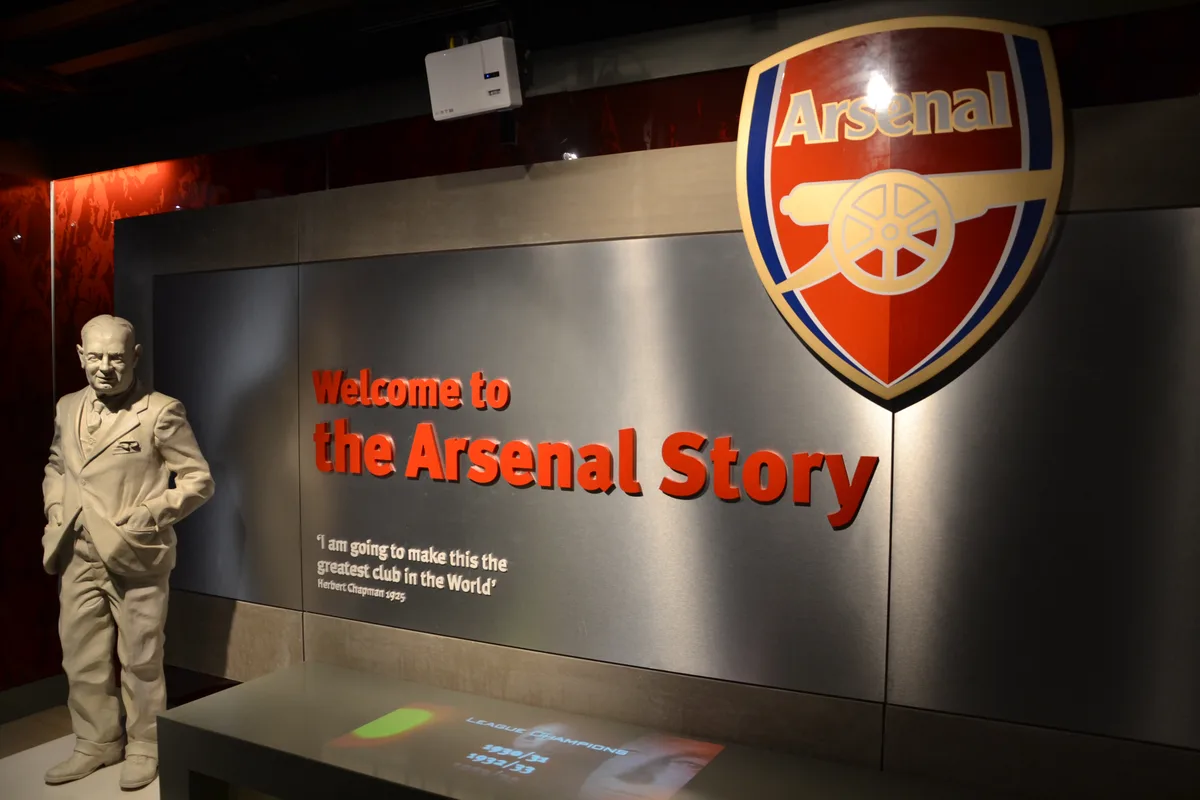 📷 5
📷 5Museums · London
Arsenal Football Club Museum
Arsenal Football Club Museum — sports museum in London.
More museums in this region
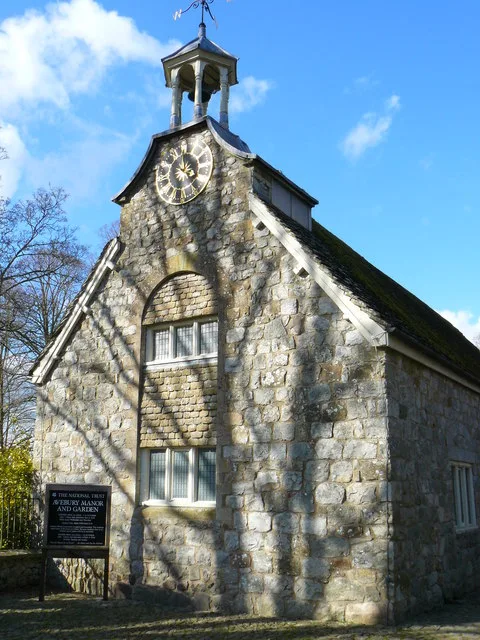 📷 5
📷 5Museums · South West England
Alexander Keiller Museum
Alexander Keiller Museum — museum in South West England, United Kingdom.
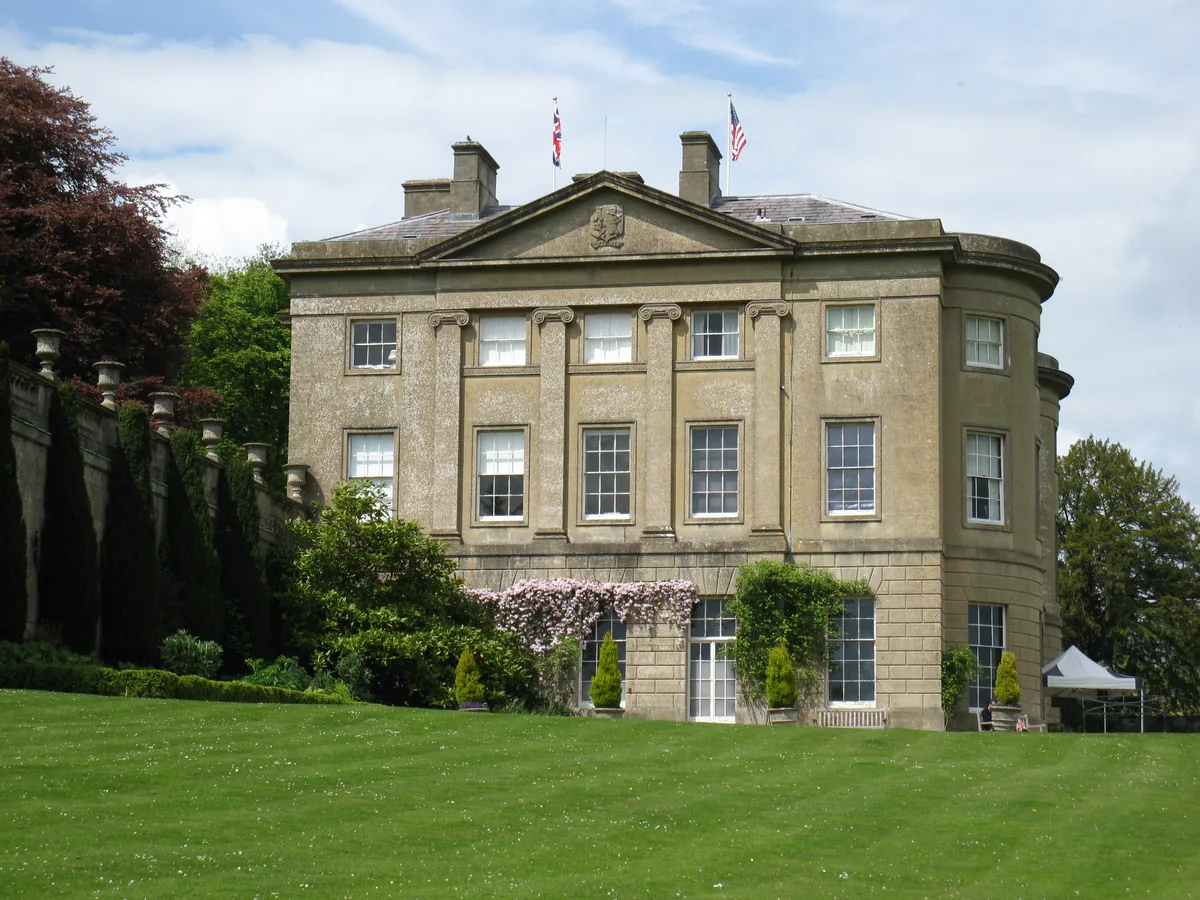 📷 5
📷 5Museums · South West England
American Museum and Gardens
American Museum and Gardens — culture and arts museum near Bath, England, United Kingdom.
 📷 5
📷 5Museums · South West England
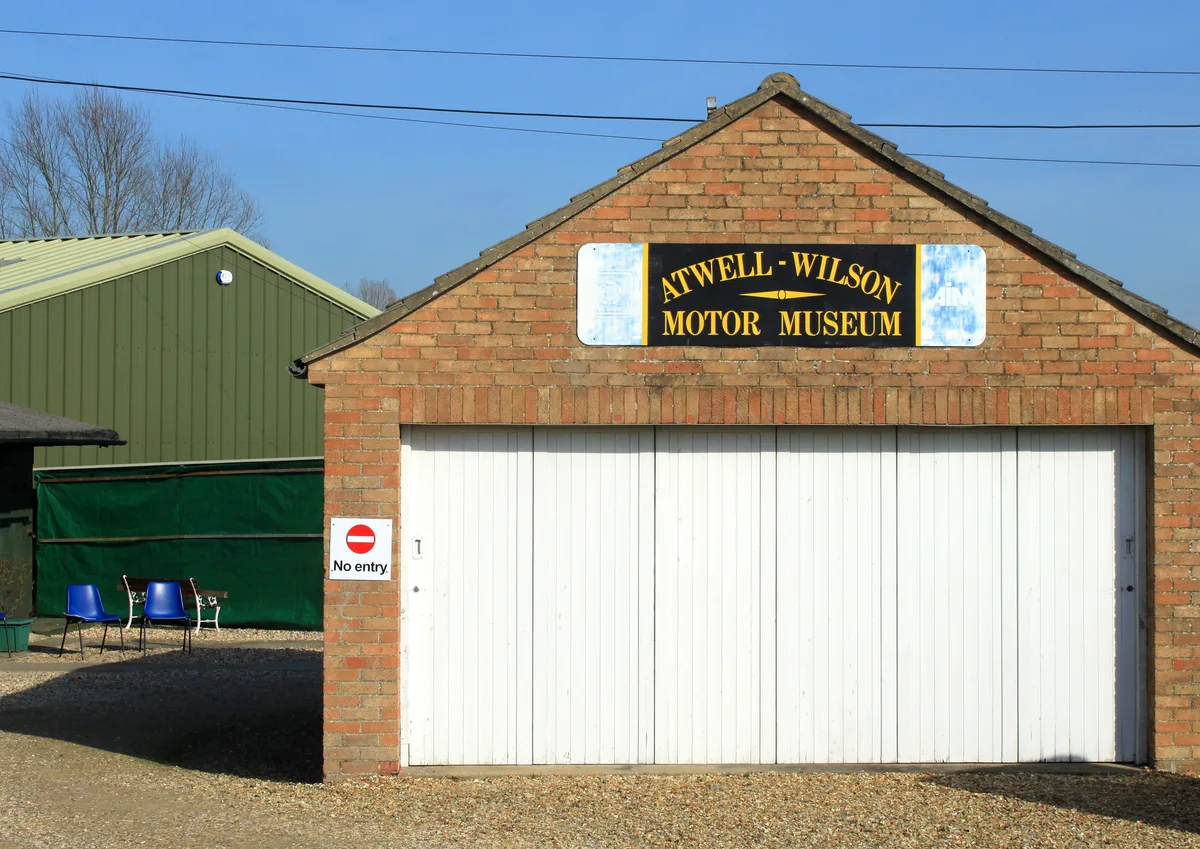
Atwell-Wilson Motor Museum
Atwell-Wilson Motor Museum — museum in Calne, England, UK.
 📷 5
📷 5Museums · South West England
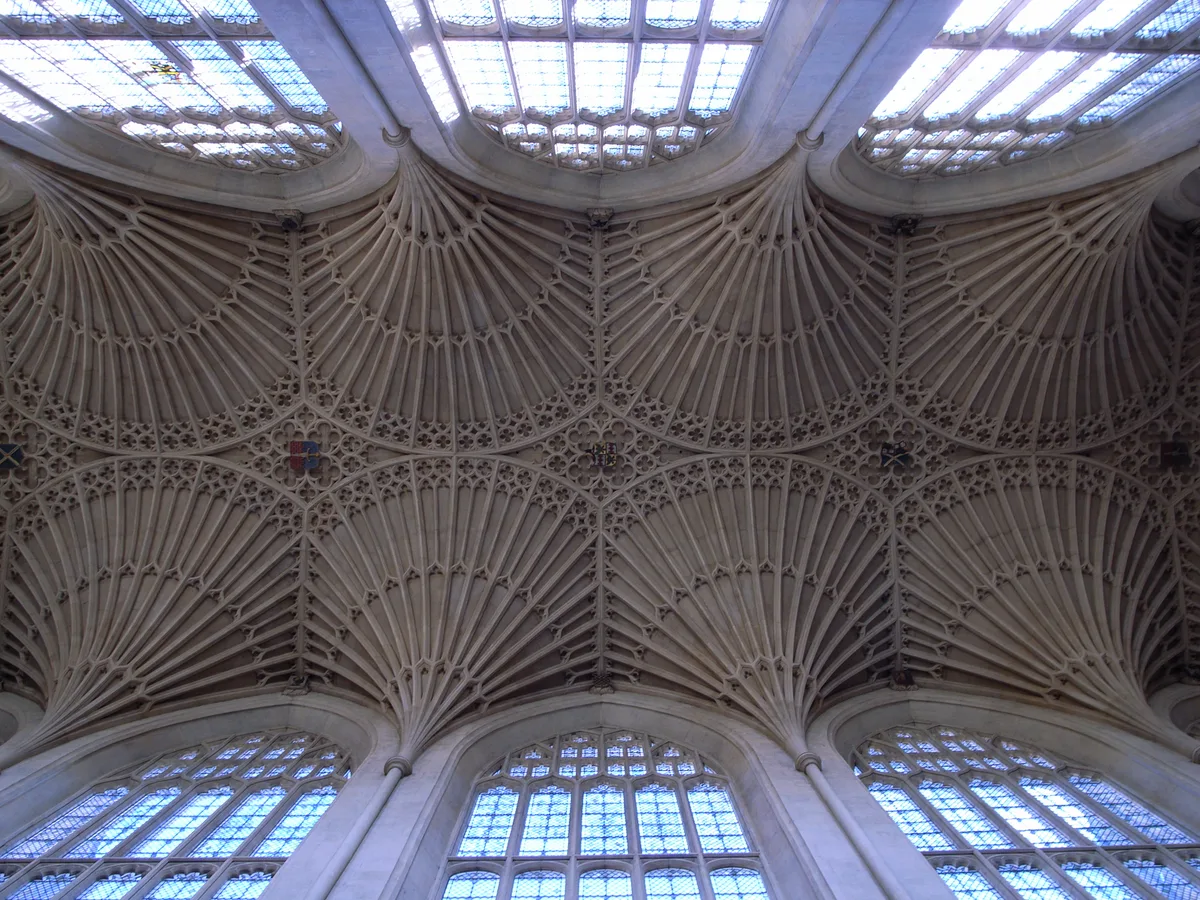
Bath Abbey Heritage Vaults
Bath Abbey Heritage Vaults — museum in Bath Abbey, Bath, England, UK.
Frequently asked questions
- Where is Museum of Witchcraft and Magic?
- Museum of Witchcraft and Magic is in South-West England, United Kingdom (postcode PL35 0HD), in the parish of Forrabury and Minster.
- What is Museum of Witchcraft and Magic?
- Museum of Witchcraft and Magic — museum established in Windsor, Berkshire, in 1954 and relocated to Cornwall, England in 1960.
- How do I get to Museum of Witchcraft and Magic?
- The nearest town is Boscastle. Drivers can use postcode PL35 0HD.
- When was Museum of Witchcraft and Magic built?
- Built or established in 1954.
- Is Museum of Witchcraft and Magic a protected site?
- Yes — Museum of Witchcraft and Magic is part of the Cornwall National Landscape (AONB).
- How do I get to Museum of Witchcraft and Magic?
- Drivers can navigate to postcode PL35 0HD. It sits within the North Cornwall parliamentary constituency.