
Castles · Central Scotland
Merchiston Tower
In or near Edinburgh.
Merchiston Tower — castle in City of Edinburgh, Scotland, UK.

Wikimedia Commons contributors — see linked file page for photographer and licence licence

Plan your visit
- Typical visit
- 1.5 h–3 h
- Nearest railway station
- Haymarket · 1.4 km
- Family-friendly
- Limited wheelchair access
Getting there & planning your visit
To visit Merchiston Tower, the nearest railway station is Haymarket, located 1.4 km away. The postcode for sat-nav is EH10 5DT. Accessibility is limited for wheelchair users.
About
Merchiston Tower is a castle in the United Kingdom — fortified architecture from the medieval, Tudor, or Victorian-revival period. Records date its origin to 1454. Heritage designation: category A listed building. Wikidata describes it as: "castle in City of Edinburgh, Scotland, UK". Coordinates: 55.9333°, -3.2139°.
Photo gallery
See it from the streetimagery from 2024
Imagery © Mapillary contributors, CC BY-SA 4.0
Heritage listing
Merchiston Tower, also known as Merchiston Castle, was probably built by Alexander Napier, the 2nd Laird of Merchiston, around 1454. It serves as the seat for Clan Napier. It was the home of John Napier, the 8th Laird of Merchiston, and the inventor of logarithms, who was born there in 1550. The tower stands at the centre of Edinburgh Napier University's Merchiston campus.
From Historic Environment Scotland under OGL v3.
From the Wikipedia article
Merchiston Tower, also known as Merchiston Castle, was probably built by Alexander Napier, the 2nd Laird of Merchiston, around 1454. It serves as the seat for Clan Napier. It was the home of John Napier, the 8th Laird of Merchiston, and the inventor of logarithms, who was born there in 1550. The tower stands at the centre of Edinburgh Napier University's Merchiston campus.
Excerpt from Wikipedia under CC BY-SA 4.0. See the source article linked in Sources below.
Background
History
The lands surrounding the castle were acquired before 1438 by Alexander Napier (1st Laird of Merchiston), and remained in the Napier family for most of the following five centuries. Merchiston Castle was probably built as a country house, but its strategic position and the turbulent political situation required it to be heavily fortified – with some walls as much as six feet thick – and it was frequently under siege. During restoration in the 1960s, a 26-pound cannonball was found embedded in the Tower, thought to date from the struggle in 1572 between Mary, Queen of Scots, and supporters of her son, James VI. In 1569, William Stewart of Luthrie was accused of witchcraft and conspiracy…
Architecture
The Tower is an interesting and elaborate example of the medieval tower house, being built on the familiar "L" plan with a wing projecting to the north. It was originally vaulted at the second floor and the roof. Among several remarkable features is the unusual elaboration of the main entrance, which is at the second floor level in the south front. The tall shallow recess in which the doorway is set undoubtedly housed a drawbridge which must have rested upon an outwork some 14 feet above ground level and 10 feet from the Tower. Shortly after being let to Merchiston Castle School it was considerably altered with the addition of a castellated Gothic-style two-story extension (see picture) and…
Sourced from Wikipedia under CC BY-SA 4.0.
- Coordinates
- 55.9333, -3.2139
- District
- City of Edinburgh
- Postcode
- EH10 5DT
- Parliamentary constituency
- Edinburgh South
- Established
- 1454
- Nearest railway station
- Haymarket — 1.4 km
Sources
- wikidata: Q1921452 (CC0)
- wikipedia: Merchiston Tower (CC BY-SA 4.0)
- commons: Merchiston Tower, Edinburgh.jpg (CC BY-SA 4.0)
Other places nearby

Iain Tomlin School of Music
Natural landmarks · 0.0 km

Church Hill Theatre
Open-air theatres · 0.2 km

Christ Church, Bruntsfield Place, Edinburgh
Historic churches · 0.3 km

North Morningside Church, Morningside Road, Edinburgh
Historic churches · 0.3 km

Churchill Theatre, Morningside Road, Edinburgh
Historic churches · 0.3 km
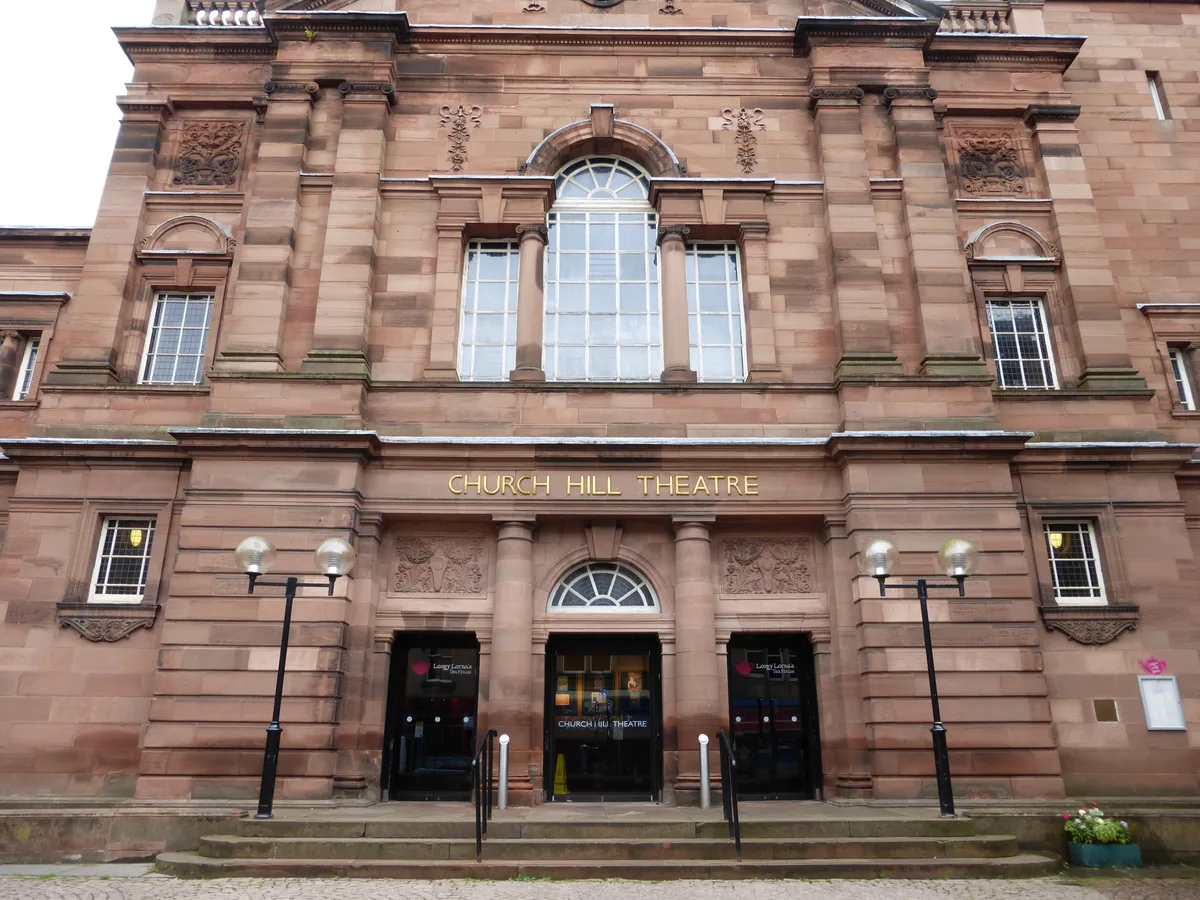
Church Hill Theatre
Theatres · 0.3 km
Morningside United Church, 1-3 Morningside Road, Edinburgh
Historic churches · 0.3 km

War Memorial, Colinton Road, Edinburgh
Memorials & monuments · 0.3 km
College War Memorial
Memorials & monuments · 0.3 km

Bore Stone, Morningside Road, Morningside, Edinburgh
Memorials & monuments · 0.3 km
Bore Stone
Memorials & monuments · 0.3 km
Morningside Parish Church, Morningside Road, Morningside, Edinburgh
Historic churches · 0.4 km
Nearby
📷 5Natural landmarks · Central Scotland
Iain Tomlin School of Music
Iain Tomlin School of Music — a school heritage in scotland-central, United Kingdom.
📷 5Open-air theatres · Central Scotland
Church Hill Theatre
Church Hill Theatre — a open-air theatre in scotland central.
📷 5Historic churches · Central Scotland
Christ Church, Bruntsfield Place, Edinburgh
Christ Church, Bruntsfield Place, Edinburgh — category B listed building-listed church in scotland-central, United Kingdom.
📷 5Historic churches · Central Scotland
North Morningside Church, Morningside Road, Edinburgh
North Morningside Church, Morningside Road, Edinburgh — category B listed building-listed church in scotland-central, United Kingdom.
📷 5Historic churches · Central Scotland
Churchill Theatre, Morningside Road, Edinburgh
Churchill Theatre, Morningside Road, Edinburgh — category B listed building-listed church in scotland-central, United Kingdom.
📷 3Theatres · Central Scotland
Church Hill Theatre
Church Hill Theatre is a theatre in the United Kingdom.
Where to eat & stay near Merchiston Tower
Places to stay
 📷 5📷 5
Hostels · Central Scotland
Light House Hostel
Light House Hostel — a hostel in scotland central.
 📷 7
📷 7Hotels · Central Scotland
Hampton by Hilton Edinburgh West End
Hampton by Hilton Edinburgh West End — a hotel in scotland central. 3-star. Brand: Hampton.
 📷 7
📷 7 📷 5
📷 5Hostels · Central Scotland
The Hostel
The Hostel — a hostel in scotland central.
 📷 5
📷 5Hotels · Central Scotland
DoubleTree by Hilton Hotel Edinburgh City Centre
DoubleTree by Hilton Hotel Edinburgh City Centre — a hotel in scotland central. 4-star. Brand: DoubleTree.
Places to eat & drink
 📷 5
📷 5Historic pubs · Central Scotland
The Canny Man's, 237, 239 Morningside Road, Edinburgh
The Canny Man's, 237, 239 Morningside Road, Edinburgh in Scotland Central, United Kingdom.
 📷 7
📷 7Historic pubs · Central Scotland
Bennets Bar, 8, 10, 12 Leven Street, Edinburgh
Bennets Bar, 8, 10, 12 Leven Street, Edinburgh in Scotland Central, United Kingdom.
 📷 5
📷 5Historic pubs · Central Scotland
22, 24, 26, 28, 30 Marchmont Crescent, Edinburgh
22, 24, 26, 28, 30 Marchmont Crescent, Edinburgh in Scotland Central, United Kingdom.
 📷 5
📷 5Historic pubs · Central Scotland
Public House, 133 Lothian Road, Edinburgh
Public House, 133 Lothian Road, Edinburgh in Scotland Central, United Kingdom.
 📷 7
📷 7Historic pubs · Central Scotland
15-16 Argyle Place, Edinburgh
15-16 Argyle Place, Edinburgh in Scotland Central, United Kingdom.
 📷 7
📷 7Historic pubs · Central Scotland
Caley Picture House
Caley Picture House in Scotland Central, United Kingdom.
Other castles from this era
 📷 5
📷 5Castles · South East England
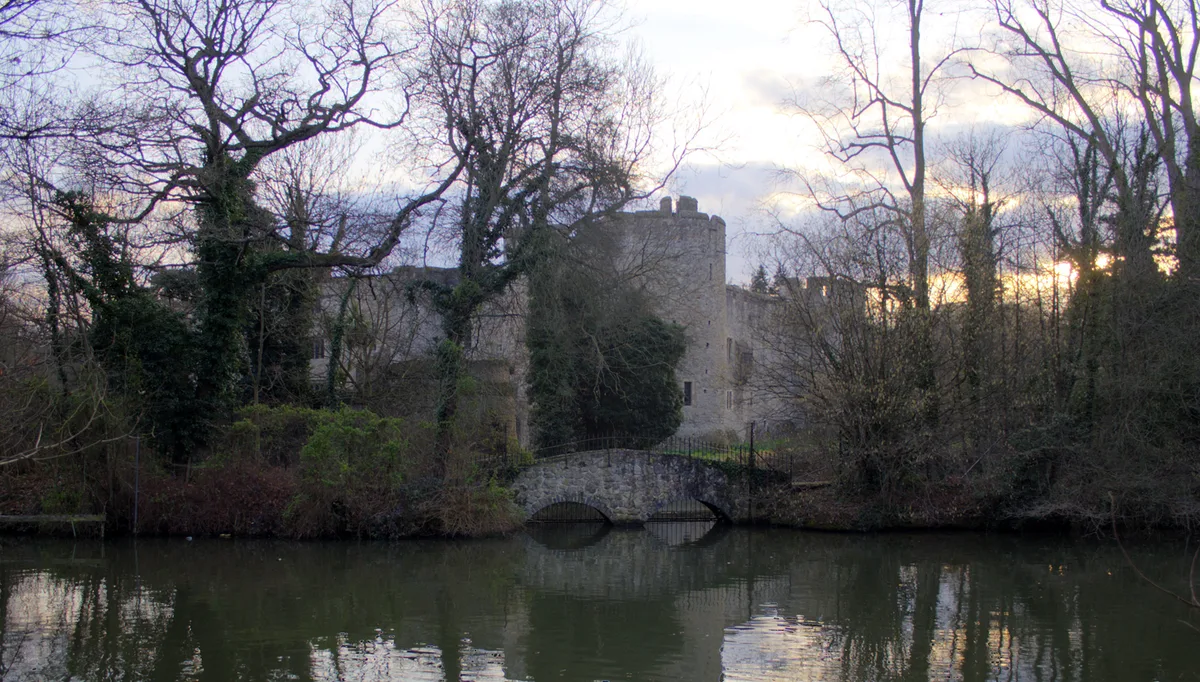
Allington Castle
Allington Castle — stone-built moated castle in Allington, England.
 📷 5
📷 5Castles · South East England
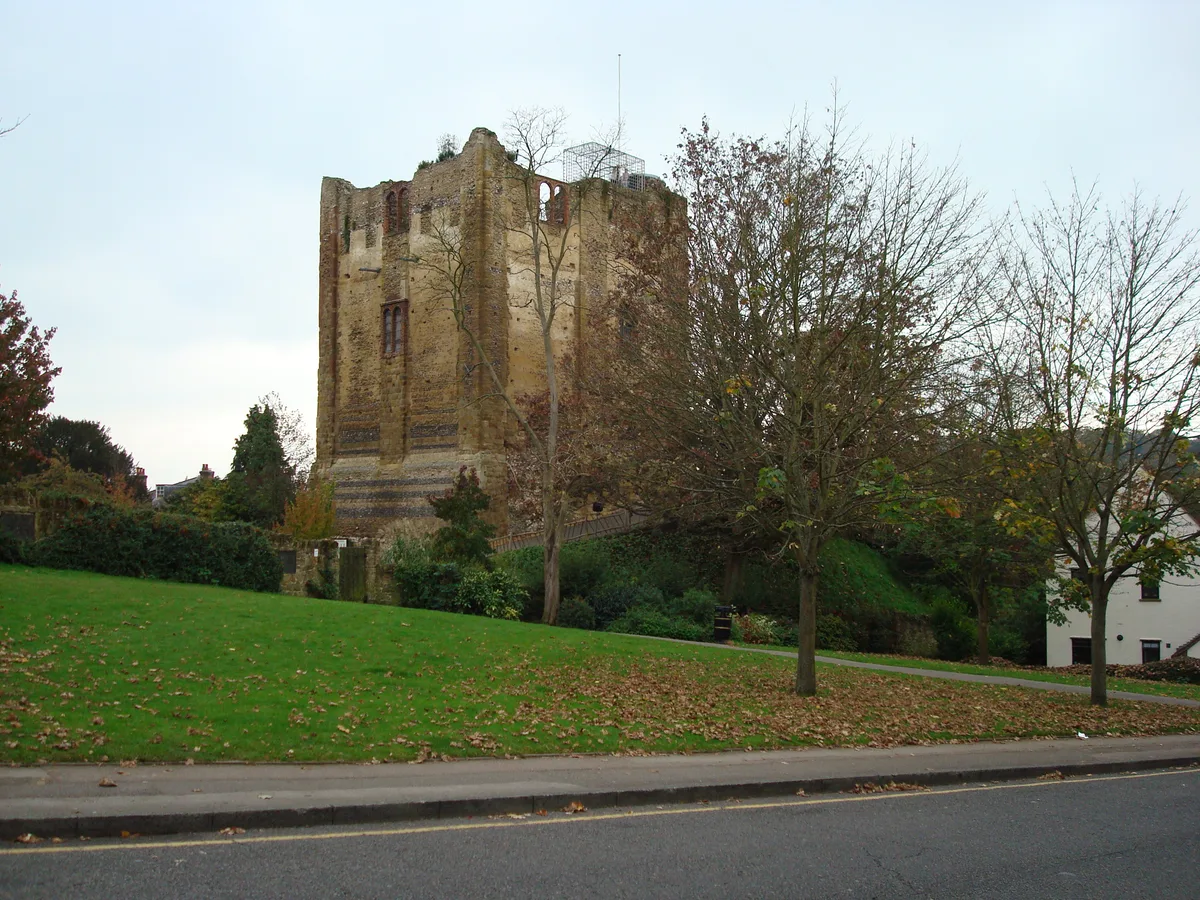
Guildford Castle
Guildford Castle — castle in Guildford, Surrey, England, UK.
 📷 5
📷 5Castles · South East England
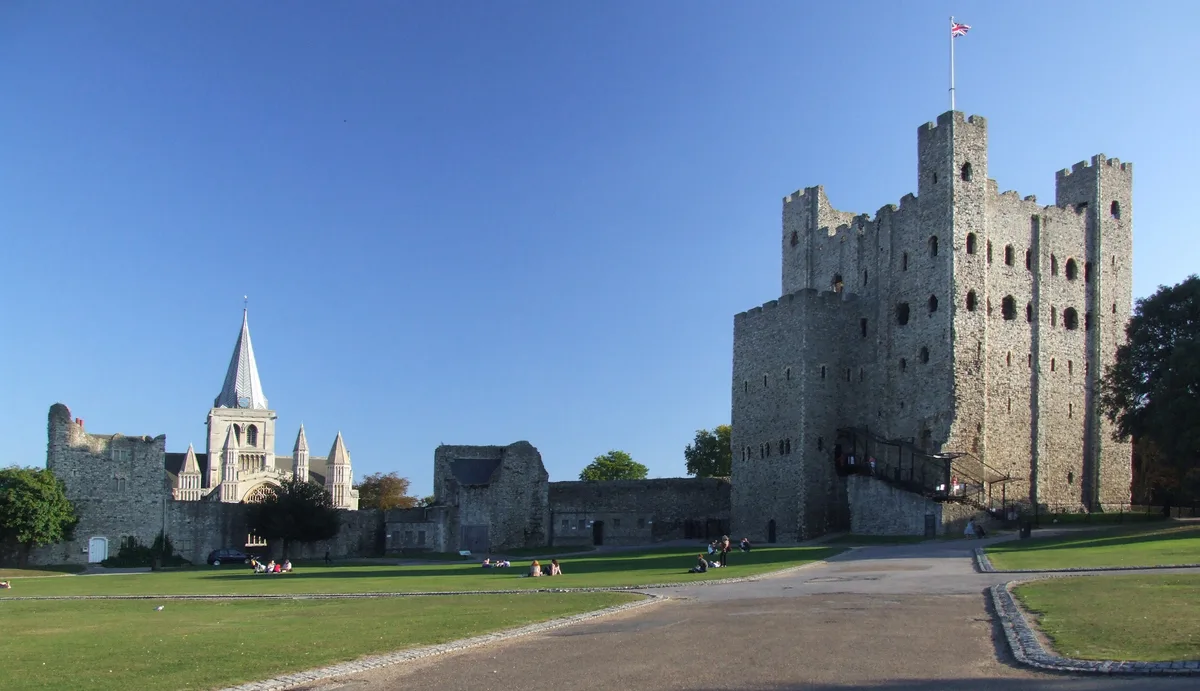
Rochester Castle
Rochester Castle — castle in Rochester, Kent, South East England.
 📷 5
📷 5Castles · South East England
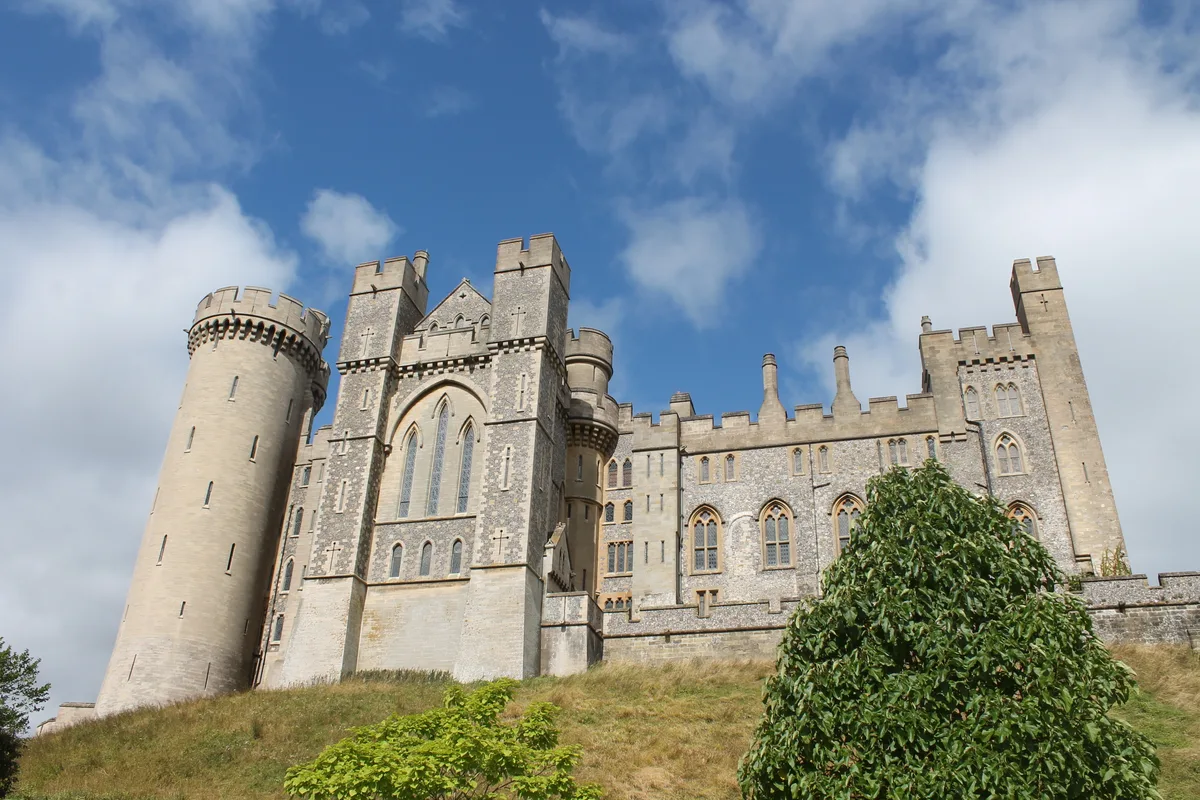
Arundel Castle
Arundel Castle — castle in West Sussex, England, UK.
More castles in this region
 📷 3
📷 3 📷 5
📷 5 📷 4
📷 4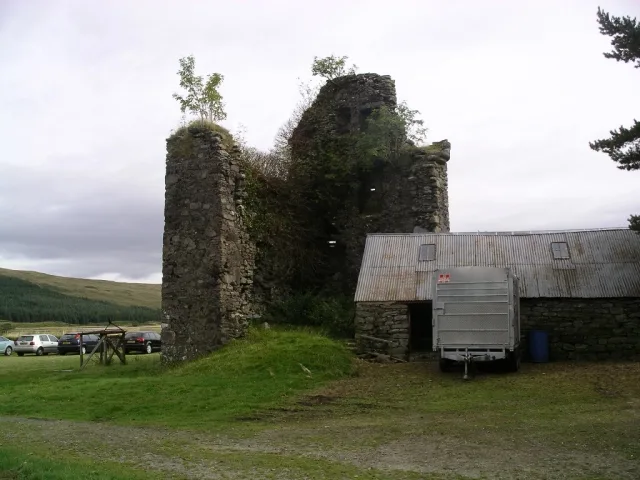 📷 3
📷 3Castles · Central Scotland
Achallader Castle
Achallader Castle — castle in Argyll and Bute, Scotland, UK.
Frequently asked questions
- Where is Merchiston Tower?
- Merchiston Tower is in central Scotland, United Kingdom (postcode EH10 5DT).
- What is Merchiston Tower?
- Merchiston Tower — castle in City of Edinburgh, Scotland, UK.
- How do I get to Merchiston Tower?
- The nearest railway station is Haymarket, about 1.4 km away. The nearest town is Edinburgh. Drivers can use postcode EH10 5DT.
- When was Merchiston Tower built?
- Built or established in 1454.
- Who owns Merchiston Tower?
- Merchiston Tower is owned by Napier University.
- Is Merchiston Tower a listed building?
- Merchiston Tower is officially recognised as category A listed building listed.
- Does Merchiston Tower charge admission?
- Merchiston Tower typically charges admission. Check the official site for current ticket prices and opening hours.
- How do I get to Merchiston Tower?
- The nearest railway station is Haymarket, about 1.4 km away. Drivers can navigate to postcode EH10 5DT.