
Stately homes · South West England
Lytes Cary
In or near Ilchester.
Lytes Cary — Grade I listed manor house in Somerset, England, UK.

Wikimedia Commons contributors — see linked file page for photographer and licence licence

Plan your visit
- Typical visit
- 2 h–4 h
- Paid entry
- Family-friendly
- Limited wheelchair access
Getting there & planning your visit
To visit Lytes Cary, the nearest postcode for sat-nav is TA11 7HU. Entry is paid, and accessibility is limited for wheelchair users.
About
Lytes Cary is a stately home in the United Kingdom. Heritage designation: Grade I listed building. Managed by National Trust. Wikidata describes it as: "Grade I listed manor house in Somerset, England, UK". Coordinates: 51.0365°, -2.6672°.
Photo gallery
Heritage listing
Lytes Cary is a manor house with associated chapel and gardens near Charlton Mackrell and Somerton in Somerset, England. The property, owned by the National Trust, has parts dating to the 14th century, with other sections dating to the 15th, 16th, 18th, and 20th centuries. "Yet all parts blend to perfection with one another and with the gentle sunny landscape that surrounds them," comments Nikolaus Pevsner. The House is listed as Grade I by English Heritage. The chapel predates the existing house, having been built around 1343, and functioned as a chantry chapel, where masses could be said for the souls of the family, both living and dead. The great hall was added in the 15th century and the Oriel Room in the 16th.
From the Historic England List Entry under OGL v3.
Summary from the official site
Lytes Cary Manor is a medieval manor house that features a restored chapel, farm buildings, and an Arts and Crafts-inspired garden. Visitors can explore the 350-acre estate, which includes farmland, woodland, and waymarked walks, as well as enjoy various activities and wildlife spotting.
Read more on the official property page.
From the Wikipedia article
Lytes Cary is a manor house with associated chapel and gardens near Charlton Mackrell and Somerton in Somerset, England. The property, owned by the National Trust, has parts dating to the 14th century, with other sections dating to the 15th, 16th, 18th, and 20th centuries. "Yet all parts blend to perfection with one another and with the gentle sunny landscape that surrounds them," comments Nikolaus Pevsner. The House is listed as Grade I by English Heritage. The chapel predates the existing house, having been built around 1343, and functioned as a chantry chapel, where masses could be said for the souls of the family, both living and dead. The great hall was added in the 15th century and the Oriel Room in the 16th. Various renovations were undertaken during the 16th and 17th centuries after which the house fell into disrepair with the north range being demolished by the early 19th century. In 1907 Sir Walter Jenner of the Jenner baronets bought the house and restored it in a period style, furnishing it with fine 17th century and 18th century oak furniture, antique tapestries and fabrics modelled after medieval textiles, along with historic and period paintings. On his death in 1948 he left the house to the National Trust. The gardens are listed as Grade II on the Register of Historic Parks and Gardens of special historic interest in England. The original 17th-century gardens have disappeared. However, the Jenners laid them out in an Arts and Crafts style with a series of 'rooms', which are separated from each other by high, neatly clipped box and yew hedges. These are complemented by ponds and walks in and between each of the 'rooms'.
Excerpt from Wikipedia under CC BY-SA 4.0. See the source article linked in Sources below.
Background
History
The parkland surrounding the house includes the site of a deserted medieval settlement which is a scheduled monument. The unusual name derives from the Lyte family who lived at Lytes Cary for over four centuries, and the River Cary which flows nearby. The first documentary evidence is from 1285 when it was known as Kari. William le Lyte was a feudal tenant of the estate in 1286, and the Lyte family occupied and added to the house until the mid-18th century. The earliest surviving part of the manor and associated buildings is the chapel, which dates to the mid-14th century. The Great Hall was built in the mid-15th century, and in the early 16th century the entrance porch and oriel room were…
Sourced from Wikipedia under CC BY-SA 4.0.
- Coordinates
- 51.0365, -2.6672
- District
- Somerset
- Parish
- The Charltons
- Postcode
- TA11 7HU
- Parliamentary constituency
- Glastonbury and Somerton
- Opening
- Daily 10am–5pm; house open 11am–3:30pm; closed 24–26 Dec
- Official site
- www.nationaltrust.org.uk
Sources
- wikidata: Q6710321 (CC0)
- wikipedia: Lytes Cary (CC BY-SA 4.0)
- commons: Lytes Cary 1920x1200.jpg (CC BY-SA 4.0)
Other places nearby

Water Tower, 135M North-East Of Lytes Cary
Memorials & monuments · 0.1 km

Road Bridge At Ngr St 5468 2694
Historic bridges · 1.4 km

Kingsdon
Villages · 1.7 km

Unidentified Monument, In The Churchyard 6 Metres South Of Chancel, Church Of St Mary
Memorials & monuments · 1.8 km

Bryan Monument In Churchyard,11 Metres North East Of Chancel, Church Of St Mary
Memorials & monuments · 1.9 km

The Court
Historic houses · 2.0 km
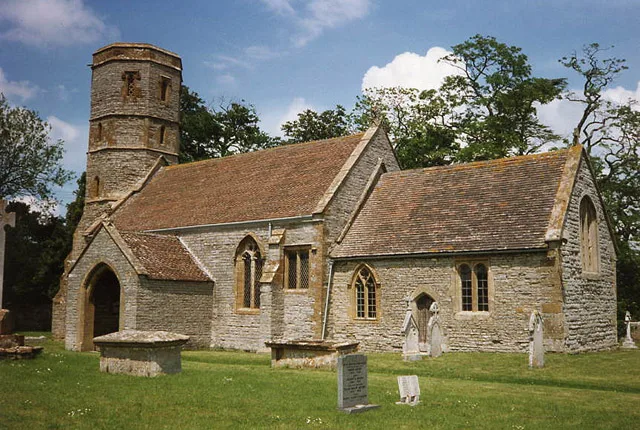
Church of St Peter
Historic churches · 2.0 km

Charlton Mackrell
Museums · 2.1 km
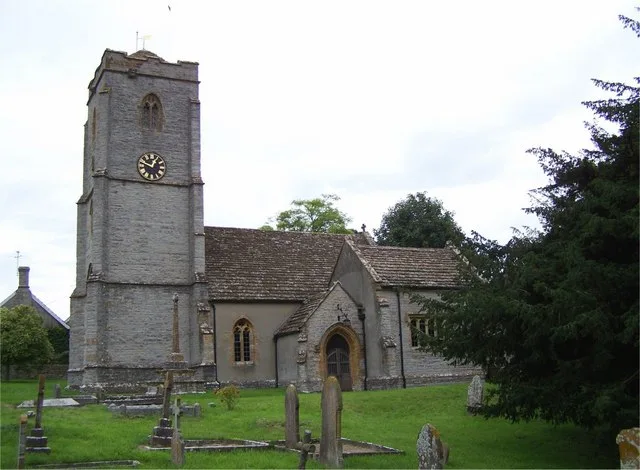
Church of St Peter and St Paul
Historic churches · 2.1 km

The Abbey, Charlton Adam
Abbeys & priories · 2.2 km

Kingsdon Hill
Mountains & hills · 2.3 km
.jpg?width=1200)
Charlton House
Historic houses · 2.5 km
Nearby
📷 5Memorials & monuments · South West England
Water Tower, 135M North-East Of Lytes Cary
Water Tower, 135M North-East Of Lytes Cary — a water tower in england-south-west, United Kingdom.
📷 3Historic bridges · South West England
Road Bridge At Ngr St 5468 2694
Road Bridge At Ngr St 5468 2694 — Grade II listed building-listed bridge in england-south-west, United Kingdom.
📷 5📷 3Memorials & monuments · South West England
Unidentified Monument, In The Churchyard 6 Metres South Of Chancel, Church Of St Mary
Unidentified Monument, In The Churchyard 6 Metres South Of Chancel, Church Of St Mary — Grade II listed building-listed memorial in england-south-west, United Kingdom.
📷 3Memorials & monuments · South West England
Bryan Monument In Churchyard,11 Metres North East Of Chancel, Church Of St Mary
Bryan Monument In Churchyard,11 Metres North East Of Chancel, Church Of St Mary — Grade II listed building-listed memorial in england-south-west, United Kingdom.
📷 3Historic houses · South West England
The Court
The Court — house in Charlton Mackrell, Somerset, England, UK.
Where to eat & stay near Lytes Cary
Places to stay
 📷 5
📷 5Hotels · South West England
The Unicorn
The Unicorn — a hotel in england south west.
 📷 5
📷 5Caravan parks · South West England
The Cross Keys Inn Caravan and Motorhome Park
The Cross Keys Inn Caravan and Motorhome Park — a caravan park in england south west.
 📷 5
📷 5Campsites · South West England
Long Hazel Park
Long Hazel Park — a campsite in england south west.
 📷 7
📷 7 📷 5
📷 5Hostels · South West England
YHA Hostel Street
YHA Hostel Street — a hostel in england south west.
 📷 5
📷 5Campsites · South West England
Tall Trees Glamping
Tall Trees Glamping — a campsite in england south west.
Places to eat & drink
 📷 5
📷 5Restaurants · South West England
28 Market Place
28 Market Place — a restaurant in england south west.
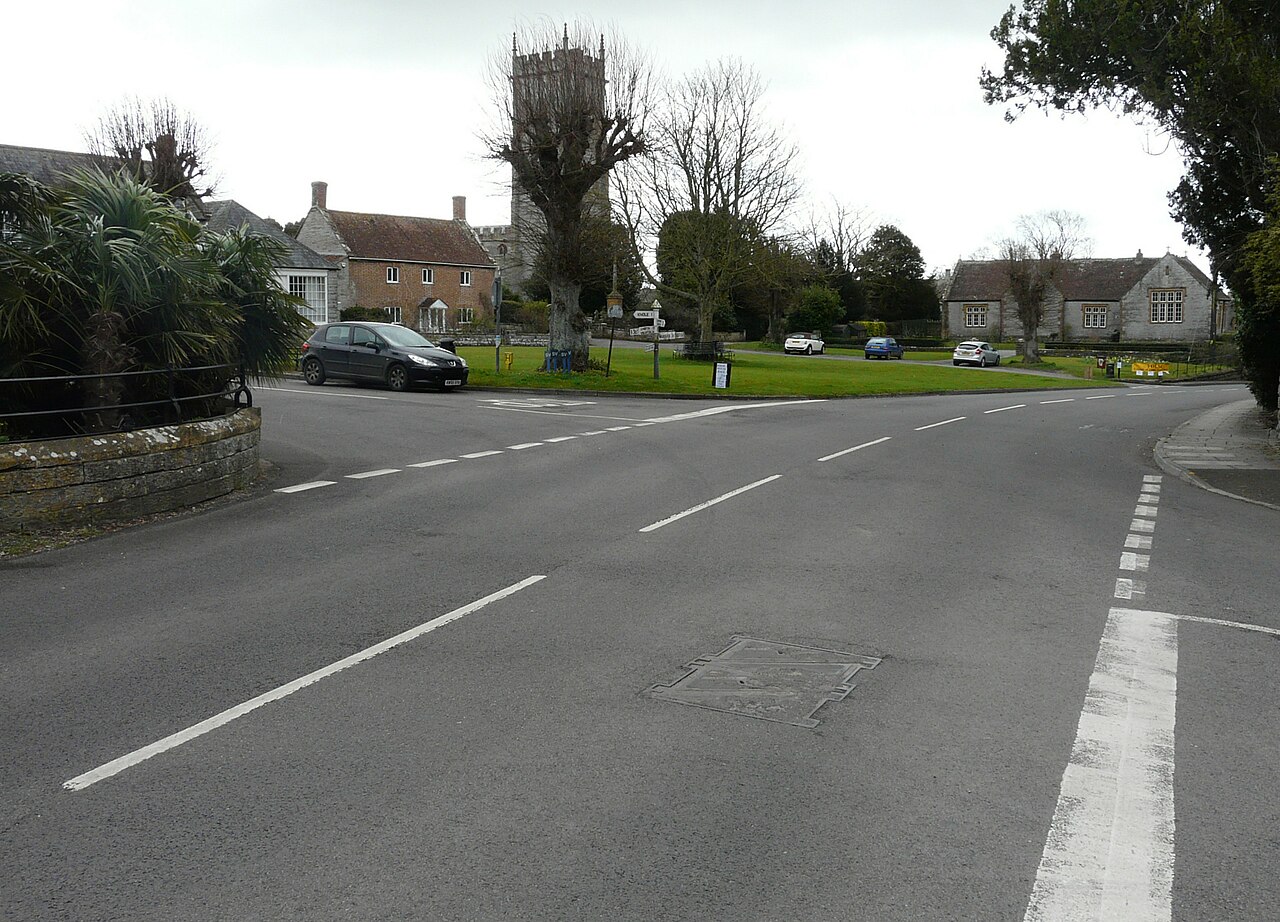 📷 7
📷 7Historic pubs · South West England
The Devonshire Arms Hotel
The Devonshire Arms Hotel in England South West, United Kingdom.
📷 7 📷 5
📷 5 📷 5
📷 5 📷 5
📷 5Historic pubs · South West England
Pall Tavern With Stables To Rear
Pall Tavern With Stables To Rear in England South West, United Kingdom.
More places run by National Trust
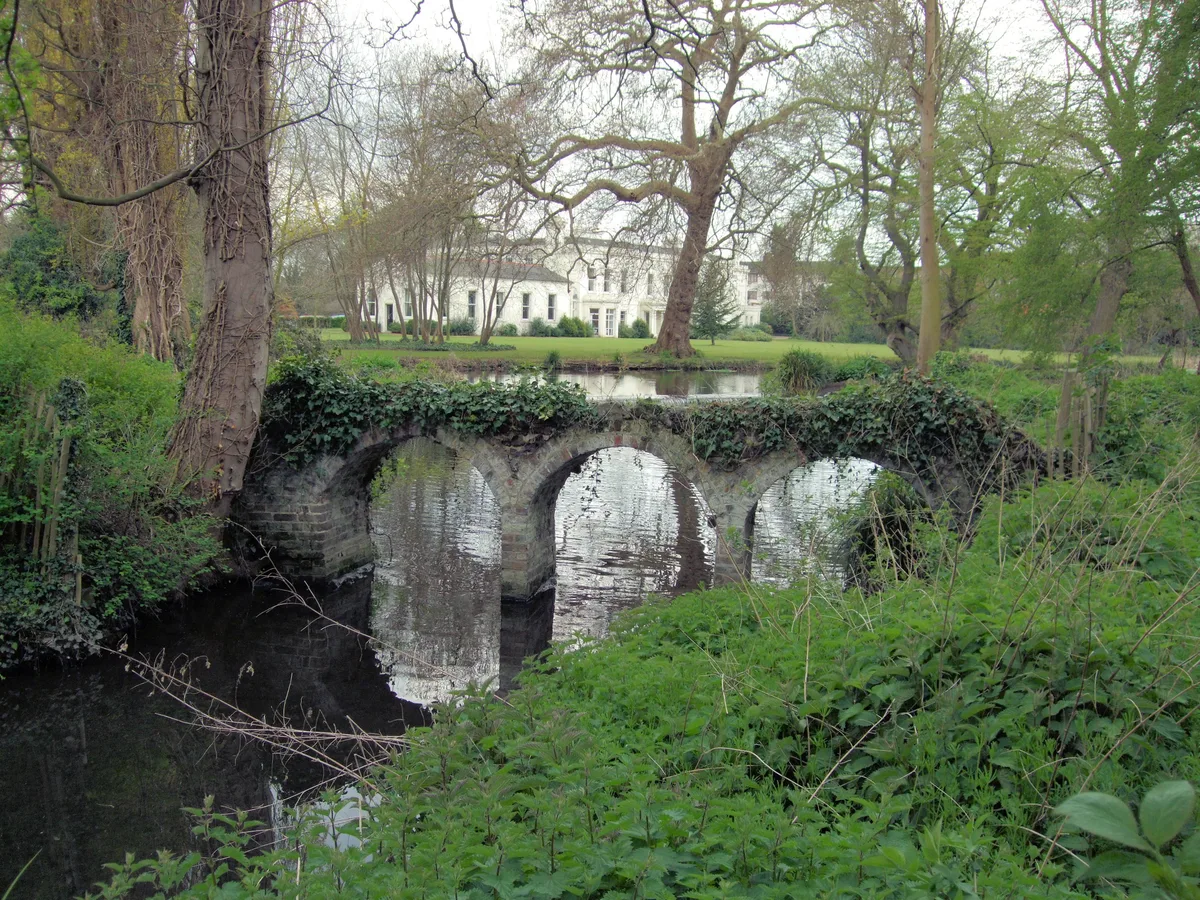 Flagship📷 10
Parks · London
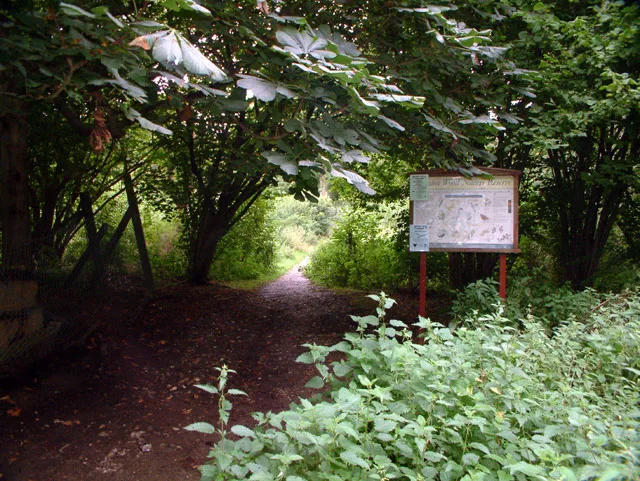
Morden Hall Park
Morden Hall Park — park in Morden, London.
 Flagship📷 10
 📷 5
📷 5Gardens · London
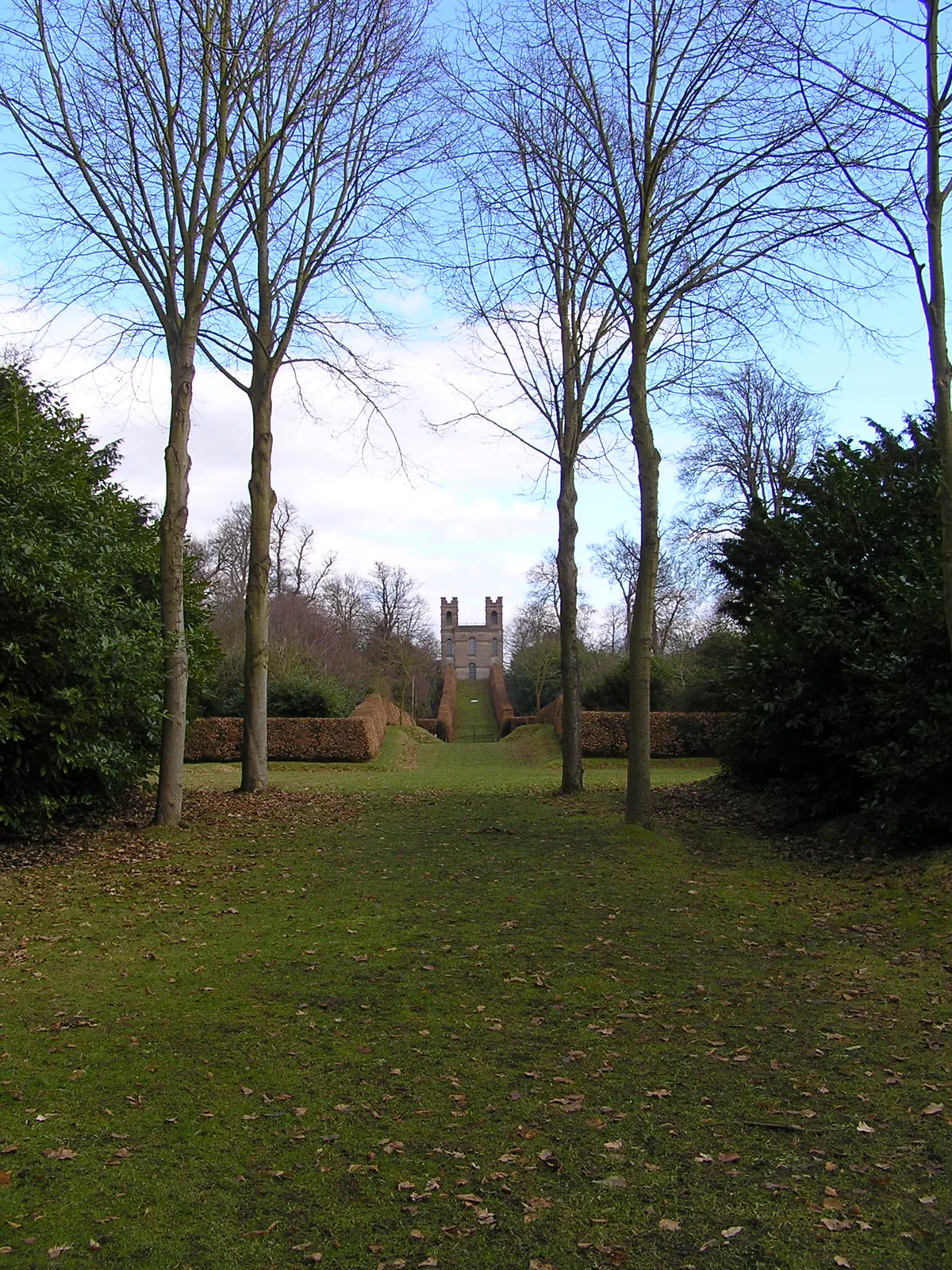
Claremont Landscape Garden
Claremont Landscape Garden — historic garden in Surrey, England, UK.
 📷 5
📷 5Stately homes · London
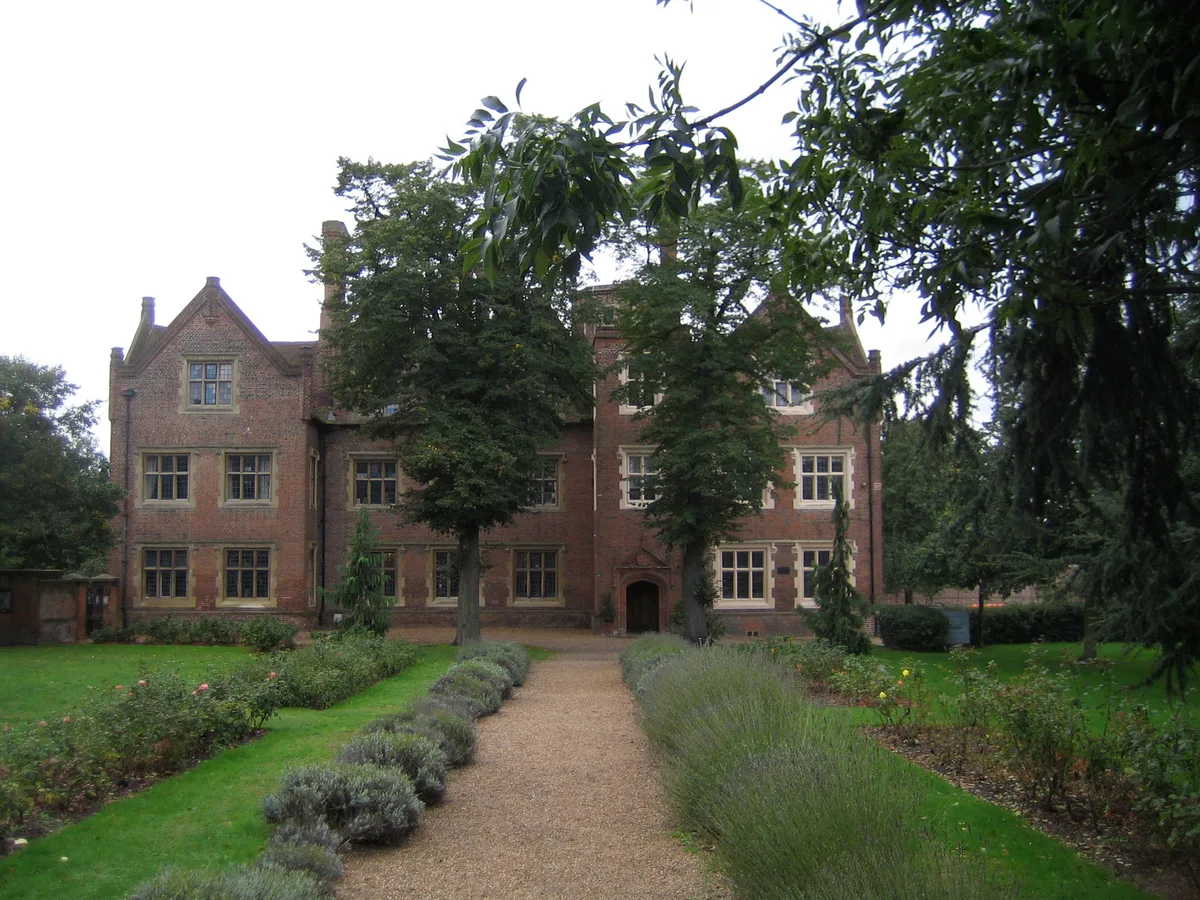
Eastbury Manor House
Eastbury Manor House — Grade I listed historic house museum in London Borough of Barking and Dagenham, United Kingdom.
More places in this region
 Flagship📷 9
Stately homes · South West England
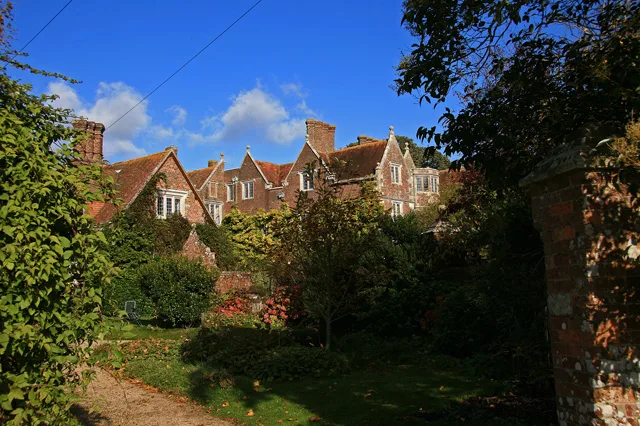
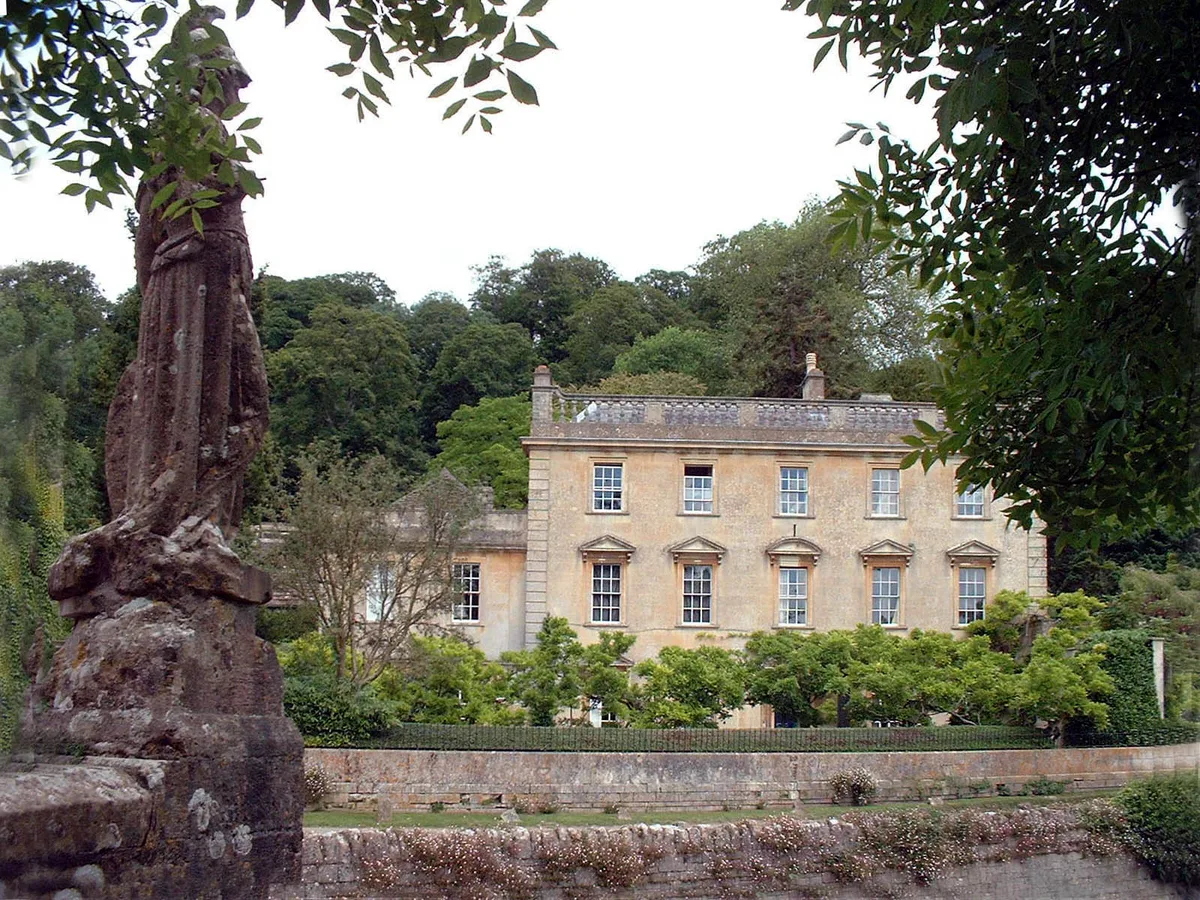
Anderson Manor
Anderson Manor — Grade I listed manor house in Anderson, Dorset, England, UK.
 Flagship📷 10
Stately homes · South West England
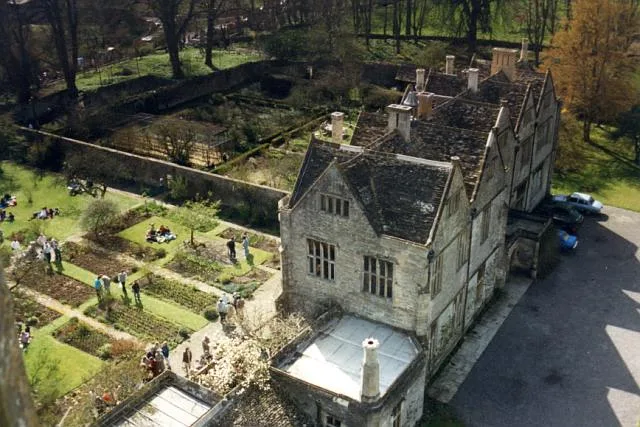
Iford Manor
Iford Manor — manor house in Somerset/Wiltshire, UK.
 Flagship📷 10
Stately homes · South West England
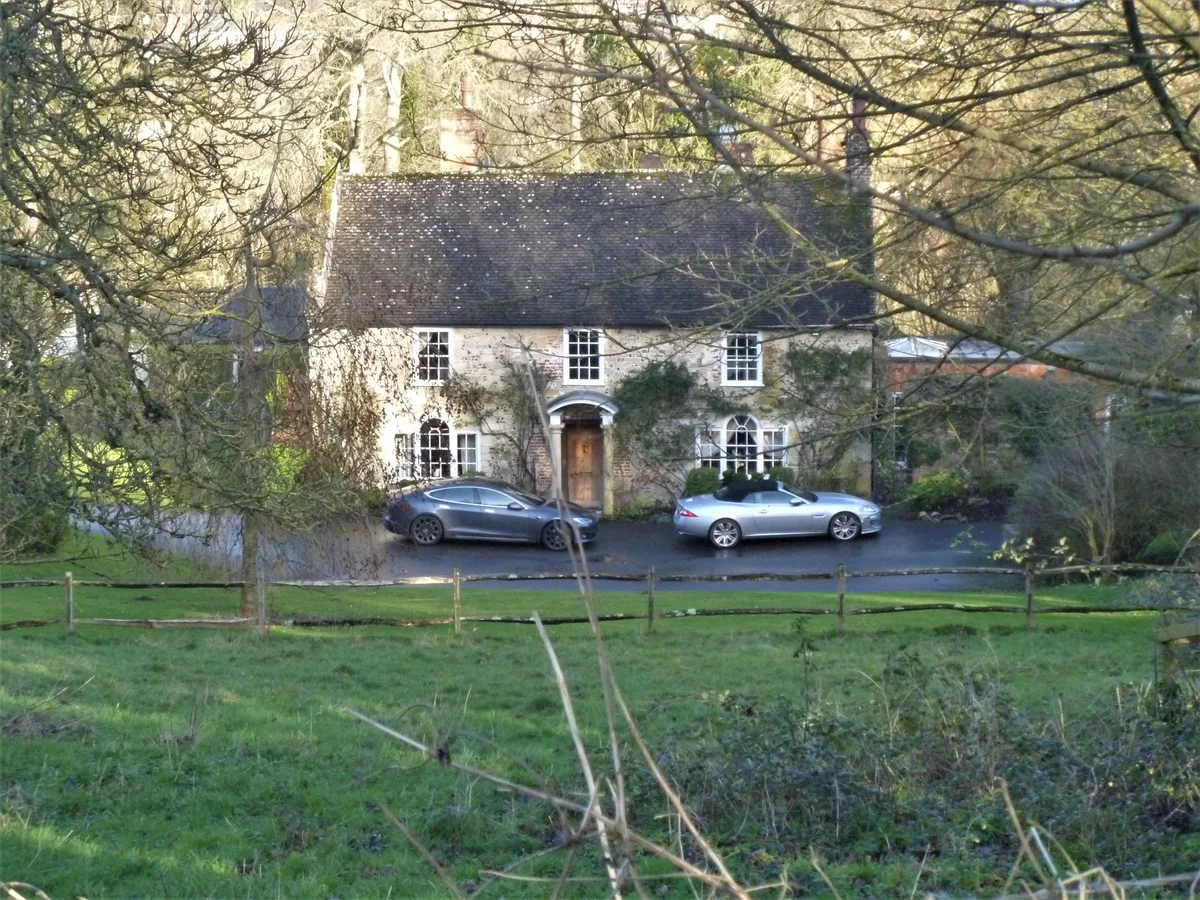
Mells Manor
Mells Manor — Grade I listed house in Mells, Somerset, England, UK.
 Flagship📷 5
Stately homes · South West England
Addestone Manor
Addestone Manor — manor house in Shrewton, Wiltshire, England, UK.
Frequently asked questions
- Where is Lytes Cary?
- Lytes Cary is in South-West England, United Kingdom (postcode TA11 7HU), in the parish of The Charltons.
- What is Lytes Cary?
- Lytes Cary — Grade I listed manor house in Somerset, England, UK.
- How do I get to Lytes Cary?
- The nearest town is Ilchester. Drivers can use postcode TA11 7HU.
- Who runs Lytes Cary?
- Lytes Cary is operated by National Trust.
- Is Lytes Cary a listed building?
- Lytes Cary is officially recognised as Grade I listed building listed.
- How do I get to Lytes Cary?
- Drivers can navigate to postcode TA11 7HU. It sits within the Glastonbury and Somerton parliamentary constituency.