
Museums · South East England
Lyndhurst, Hampshire
In or near Ashurst.
Lyndhurst is a village and civil parish situated in the New Forest National Park in Hampshire, England, about nine miles (14 km) south-west of Southampton. Known as the "Capital of the New Forest", L

John M — CC BY-SA 2.0 via Wikimedia Commons licence

Plan your visit
- Typical visit
- 1.5 h–3 h
- Best time of year
- Year-round
- Nearest railway station
- Ashurst New Forest · 4.4 km
- Free entry
- Family-friendly
- Limited wheelchair access
Getting there & planning your visit
To visit Lyndhurst in Hampshire, the nearest railway station is Ashurst New Forest, located 4.4 km away. Entry to the museum is free, but wheelchair accessibility is limited. The postcode for sat-nav is SO43 7DN.
About
Lyndhurst is a village and civil parish situated in the New Forest National Park in Hampshire, England, about nine miles (14 km) south-west of Southampton. Known as the "Capital of the New Forest", Lyndhurst houses the New Forest District Council and Court of Verderers. It is also a popular tourist attraction, with many independent shops, art galleries, cafés, museums, pubs and hotels. As of 2001 Lyndhurst had a population of 2,973, increasing to 3,029 at the 2011 Census. The name derives from an Old English name, comprising the words lind (lime tree) and hyrst (wooded hill). The first mention of Lyndhurst was in the Domesday Book of 1086 under the name 'Linhest'. The church of St. Michael and All Angels was built in the 1860s, and contains a fresco by Lord Leighton and stained-glass windows by Charles Kempe, William Morris, Edward Burne-Jones and others; Alice Liddell, the inspiration for Alice in Lewis Carroll's Alice's Adventures in Wonderland, is buried there. Glasshayes House (the former Lyndhurst Park Hotel) is the only surviving example of Sir Arthur Conan Doyle's architectural experimentation, and local folklore records Lyndhurst as the site of a Dragon-slaying, and as being haunted by the ghost of Richard Fitzgeorge de Stacpoole, 1st Duc de Stacpoole.
Photo gallery
See it from the streetimagery from 2025
Imagery © Mapillary contributors, CC BY-SA 4.0
Summary from the official site
The New Forest Heritage Centre is a charitable trust that serves as a hub for exploring the history, customs, and wildlife of the New Forest. Visitors can access a museum, library, archive, and gallery, as well as participate in community learning and events.
Read more on the official property page.
Protected designations
- Site of Special Scientific Interest: Lymington River SSSI
- Site of Special Scientific Interest: The New Forest SSSI
- Ramsar wetland: New Forest
Designations sourced from Natural England open data under OGL v3.
From the Wikipedia article
Lyndhurst is a village and civil parish situated in the New Forest National Park in Hampshire, England, about nine miles (14 km) south-west of Southampton. Known as the "Capital of the New Forest", Lyndhurst houses the New Forest District Council and Court of Verderers. It is also a popular tourist attraction, with many independent shops, art galleries, cafés, museums, pubs and hotels. As of 2001 Lyndhurst had a population of 2,973, increasing to 3,029 at the 2011 Census. The name derives from an Old English name, comprising the words lind (lime tree) and hyrst (wooded hill). The first mention of Lyndhurst was in the Domesday Book of 1086 under the name 'Linhest'. The church of St. Michael and All Angels was built in the 1860s, and contains a fresco by Lord Leighton and stained-glass windows by Charles Kempe, William Morris, Edward Burne-Jones and others; Alice Liddell, the inspiration for Alice in Lewis Carroll's Alice's Adventures in Wonderland, is buried there. Glasshayes House (the former Lyndhurst Park Hotel) is the only surviving example of Sir Arthur Conan Doyle's architectural experimentation, and local folklore records Lyndhurst as the site of a Dragon-slaying, and as being haunted by the ghost of Richard Fitzgeorge de Stacpoole, 1st Duc de Stacpoole.
Excerpt from Wikipedia under CC BY-SA 4.0. See the source article linked in Sources below.
Background
History
Lyndhurst is an Old English name, meaning 'wooded hill with lime-trees growing'. The name comprises the words ('lime-tree') and ('wooded hill'). The first mention of Lyndhurst was in the Domesday Book of 1086 under the name 'Linhest'. It was part of the royal lands of the New Forest, with the exception of 1 virgate which was held by Herbert the Forester. The manor passed to Henry III in 1270, and together with the wardenship of the New Forest, which invariably accompanied the manor, it formed part of the dowry of four consecutive queens: Eleanor of Castile, Margaret of France, Isabella of France, and Philippa of Hainault. In 1299 it covered an area of 500 acres, the profits from the honey…
Description
The most important building in Lyndhurst is the King's House, which has also in the past been called the Queen's House, for the name changes according to the gender of the monarch. It is the principal building owned by the Crown in the New Forest, and contains the Verderers' Hall, home of the ancient Verderers' Court. The last monarch to stay here was George III who visited the New Forest in June 1789. Frances Burney, who was Second Keeper of the Robes to Queen Charlotte, described the house as "a straggling, inconvenient, old house, but delightfully situated, in a village—looking indeed at present like a populous town, from the amazing concourse of people that have crowded into it." The…
Sourced from Wikipedia under CC BY-SA 4.0.
- Coordinates
- 50.8700, -1.5800
- County
- Hampshire
- District
- New Forest
- Parish
- Lyndhurst
- Postcode
- SO43 7DN
- Parliamentary constituency
- New Forest East
- Phone
- 023 8028 3444
- Nearest railway station
- Ashurst New Forest — 4.4 km
- Opening
- April to October Monday - Sunday 10am - 5pm; November to March Monday - Sunday 10am - 4pm
- Official site
- www.newforestheritage.org.uk
Sources
- wikipedia: Lyndhurst, Hampshire (CC BY-SA 4.0)
Other places nearby

Vernon Theatre
Theatres · 0.0 km

The Queen's House
Historic houses · 0.2 km

The Crown Manor House Hotel
Hotels · 0.4 km

Lyndhurst
Villages · 0.4 km

New Forest Museum
Museums · 0.4 km

Forest Lodge Hotel
Hotels · 0.7 km

Northerwood House
Manor houses · 0.8 km

War memorial at Lyndhurst, New Forest
Memorials & monuments · 0.8 km

Boltons Bench
Mountains & hills · 0.8 km

Foxlease House
Manor houses · 0.9 km
Foxlease House (Girl Guides)
Historic houses · 1.0 km

Lyndhurst Hill
Mountains & hills · 1.0 km
Nearby
📷 5Theatres · South East England
Vernon Theatre
Vernon Theatre is a theatre in the United Kingdom.
📷 5Historic houses · South East England
The Queen's House
The Queen's House — house in Lyndhurst, Hampshire, England, UK.
📷 7Hotels · South East England
The Crown Manor House Hotel
The Crown Manor House Hotel — a hotel in england south east.
📷 5📷 5Museums · South East England
New Forest Museum
New Forest Museum — a museum in england-south-east, United Kingdom.
📷 5Hotels · South East England
Forest Lodge Hotel
Forest Lodge Hotel — a hotel in england south east.
Where to eat & stay near Lyndhurst, Hampshire
Places to stay
📷 7Hotels · South East England
The Crown Manor House Hotel
The Crown Manor House Hotel — a hotel in england south east.
📷 5Hotels · South East England
Forest Lodge Hotel
Forest Lodge Hotel — a hotel in england south east.
 📷 5
📷 5Campsites · South East England
Pondhead Farm Camping
Pondhead Farm Camping — a campsite in england south east.
 📷 3
📷 3Campsites · South East England
Minstead Manor Farm Camping
Minstead Manor Farm Camping — a campsite in england south east.
 📷 5
📷 5Campsites · South East England
Acres Down Farm
Acres Down Farm — a campsite in england south east.
 📷 5
📷 5Places to eat & drink
 📷 7
📷 7Historic pubs · South East England
Rose And Crown Hotel
Rose And Crown Hotel in England South East, United Kingdom.
 📷 5
📷 5Historic pubs · South East England
Sir John Barleycorn Inn
Sir John Barleycorn Inn in England South East, United Kingdom.
 📷 5
📷 5 📷 7
📷 7Historic pubs · South East England
Green Dragon Inn
Green Dragon Inn in England South West, United Kingdom.
 📷 7
📷 7Historic pubs · South East England
The Cross Keys Public House
The Cross Keys Public House in England South East, United Kingdom.
 📷 7
📷 7Historic pubs · South East England
The Hobler Public House
The Hobler Public House in England South East, United Kingdom.
More museums in this region
 📷 5
📷 5Museums · South East England
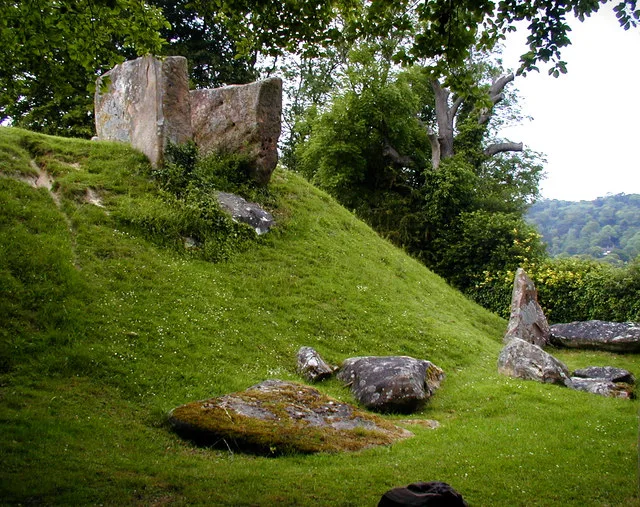
Coldrum Long Barrow
Coldrum Long Barrow — neolithic chambered long barrow near Trottiscliffe, Kent, England, UK.
 📷 5
📷 5Museums · South East England
Guildford House
Guildford House — house in Guildford, Surrey, England, UK.
 📷 5
📷 5Museums · South East England
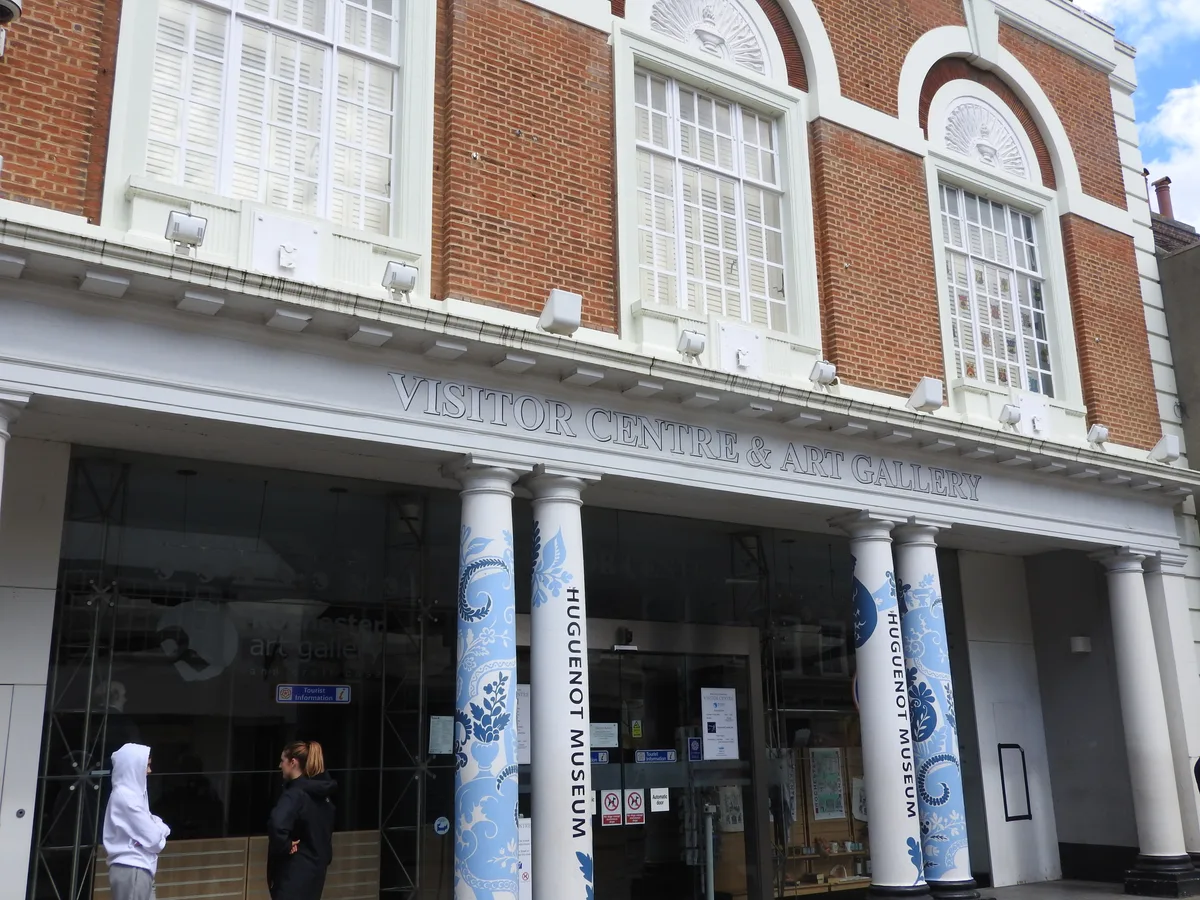
Huguenot Museum
Huguenot Museum — museum in Rochester, England, UK.
 📷 5
📷 5Museums · South East England
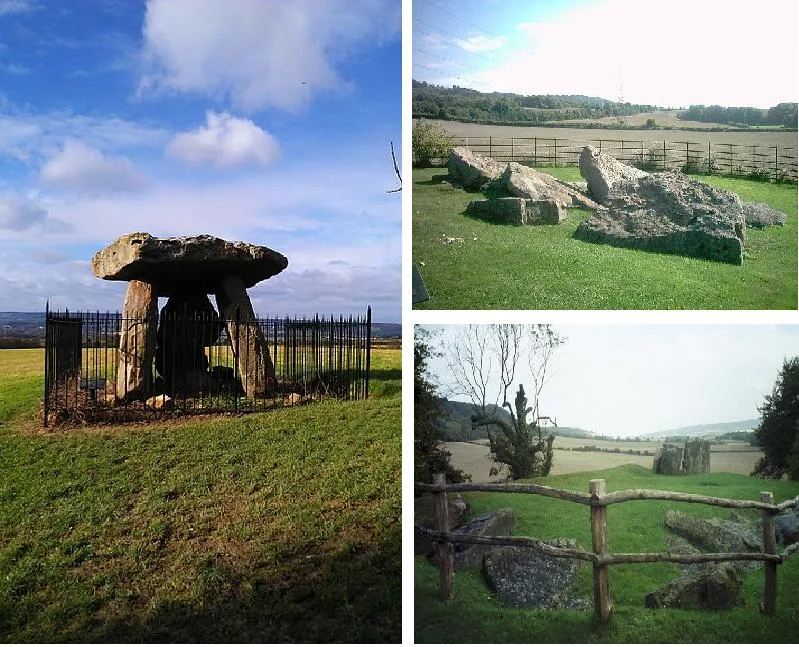
Medway megaliths
Medway megaliths — group of long barrows in Kent, England.
Frequently asked questions
- Where is Lyndhurst, Hampshire?
- Lyndhurst, Hampshire is in Hampshire, South-East England, United Kingdom (postcode SO43 7DN), in the parish of Lyndhurst.
- What is Lyndhurst, Hampshire?
- Lyndhurst is a village and civil parish situated in the New Forest National Park in Hampshire, England, about nine miles (14 km) south-west of Southampton. Known as the "Capital of the New Forest", L
- How do I get to Lyndhurst, Hampshire?
- The nearest railway station is Ashurst New Forest, about 4.4 km away. The nearest town is Ashurst. Drivers can use postcode SO43 7DN.
- Is Lyndhurst, Hampshire a protected site?
- Yes — Lyndhurst, Hampshire is part of the Lymington River SSSI Site of Special Scientific Interest and the The New Forest SSSI Site of Special Scientific Interest.
- Is Lyndhurst, Hampshire free to visit?
- Yes, Lyndhurst, Hampshire is free to enter.
- How do I get to Lyndhurst, Hampshire?
- The nearest railway station is Ashurst New Forest, about 4.4 km away. Drivers can navigate to postcode SO43 7DN.