
Historic houses · North West England
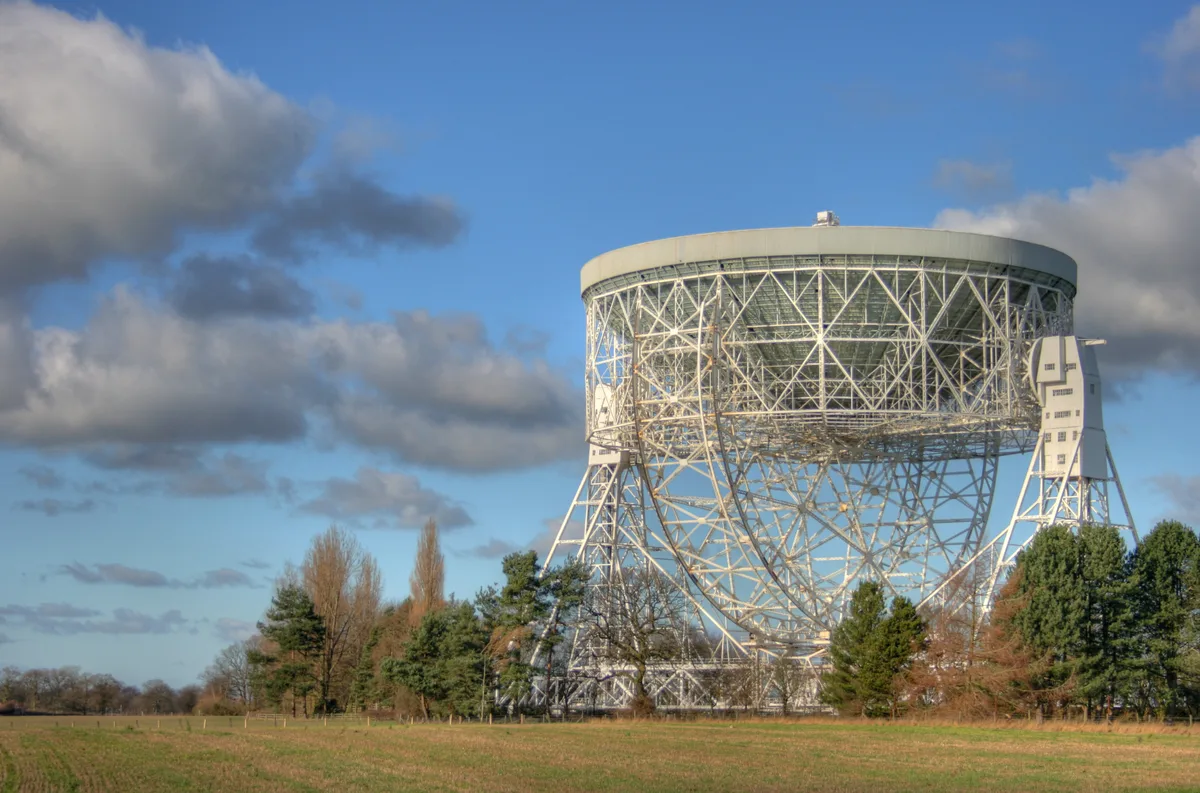
Lovell Telescope
In or near Holmes Chapel.
Lovell Telescope — a Grade I-listed historic house in england-west-midlands, United Kingdom.

Stephen Craven — CC BY-SA 2.0 via Wikimedia Commons licence

Plan your visit
- Typical visit
- 1 h–2 h
- Nearest railway station
- Goostrey · 2.0 km
- Free entry
- Family-friendly
- Limited wheelchair access
Getting there & planning your visit
To visit the Lovell Telescope, the nearest railway station is Goostrey, located 2 km away. Entry is paid, and wheelchair accessibility is limited. The postcode for sat-nav is SK11 9DL.
About
Lovell Telescope is a Grade I-listed building in england-west-midlands, United Kingdom. Grade I status is conferred by Historic England (or Cadw, Historic Environment Scotland or NIEA equivalents) on buildings of exceptional national interest. See the linked Wikipedia article for full historical and architectural details.
Photo gallery
Summary from the official site
The Lovell Telescope is part of the Jodrell Bank Discovery Centre, a UNESCO World Heritage Site and the UK's largest radio telescope. Visitors can explore various exhibitions, participate in hands-on activities, and take guided tours to learn about the history and science of radio astronomy.
Read more on the official property page.
From the Wikipedia article
The Lovell Telescope ( LUV-əl) is a radio telescope at Jodrell Bank Observatory, near Goostrey, Cheshire, in the north-west of England. When construction was finished in 1957, the telescope was the largest steerable dish radio telescope in the world at 76.2 metres (250 feet) in diameter; it is now the third-largest, after the Green Bank telescope in West Virginia, United States, and the Effelsberg telescope in Germany. It was originally known as the "250 ft telescope" or the Radio Telescope at Jodrell Bank, before becoming the Mark I telescope around 1961 when future telescopes (the Mark II, III, and IV) were being discussed. It was renamed to the Lovell Telescope in 1987 after Sir Bernard Lovell, and became a Grade I listed building in 1988. The telescope forms part of the MERLIN and European VLBI Network arrays of radio telescopes. Both Bernard Lovell and Charles Husband were knighted for their roles in creating the telescope. In September 2006, the telescope won the BBC's online competition to find the UK's greatest "Unsung Landmark". 2007 marked the 50th anniversary of the telescope. If the air is clear enough, the Mark I telescope can be seen from high-rise buildings in Manchester such as the Beetham Tower, and from as far away as the Pennines, Winter Hill in Lancashire, Snowdonia, Beeston Castle in Cheshire, and the Peak District. It can also be seen from the south-facing windows of the Terminal 1 restaurant area and departure lounges of Manchester Airport.
Excerpt from Wikipedia under CC BY-SA 4.0. See the source article linked in Sources below.
Background
Description
mounted to its Thor Able launcher.]] The Lovell Telescope was used to track both Soviet and American probes aimed at the Moon in the late 1950s and early 1960s. The telescope tracked Pioneer 1 from 11 to 13 November 1958, Pioneer 3 in December 1958, and Pioneer 4 in March 1959. The telescope tracked Pioneer 5 between 11 March and 26 June 1960, and was also used to send commands to the probe, including the one to separate the probe from its carrier rocket and the ones to turn on the more powerful transmitter when the probe was 8 e6mi away. It also received data from Pioneer 5, and was the only telescope in the world capable of doing so at the time. The last signal was picked up from the…
Sourced from Wikipedia under CC BY-SA 4.0.
- Coordinates
- 53.2362, -2.3072
- District
- Cheshire East
- Parish
- Goostrey
- Postcode
- SK11 9DL
- Parliamentary constituency
- Congleton
- Phone
- 01477 571766
- Nearest railway station
- Goostrey — 2 km
- Opening
- Tuesday – Sunday, 10.00 – 17.00 (last entry 15.30)
- Official site
- www.jodrellbank.net
Sources
- wikidata: Q555130 (CC0)
- wikipedia: Lovell Telescope (CC BY-SA 4.0)
Other places nearby
Jodrell Bank Observatory
UNESCO World Heritage · 0.0 km

Jodrell Bank Discovery Centre
Science centres · 0.0 km

Mark II
Historic houses · 0.3 km

Jodrell Bank
Villages · 0.6 km

Jodrell Hall
Gardens · 1.0 km
Terra Nova School
Natural landmarks · 1.0 km
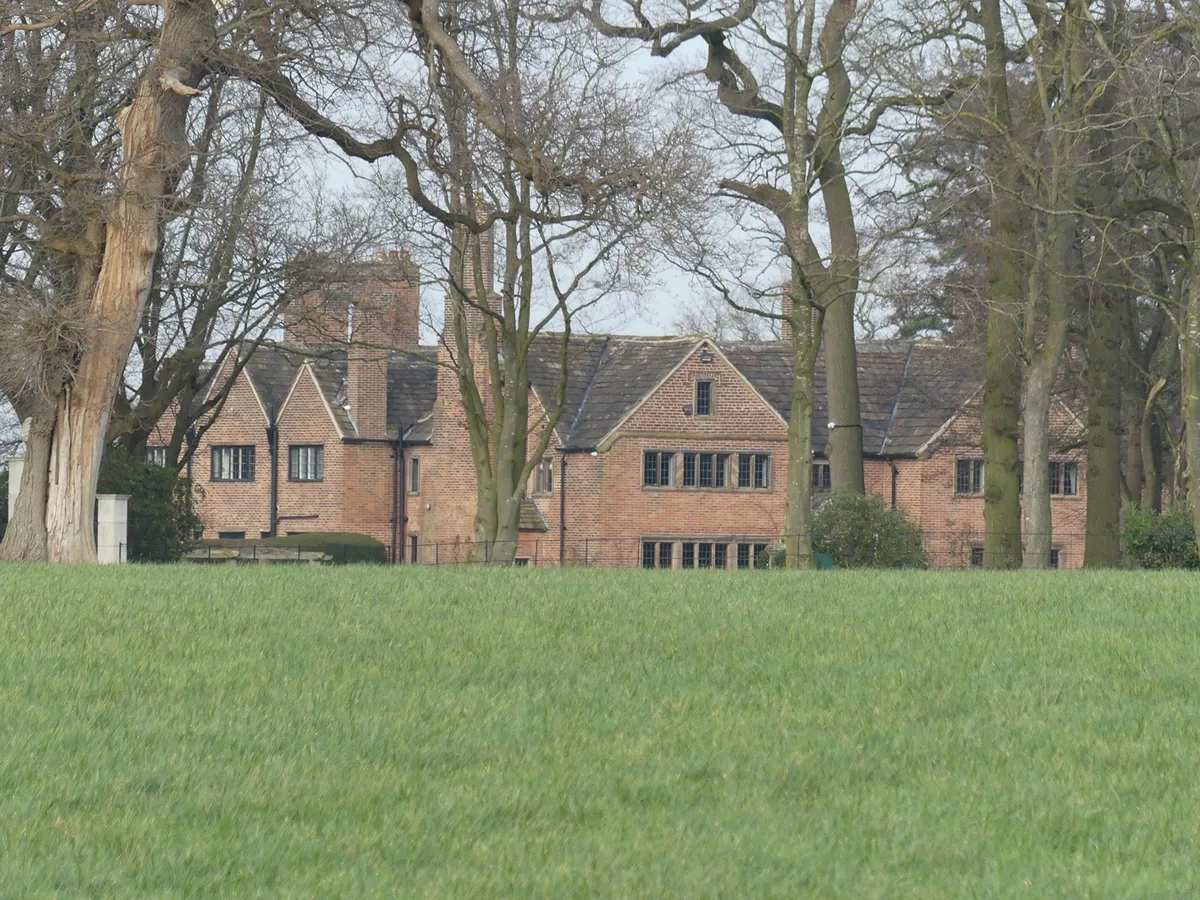
Blackden Manor
Stately homes · 1.7 km
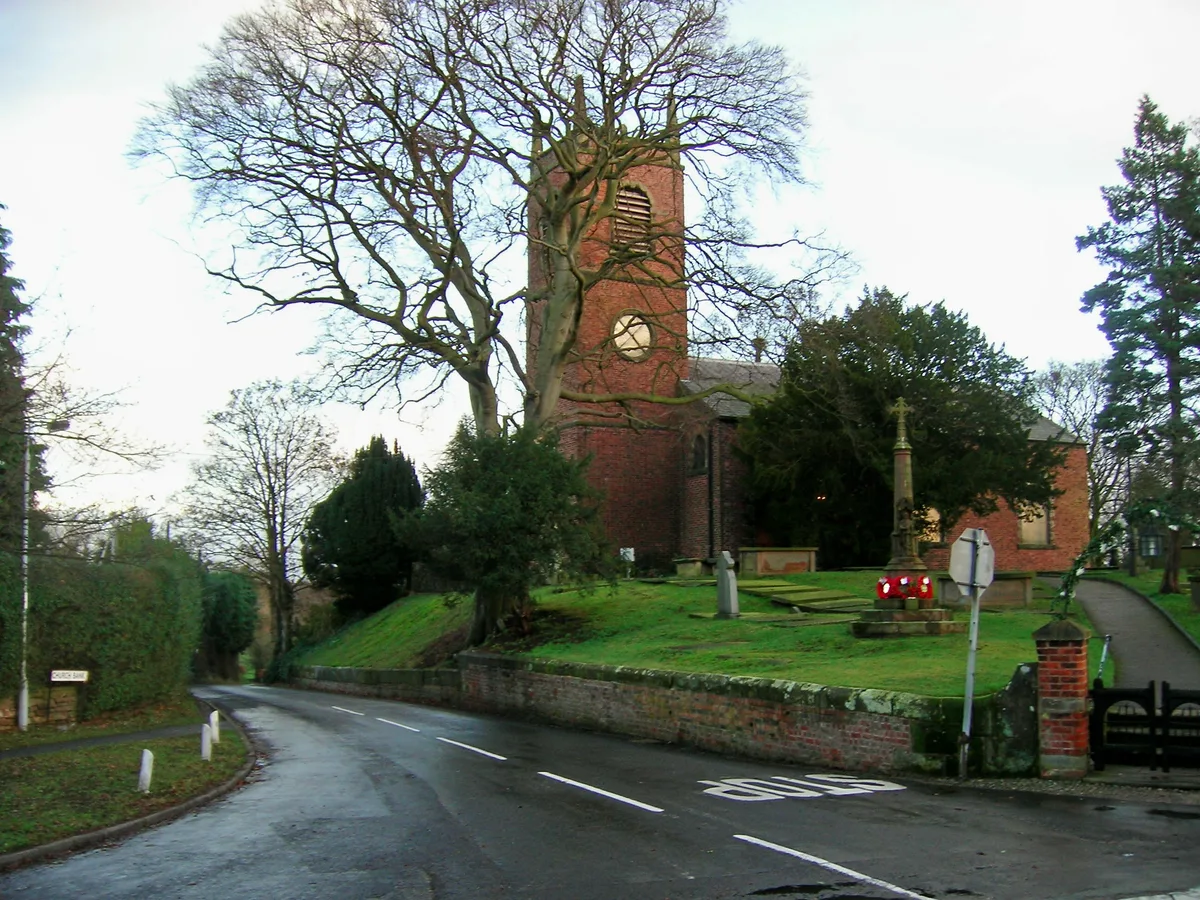
St Luke's Church, Goostrey
Historic churches · 2.0 km

Withington Hall
Manor houses · 2.0 km

Lower Withington
Museums · 2.3 km

Goostrey
Villages · 2.4 km

Peover Hall Stable Block
Historic houses · 3.3 km
Nearby
Flagship📷 5UNESCO World Heritage · North West England
Jodrell Bank Observatory
Jodrell Bank Observatory — astronomical observatory in Cheshire, England, UK.
📷 3Science centres · North West England
Jodrell Bank Discovery Centre
Jodrell Bank Discovery Centre — a other in england-west-midlands, United Kingdom.
📷 5Historic houses · North West England
Mark II
Mark II — a Grade I-listed historic house in england-west-midlands, United Kingdom.
📷 5📷 3Gardens · North West England
Jodrell Hall
Jodrell Hall — a garden in england-west-midlands, United Kingdom.
📷 5Natural landmarks · North West England
Terra Nova School
Terra Nova School — a school heritage in england-west-midlands, United Kingdom.
Where to eat & stay near Lovell Telescope
Places to stay
 📷 5
📷 5Caravan parks · North West England
Capesthorne Caravan Park
Capesthorne Caravan Park — a caravan park in england west midlands.
 📷 5
📷 5Caravan parks · North West England
Woodlands Park
Woodlands Park — a caravan park in england west midlands.
 📷 5
📷 5Caravan parks · North West England
River Dane Holiday Park
River Dane Holiday Park — a caravan park in england west midlands.
 📷 7
📷 7Hotels · North West England
The Bear's Head
The Bear's Head — a hotel in england west midlands.
 📷 5
📷 5Caravan parks · North West England
Kinderton Park
Kinderton Park — a caravan park in england west midlands.
 📷 5
📷 5Caravan parks · North West England
Fields Farm Campsite
Fields Farm Campsite — a caravan park in england west midlands.
Places to eat & drink
 📷 5
📷 5Historic pubs · North West England
Swettenham Arms
Swettenham Arms in England North West, United Kingdom.
 📷 5
📷 5Restaurants · North West England
The Churchill Tree
The Churchill Tree — a restaurant in england west midlands.
 📷 5
📷 5Historic pubs · North West England
Harrington Arms
Harrington Arms in England North West, United Kingdom.
 📷 5
📷 5Historic pubs · North West England
The Counting House
The Counting House in England North West, United Kingdom.
 📷 3
📷 3Historic pubs · North West England
Olde Kings Arms
Olde Kings Arms — Historic pub — listed building or notable heritage status.
 📷 5
📷 5Historic pubs · North West England
Old Hall Hotel, Sandbach
Old Hall Hotel, Sandbach in England North West, United Kingdom.
More historic houses in this region
 📷 3
📷 3Historic houses · North West England
116 Hospital Street, Nantwich
116 Hospital Street, Nantwich — substantial townhouse in Nantwich, Cheshire, England, UK.
 📷 3
📷 3Historic houses · North West England
140–142 Hospital Street, Nantwich
140–142 Hospital Street, Nantwich — grade II listed building in Nantwich, Cheshire East, Cheshire, England, UK.
 📷 3
📷 3Historic houses · North West England
46 High Street, Nantwich
46 High Street, Nantwich — house in Nantwich, Cheshire, England, UK.
 📷 3
📷 3Historic houses · North West England
64, St Ann's Road
64, St Ann's Road — Grade II* listed house in Middlewich, Cheshire East, England, UK.
Frequently asked questions
- Where is Lovell Telescope?
- Lovell Telescope is in North-West England, United Kingdom (postcode SK11 9DL), in the parish of Goostrey.
- What is Lovell Telescope?
- Lovell Telescope — a Grade I-listed historic house in england-west-midlands, United Kingdom.
- How do I get to Lovell Telescope?
- The nearest railway station is Goostrey, about 2.0 km away. The nearest town is Holmes Chapel. Drivers can use postcode SK11 9DL.
- Is Lovell Telescope a listed building?
- Lovell Telescope is officially recognised as Grade I listed.
- Is Lovell Telescope free to visit?
- Yes, Lovell Telescope is free to enter.
- How do I get to Lovell Telescope?
- The nearest railway station is Goostrey, about 2.0 km away. Drivers can navigate to postcode SK11 9DL.