
Canals · East Midlands
Louth Navigation
In or near Tetney.
Louth Navigation — canalised river in England.

Wikimedia Commons contributors — see linked file page for photographer and licence licence

Plan your visit
- Typical visit
- 1 h–2 h
- Nearest railway station
- Ludborough · 4.5 km
- Free entry
- Dog-friendly
Getting there & planning your visit
To visit Louth Navigation, the nearest railway station is Ludborough, located 4.5 km away. The postcode for navigation is LN11 0PA, and entry is free.
About
Louth Navigation is a canal in the United Kingdom. Wikidata describes it as: "canalised river in England". Coordinates: 53.4527°, 0.0363°.
Photo gallery
Protected designations
- Site of Special Scientific Interest: Humber Estuary - 2000480 SSSI
- National Nature Reserve: LINCOLNSHIRE CORONATION COAST
- Area of Outstanding Natural Beauty: Lincolnshire Wolds
- Ramsar wetland: Humber Estuary
Designations sourced from Natural England open data under OGL v3.
From the Wikipedia article
The Louth Navigation was a canalisation of the River Lud. It ran for 11 miles (18 km) from Louth in Lincolnshire, England, to Tetney Haven, at the mouth of the Humber. It was authorised by an act of Parliament in 1763 and completed in 1770, under the supervision of the engineer John Grundy Jr. and then by James Hoggard. Eight locks were required to overcome the difference in altitude, six of which were constructed with sides consisting of four bays. The act did not provide the normal provisions for raising capital for the construction, as finance could only be obtained by leasing of the tolls. When completed, the commissioners leased the tolls to Charles Chaplin, who held ten shares and was also a commissioner, for an initial period of seven years. When the lease was due for renewal, no other takers were found, and Chaplin was granted a 99-year lease, despite the fact that the act did not authorise such an action. He collected the tolls but failed to maintain the navigation. When complaints were received, a new act of Parliament was obtained in 1828 to alter the tolls and legalise Chaplin's long lease. The lease was transferred to two railway companies in 1847, and reverted to the commissioners in 1876. The operation was a moderate success until the beginning of the 20th century, when there was a rapid decline in income, and the canal formally closed in 1924. Because the canal was also a land drainage channel, it was not subject to infilling, and is now a designated main river, managed by the Environment Agency that drains the surrounding land managed by the Lindsey Marsh Internal Drainage Board. It is as a feeder for Covenham Reservoir, from which treated water enters the public water supply. Water from Waithe Dike supplements the supply, effectively flowing upstream along the canal, and when required, additional water is pumped into the canal along a pipeline from the Great Eau.
Excerpt from Wikipedia under CC BY-SA 4.0. See the source article linked in Sources below.
Background
History
Despite being separated from the sea by a low coastal plain, which made contact with the wider world difficult, by the 18th century Louth had become a prosperous market town with a forward-looking town corporation. Realising that a link to the North Sea would provide opportunities for trade and expansion, in October 1756 they commissioned the engineer John Grundy Jr. to survey a route. He suggested a route from Louth to Tetney Haven, and on 28 January 1760, subscriptions were invited to pay for a full survey and an act of Parliament. The fund soon reached £850, and on 18 February 1760 the town clerk approached John Smeaton to carry out the survey. Smeaton advised caution, suggesting that…
Sourced from Wikipedia under CC BY-SA 4.0.
- Coordinates
- 53.4527, 0.0363
- County
- Lincolnshire
- District
- East Lindsey
- Parish
- Grainthorpe
- Postcode
- LN11 0PA
- Parliamentary constituency
- Louth and Horncastle
- Established
- 1770
- Nearest railway station
- Ludborough — 4.5 km
Sources
- wikidata: Q6689846 (CC0)
- wikipedia: Louth Navigation (CC BY-SA 4.0)
- commons: Alvingham lock.JPG (CC BY-SA 4.0)
Other places nearby

Covenham Reservoir
Reservoirs & lochs · 1.3 km

Marsh Chapel
Villages · 2.4 km

Fulstow
Historic churches · 2.7 km

Covenham St Bartholomew War Memorial
Memorials & monuments · 2.9 km

Grainthorpe
Historic churches · 3.0 km

North Cotes
Historic churches · 3.2 km

North Coates
Villages · 3.5 km
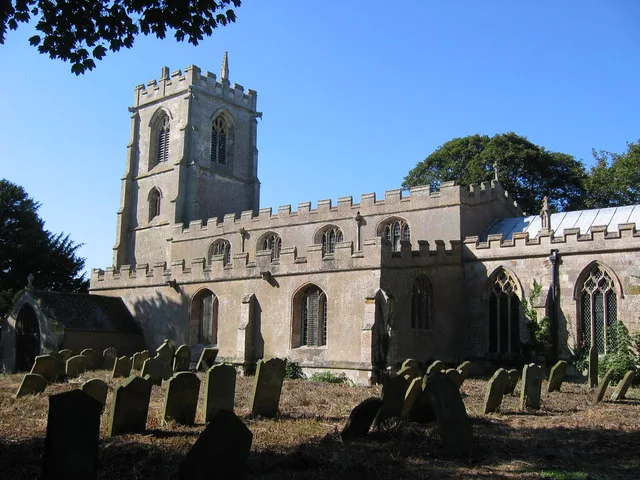
Church of St Clement
Historic churches · 3.5 km

North Cotes War Memorial
Memorials & monuments · 3.6 km
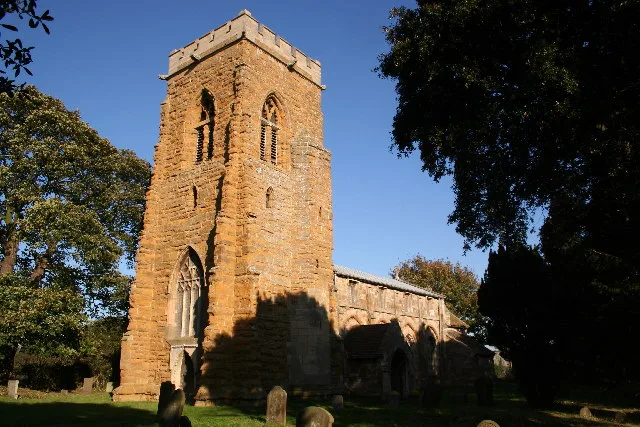
St John the Baptist's Church, Yarburgh
Historic churches · 4.0 km

Yarburgh
Historic churches · 4.0 km

Covenham
Villages · 4.2 km
Nearby
📷 4Reservoirs & lochs · East Midlands
Covenham Reservoir
Covenham Reservoir — reservoir in Lincolnshire, England.
📷 5📷 5Historic churches · East Midlands
Fulstow
Fulstow — a church in england-east-midlands, United Kingdom.
📷 3Memorials & monuments · East Midlands
Covenham St Bartholomew War Memorial
Covenham St Bartholomew War Memorial — Grade II listed building-listed memorial in england-east-midlands, United Kingdom.
📷 5Historic churches · East Midlands
Grainthorpe
Grainthorpe is a small village and civil parish in the East Lindsey district of Lincolnshire, England. It is situated 7 miles (11 km) north-east from the town of Louth, and approximately 3 miles (5 km
📷 5Historic churches · East Midlands
North Cotes
North Cotes or North Coates is a village and civil parish in the East Lindsey district of Lincolnshire, England. It is situated close to the coast, 4 miles (6 km) to the east, and 10 miles (16 km) nor
Where to eat & stay near Louth Navigation
Places to stay
 📷 5
📷 5Caravan parks · East Midlands
Windy Ridge Caravan Site & Fishing Lakes
Windy Ridge Caravan Site & Fishing Lakes — a caravan park in england east midlands.
 📷 5
📷 5Campsites · East Midlands
Lowis Farm Camp Site
Lowis Farm Camp Site — a campsite in england east midlands.
 📷 5
📷 5Caravan parks · East Midlands
Little End Corner Caravan Park
Little End Corner Caravan Park — a caravan park in england east midlands.
 📷 5
📷 5Caravan parks · East Midlands
Brickyard Fisheries
Brickyard Fisheries — a caravan park in england east midlands.
 📷 5
📷 5Caravan parks · East Midlands
Cleethorpes Beach Park
Cleethorpes Beach Park — a caravan park in england yorkshire.
 📷 5
📷 5Caravan parks · East Midlands
Cleethorpes Pearl Holiday Park
Cleethorpes Pearl Holiday Park — a caravan park in england yorkshire.
Places to eat & drink
 📷 5
📷 5 📷 5
📷 5Historic pubs · East Midlands
The Signal Box Inn
The Signal Box Inn in England East Midlands, United Kingdom.
 📷 3
📷 3Historic pubs · Yorkshire & the Humber
Tivoli Tavern
Tivoli Tavern — Historic pub — listed building or notable heritage status.
 📷 5
📷 5Historic pubs · East Midlands
Massingberd Arms
Massingberd Arms in England East Midlands, United Kingdom.
 📷 5
📷 5More places in this region
 📷 5
📷 5 📷 3
📷 3Canals · East Midlands
Bond End Canal
Bond End Canal — canal in Staffordshire, England, 1775–1874.
 📷 3
📷 3Canals · East Midlands
Catchwater Drain
Catchwater Drain — artificial watercourse in Lincolnshire, England.
 📷 3
📷 3Canals · East Midlands
Charnwood Forest Canal
Charnwood Forest Canal is a canal in the United Kingdom.
Frequently asked questions
- Where is Louth Navigation?
- Louth Navigation is in Lincolnshire, the East Midlands, United Kingdom (postcode LN11 0PA), in the parish of Grainthorpe.
- What is Louth Navigation?
- Louth Navigation — canalised river in England.
- How do I get to Louth Navigation?
- The nearest railway station is Ludborough, about 4.5 km away. The nearest town is Tetney. Drivers can use postcode LN11 0PA.
- When was Louth Navigation built?
- Built or established in 1770.
- Is Louth Navigation a protected site?
- Yes — Louth Navigation is part of the Humber Estuary - 2000480 SSSI Site of Special Scientific Interest and the LINCOLNSHIRE CORONATION COAST National Nature Reserve.
- Is Louth Navigation free to visit?
- Yes, Louth Navigation is free to enter.
- How do I get to Louth Navigation?
- The nearest railway station is Ludborough, about 4.5 km away. Drivers can navigate to postcode LN11 0PA.