
Wildlife reserves · South West England
Looe Island
Also known as: Ynys Logh
In or near Polperro.
Looe Island — a small island a mile from the mainland town of Looe off Cornwall, England.

Wikimedia Commons contributors — see linked file page for photographer and licence licence

Plan your visit
- Typical visit
- 2 h–4 h
- Best time of year
- Autumn & winter (migration & wildfowl)
- Nearest railway station
- Looe · 2.6 km
- Free entry
- Family-friendly
- Dog-friendly
- Limited wheelchair access
Getting there & planning your visit
To visit Looe Island, the nearest railway station is Looe, located 2.6 km away. Entry to the wildlife reserve is free, but wheelchair accessibility is limited. The postcode for sat-nav is PL13 2AB.
About
Looe Island is a wildlife reserve in the United Kingdom. Owned by Cornwall Wildlife Trust. Managed by Cornwall Wildlife Trust. Wikidata describes it as: "a small island a mile from the mainland town of Looe off Cornwall, England.". Coordinates: 50.3366°, -4.4520°.
Photo gallery
Summary from the official site
Looe Island is a nature reserve that serves as a sanctuary for diverse wildlife, including seabirds and marine life. The island features various habitats such as woodland, grassland, and rocky reefs, all of which are protected. Access to the island is only permitted through organized trips to minimize disturbance to its sensitive ecosystems.
Read more on the official property page.
Protected designations
- Area of Outstanding Natural Beauty: Cornwall
Designations sourced from Natural England open data under OGL v3.
From the Wikipedia article
Looe Island (Cornish: Enys Lann-Managh, meaning "island of the monk's enclosure"), also known as St George's Island, is a small island and nature reserve a mile from the mainland town of Looe in Cornwall, England. According to local legend, Joseph of Arimathea landed here with the Christ Child. Some scholars, including Glyn S. Lewis, suggest the island could be Ictis, the location described by Diodorus Siculus as a centre for the tin trade in pre-Roman Britain. The island is now owned and managed by the Cornwall Wildlife Trust. Access, including landing on the foreshore and flying of drones over the island, is carefully managed for the benefit of wildlife, and landing is only possible via the Cornwall Wildlife Trust's authorized boat operator. The waters around the island are a marine nature reserve and form part of the Whitsand and Looe Bay Marine Conservation Area. First established in 1995, the Whitsand and Looe Bay Marine Conservation Area covers nearly 5 km of coastline and aims to protect the coastal and marine wildlife around Looe.
Excerpt from Wikipedia under CC BY-SA 4.0. See the source article linked in Sources below.
Background
History
People have been living on Looe Island since the Iron Age. Evidence of early habitation includes pieces of Roman amphorae as well as stone boat anchors and Roman coins. A number of late prehistoric or Romano-British finds have been made in the vicinity of the island, including a large bronze ingot found by divers south of Looe Island, which has led a number of people to suggest the island is possibly Ictis, the tin trading island seen by Pytheas in the 4th century BC and recalled by Diodorus Siculus in the 1st century BC. A small hoard of eight late Roman coins was recovered in 2008. These coins were recovered from one of the shallow ditches forming a 'pear shaped enclosure' which…
Sourced from Wikipedia under CC BY-SA 4.0.
- Coordinates
- 50.3366, -4.4520
- District
- Cornwall
- Parish
- Looe
- Postcode
- PL13 2AB
- Parliamentary constituency
- South East Cornwall
- Nearest railway station
- Looe — 2.6 km
- Official site
- www.cornwallwildlifetrust.org.uk
Sources
- wikidata: Q4618058 (CC0)
- wikipedia: Looe Island (CC BY-SA 4.0)
- commons: Looe island.jpg (CC BY-SA 4.0)
Other places nearby

Trelawny Island
Islands · 0.0 km
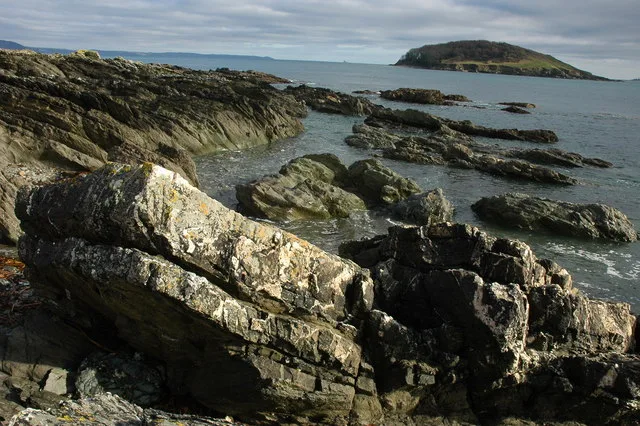
Portnadler Bay
Mountains & hills · 0.8 km

The Monks' House
Historic houses · 1.0 km

Lammana Chapel
Archaeological sites · 1.0 km

Samphire Beach
Beaches · 1.4 km

Nelson
Public art & sculpture · 1.7 km

East Looe Beach
Beaches · 1.7 km

Penrock Distillery
Distilleries · 1.7 km
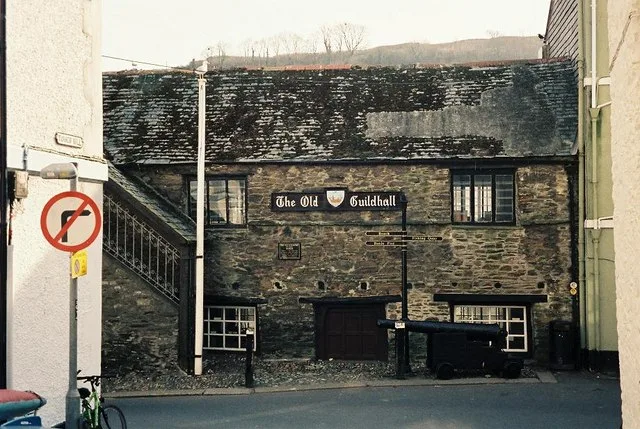
Old Guildhall Museum and Gaol
Museums · 1.8 km

Old Guild Hall
Museums · 1.8 km

The Fisherman's Arms
Historic pubs · 1.8 km
Looe Cinema
Theatres · 1.8 km
Nearby
📷 3Islands · South West England
Trelawny Island
Trelawny Island — island in Calstock, Cornwall, England.
📷 5📷 3Historic houses · South West England
The Monks' House
The Monks' House — a historic house in england-south-west, United Kingdom.
📷 3Archaeological sites · South West England
Lammana Chapel
Lammana Chapel — a archaeological in england-south-west, United Kingdom.
📷 3📷 3Public art & sculpture · South West England
Nelson
Nelson — a public art in england-south-west, United Kingdom.
Where to eat & stay near Looe Island
Places to stay
 📷 5
📷 5Caravan parks · South West England
Tencreek Caravan and Camping Park
Tencreek Caravan and Camping Park — a caravan park in england south west.
📷 5Caravan parks · South West England
Tencreek Holiday Park
Tencreek Holiday Park — a caravan park in england south west.
 📷 5
📷 5Campsites · South West England
Bay View Campsite
Bay View Campsite — a campsite in england south west.
 📷 5
📷 5Caravan parks · South West England
Oaklands Park
Oaklands Park — a caravan park in england south west.
 📷 5
📷 5Caravan parks · South West England
West Wayland Caravan Park
West Wayland Caravan Park — a caravan park in england south west.
📷 5Campsites · South West England
West Wayland Touring Park
West Wayland Touring Park — a campsite in england south west.
Places to eat & drink
📷 5Historic pubs · South West England
The Fisherman's Arms
The Fisherman's Arms in England South West, United Kingdom.
 📷 7
📷 7 📷 7
📷 7Restaurants · South West England
The House on the Props
The House on the Props — a restaurant in england south west.
 📷 7
📷 7Historic pubs · South West England
Tavernan Carow Public House
Tavernan Carow Public House in England South West, United Kingdom.
 📷 7
📷 7Historic pubs · South West England
The Barley Sheaf Public House
The Barley Sheaf Public House in England South West, United Kingdom.
 📷 7
📷 7Historic pubs · South West England
The Albion Public House
The Albion Public House in England South West, United Kingdom.
More places run by Cornwall Wildlife Trust
 📷 4
📷 4Wildlife reserves · South West England
Armstrong Wood
Armstrong Wood — nature reserve in Cornwall.
 📷 5
📷 5Wildlife reserves · South West England
Cabilla and Redrice Woods
Cabilla and Redrice Woods — nature reserve in Cornwall, UK.
 📷 5
📷 5Wildlife reserves · South West England
Maer Lake
Maer Lake — nature reserve in Cornwall, UK.
 📷 5
📷 5Wildlife reserves · South West England
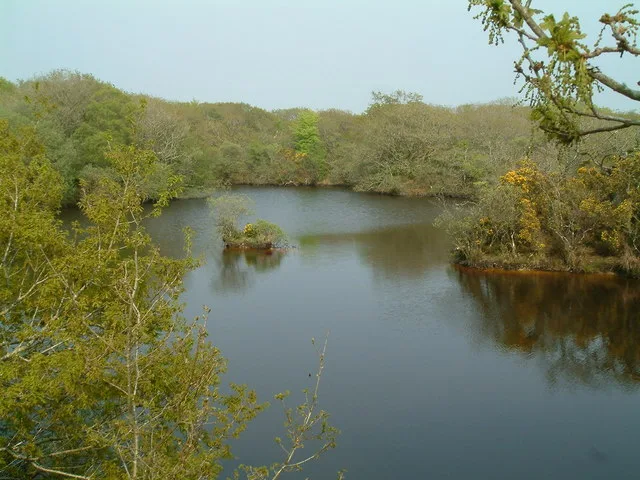
Red Moor nature reserve
Red Moor nature reserve — nature reserve near Lanlivery in mid Cornwall, England, UK.
More places in this region
 Flagship📷 10
Wildlife reserves · South West England
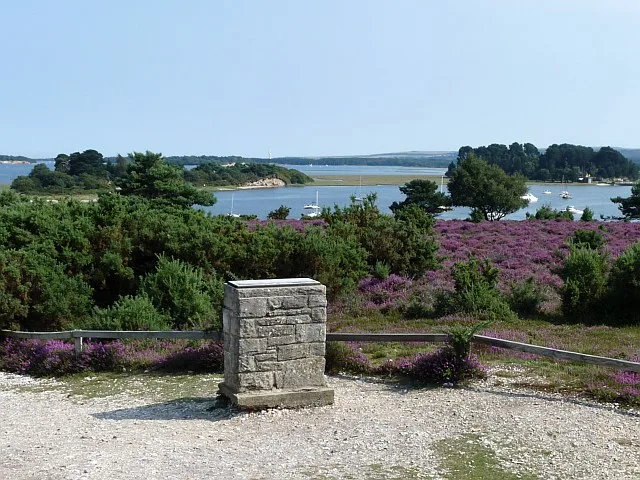
Arne RSPB reserve
Arne RSPB reserve — RSPB nature reserve in the United Kingdom.
 📷 5
📷 5Wildlife reserves · South West England
Bath and Bradford-on-Avon Bats SAC
Bath and Bradford-on-Avon Bats SAC — Special Area of Conservation in England, UK.
 📷 5
📷 5Wildlife reserves · South West England
Baverstock Juniper Bank
Baverstock Juniper Bank — Conservation site in Wiltshire, England.
 📷 5
📷 5Wildlife reserves · South West England
Girdlers Coppice
Girdlers Coppice — nature reserve in Dorset, UK.
Frequently asked questions
- Where is Looe Island?
- Looe Island is in South-West England, United Kingdom (postcode PL13 2AB), in the parish of Looe.
- What is Looe Island?
- Looe Island — a small island a mile from the mainland town of Looe off Cornwall, England.
- How do I get to Looe Island?
- The nearest railway station is Looe, about 2.6 km away. The nearest town is Polperro. Drivers can use postcode PL13 2AB.
- Who runs Looe Island?
- Looe Island is operated by Cornwall Wildlife Trust.
- Is Looe Island a protected site?
- Yes — Looe Island is part of the Cornwall National Landscape (AONB).
- Is Looe Island free to visit?
- Yes, Looe Island is free to enter.
- How do I get to Looe Island?
- The nearest railway station is Looe, about 2.6 km away. Drivers can navigate to postcode PL13 2AB.
- Are dogs allowed at Looe Island?
- Most wildlife reserves allow dogs on lead only, with restrictions during ground-nesting bird season (March-July). Check signage at the reserve.