
Abbeys & priories · Central Scotland
Lindores Abbey
In or near Abernethy.
Lindores Abbey — abbey in Fife, Scotland, UK.

Wikimedia Commons contributors — see linked file page for photographer and licence licence

Plan your visit
- Typical visit
- 45 min–1.5 h
- Paid entry
- Family-friendly
- Limited wheelchair access
Getting there & planning your visit
Lindores Abbey is located in Fife, Scotland, with the postcode KY14 6JP. Accessibility is limited for wheelchair users.
About
Lindores Abbey is an abbey, priory, or monastic site in the United Kingdom. Records date its origin to 1181. Heritage designation: scheduled monument. Affiliated with Catholicism. Wikidata describes it as: "abbey in Fife, Scotland, UK". Coordinates: 56.3525°, -3.2253°.
Photo gallery
Heritage listing
Lindores Abbey was a Tironensian abbey on the outskirts of Newburgh in Fife, Scotland. Now a reduced ruin, it lies on the southern banks of the River Tay, about 1-mile (1.6 km) north of the village of Lindores and is a scheduled monument. The abbey was founded as a daughter house of Kelso Abbey in 1191 (some sources say 1178), by David, Earl of Huntingdon, on land granted to him by his brother William the Lion. The first abbot was Guido, Prior of Kelso, under whom the buildings were mostly completed. The church, dedicated to the Blessed Virgin and St. Andrew, was 195 feet (59 m) long, with transepts 110 feet (34 m) long. Edward I of England, John Balliol, David II, and James III were among the monarchs who visited Lindores at different times.
From Historic Environment Scotland under OGL v3.
Summary from the official site
Lindores Abbey Distillery is a historic site known for its links to the earliest written reference to Scotch whisky. Visitors can explore the distillery and learn about modern whisky-making techniques while enjoying guided tours.
Read more on the official property page.
From the Wikipedia article
Lindores Abbey was a Tironensian abbey on the outskirts of Newburgh in Fife, Scotland. Now a reduced ruin, it lies on the southern banks of the River Tay, about 1-mile (1.6 km) north of the village of Lindores and is a scheduled monument. The abbey was founded as a daughter house of Kelso Abbey in 1191 (some sources say 1178), by David, Earl of Huntingdon, on land granted to him by his brother William the Lion. The first abbot was Guido, Prior of Kelso, under whom the buildings were mostly completed. The church, dedicated to the Blessed Virgin and St. Andrew, was 195 feet (59 m) long, with transepts 110 feet (34 m) long. Edward I of England, John Balliol, David II, and James III were among the monarchs who visited Lindores at different times. The Abbey ceased operation in 1559.
Excerpt from Wikipedia under CC BY-SA 4.0. See the source article linked in Sources below.
Background
History
David Stewart, Duke of Rothesay, who died during imprisonment at Falkland Palace in 1402, was buried at the Abbey. The abbey was sacked by a mob from Dundee in 1543, and again by John Knox and his supporters in 1559. According to Knox, the Protestants overthrew the altars, broke up statues, burned the books and vestments and made them cast aside their monkish habits. After the Reformation, the Abbey passed into the hands of a Commendator, one whose loyal service to the crown was rewarded by the gift of the ecclesiastical income and property. The monks remained for a time, but the Abbey began to be dismantled around 1584. In the following years the Abbey buildings were quarried as a source…
Sourced from Wikipedia under CC BY-SA 4.0.
- Coordinates
- 56.3525, -3.2253
- District
- Fife
- Postcode
- KY14 6JP
- Parliamentary constituency
- North East Fife
- Phone
- +44 1337 842547
- Established
- 1181
- Opening
- Summer: March – October, Daily 10am–4pm; Winter: November – February, Wed-Sun 10am–4pm; closed Mon & Tue
- Official site
- lindoresabbeydistillery.com
Sources
- wikidata: Q2614230 (CC0)
- wikipedia: Lindores Abbey (CC BY-SA 4.0)
- commons: Lindores abbey 04.jpg (CC BY-SA 4.0)
Other places nearby

Lindores Abbey
Cathedrals · 0.0 km
Lindores Abbey (ruins)
Abbeys & priories · 0.0 km

Lindores Abbey Distillery
Distilleries · 0.1 km

Newburgh Cemetery
Cemeteries · 0.4 km

Newburgh Parish Church, Cupar Road, Newburgh
Historic churches · 0.4 km
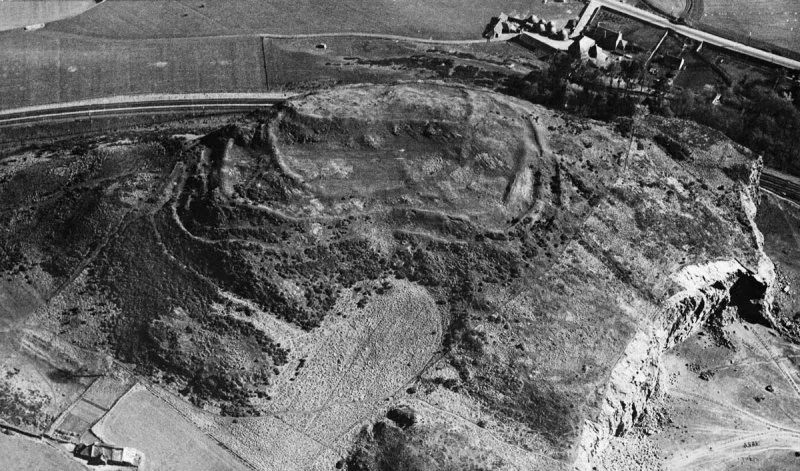
Clatchard Craig
Hill forts · 0.7 km

The Newburgh Bear
Public art & sculpture · 0.8 km

Newburgh
Abbeys & priories · 0.8 km
Town House, High Street, Newburgh
Historic houses · 0.9 km
Newburgh Heritage Centre
Museums · 0.9 km

Laing Museum
Museums · 1.0 km
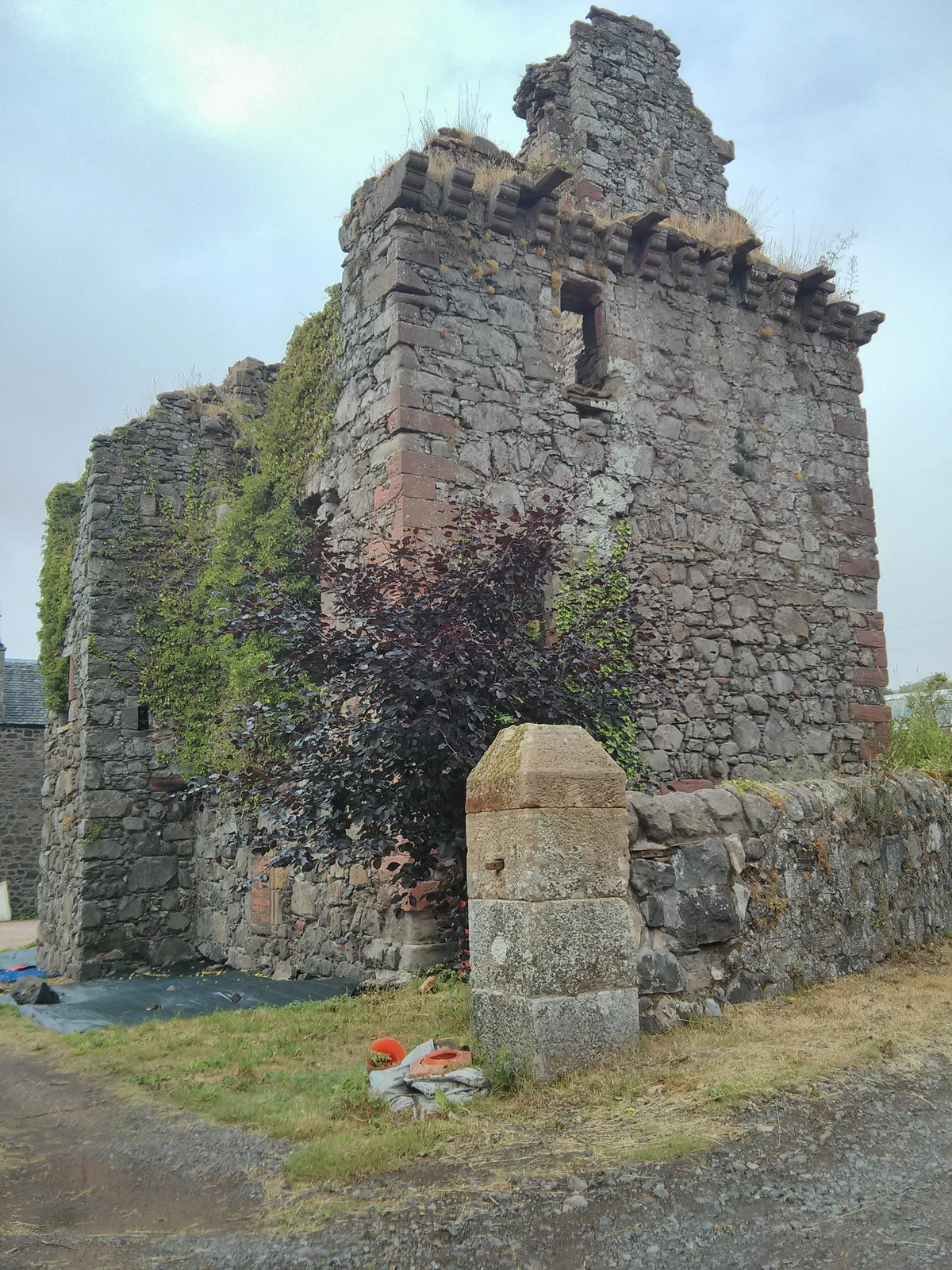
Denmylne Castle
Castles · 1.1 km
Nearby
Flagship📷 5Cathedrals · Central Scotland
Lindores Abbey
Lindores Abbey is a cathedral in the United Kingdom.
📷 3Abbeys & priories · Central Scotland
Lindores Abbey (ruins)
Lindores Abbey (ruins) — a abbey in scotland-central, United Kingdom.
📷 3Distilleries · Central Scotland
Lindores Abbey Distillery
Lindores Abbey Distillery — Whisky/spirit distillery.
📷 3Cemeteries · Central Scotland
Newburgh Cemetery
Newburgh Cemetery is a cemetery in the United Kingdom.
📷 5Historic churches · Central Scotland
Newburgh Parish Church, Cupar Road, Newburgh
Newburgh Parish Church, Cupar Road, Newburgh — category C listed building-listed church in scotland-central, United Kingdom.
📷 3Hill forts · Central Scotland
Clatchard Craig
Clatchard Craig — archaeological site in Fife, Scotland, UK.
Where to eat & stay near Lindores Abbey
Places to stay
 📷 5
📷 5 📷 5
📷 5Caravan parks · Central Scotland
Fernlea CL Caravan Site
Fernlea CL Caravan Site — a caravan park in scotland central.
 📷 5
📷 5Caravan parks · Central Scotland
South Valleyfield
South Valleyfield — a caravan park in scotland central.
 📷 5
📷 5Caravan parks · Central Scotland
Inchmartine Caravan Park
Inchmartine Caravan Park — a caravan park in scotland central.
 📷 4
📷 4Caravan parks · Central Scotland
Annsmuir Caravan Park
Annsmuir Caravan Park — a caravan park in scotland central.
 📷 5
📷 5Campsites · Central Scotland
Pillars of Hercules
Pillars of Hercules — a campsite in scotland central.
Places to eat & drink
 📷 5
📷 5Historic pubs · Central Scotland
57, 59, 61 West Port, Dundee
57, 59, 61 West Port, Dundee in Scotland Central, United Kingdom.
 📷 5
📷 5Historic pubs · Central Scotland
Coaltown of Balgonie
Coaltown of Balgonie in Scotland Islands, United Kingdom.
 📷 5
📷 5 📷 7
📷 7Historic pubs · Central Scotland
The Pillars Bar, 9, 11 Crichton Street, Dundee
The Pillars Bar, 9, 11 Crichton Street, Dundee in Scotland Central, United Kingdom.
 📷 5
📷 5Historic pubs · Central Scotland
Public House, 15 Dock Street, Dundee
Public House, 15 Dock Street, Dundee in Scotland Central, United Kingdom.
 📷 7
📷 7Historic pubs · Central Scotland
The Counting House
The Counting House in Scotland Central, United Kingdom.
Other abbeys from this era
 📷 5
📷 5 📷 5
📷 5 📷 5
📷 5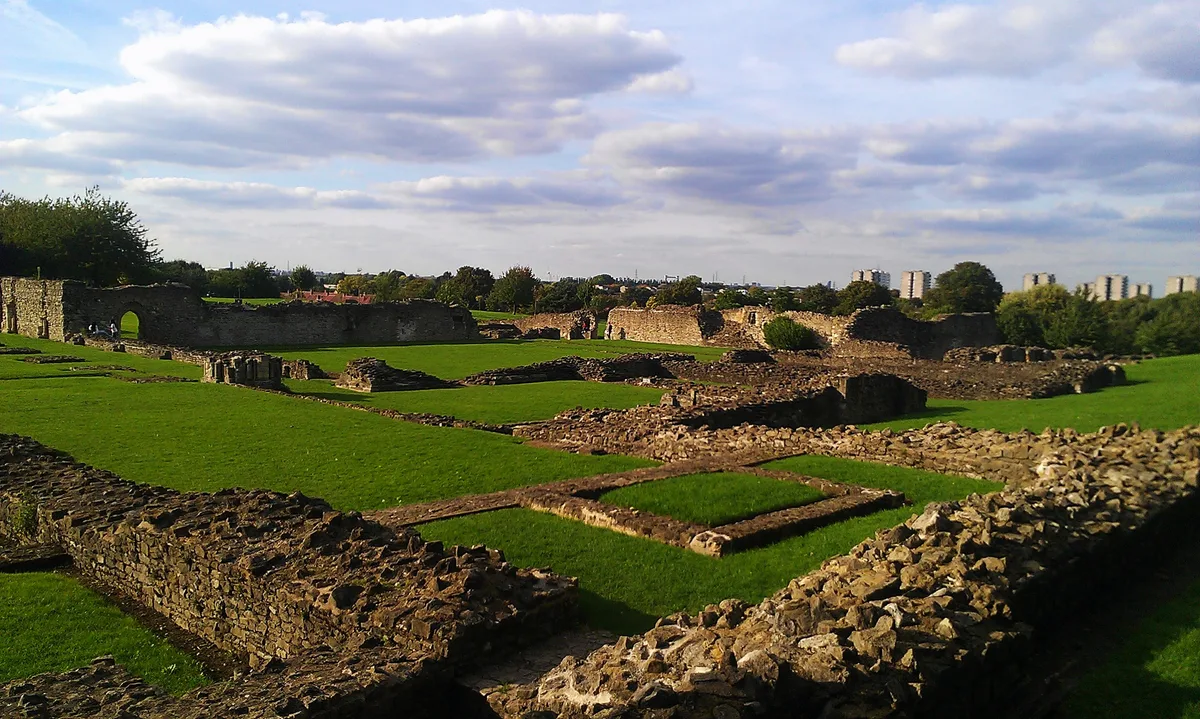 📷 5
📷 5Abbeys & priories · London
Lesnes Abbey
Lesnes Abbey — former abbey, now ruined, in Abbey Wood, London Borough of Bexley, England, UK.
More abbeys in this region
 📷 4
📷 4 📷 4
📷 4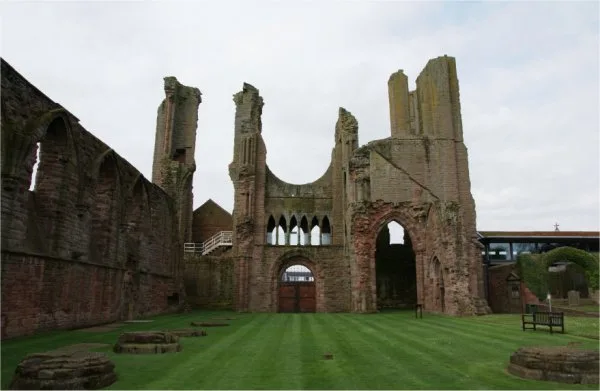 ★ Iconic📷 3
Abbeys & priories · Central Scotland
Arbroath Abbey
Arbroath Abbey — abbey in Arbroath, Scotland, United Kingdom.
 📷 4
📷 4Abbeys & priories · Central Scotland
Gartocharn
Gartocharn in Scotland Islands, United Kingdom.
Frequently asked questions
- Where is Lindores Abbey?
- Lindores Abbey is in central Scotland, United Kingdom (postcode KY14 6JP).
- What is Lindores Abbey?
- Lindores Abbey — abbey in Fife, Scotland, UK.
- How do I get to Lindores Abbey?
- The nearest town is Abernethy. Drivers can use postcode KY14 6JP.
- When was Lindores Abbey built?
- Built or established in 1181.
- Is Lindores Abbey a listed building?
- Lindores Abbey is officially recognised as scheduled monument listed.
- How do I get to Lindores Abbey?
- Drivers can navigate to postcode KY14 6JP. It sits within the North East Fife parliamentary constituency.