
Towns & cities · Central Scotland
Kilmacolm
Kilmacolm — village in Inverclyde, Scotland, UK.

Wikimedia Commons contributors — see linked file page for photographer and licence licence

Plan your visit
- Typical visit
- 3 h–6 h
- Nearest railway station
- Langbank · 4.2 km
- Free entry
- Family-friendly
- Dog-friendly
Getting there & planning your visit
To visit Kilmacolm, the nearest railway station is Langbank, located 4.2 km away. Entry to the town is free. The postcode for sat-nav is PA13 4AE.
About
Kilmacolm is a town, city, village or settlement in the United Kingdom. Recent population estimates put it at around 4,000 people. Wikidata describes it as: "village in Inverclyde, Scotland, UK". Coordinates: 55.8941°, -4.6271°.
Photo gallery
From the Wikipedia article
Kilmacolm ( ) is a village and civil parish in the Inverclyde council area, and the historic county of Renfrewshire in the west central Lowlands of Scotland. It lies on the northern slope of the Gryffe Valley, 7+1⁄2 miles (12 kilometres) southeast of Greenock and around 15 miles (24 km) west of the city of Glasgow. The village has a population of around 4,000 and is part of a wider civil parish which covers a large rural hinterland of 15,000 hectares (150 km2; 58 sq mi) containing within it the smaller settlement of Quarrier's Village, originally established as a 19th-century residential orphans' home. The area surrounding the village was settled in prehistoric times and emerged as part of a feudal society with the parish divided between separate estates for much of its history. The village itself remained small, providing services to nearby farm communities and acting as a religious hub for the parish. The name of the village derives from the Scottish Gaelic Cill MoCholuim, indicating the dedication of its church to St Columba. The parish church was mentioned in a papal bull of 1225 showing its appropriation to Paisley Abbey, and it sits on the site of an ancient religious community dating to the 5th or 6th centuries. Again in the 13th century, Duchal Castle was constructed in the parish and is notable for being besieged by King James IV of Scotland in 1489, following the resident Lyle family's support of an insurrection against him. Feuding between the noble families of Kilmacolm was commonplace in the Middle Ages, and in the 16th and 17th centuries, the parish again came to the attention of the Crown for providing support to outlawed religious Covenanters. The character of the village changed significantly in the Victorian era, with the arrival of the railway in Kilmacolm in 1869. Many of Kilmacolm's modern buildings were constructed between this date and the outbreak of World War I. The emergence of such transport links enabled the village to expand as an…
Excerpt from Wikipedia under CC BY-SA 4.0. See the source article linked in Sources below.
Background
History
Finlaystone House, a mansion house in the Baronial Revival style and former seat of the Earls of Glencairn, is Category A listed. The current building is mainly that constructed in 1760 around an earlier nucleus, and extensively added to and altered in the late 19th century. Duchal House, which was constructed from stone from the aforementioned (now ruined) Duchal Castle, is a Renaissance style country house originally built in 1710 and largely rebuilt c. 1768 incorporating some of the previous structure. It is now the seat of current Lord Maclay. The third historic seat of Kilmacolm, Newark Castle, is no longer within the parish, having been incorporated into Port Glasgow. It is currently…
Sourced from Wikipedia under CC BY-SA 4.0.
- Coordinates
- 55.8941, -4.6271
- District
- Inverclyde
- Postcode
- PA13 4AE
- Parliamentary constituency
- Inverclyde and Renfrewshire West
- Population
- 4,000
- Nearest railway station
- Langbank — 4.2 km
Sources
- wikidata: Q1011533 (CC0)
- wikipedia: Kilmacolm (CC BY-SA 4.0)
- commons: KilmacolmA.jpg (CC BY-SA 4.0)
Other places nearby

Kilmacolm Old Kirk, High Street, Kilmacolm
Historic churches · 0.1 km
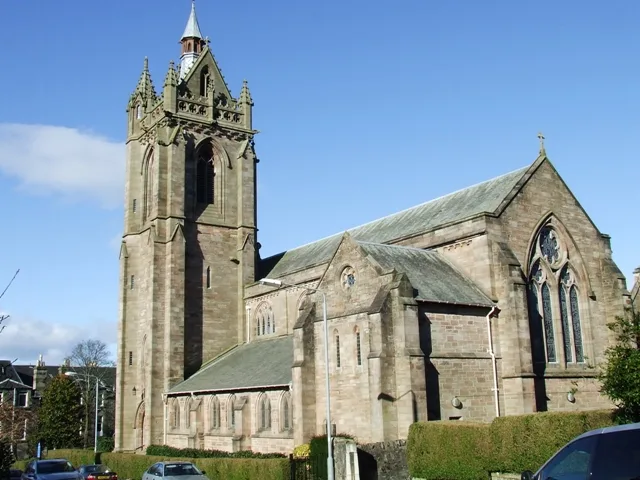
St James Church, Kilmacolm
Historic churches · 0.1 km

St Columba's School
Historic churches · 0.5 km

Brick Traction
Public art & sculpture · 1.3 km

Whinny Hill
Mountains & hills · 1.4 km

Elphinstone Wood Hillfort
Hill forts · 1.7 km

Ancillary Building, Balrossie School, Kilmacolm
Palaces · 1.7 km
Ornamental Outbuilding, Balrossie School, Kilmacolm
Memorials & monuments · 1.8 km

Leperstone Reservoir
Reservoirs & lochs · 1.9 km

Duchal House
Historic houses · 1.9 km

Barlogon Hill
Mountains & hills · 2.1 km

Craig Muir
Mountains & hills · 2.1 km
Kilmacolm is a charming town located in central Scotland. Visitors can explore the historic Duchal Castle and stroll through the grounds of the Ancillary Building, Balrossie School. The area also offers peaceful walks around the Kilmacolm Old Kirk and Kilallan, St Fillan's church and churchyard.
At a glance
- Population
- 4,000
- Constituency
- Inverclyde and Renfrewshire West
Things to see in Kilmacolm
38 attractions within 12 km — showing the 24 most editorially-significant. Full guide: things to do in Kilmacolm →
 📷 3
📷 3Reservoirs & lochs · Central Scotland
Auchendores Reservoir
Auchendores Reservoir — reservoir in Inverclyde, Scotland, UK, outflows from the north, north to Finlayston Burn.
 📷 5
📷 5Castles · Central Scotland
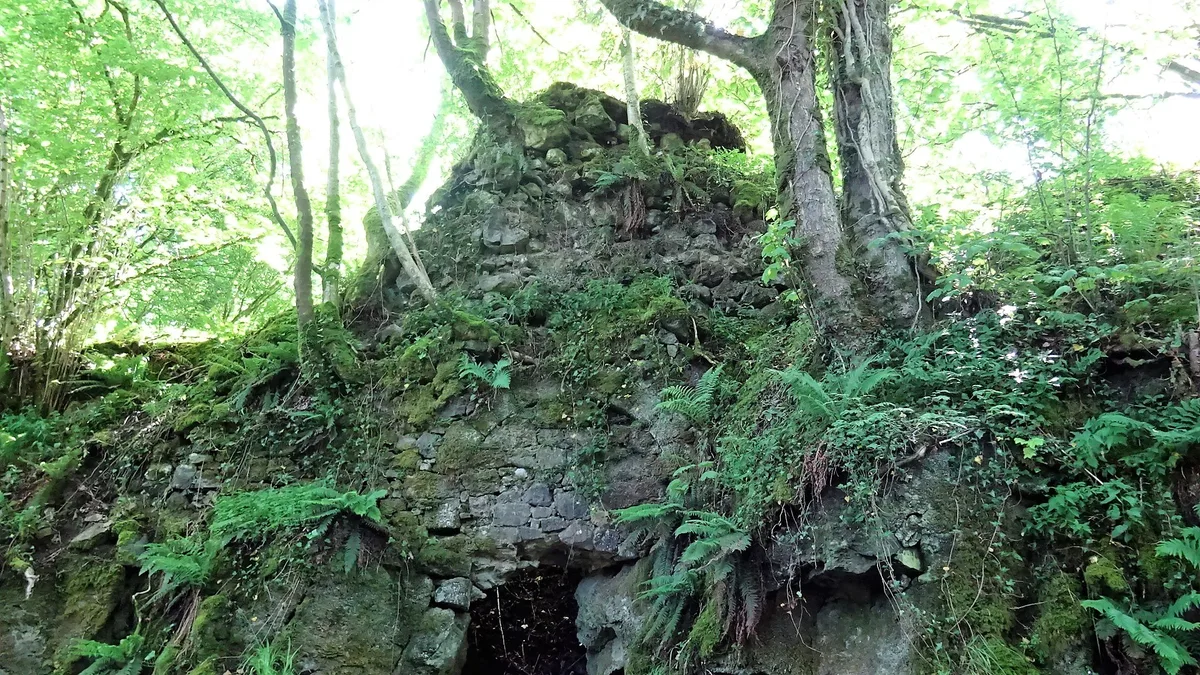
Duchal Castle
Duchal Castle — castle at Kilmacolm, Inverclyde, Scotland, UK.
📷 3Historic houses · Central Scotland
Duchal House
Duchal House — house in Inverclyde, Scotland, UK.
 📷 3
📷 3Reservoirs & lochs · Central Scotland
Gryffe Reservoirs
Gryffe Reservoirs — reservoirs in Inverclyde, Scotland, United Kingdom.
📷 3Reservoirs & lochs · Central Scotland
Leperstone Reservoir
Leperstone Reservoir — reservoir in Inverclyde, Scotland, UK.
 📷 3
📷 3Reservoirs & lochs · Central Scotland
Lower Gryffe Reservoir
Lower Gryffe Reservoir — reservoir in Inverclyde, Scotland, United Kingdom.
📷 3Historic churches · Central Scotland
St James Church, Kilmacolm
St James Church, Kilmacolm — church building in Kilmacolm, Inverclyde, Scotland, UK.
 📷 3
📷 3Reservoirs & lochs · Central Scotland
Upper Gryffe Reservoir
Upper Gryffe Reservoir — reservoir in Inverclyde, Scotland, United Kingdom, outflows to the Lower Gryffe Reservoir.
📷 5Hill forts · Central Scotland
Elphinstone Wood Hillfort
Elphinstone Wood Hillfort — a hill fort in scotland-highlands, United Kingdom.
 📷 3
📷 3Archaeological sites · Central Scotland
Pennytersal Motte
Pennytersal Motte — a archaeological in scotland-highlands, United Kingdom.
 📷 3
📷 3Archaeological sites · Central Scotland
Lurg Moor, Roman Fortlet
Lurg Moor, Roman Fortlet — a archaeological in scotland-highlands, United Kingdom.
 📷 3
📷 3Historic houses · Central Scotland
old pumping station?
old pumping station? — a historic house in scotland-highlands, United Kingdom.
📷 3Public art & sculpture · Central Scotland
Brick Traction
Brick Traction — a public art in scotland-highlands, United Kingdom.
 📷 3
📷 3Public art & sculpture · Central Scotland
XVII Legion
XVII Legion — a public art in scotland-highlands, United Kingdom.
 📷 3
📷 3Public art & sculpture · Central Scotland
Wishing Tree
Wishing Tree — a public art in scotland-highlands, United Kingdom.
 📷 5
📷 5Historic churches · Central Scotland
Holy Family Roman Catholic Church and Presbytery, 2 Parkhill Avenue, Port Glasgow
Holy Family Roman Catholic Church and Presbytery, 2 Parkhill Avenue, Port Glasgow — category A listed building-listed church in scotland-highlands, United Kingdom.
📷 5Historic churches · Central Scotland
Kilmacolm Old Kirk, High Street, Kilmacolm
Kilmacolm Old Kirk, High Street, Kilmacolm — category B listed building-listed church in scotland-highlands, United Kingdom.
 📷 5
📷 5Historic churches · Central Scotland
Kilallan, St Fillan's church and churchyard
Kilallan, St Fillan's church and churchyard — scheduled monument-listed church in scotland-highlands, United Kingdom.
★ Iconic📷 5Palaces · Central Scotland
Ancillary Building, Balrossie School, Kilmacolm
Ancillary Building, Balrossie School, Kilmacolm — category B listed building-listed palace in scotland-highlands, United Kingdom.
📷 5Historic churches · Central Scotland
St Columba's School
St Columba's School — a school heritage in scotland-highlands, United Kingdom.
📷 5Memorials & monuments · Central Scotland
Ornamental Outbuilding, Balrossie School, Kilmacolm
Ornamental Outbuilding, Balrossie School, Kilmacolm — a water tower in scotland-highlands, United Kingdom.
 📷 5
📷 5 📷 5
📷 5Vineyards · Central Scotland
Castle Hill, Gotter Linn
Castle Hill, Gotter Linn — a UK vineyard in scotland highlands, producing English or Welsh wine from cool-climate grape varieties.
 📷 5
📷 5Vineyards · Central Scotland
Craigmarloch Wood
Craigmarloch Wood — a UK vineyard in scotland highlands, producing English or Welsh wine from cool-climate grape varieties.
Nearby
📷 5Historic churches · Central Scotland
Kilmacolm Old Kirk, High Street, Kilmacolm
Kilmacolm Old Kirk, High Street, Kilmacolm — category B listed building-listed church in scotland-highlands, United Kingdom.
📷 3Historic churches · Central Scotland
St James Church, Kilmacolm
St James Church, Kilmacolm — church building in Kilmacolm, Inverclyde, Scotland, UK.
📷 5Historic churches · Central Scotland
St Columba's School
St Columba's School — a school heritage in scotland-highlands, United Kingdom.
📷 3Public art & sculpture · Central Scotland
Brick Traction
Brick Traction — a public art in scotland-highlands, United Kingdom.
📷 5Mountains & hills · Central Scotland
Whinny Hill
Whinny Hill — mountain in scotland highlands. Elevation: 187 m.
📷 5Hill forts · Central Scotland
Elphinstone Wood Hillfort
Elphinstone Wood Hillfort — a hill fort in scotland-highlands, United Kingdom.
Where to eat & stay near Kilmacolm
Places to stay
 📷 5
📷 5Hotels · Central Scotland
Gleddoch House Hotel and Golf Club
Gleddoch House Hotel and Golf Club — a hotel in scotland highlands.
📷 5 📷 5
📷 5 📷 5
📷 5 📷 5
📷 5Hotels · Central Scotland
Erskine Bridge Hotel
Erskine Bridge Hotel — a hotel in scotland central.
Places to eat & drink
 📷 5
📷 5Historic pubs · Central Scotland
Fox and Hounds Inn, South Street, Houston
Fox and Hounds Inn, South Street, Houston in Scotland Central, United Kingdom.
 📷 5
📷 5Historic pubs · Central Scotland
10 The Cross, Kilbarchan
10 The Cross, Kilbarchan in Scotland Central, United Kingdom.
 📷 5
📷 5Historic pubs · Central Scotland
Central Bar, 127 Main Street, Renton
Central Bar, 127 Main Street, Renton in Scotland Central, United Kingdom.
📷 7 📷 5
📷 5Historic pubs · Central Scotland
The James Watt
The James Watt in Scotland Central, United Kingdom.
 📷 5
📷 5Historic pubs · Central Scotland
Hayweighs, 7-9 King Street, Paisley
Hayweighs, 7-9 King Street, Paisley in Scotland Central, United Kingdom.
More towns in this region
 📷 4
📷 4 📷 3
📷 3Towns & cities · Central Scotland
Achahoish
Achahoish — village in Argyll and Bute, Scotland, UK.
 📷 5
📷 5 📷 5
📷 5Towns & cities · Central Scotland
Ardentinny
Ardentinny — village in Argyll and Bute, Scotland, UK.
Frequently asked questions
- Where is Kilmacolm?
- Kilmacolm is in central Scotland, United Kingdom (postcode PA13 4AE).
- What is Kilmacolm?
- Kilmacolm — village in Inverclyde, Scotland, UK.
- How do I get to Kilmacolm?
- The nearest railway station is Langbank, about 4.2 km away. Drivers can use postcode PA13 4AE.
- Is Kilmacolm free to visit?
- Yes, Kilmacolm is free to enter.
- How do I get to Kilmacolm?
- The nearest railway station is Langbank, about 4.2 km away. Drivers can navigate to postcode PA13 4AE.