
Islands · Central Scotland
Isle of Mull
Also known as: Muile
Isle of Mull — second-largest Inner Hebrides island (after Skye) off the west coast of Scotland.

Wikimedia Commons contributors — see linked file page for photographer and licence licence
.jpg)
Plan your visit
- Typical visit
- 4 h–12 h
- Free entry
- Dog-friendly
Getting there & planning your visit
Isle of Mull is located in the Scottish Highlands at latitude 56.45 and longitude -6. There is no nearest railway station or postcode provided, and entry to the island is free. Accessibility details are not specified.
About
Isle of Mull is a island in the United Kingdom. It covers approximately 886 km². Recent population estimates put it at around 2,800 people. Part of Inner Hebrides. Wikidata describes it as: "second-largest Inner Hebrides island (after Skye) off the west coast of Scotland". Coordinates: 56.4500°, -6.0000°.
Photo gallery
From the Wikipedia article
The Isle of Mull, or simply Mull, is the second-largest island of the Inner Hebrides (after Skye) and lies off the west coast of Scotland in the council area of Argyll and Bute. Covering 875.35 square kilometres (337.97 sq mi), Mull is the fourth-largest island in Scotland. Between 2011 and 2022 the population increased from 2,800 to 3,063. It has the eighth largest island population in Scotland. In the summer, these numbers are augmented by an influx of many tourists. Much of the year-round population lives in the colourful main settlement of Tobermory. There are two distilleries on the island: the Tobermory distillery, formerly named Ledaig, produces single malt Scotch whisky and another, opened in 2019 and located in the vicinity of Tiroran, which produces Whitetail Gin. Mull is host to numerous sports competitions, notably the Highland Games competition, held annually in July. The isle is home to four castles, including the towering castle of Duart and the keep of Moy Castle. On the south coast, a stone circle is located in the settlement of Lochbuie.
Excerpt from Wikipedia under CC BY-SA 4.0. See the source article linked in Sources below.
Background
History
]] The Isle of Mull has probably been inhabited since shortly after the end of the last Ice Age, around 11,000 years ago. This is evidenced by radiocarbon dating done in a Mesolithic hut at Crieth Dubh on the northwest coast of the island. Later, Bronze Age and Iron Age inhabitants built brochs at Dun Nan Gall and An Sean Chaisteal, and a stone circle at Lochbuie along with numerous burial cairns. Two crannogs there have been dated to the Iron Age. In the 6th century AD, Irish migrants invaded Mull and the surrounding coast and established the Gaelic kingdom of Dál Riata. The kingdom was divided into a number of regions, each controlled by a different kinship group. One of these, the Cenél…
Visiting
There is a small amount of farming, aquaculture, and fishing, and Forestry and Land Scotland has several plantations on the island. Tobermory also has one whisky distillery (Tobermory distillery) and from 2005 to 2009 had a brewery (Isle of Mull Brewing Company). Tiroran is home to the island's other distillery (Whitetail Gin) which was established as the isle's first new distillery in over 220 years in 2019. Tourism is now the mainstay of the island's economy. The economy began to revive when construction of Craignure Pier in 1964 started to bring tourists. Ecotourism became popular from the 1990s, and the reintroduction of white-tailed eagles in 2005 became a particular ecotourist…
Sourced from Wikipedia under CC BY-SA 4.0.
- Coordinates
- 56.4500, -6.0000
- Population
- 2,800
Sources
- wikidata: Q111444 (CC0)
- wikipedia: Isle of Mull (CC BY-SA 4.0)
- commons: Ben More (Mull).jpg (CC BY-SA 4.0)
Other places nearby

Beinn nan Gabhar
Mountains & hills · 0.7 km
Beinn nan Gabhar
Mountains & hills · 0.8 km

Beinn Fhada
Mountains & hills · 1.0 km
Beinn Fhada
Mountains & hills · 1.0 km

Beinn a' Ghraig
Mountains & hills · 1.5 km
Beinn a' Ghraig
Mountains & hills · 1.5 km

An Cruachan
Mountains & hills · 1.6 km

Knock
Villages · 2.1 km

A' Chioch
Mountains & hills · 2.5 km
A' Chioch
Mountains & hills · 2.5 km

Beinn Coille na Sroine
Mountains & hills · 2.7 km

Creag Dhubh
Mountains & hills · 2.9 km
Nearby
📷 5Mountains & hills · Central Scotland
Beinn nan Gabhar
Beinn nan Gabhar — a hill or mountain in scotland highlands.
📷 5Mountains & hills · Central Scotland
Beinn nan Gabhar
Beinn nan Gabhar — mountain in scotland highlands. Elevation: 572 m.
📷 5Mountains & hills · Central Scotland
Beinn Fhada
Beinn Fhada — mountain in scotland highlands. Elevation: 702 m.
📷 5Mountains & hills · Central Scotland
Beinn Fhada
Beinn Fhada — a hill or mountain in scotland highlands.
📷 5Mountains & hills · Central Scotland
Beinn a' Ghraig
Beinn a' Ghraig — a hill or mountain in scotland highlands.
📷 5Mountains & hills · Central Scotland
Beinn a' Ghraig
Beinn a' Ghraig — mountain in scotland highlands. Elevation: 591 m.
Where to eat & stay near Isle of Mull
Places to stay
 📷 5
📷 5Campsites · Central Scotland
Killiechronan Campsite
Killiechronan Campsite — a campsite in scotland highlands.
 📷 5
📷 5Campsites · Central Scotland
Salen Bay Campsite
Salen Bay Campsite — a campsite in scotland highlands.
 📷 5
📷 5Campsites · Central Scotland
Port nan Gael
Port nan Gael — a campsite in scotland highlands.
 📷 5
📷 5Hostels · Central Scotland
Ulva Hostel
Ulva Hostel — a hostel in scotland highlands.
 📷 5
📷 5Hostels · Central Scotland
Highland Basecamp
Highland Basecamp — a hostel in scotland highlands.
 📷 5
📷 5Hostels · Central Scotland
Craignure Bunkhouse
Craignure Bunkhouse — a hostel in scotland highlands.
Places to eat & drink
 📷 5
📷 5Restaurants · Central Scotland
The Boathouse
The Boathouse — a restaurant in scotland highlands.
More places in this region
 Flagship📷 5
Islands · Central Scotland
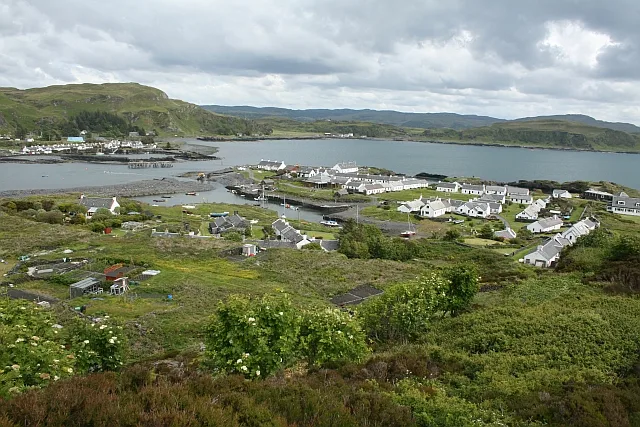
Easdale
Easdale — one of the Slate Islands, in the Firth of Lorn, Scotland.
 Flagship📷 5
Islands · Central Scotland
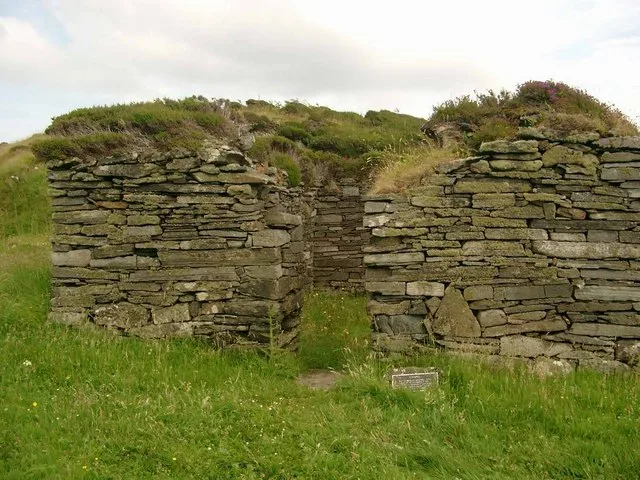
Eileach an Naoimh
Eileach an Naoimh — uninhabited island, Garvellachs, Scotland.
 Flagship📷 3
Islands · Central Scotland
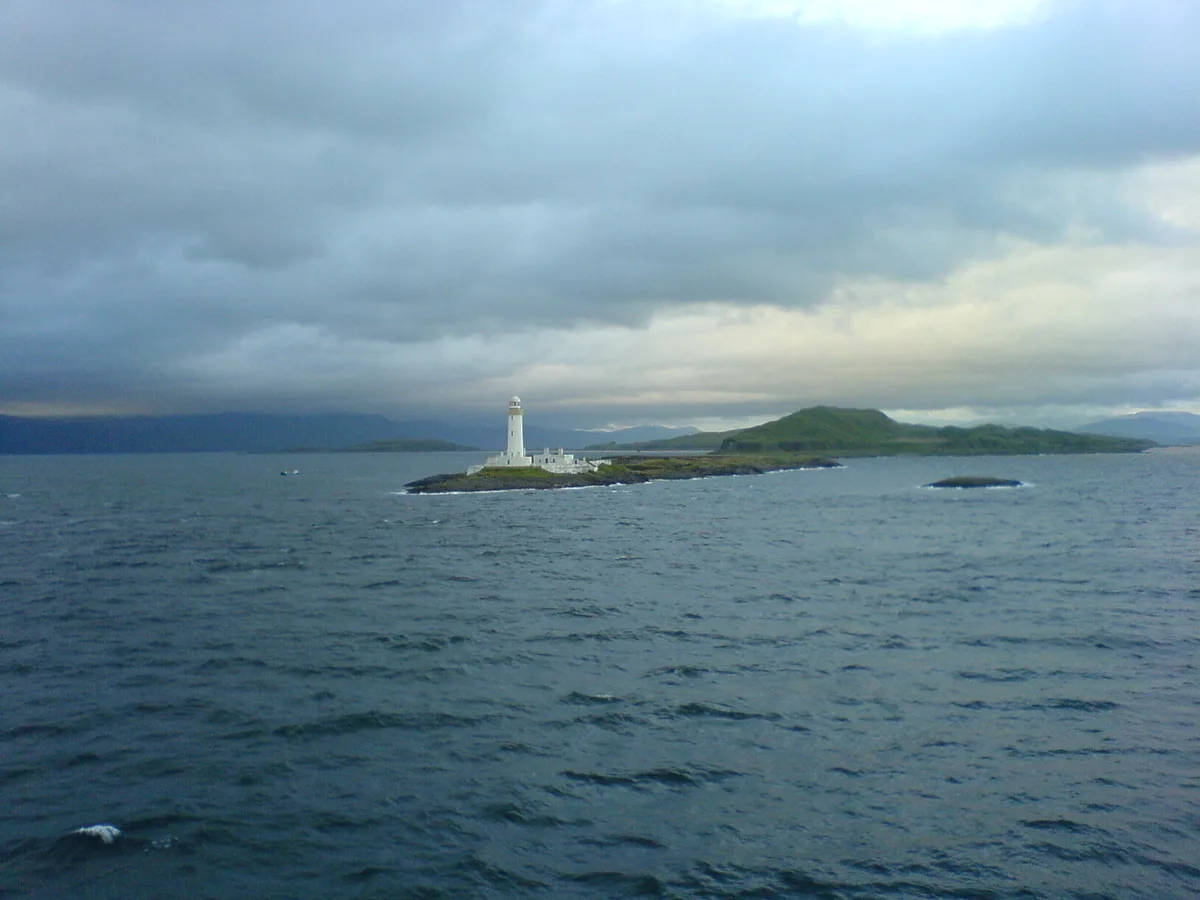
Eilean Musdile
Eilean Musdile — an islet to the south west of Lismore in the Inner Hebrides.
 📷 5
📷 5Islands · Central Scotland
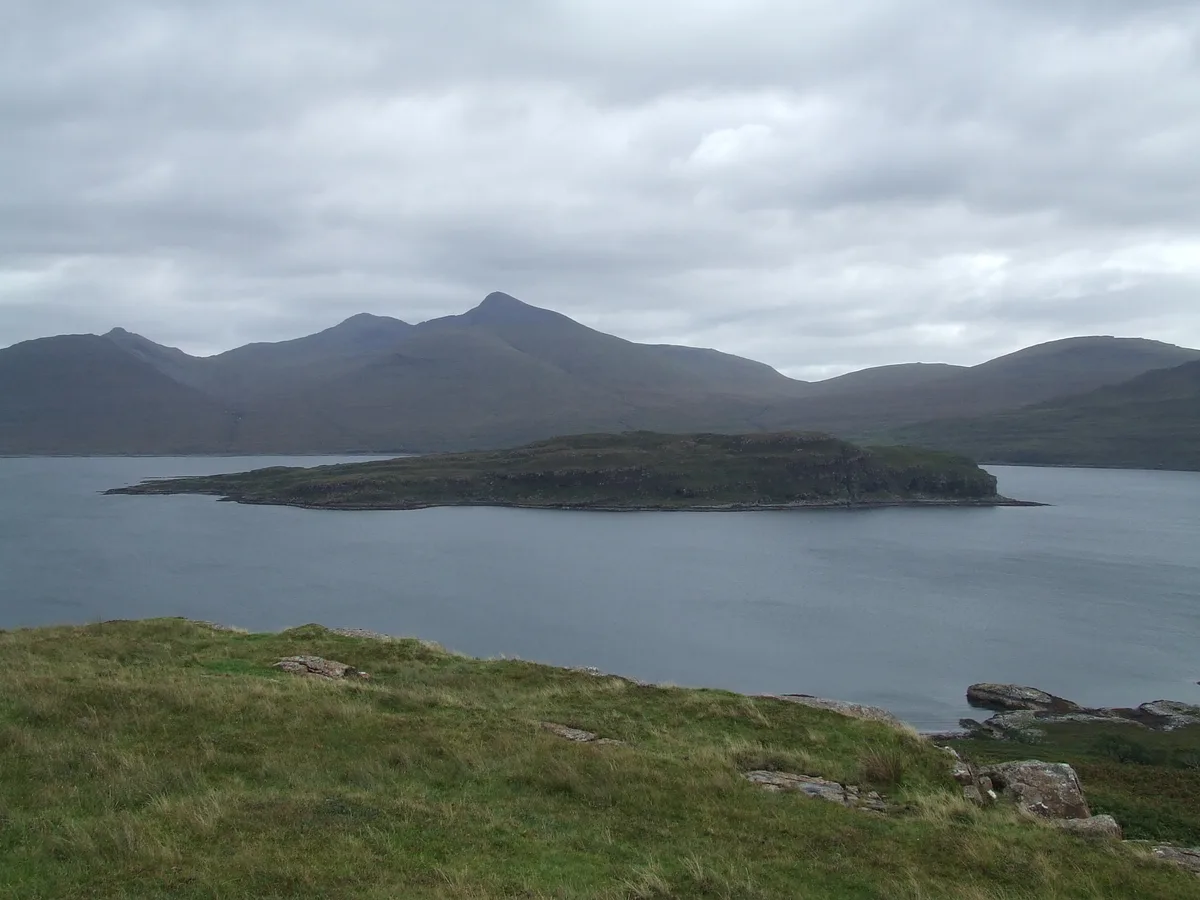
Eorsa
Eorsa — island. Off the coast of Mull, Scotland, in United Kingdom.
Frequently asked questions
- Where is Isle of Mull?
- Isle of Mull is in central Scotland, United Kingdom.
- What is Isle of Mull?
- Isle of Mull — second-largest Inner Hebrides island (after Skye) off the west coast of Scotland.
- How do I get to Isle of Mull?
- Its coordinates are 56.4500°, -6.0000°.
- Is Isle of Mull free to visit?
- Yes, Isle of Mull is free to enter.