
Hill forts · East of England
Ipswich Whitefriars
In or near Belstead.
Ipswich Whitefriars — Carmelite monastery in Suffolk, England, UK.

Andrew Hill — CC BY-SA 2.0 via Wikimedia Commons licence

Plan your visit
- Typical visit
- 1 h–2 h
- Nearest railway station
- Ipswich · 0.9 km
- Free entry
- Dog-friendly
Getting there & planning your visit
Ipswich Whitefriars is located in Ipswich, Suffolk, with the postcode IP1 1DT. The nearest railway station is Ipswich, which is 0.9 km away. Entry to the site is free.
About
Ipswich Whitefriars is a hill fort in the United Kingdom. Records date its origin to 1201. Wikidata describes it as: "Carmelite monastery in Suffolk, England, UK". Coordinates: 52.0565°, 1.1536°.
Photo gallery
See it from the streetimagery from 2026
Imagery © Mapillary contributors, CC BY-SA 4.0
Official information
Ipswich Whitefriars is a community space that serves as a Hindu temple and cultural center. Visitors can engage in various religious and cultural activities, as well as participate in community events throughout the year.
Protected designations
- Area of Outstanding Natural Beauty: Suffolk Coast & Heaths
Designations sourced from Natural England open data under OGL v3.
From the Wikipedia article
Ipswich Whitefriars was the medieval religious house of Carmelite friars (under a prior) which formerly stood near the centre of the town of Ipswich, the county town of Suffolk, UK. It was the last of the three principal mendicant communities to be founded in Ipswich, the first being the Ipswich Greyfriars (Franciscans), under Tibetot family patronage before 1236, and the second the Ipswich Blackfriars (Dominicans) founded by King Henry III in 1263. The house of the Carmelite Order of White Friars was established in c. 1278–79. In its heyday it was the home of many eminent scholars, supplied several Provincial superiors of the Order in England, and was repeatedly host to the provincial chapters of the Order. All three houses were dissolved or suppressed in 1538, the Greyfriars in April and the other two in November. The Whitefriars stood south of the Ipswich Buttermarket street and mainly to the west of St Stephen's Lane, but nothing now remains visible above ground. The site was partly exposed by diggings in c. 1898, observed by Nina Layard, and very extensively excavated during the 1980s by the Suffolk County Council archaeologists. Of the three vanished friaries, the Greyfriars is now particularly notable for its distinguished patrons, the Blackfriars for knowledge of its buildings and the later public, charitable and educational purposes associated with them, and the Whitefriars for the rich story of its ecclesiastical and scholarly inmates. They were also noted for their production of books employing people in such trades as limners (illuminators of manuscripts), scriveners (copyists), bookbinders, leather curriers and quill pen makers.
Excerpt from Wikipedia under CC BY-SA 4.0. See the source article linked in Sources below.
Background
History
The foundation is attributed by William Dugdale to Sir Thomas de Loudham (but by John Speed to Lord Bardesley, Sir Jeffrey Hadley and Sir Robert Norton) and to the date 1279. The founding was simultaneous with the Carmelite house at Winchester (1278), closely following a Carmelite provincial chapter held at Norwich. King Edward I visited Ipswich in 1277, and passed the Mortmain Act 1279 (7 Edw. 1) which gave many benefits to the Carmelites. The Order did not recognise the principle of filiation, so that Ipswich was not a daughter-house of Norwich, but looked only to the authority of the General and Provincial chapters. However, the first members of the new community were probably chosen…
Description
John Bale (b. 1495), later Bishop of Ossory, was educated at the Norwich Carmelite house and at Cambridge University, and was elected (the last) Prior of Ipswich Carmelites in 1533. While at Ipswich he wrote a number of works, and made an intensive survey of the writers of Britain whose works were preserved in the monastic libraries of his time. He appears to have left the office before the house was finally dissolved. The reply is not recorded, but the outcome was the end of the monastery. The Ancient House, Ipswich, on land not far from the Priory Gate, was acquired by one George Copping in 1567 and substantially renovated. most traces of the Whitefriars disappeared very rapidly.
Sourced from Wikipedia under CC BY-SA 4.0.
- Coordinates
- 52.0565, 1.1536
- County
- Suffolk
- District
- Ipswich
- Parish
- Ipswich, unparished area
- Postcode
- IP1 1DT
- Parliamentary constituency
- Ipswich
- Established
- 1201
- Nearest railway station
- Ipswich — 0.9 km
Sources
- wikidata: Q6065650 (CC0)
- wikipedia: Ipswich Whitefriars (CC BY-SA 4.0)
Other places nearby

Empire Cinema Ipswich
Theatres · 0.0 km
Omniplex
Cinemas · 0.0 km

Giles Family
Public art & sculpture · 0.1 km

ABC Ipswich
Theatres · 0.1 km

Ancient House
Historic houses · 0.1 km

King Street Cinema
Theatres · 0.1 km

Ipswich Hindu Samaj Mandir & Community Centre
Historic churches · 0.1 km

16, St Nicholas Street
Historic pubs · 0.1 km
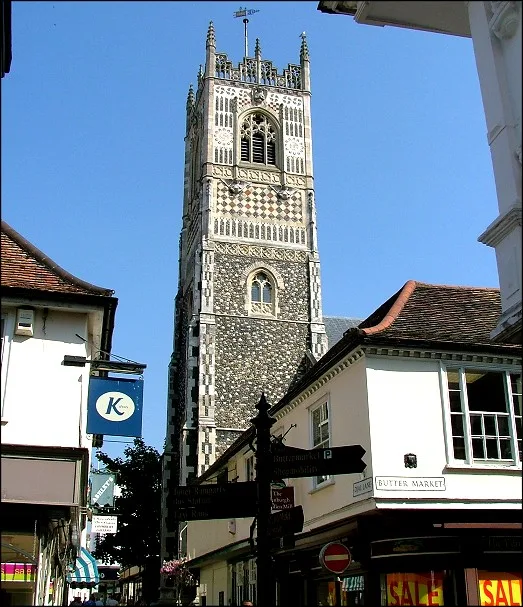
St Lawrence Church
Historic churches · 0.1 km

Prince Alexander Obolensky Memorial
Public art & sculpture · 0.2 km

Unitarian Meeting House
Historic houses · 0.2 km

V S Pritchett
Memorials & monuments · 0.2 km
Nearby
📷 5Theatres · East of England
Empire Cinema Ipswich
Empire Cinema Ipswich — a cinema heritage in england-east, United Kingdom.
📷 3Public art & sculpture · East of England
Giles Family
Giles Family — Public artwork (statue) by Miles Robinson.
📷 3📷 4Historic houses · East of England
Ancient House
Ancient House — Grade I listed house in Ipswich, Suffolk, United Kingdom.
📷 3Where to eat & stay near Ipswich Whitefriars
Places to stay
 📷 5
📷 5 📷 7
📷 7Hotels · East of England
Belstead Brook Hotel
Belstead Brook Hotel — a hotel in england east.
 📷 5📷 5
Campsites · East of England
Hallowtree Scout Activity Centre
Hallowtree Scout Activity Centre — a campsite in england east.
 📷 5
📷 5Hotels · East of England
Ipswich Hotel
Ipswich Hotel — a hotel in england east.
 📷 5
📷 5Campsites · East of England
Tomcat Farm Caravan Services
Tomcat Farm Caravan Services — a campsite in england east.
Places to eat & drink
📷 5Historic pubs · East of England
16, St Nicholas Street
16, St Nicholas Street in England East, United Kingdom.
 📷 7
📷 7 📷 5
📷 5 📷 7
📷 7Historic pubs · East of England
Half Moon and Star
Half Moon and Star in England East, United Kingdom.
 📷 7
📷 7Historic pubs · East of England
The Margaret Catchpole Public House
The Margaret Catchpole Public House in England East, United Kingdom.
 📷 5
📷 5Historic pubs · East of England
The Suffolk Punch
The Suffolk Punch in England East, United Kingdom.
Other places from this era
 📷 5
📷 5Hill forts · South East England
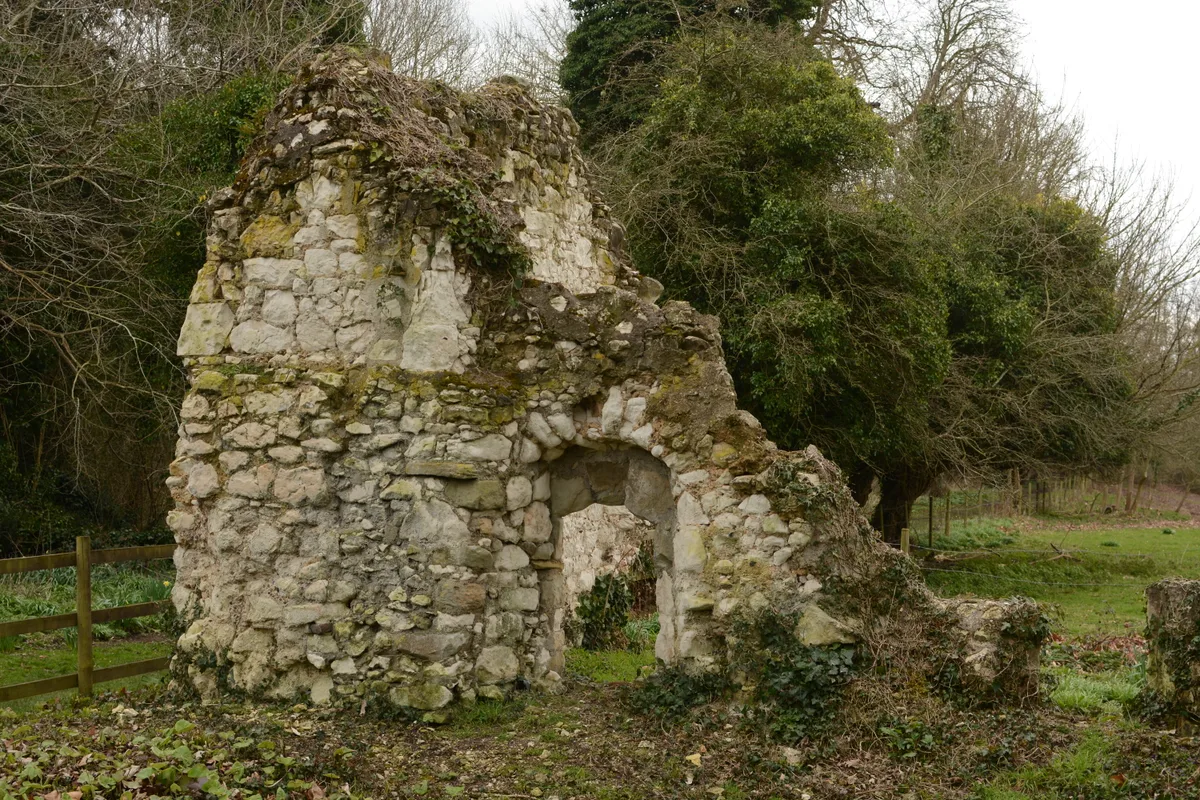
Ankerwycke Priory
Ankerwycke Priory — Benedictine nunnery with associated moat and fishponds.
 📷 5
📷 5Hill forts · South East England
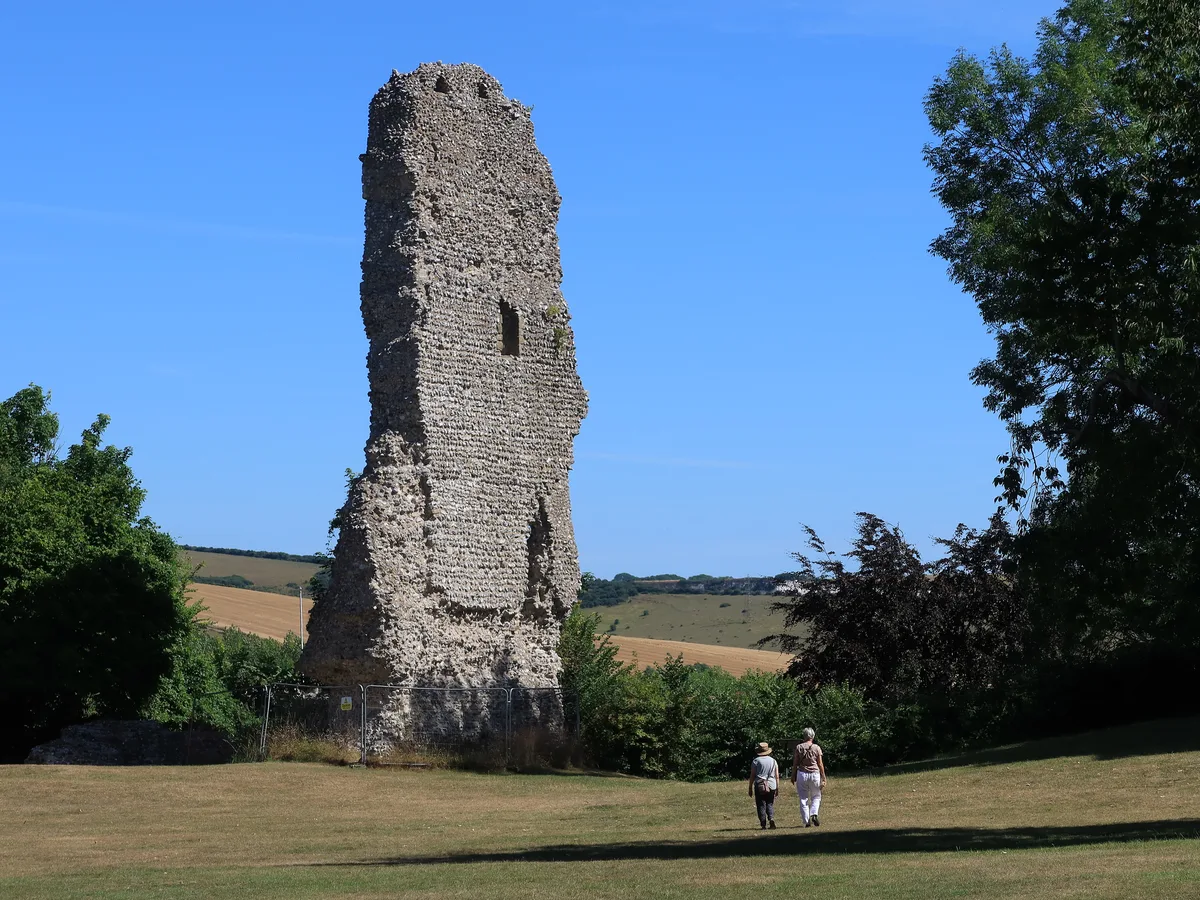
Bramber Castle
Bramber Castle — Norman castle in Bamber, West Sussex, England, UK.
 📷 3
📷 3Hill forts · South East England
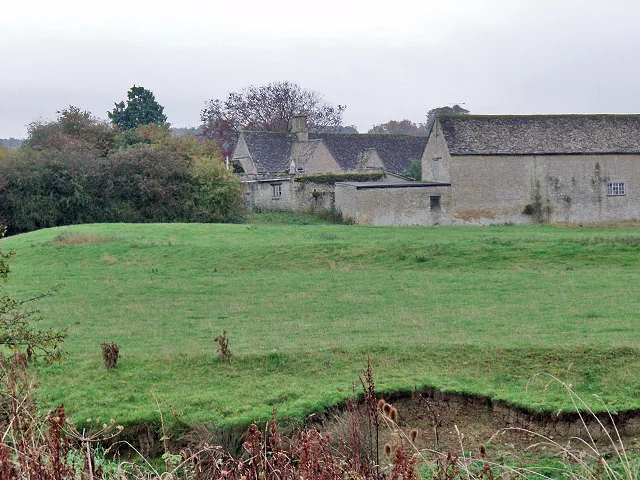
Ascot d'Oilly Castle
Ascot d'Oilly Castle — castle in Oxfordshire, England, UK.
 📷 5
📷 5Hill forts · South West England
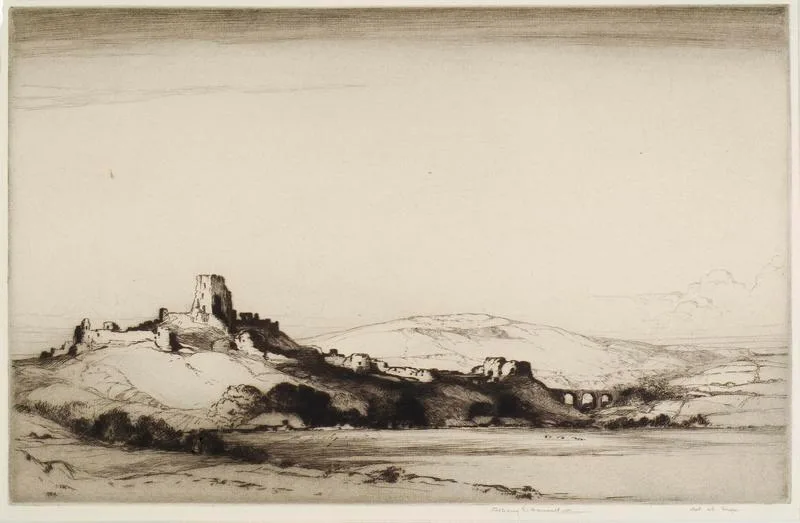
Corfe Castle
Corfe Castle — fortification in Dorset, England, UK.
More places in this region
 📷 5
📷 5Hill forts · East of England
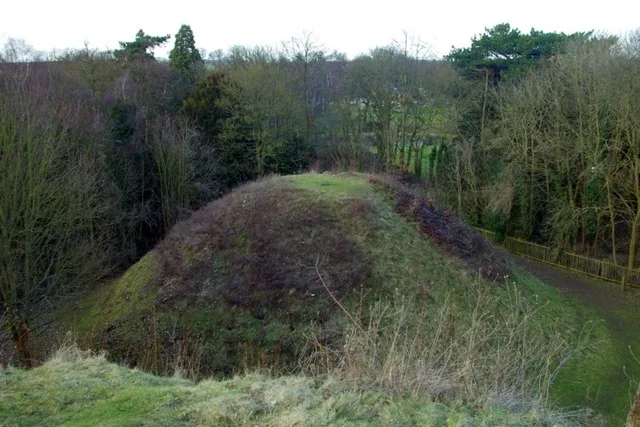
Bartlow Hills
Bartlow Hills — Roman tumuli cemetery in Bartlow (Cambridgeshire, UK).
 📷 5
📷 5Hill forts · East of England
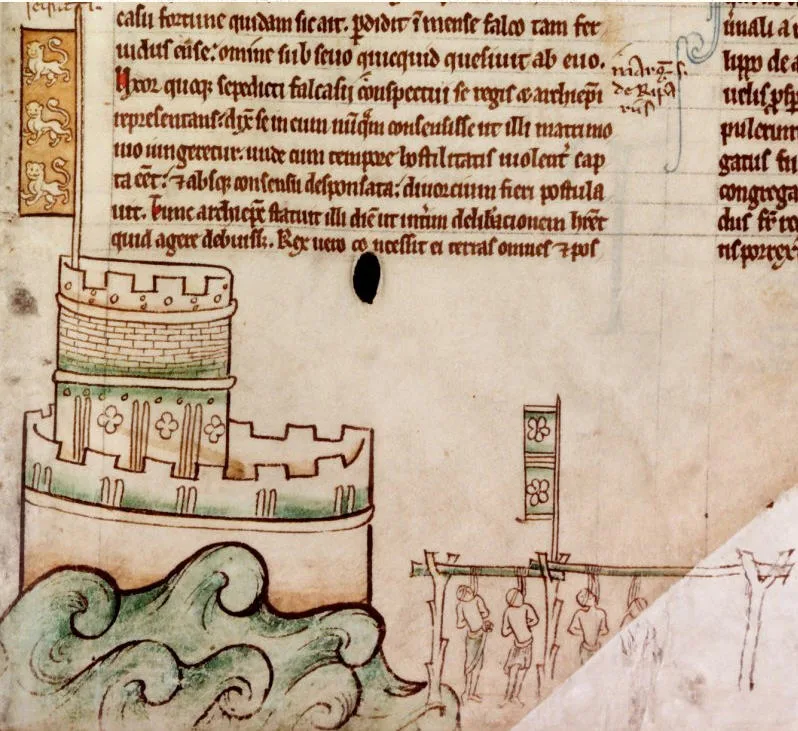
Bedford Castle
Bedford Castle — castle in Bedfordshire, England, UK.
.jpg?width=1200) 📷 5
📷 5Hill forts · East of England
Beech Bottom Dyke
Beech Bottom Dyke — Iron Age ditch in St Albans, Hertfordshire, England, UK.
 📷 5
📷 5Hill forts · East of England
Braughing Roman Town
Braughing Roman Town — archaeological site in Braughing, East Hertfordshire, England, UK.
Frequently asked questions
- Where is Ipswich Whitefriars?
- Ipswich Whitefriars is in Suffolk, East of England, United Kingdom (postcode IP1 1DT), in the parish of Ipswich, unparished area.
- What is Ipswich Whitefriars?
- Ipswich Whitefriars — Carmelite monastery in Suffolk, England, UK.
- How do I get to Ipswich Whitefriars?
- The nearest railway station is Ipswich, about 0.9 km away. The nearest town is Belstead. Drivers can use postcode IP1 1DT.
- When was Ipswich Whitefriars built?
- Built or established in 1201.
- Is Ipswich Whitefriars a protected site?
- Yes — Ipswich Whitefriars is part of the Suffolk Coast & Heaths National Landscape (AONB).
- Is Ipswich Whitefriars free to visit?
- Yes, Ipswich Whitefriars is free to enter.
- How do I get to Ipswich Whitefriars?
- The nearest railway station is Ipswich, about 0.9 km away. Drivers can navigate to postcode IP1 1DT.