
Abbeys & priories · Scottish Islands
Iona Abbey
Iona Abbey — abbey in Argyll and Bute, Scotland, UK.

Wikimedia Commons contributors — see linked file page for photographer and licence licence

Plan your visit
- Typical visit
- 45 min–1.5 h
- Paid entry
- Family-friendly
- Limited wheelchair access
Getting there & planning your visit
Iona Abbey is located in the Scottish Highlands, with the postcode PA76 6SQ. Entry is paid, and wheelchair accessibility is limited.
About
Iona Abbey is an abbey, priory, or monastic site in the United Kingdom. Records date its origin to AD 563. Heritage designation: category A listed building. Affiliated with Catholic Church. Managed by Historic Environment Scotland. Wikidata describes it as: "abbey in Argyll and Bute, Scotland, UK". Coordinates: 56.3350°, -6.3914°.
Photo gallery
Heritage listing
Iona Abbey is an abbey located on the island of Iona, off the larger Isle of Mull on the west coast of Scotland. It is one of the oldest Christian religious centres in Western Europe, and was a focal point for the spread of Christianity throughout Scotland. It was founded, along with its monastic community, by Saint Columba and his twelve companions in 563, when Iona was part of the Kingdom of Dál Riata. Saint Aidan served as a monk there in the 7th century before helping to re-establish Christianity in Northumberland, on the island of Lindisfarne. In the 12th century, the Macdonald lords of Clan Donald made Iona the ecclesiastical capital of the royal family of Macdonald, and subsequent Lords of the Isles into the early 16th century endowed and maintained the abbey, church and nunnery.
From Historic Environment Scotland under OGL v3.
Summary from the official site
Iona Abbey is a historic site on the Isle of Iona, known for its significance in Christian worship since the arrival of St. Columba in AD 563. Visitors can explore the abbey's architecture, ancient high crosses, and the nearby nunnery, as well as the graveyard where Scottish kings are believed to be buried.
Read more on the official property page.
From the Wikipedia article
Iona Abbey is an abbey located on the island of Iona, off the larger Isle of Mull on the west coast of Scotland. It is one of the oldest Christian religious centres in Western Europe, and was a focal point for the spread of Christianity throughout Scotland. It was founded, along with its monastic community, by Saint Columba and his twelve companions in 563, when Iona was part of the Kingdom of Dál Riata. Saint Aidan served as a monk there in the 7th century before helping to re-establish Christianity in Northumberland, on the island of Lindisfarne. In the 12th century, the Macdonald lords of Clan Donald made Iona the ecclesiastical capital of the royal family of Macdonald, and subsequent Lords of the Isles into the early 16th century endowed and maintained the abbey, church and nunnery. Two of the Macdonalds (each named Angus) became Bishops of the Isles with the bishop's seat at Iona. Saint Oran's Chapel was the burial place for the Lords as evidenced by their grave slabs. From 1207 to 1493, the early Clan Donald and its Lords of the Isles were entirely central to Iona Abbey's medieval existence, development and prestige. This enduring Macdonald phase equals the 300 year period of primary Columban monasticism. It is paramount in providing the sole witness to Iona's extant architecture and is a principal witness to the surviving monuments. The Iona Abbey church was in all but name The Macdonald's Cathedral of The Isles. The medieval Iona Abbey, as seen today (restored in the 20th century), is largely the legacy of the 15th-century Clan Donald Lords of the Isles and their Clan Donald Abbots and Bishops. Today, Iona Abbey is the spiritual home of the Iona Community, an ecumenical Christian religious order, whose headquarters are in Glasgow. The Abbey remains a popular site of Christian pilgrimage today.
Excerpt from Wikipedia under CC BY-SA 4.0. See the source article linked in Sources below.
Background
History
In 563, Columba came to Iona from Ireland with twelve companions and founded a monastery. It developed as an influential centre for the spread of Christianity among the Picts and Scots. At this time, the name of the island and so the abbey was "Hy" or "Hii"; "Iona" only seems to date from the 14th century, as a mis-transcription of a Latinised "Ioua" for "Hy".
Architecture
Like other Celtic Christian monasteries, Columba's monastery would have been made up of a number of wattle and timber, or wood and thatch, buildings. These would have included a central church or oratory, the common refectory or kitchen, the library or scriptorium, monk cells or dormitories, and a guest house for visitors including pilgrims. It is believed that around 800AD the original wooden chapel was replaced by a stone chapel. Columba's monastery was surrounded by a ditch and earth bank, part of which is believed to have pre-existed Columba's arrival, and part of which can still be seen to the north west of the current abbey buildings.
Sourced from Wikipedia under CC BY-SA 4.0.
- Coordinates
- 56.3350, -6.3914
- District
- Argyll and Bute
- Postcode
- PA76 6SQ
- Parliamentary constituency
- Argyll, Bute and South Lochaber
- Established
- 563
- Official site
- www.ionahistory.org.uk
Sources
- wikidata: Q198409 (CC0)
- wikipedia: Iona Abbey (CC BY-SA 4.0)
- commons: Iona Abbey - July 2011.jpeg (CC BY-SA 4.0)
Featured in this guide
Other places nearby

Iona Abbey
Cathedrals · 0.0 km

Iona Abbey Museum
Museums · 0.0 km

St Oran's chapel
Chapels · 0.1 km

The MacLeod Centre
Hostels · 0.2 km

Bishop's House, Iona
Historic houses · 0.3 km

MacLean’s Cross
Memorials & monuments · 0.3 km

Iona Church, Iona
Historic churches · 0.3 km

Iona Heritage Centre
Museums · 0.4 km

Cladh an Diseart
Historic houses · 0.4 km

Cladh an Diseart
Archaeological sites · 0.4 km
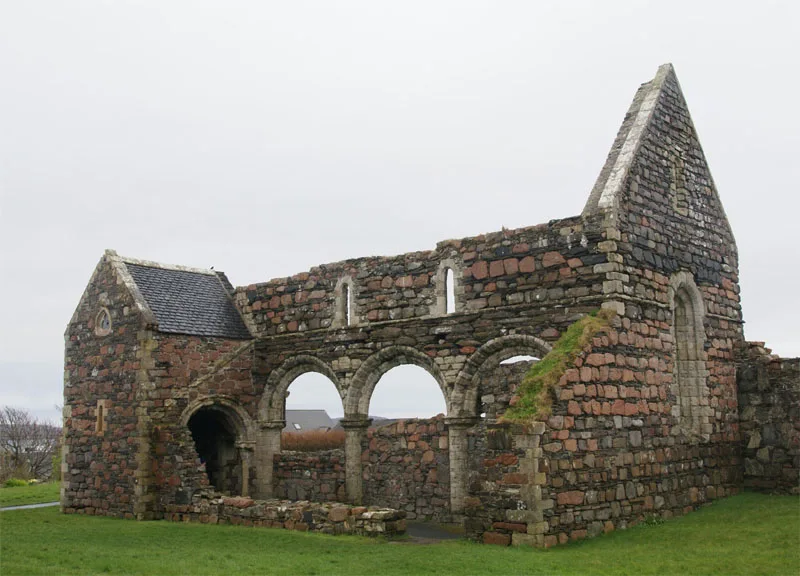
Iona Nunnery
Abbeys & priories · 0.4 km

Iona Nunnery
Cathedrals · 0.4 km
Nearby
📷 4Cathedrals · Scottish Islands
Iona Abbey
Iona Abbey is a cathedral in the United Kingdom.
📷 3Museums · Scottish Islands
Iona Abbey Museum
Iona Abbey Museum — a museum in scotland-highlands, United Kingdom.
📷 3Chapels · Scottish Islands
St Oran's chapel
St Oran's chapel — chapel building in Argyll and Bute, Scotland, UK.
📷 5📷 5Historic houses · Scottish Islands
Bishop's House, Iona
Bishop's House, Iona — retreat house on Iona, Argyll and Bute, Scotland, UK.
📷 3Memorials & monuments · Scottish Islands
MacLean’s Cross
MacLean’s Cross — a memorial in scotland-highlands, United Kingdom.
Where to eat & stay near Iona Abbey
Places to stay
📷 5 📷 5
📷 5 📷 5
📷 5Campsites · Scottish Islands
Iona Campsite
Iona Campsite — a campsite in scotland highlands.
Caravan parks · Scottish Islands
Catchean Pods & Caravans
Catchean Pods & Caravans — a caravan park in scotland islands.
 📷 5
📷 5Campsites · Scottish Islands
Fidden Farm
Fidden Farm — a campsite in scotland highlands.
 📷 5
📷 5Places to eat & drink
 📷 5
📷 5Restaurants · Central Scotland
The Boathouse
The Boathouse — a restaurant in scotland highlands.
More places run by Historic Environment Scotland
 📷 5
📷 5Castles · North West England
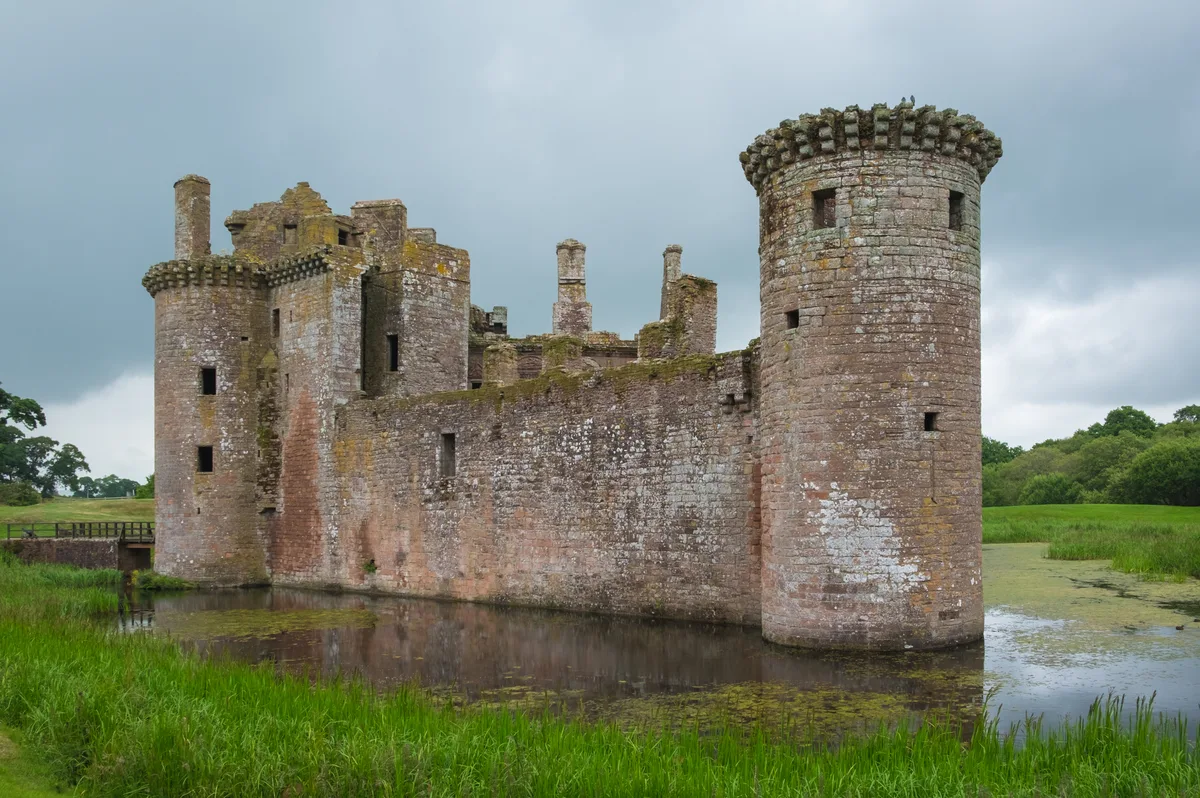
Caerlaverock Castle
Caerlaverock Castle — former castle archaeological site in Dumfries and Galloway, Scotland, UK.
 📷 5
📷 5Castles · North West England
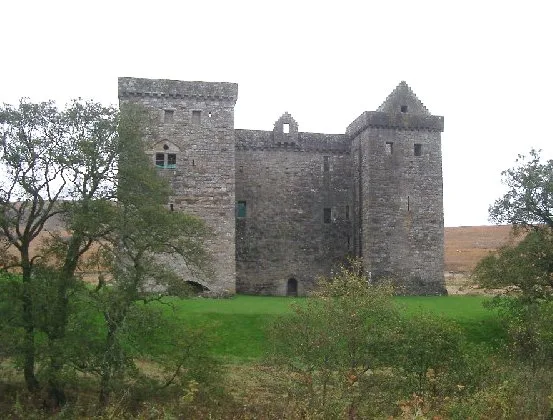
Hermitage Castle
Hermitage Castle — Semi-ruined castle in Scotland.
 📷 5
📷 5Castles · Scottish Highlands
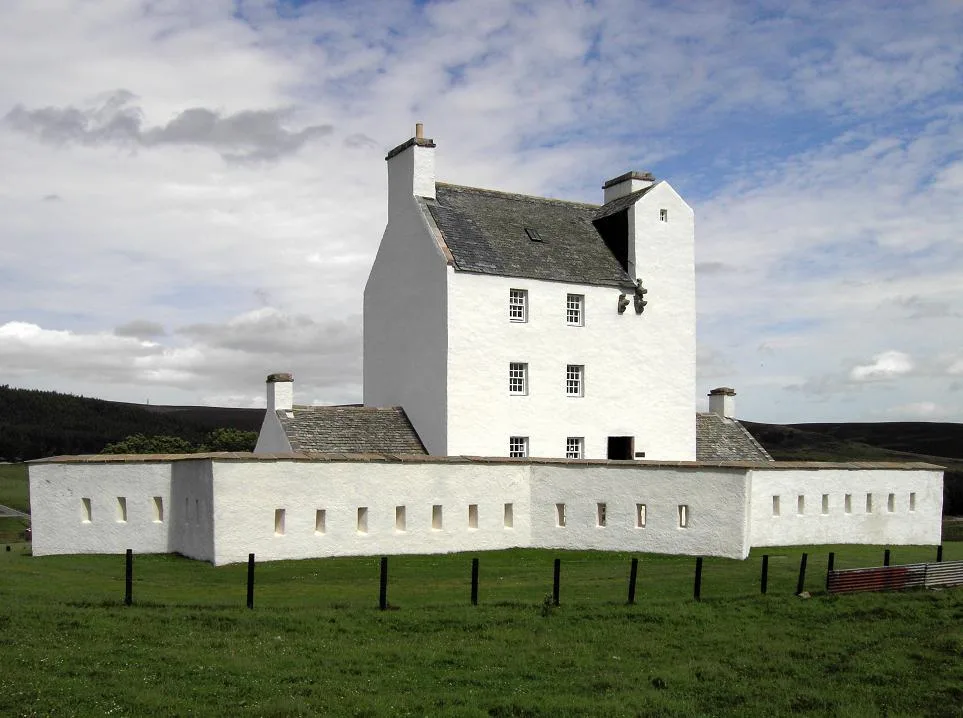
Corgarff Castle
Corgarff Castle — castle and military museum in Aberdeenshire, Scotland, UK.
 📷 3
📷 3Museums · Scottish Highlands
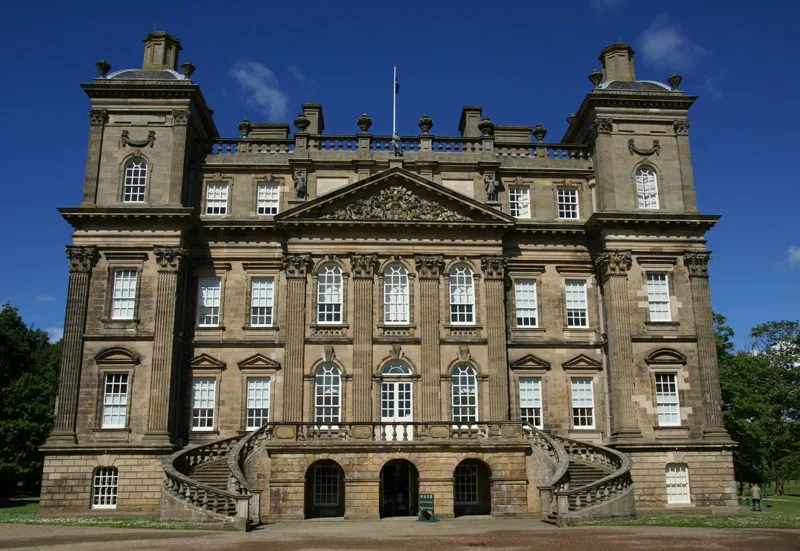
Duff House
Duff House — estate house in Banff, Aberdeenshire, Scotland, UK.
Other abbeys from this era
 📷 5
📷 5 ★ Iconic📷 5
 📷 5
📷 5Abbeys & priories · South East England
Malling Abbey
Malling Abbey — monastery in West Malling, Kent, United Kingdom.
 Flagship📷 5
Abbeys & priories · South East England
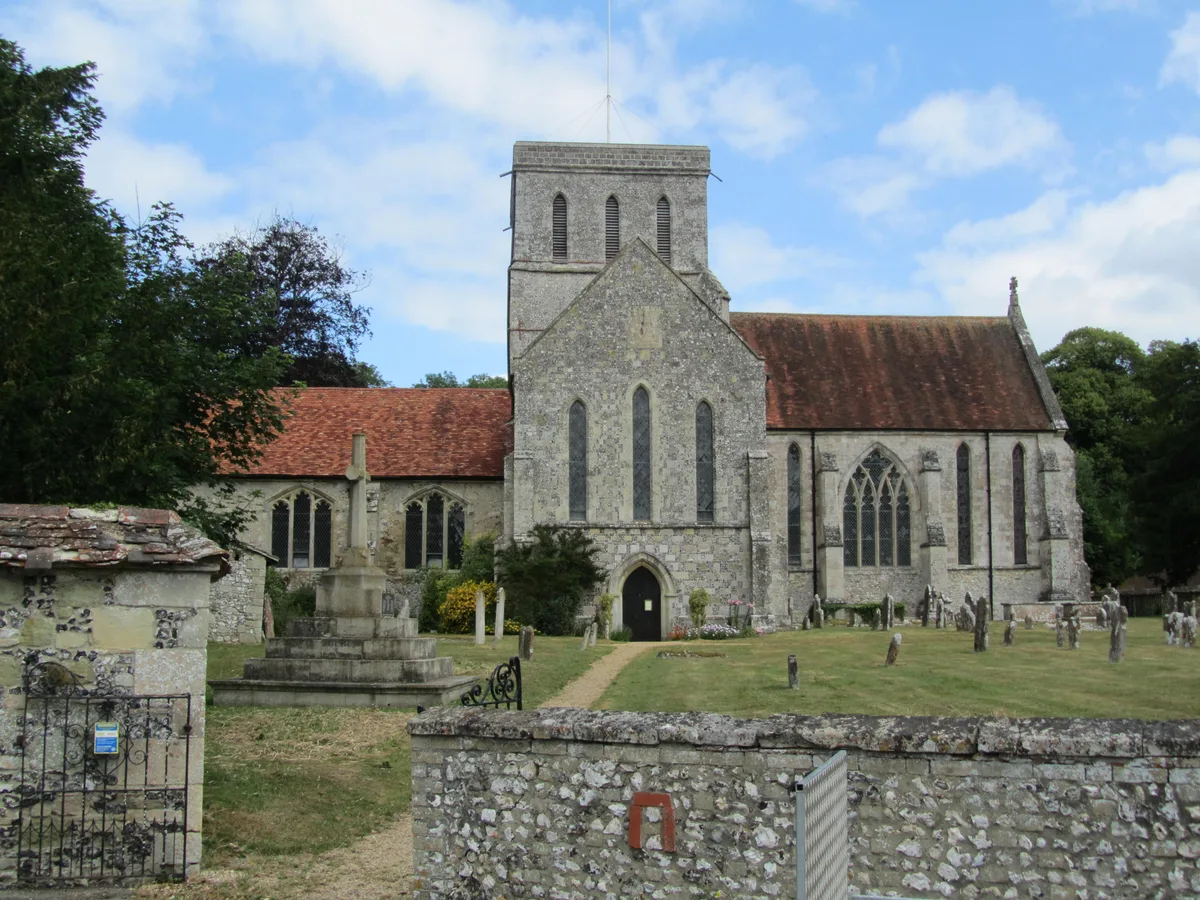
Amesbury Abbey
Amesbury Abbey — former abbey in the United Kingdom.
More abbeys in this region
📷 3Abbeys & priories · Scottish Islands
Iona Nunnery
Iona Nunnery — abbey in Argyll and Bute, Scotland, UK.
 📷 3
📷 3Abbeys & priories · Scottish Islands
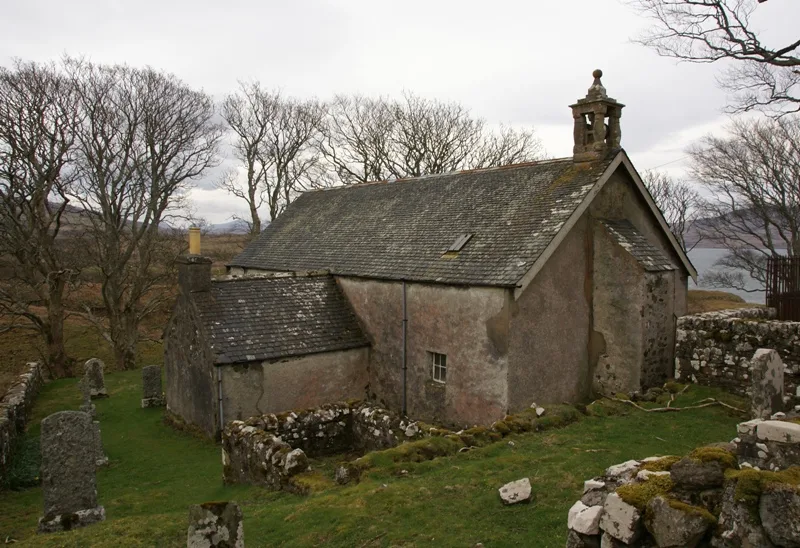
Kilninian Church
Kilninian Church is a abbey in the United Kingdom.
 📷 5
📷 5Abbeys & priories · Scottish Islands
Loch Chaluim Chille monastery
Loch Chaluim Chille monastery — a abbey in scotland-highlands, United Kingdom.
 📷 3
📷 3Abbeys & priories · Scottish Islands
Golgotha Monastery
Golgotha Monastery — monastery on Papa Stronsay in Orkney Islands, Scotland.
Frequently asked questions
- Where is Iona Abbey?
- Iona Abbey is in the Scottish Islands, United Kingdom (postcode PA76 6SQ).
- What is Iona Abbey?
- Iona Abbey — abbey in Argyll and Bute, Scotland, UK.
- How do I get to Iona Abbey?
- Drivers can use postcode PA76 6SQ.
- When was Iona Abbey built?
- Built or established in 563.
- Who runs Iona Abbey?
- Iona Abbey is operated by Historic Environment Scotland.
- Is Iona Abbey a listed building?
- Iona Abbey is officially recognised as category A listed building listed.
- How do I get to Iona Abbey?
- Drivers can navigate to postcode PA76 6SQ. It sits within the Argyll, Bute and South Lochaber parliamentary constituency.