
Parks · London
Hyde Park
Also known as: Hyde Park, Londain, Park Hyde, Loundres
In or near Tyburn.
Hyde Park — Royal Park in London, England, UK.

Wikimedia Commons contributors — see linked file page for photographer and licence licence

Plan your visit
- Typical visit
- 1 h–2 h
- Nearest railway station
- Marble Arch · 0.7 km
- Free entry
- Family-friendly
- Dog-friendly
- Wheelchair accessible
Getting there & planning your visit
Hyde Park is located in Westminster, London, with the nearest railway station being Marble Arch, approximately 0.7 km away. Entry to the park is free, and it is wheelchair accessible. The postcode for navigation is W2 2UH.
About
Hyde Park is a public park in the United Kingdom. It covers approximately 138 km². Heritage designation: Grade I listed park and garden. Owned by the Crown. Managed by The Royal Parks. Part of Royal Parks of London. Wikidata describes it as: "Royal Park in London, England, UK". Coordinates: 51.5086°, -0.1636°.
Photo gallery
Summary from the official site
Hyde Park is a large public park in London known for its historical significance and diverse activities. Visitors can enjoy scenic walks, wildlife, and various sports facilities, as well as iconic landmarks like the Serpentine and Speaker's Corner.
Read more on the official property page.
From the Wikipedia article
Hyde Park is a 350-acre (140-hectare), historic Grade I-listed urban park in Westminster, Greater London. A Royal Park, it is the largest of the parks and green spaces that form a chain from Kensington Palace through Kensington Gardens and Hyde Park, via Hyde Park Corner and Green Park, past Buckingham Palace to St James's Park. Hyde Park is divided by the Serpentine and the Long Water lakes. The park was established by Henry VIII in 1536 when he took the land from Westminster Abbey and used it as a hunting ground. It opened to the public in 1637 and quickly became popular, particularly for May Day parades. Major improvements occurred in the early 18th century under the direction of Queen Caroline. The park also became a place for duels during this time, often involving members of the nobility. In the 19th century, the Great Exhibition of 1851 was held in the park, for which The Crystal Palace, designed by Joseph Paxton, was erected. Free speech and demonstrations have been a key feature of Hyde Park since the 19th century. Speakers' Corner has been established as a point of free speech and debate since 1872, while the Chartists, the Reform League, the suffragettes, and the Stop the War Coalition have all held protests there. In the late 20th century, the park was known for holding large-scale free rock music concerts, featuring groups such as Pink Floyd, the Rolling Stones and Queen. Major events in the park have continued into the 21st century, such as Live 8 in 2005, and the annual Hyde Park Winter Wonderland from 2007.
Excerpt from Wikipedia under CC BY-SA 4.0. See the source article linked in Sources below.
Background
History
The park's name comes from the Manor of Hyde, which was the northeast sub-division of the manor of Eia (the other two sub-divisions were Ebury and Neyte) and appears as such in the Domesday Book. Through the Middle Ages, it was property of Westminster Abbey, and the woods in the manor were used both for firewood and shelter for game.
Description
to the victims of the 7 July 2005 London bombings]] Popular areas within Hyde Park include Speakers' Corner (located in the northeast corner near Marble Arch), close to the former site of the Tyburn gallows, and Rotten Row, which is the northern boundary of the site of the Crystal Palace.
Sourced from Wikipedia under CC BY-SA 4.0.
- Coordinates
- 51.5086, -0.1636
- District
- Westminster
- Parish
- Westminster, unparished area
- Postcode
- W2 2UH
- Parliamentary constituency
- Cities of London and Westminster
- Nearest railway station
- Marble Arch — 0.7 km
- Opening
- Pedestrian gates 5am - midnight
- Official site
- www.royalparks.org.uk
Sources
- wikidata: Q123738 (CC0)
- wikipedia: Hyde Park, London (CC BY-SA 4.0)
- commons: Hyde Park July 2015-1.jpg (CC BY-SA 4.0)
Other places nearby
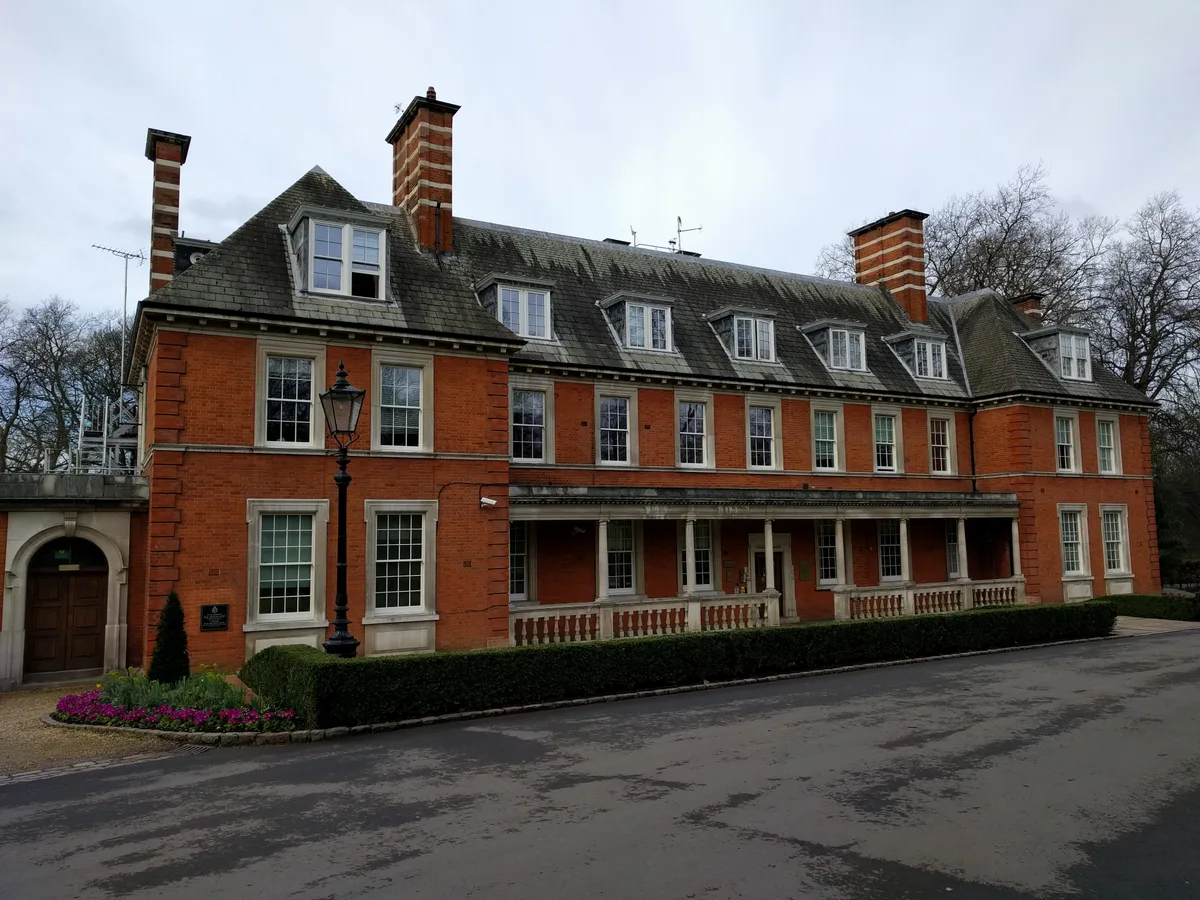
Royal Parks of London
Museums · 0.1 km

Reformer's Tree
Memorials & monuments · 0.2 km

World War II Norwegian Memorial
Memorials & monuments · 0.3 km

W. H. Hudson Memorial
Public art & sculpture · 0.4 km

W.H.Hudson Memorial
Cathedrals · 0.4 km

Tyburn
Towns & cities · 0.5 km

Oranjehaven
Memorials & monuments · 0.5 km

Serpentine Bar & Kitchen
Restaurants · 0.5 km

Smallest House of London
Natural landmarks · 0.5 km

Diana, Princess of Wales Memorial Walk
Military museums · 0.5 km

Animals in War
Memorials & monuments · 0.5 km

Westminster Precinct Conduit House Memorial
Memorials & monuments · 0.5 km
Nearby
📷 5Museums · London
Royal Parks of London
Royal Parks of London — lands originally owned by the monarchy of the United Kingdom.
📷 5Memorials & monuments · London
Reformer's Tree
Reformer's Tree — a memorial in england-london, United Kingdom.
📷 5Memorials & monuments · London
World War II Norwegian Memorial
World War II Norwegian Memorial is a memorial in the United Kingdom.
📷 5Public art & sculpture · London
W. H. Hudson Memorial
W. H. Hudson Memorial in England London, United Kingdom.
📷 5📷 5Towns & cities · London
Tyburn
Tyburn — village in the county of Middlesex close to the current location of Marble Arch in present-day London.
Where to eat & stay near Hyde Park
Places to stay
 📷 7
📷 7 📷 5
📷 5Hotels · London
Grosvenor House Hotel
Grosvenor House Hotel — a hotel in england london.
 📷 5
📷 5Hotels · London
The Cumberland Hotel
The Cumberland Hotel — a hotel in england london.
 📷 7
📷 7Hotels · London
Griffin House Hotel
Griffin House Hotel — a hotel in england london.
 📷 5
📷 5Hotels · London
Marble Arch Inn
Marble Arch Inn — a hotel in england london.
 📷 5
📷 5Hotels · London
Mandarin Oriental Hyde Park
Mandarin Oriental Hyde Park — a hotel in england london.
Places to eat & drink
📷 7Restaurants · London
Serpentine Bar & Kitchen
Serpentine Bar & Kitchen — a restaurant in england london.
 📷 5
📷 5Restaurants · London
Chucs Serpentine
Chucs Serpentine — a restaurant in england london.
 📷 7
📷 7 📷 5
📷 5Historic pubs · London
Duke Of Kendal
Duke Of Kendal in England London, United Kingdom.
 📷 5
📷 5Restaurants · London
Dinner by Heston Blumenthal
Dinner by Heston Blumenthal — a restaurant in england london.
 📷 7
📷 7More places run by The Royal Parks
 Flagship📷 10
 Flagship📷 10
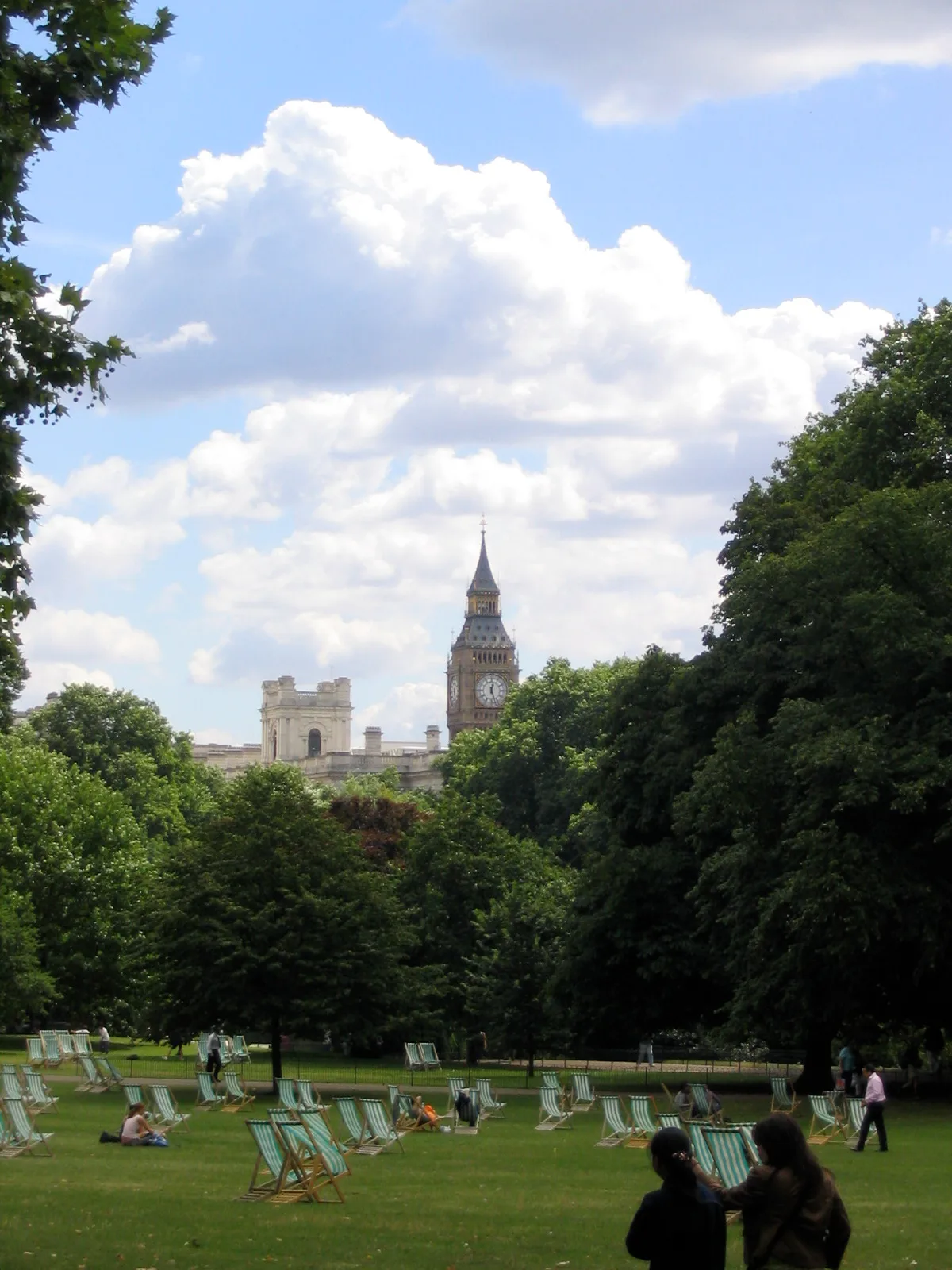
Parks · London
St James's Park
St James's Park — Royal Park in London.
More parks in this region
 Flagship📷 10
 📷 10
📷 10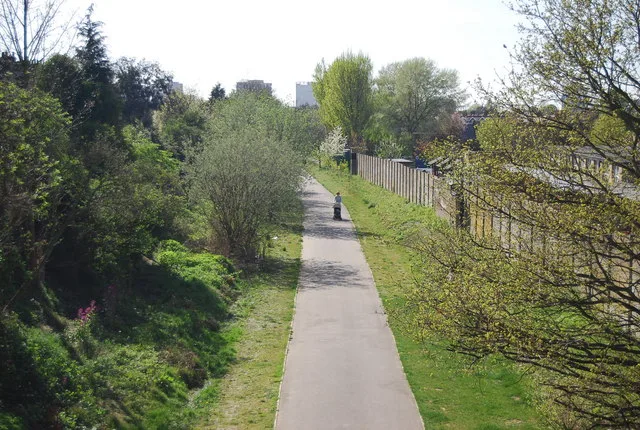 Flagship📷 10
Parks · London
Addiscombe Railway Park
Addiscombe Railway Park — park in London Borough of Croydon, United Kingdom.
 Flagship📷 10
Parks · London
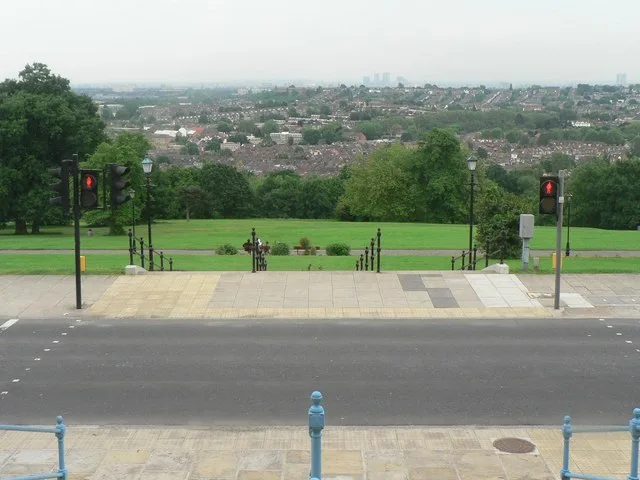
Alexandra Park
Alexandra Park — park in the London Borough of Haringey.
Frequently asked questions
- Where is Hyde Park?
- Hyde Park is in London, United Kingdom (postcode W2 2UH), in the parish of Westminster, unparished area.
- What is Hyde Park?
- Hyde Park — Royal Park in London, England, UK.
- How do I get to Hyde Park?
- The nearest railway station is Marble Arch, about 0.7 km away. The nearest town is Tyburn. Drivers can use postcode W2 2UH.
- Who owns Hyde Park?
- Hyde Park is owned by the Crown and operated by The Royal Parks.
- Is Hyde Park a listed building?
- Hyde Park is officially recognised as Grade I listed park and garden listed.
- Is Hyde Park free to visit?
- Yes, Hyde Park is free to enter.
- How do I get to Hyde Park?
- The nearest railway station is Marble Arch, about 0.7 km away. Drivers can navigate to postcode W2 2UH.