
Castles · South East England
Hurst Castle
In or near Boldre.
Hurst Castle is an artillery fort established by Henry VIII on the Hurst Spit in Hampshire, England, between 1541 and 1544. It formed part of the king's Device Forts coastal protection programme again

Lewis Clarke — CC BY-SA 2.0 via Wikimedia Commons licence

Plan your visit
- Typical visit
- 1.5 h–3 h
- Nearest railway station
- Lymington Pier · 5.9 km
- Family-friendly
- Limited wheelchair access
Getting there & planning your visit
To visit Hurst Castle, the nearest railway station is Lymington Pier, located 5.9 km away. The postcode for sat-nav is PO40 9TB. Accessibility is limited for wheelchair users.
About
Hurst Castle is an artillery fort established by Henry VIII on the Hurst Spit in Hampshire, England, between 1541 and 1544. It formed part of the king's Device Forts coastal protection programme against invasion from France and the Holy Roman Empire, and defended the western entrance to the Solent waterway. The early castle had a central keep and three bastions, and in 1547 was equipped with 26 guns. It was expensive to operate due to its size, but it formed one of the most powerful forts along the coast. During the English Civil War of the 1640s, Hurst was held by Parliament and was used briefly to detain King Charles I before his execution in 1649. It continued in use during the 18th century but fell into disrepair, the spit being frequented by smugglers. Repairs were made during the French Revolutionary Wars and the Napoleonic Wars with France, and the castle was modernised to enable it to hold 24-pounder (10.8 kg) guns. Fresh fears of invasion followed in the 1850s, leading to heavier, 32-pounder (14.5 kg) armament being installed and new gun batteries being laid out on both sides of the castle. Technological developments rapidly made these defences obsolete, however, and a fresh phase of work between 1861 and 1874 created sixty-one gun positions in two long, granite-faced batteries alongside the older castle. These held very heavy weapons, including massive 12.5 inch, 38 ton (317 mm, 39,000 kg) rifled muzzle-loading guns. As the century progressed these too became…
Photo gallery
360° view
Imagery © Mapillary contributors, CC BY-SA 4.0
Protected designations
- Site of Special Scientific Interest: Hurst Castle and Lymington River Estuary SSSI
- Area of Outstanding Natural Beauty: Isle Of Wight
- Ramsar wetland: Solent & Southampton Water
Designations sourced from Natural England open data under OGL v3.
From the Wikipedia article
Hurst Castle is an artillery fort established by Henry VIII on the Hurst Spit in Hampshire, England, between 1541 and 1544. It formed part of the king's Device Forts coastal protection programme against invasion from France and the Holy Roman Empire, and defended the western entrance to the Solent waterway. The early castle had a central keep and three bastions, and in 1547 was equipped with 26 guns. It was expensive to operate due to its size, but it formed one of the most powerful forts along the coast. During the English Civil War of the 1640s, Hurst was held by Parliament and was used briefly to detain King Charles I before his execution in 1649. It continued in use during the 18th century but fell into disrepair, the spit being frequented by smugglers. Repairs were made during the French Revolutionary Wars and the Napoleonic Wars with France, and the castle was modernised to enable it to hold 24-pounder (10.8 kg) guns. Fresh fears of invasion followed in the 1850s, leading to heavier, 32-pounder (14.5 kg) armament being installed and new gun batteries being laid out on both sides of the castle. Technological developments rapidly made these defences obsolete, however, and a fresh phase of work between 1861 and 1874 created sixty-one gun positions in two long, granite-faced batteries alongside the older castle. These held very heavy weapons, including massive 12.5 inch, 38 ton (317 mm, 39,000 kg) rifled muzzle-loading guns. As the century progressed these too became outdated, and lighter, quick-firing guns were installed at the castle to replace them. The castle formed part of a network of defences around the entrance to the Solent during the First World War, and was re-armed again during the Second World War. The military decommissioned the fort in 1956 and it passed into the control of the Ministry of Works. In the 21st century, it is run jointly by English Heritage and the Friends of Hurst Castle as a tourist attraction, receiving around 40,000 visitors…
Excerpt from Wikipedia under CC BY-SA 4.0. See the source article linked in Sources below.
- Coordinates
- 50.7064, -1.5511
- District
- Isle of Wight
- Parish
- Freshwater
- Postcode
- PO40 9TB
- Parliamentary constituency
- Isle of Wight West
- Established
- 1541
- Nearest railway station
- Lymington Pier — 5.9 km
- Official site
- www.english-heritage.org.uk
Sources
- wikipedia: Hurst Castle (CC BY-SA 4.0)
Other places nearby

Hurst Castle
Castles · 0.1 km
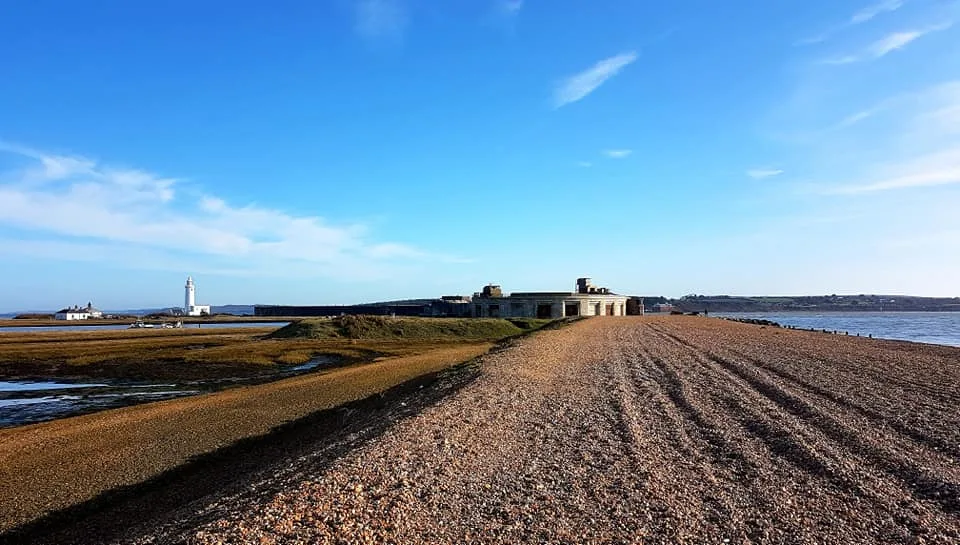
Hurst Castle and lighthouse
Museums · 0.1 km
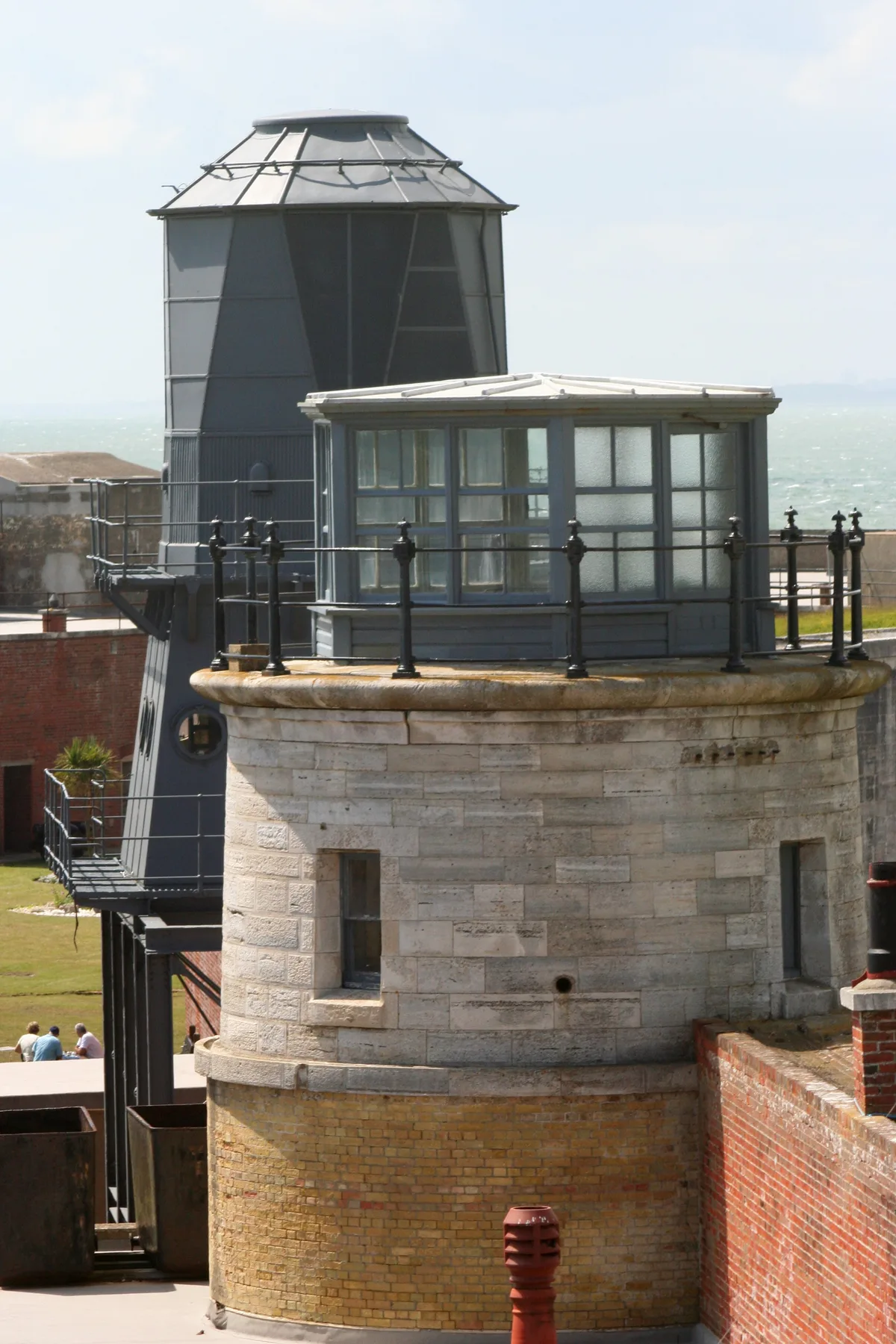
Hurst Castle Low Lighthouses
Lighthouses · 0.2 km
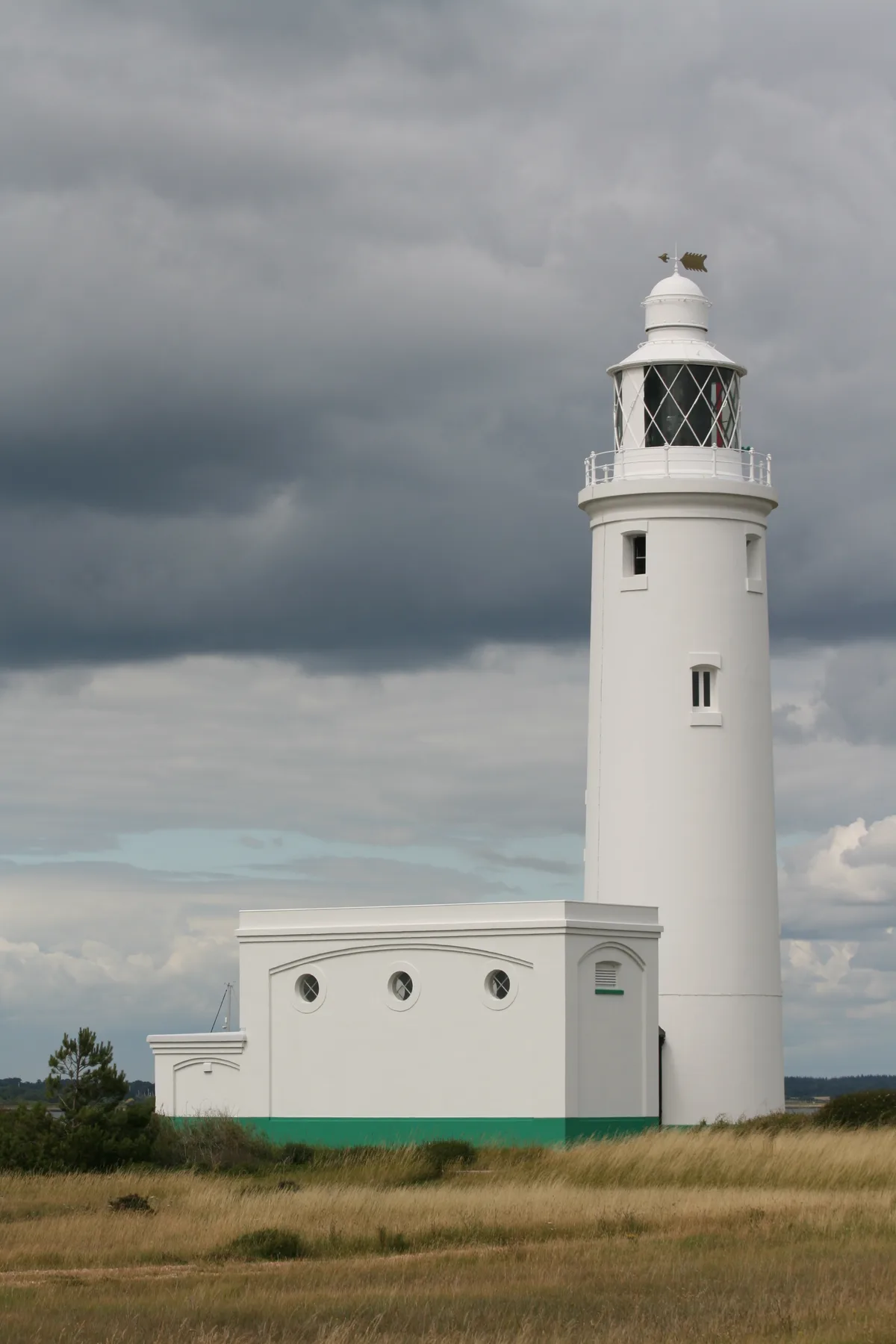
Hurst Point Lighthouse
Lighthouses · 0.2 km

Hurst Castle Garrison Theatre
Open-air theatres · 0.2 km
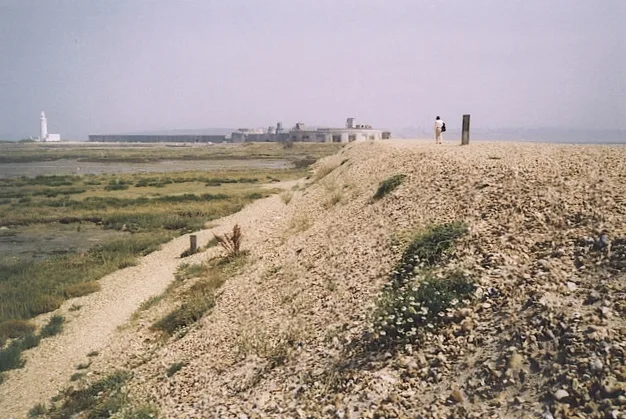
Hurst Beach
Beaches · 1.2 km

Colwell Bay
Beaches · 1.8 km

Fort Victoria Model Railway
Forts · 2.1 km

Fort Victoria Country Park
Museums · 2.1 km
Planetarium
Observatories · 2.1 km
Fort Victoria
Castles · 2.1 km

Fort Victoria
Castles · 2.1 km
Nearby
📷 5Castles · South East England
Hurst Castle
Hurst Castle — castle in england south east.
📷 5Museums · South East England
Hurst Castle and lighthouse
Hurst Castle and lighthouse — buildings in Milford on Sea, Hampshire, England, UK.
📷 5Lighthouses · South East England
Hurst Castle Low Lighthouses
Hurst Castle Low Lighthouses is a lighthouse in the United Kingdom.
📷 5Lighthouses · South East England
Hurst Point Lighthouse
Hurst Point Lighthouse — lighthouse on the Solent, in Hampshire, England, UK.
📷 5Open-air theatres · South East England
Hurst Castle Garrison Theatre
former garrison theatre in Milford-on-Sea, England, now part of a heritage exhibition
📷 5Where to eat & stay near Hurst Castle
Places to stay
 📷 5
📷 5Campsites · South East England
Heathfield Farm Camp Site
Heathfield Farm Camp Site — a campsite in england south east.
 📷 7
📷 7 📷 5
📷 5 📷 5
📷 5Caravan parks · South East England
Hurst View
Hurst View — a caravan park in england south east.
 📷 5
📷 5 📷 7
📷 7Hotels · South East England
The George Hotel
The George Hotel — a hotel in england south east.
Places to eat & drink
 📷 7
📷 7 📷 5
📷 5Historic pubs · South East England
The Beach House
The Beach House in England South East, United Kingdom.
 📷 7
📷 7 📷 7
📷 7Historic pubs · South East England
Walhampton Arms, formerly farm building range at Home Farm
Walhampton Arms, formerly farm building range at Home Farm in England South East, United Kingdom.
 📷 7
📷 7Historic pubs · South East England
The Hobler Public House
The Hobler Public House in England South East, United Kingdom.
 📷 5
📷 5Historic pubs · South East England
Forest Heath Hotel
Forest Heath Hotel in England South West, United Kingdom.
More castles in this region
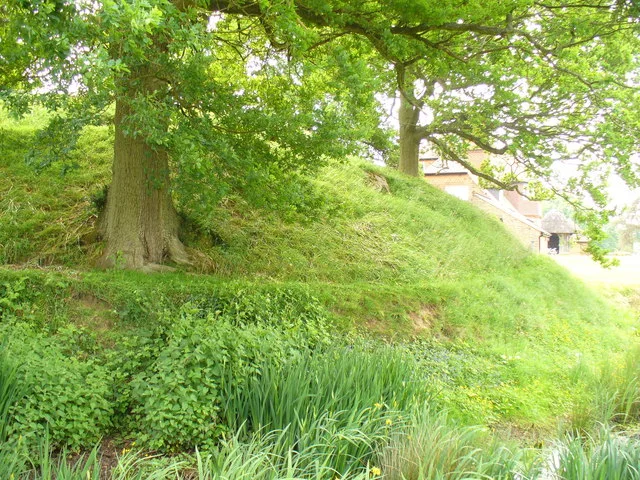 📷 5
📷 5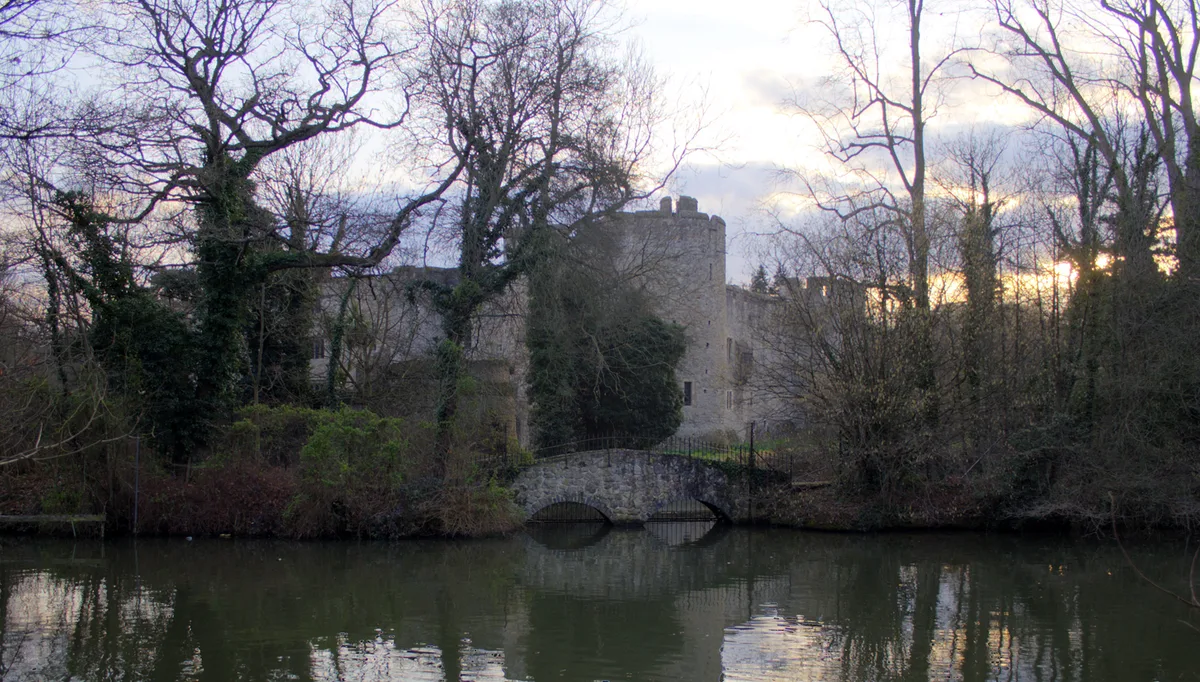 📷 5
📷 5Castles · South East England
Allington Castle
Allington Castle — stone-built moated castle in Allington, England.
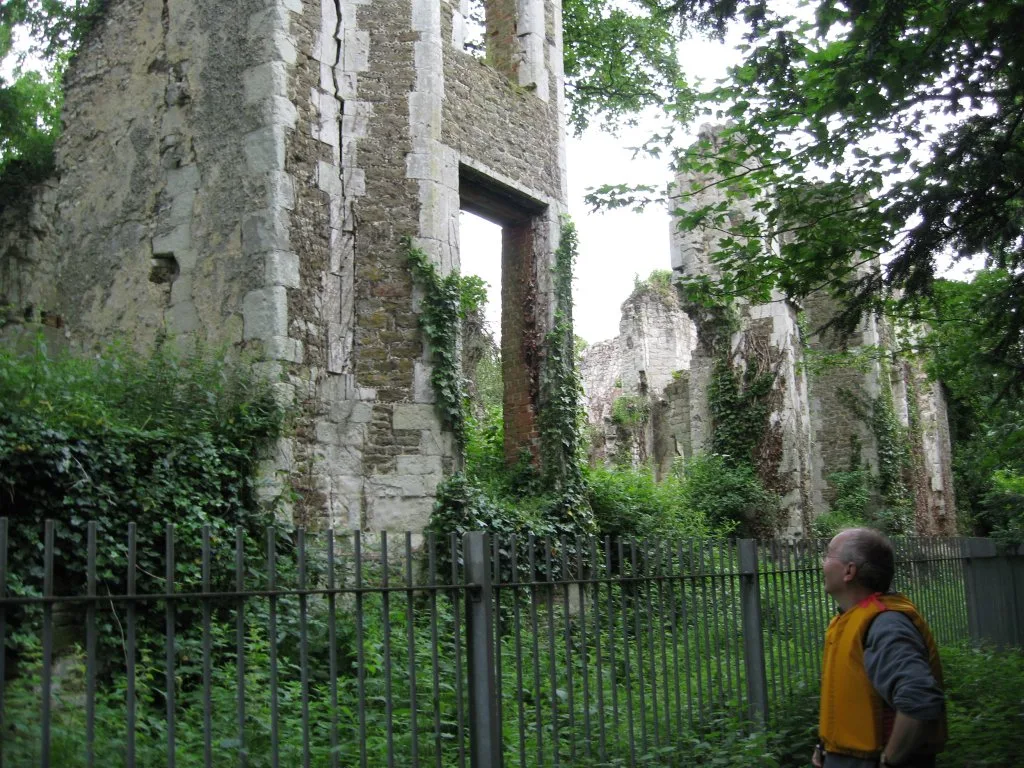 📷 5
📷 5Castles · South East England
Betchworth Castle
Betchworth Castle — castle in Brockham, Mole Valley, Surrey, England, UK.
 📷 5
📷 5Castles · South East England
Bletchingley Castle
Bletchingley Castle — castle in Surrey, England, UK.
Frequently asked questions
- Where is Hurst Castle?
- Hurst Castle is in South-East England, United Kingdom (postcode PO40 9TB), in the parish of Freshwater.
- What is Hurst Castle?
- Hurst Castle is an artillery fort established by Henry VIII on the Hurst Spit in Hampshire, England, between 1541 and 1544. It formed part of the king's Device Forts coastal protection programme again
- How do I get to Hurst Castle?
- The nearest railway station is Lymington Pier, about 5.9 km away. The nearest town is Boldre. Drivers can use postcode PO40 9TB.
- When was Hurst Castle built?
- Built or established in 1541.
- Who owns Hurst Castle?
- Hurst Castle is owned by English Heritage.
- Is Hurst Castle a protected site?
- Yes — Hurst Castle is part of the Hurst Castle and Lymington River Estuary SSSI Site of Special Scientific Interest and the Isle Of Wight National Landscape (AONB).
- Does Hurst Castle charge admission?
- Hurst Castle typically charges admission. Check the official site for current ticket prices and opening hours.
- How do I get to Hurst Castle?
- The nearest railway station is Lymington Pier, about 5.9 km away. Drivers can navigate to postcode PO40 9TB.