
Hill forts · North East England
Howick house
In or near Craster.
Howick house — historic site in England, UK.

Wikimedia Commons contributors — see linked file page for photographer and licence licence

Plan your visit
- Typical visit
- 1 h–2 h
- Nearest railway station
- Alnmouth · 7.3 km
- Free entry
- Dog-friendly
Getting there & planning your visit
To visit Howick House, the nearest railway station is Alnmouth, which is 7.3 km away. The postcode is NE66 3LF. Admission is free.
About
Howick house is a hill fort in the United Kingdom. Wikidata describes it as: "historic site in England, UK". Coordinates: 55.4540°, -1.5930°.
Photo gallery
360° viewimagery from 2024
Imagery © Mapillary contributors, CC BY-SA 4.0
Protected designations
- Site of Special Scientific Interest: Northumberland Shore SSSI
- Area of Outstanding Natural Beauty: Northumberland Coast
- Ramsar wetland: Northumbria Coast
Designations sourced from Natural England open data under OGL v3.
From the Wikipedia article
The Howick house is a Mesolithic site located in Northumberland, England. It was found when an amateur archaeologist noticed flint tools eroding out of a sandy cliff face near the village of Howick. Investigations found a circle of substantial post holes with charcoal stains in their bases, a number of smaller stake holes, some angled in from outside a hollow, and inside the house a number of shallow hearths filled with charcoal, burnt nutshells and some fragments of bone. Radiocarbon dating of the charred hazelnut shells established that the building was constructed about 7600 BC and occupied for about 100 years, which led to the find being called "Britain's oldest house". This title was disputed in 2010 when the discovery of the even older 'house-structure' at Star Carr in North Yorkshire was announced. Some of the hearths showed signs only of nut roasting, and the numbers of shells suggested that food was cooked here in quantity, perhaps to preserve it for times of scarcity. Together with the very substantial construction shown by the size of post holes, this led to the view that the house was occupied permanently rather than being used on a transient or seasonal basis as expected during the Mesolithic period. Charred hazelnut shells have been found at several other sites from this period, including Cramond, but their smaller stake holes were interpreted as remains of a temporary encampment. The interpretation that this was a permanent residence for hunter-gatherers is supported by analysis that Howick is a place where natural resources would have allowed all-year-round occupation. Its coastal position provided animals, flint for tools, wood for construction and fuel, fish, seals, sea birds and their eggs, shellfish and a nearby source of fresh water that was available at the time of occupation. Many sites from this time are coastal, but the particular circumstances found here and the evidence of ceremonial ritual from the site at Star Carr in Yorkshire, only…
Excerpt from Wikipedia under CC BY-SA 4.0. See the source article linked in Sources below.
- Coordinates
- 55.4540, -1.5930
- District
- Northumberland
- Parish
- Longhoughton
- Postcode
- NE66 3LF
- Parliamentary constituency
- North Northumberland
- Nearest railway station
- Alnmouth — 7.3 km
Sources
- wikidata: Q2041582 (CC0)
- wikipedia: Howick house (CC BY-SA 4.0)
- commons: Reconstructed Mesolithic round-house - geograph.org.uk - 1091110.jpg (CC BY-SA 4.0)
Other places nearby

HMS G11
Burial mounds & barrows · 0.3 km

Howick
Historic houses · 0.5 km

Road Bridge And Footbridge 320 Metres South East Of Howick Hall
Historic bridges · 1.0 km

Howick Arboretum
Botanic gardens · 1.1 km

Howick Hall
Historic houses · 1.1 km

Howick Hillfort
Archaeological sites · 1.6 km

Craster defended settlement
Vineyards · 1.7 km

Craster Tower
Castles · 1.8 km

Suger Sands
Beaches · 1.9 km

Craster
Towns & cities · 2.0 km

Craster Lifeboat Station
Harbours & ports · 2.1 km

Craster harbour
Harbours & ports · 2.1 km
Nearby
📷 4Burial mounds & barrows · North East England
HMS G11
HMS G11 in England North East, United Kingdom.
📷 5📷 3Historic bridges · North East England
Road Bridge And Footbridge 320 Metres South East Of Howick Hall
Road Bridge And Footbridge 320 Metres South East Of Howick Hall — Grade II listed building-listed bridge in scotland-lowlands, United Kingdom.
📷 5Botanic gardens · North East England
Howick Arboretum
Howick Arboretum — a botanic garden in scotland lowlands.
📷 5Historic houses · North East England
Howick Hall
Howick Hall in England North East, United Kingdom.
📷 5Archaeological sites · North East England
Howick Hillfort
Howick Hillfort — archaeological in scotland lowlands. Operated by Historic England.
Where to eat & stay near Howick house
Places to stay
 📷 5
📷 5Hotels · North East England
The Cottage Inn
The Cottage Inn — a hotel in scotland lowlands.
 📷 5
📷 5Caravan parks · North East England
Proctors Stead
Proctors Stead — a caravan park in scotland lowlands.
 📷 5
📷 5Campsites · North East England
Coast & Castles Camp Site
Coast & Castles Camp Site — a campsite in scotland lowlands.
 📷 5
📷 5Campsites · North East England
Dunstan Hill Camping and Caravanning Club Site
Dunstan Hill Camping and Caravanning Club Site — a campsite in scotland lowlands.
 📷 5
📷 5Caravan parks · North East England
Seaton Park Caravans
Seaton Park Caravans — a caravan park in scotland lowlands.
 📷 5
📷 5B&Bs · North East England
Blue Bell Inn
Blue Bell Inn — a bed-and-breakfast in scotland lowlands.
Places to eat & drink
 📷 7
📷 7 📷 7
📷 7Historic pubs · North East England
The Tanners Arms
The Tanners Arms in Scotland Lowlands, United Kingdom.
 📷 5
📷 5Cafés · North East England
Mean Bean Coffee
Mean Bean Coffee — a café in scotland lowlands.
📷 7 📷 7
📷 7 📷 7
📷 7Historic pubs · North East England
Black Swan Public House
Black Swan Public House in Scotland Lowlands, United Kingdom.
More places in this region
 📷 3
📷 3Hill forts · North East England
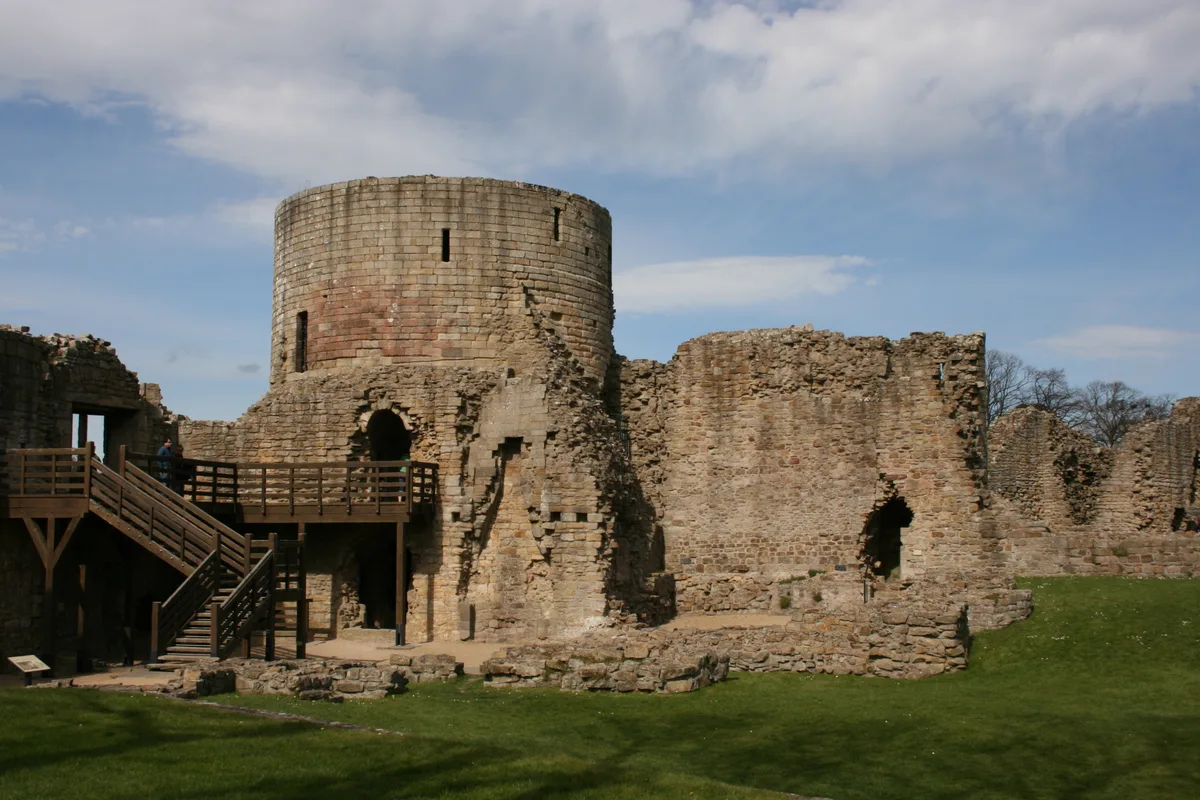
Barnard Castle
Barnard Castle is a hill fort in the United Kingdom.
 📷 3
📷 3Hill forts · North East England
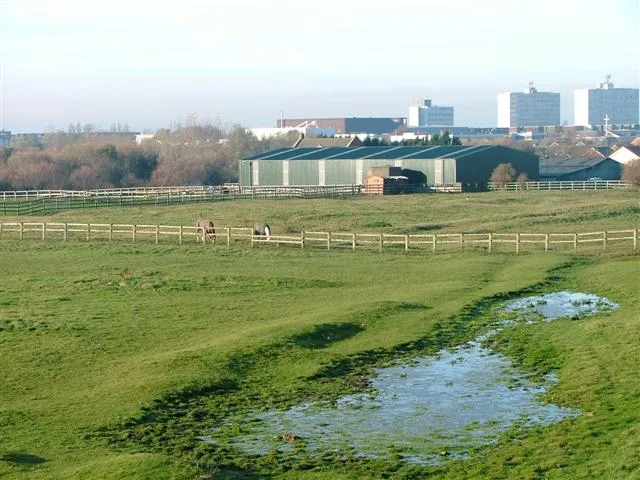
Stainsby
Stainsby — abandoned village in North Yorkshire, England, UK.
 📷 4
📷 4Hill forts · North East England
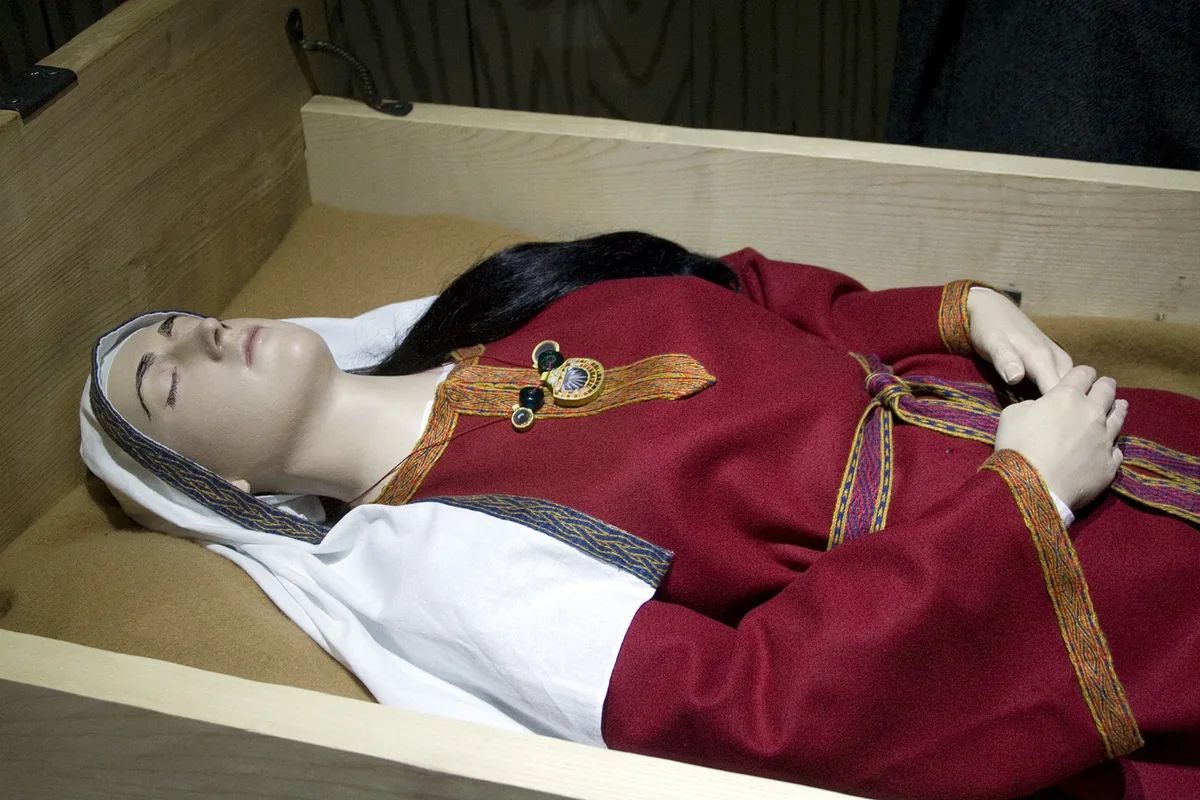
Street House Anglo-Saxon cemetery
Street House Anglo-Saxon cemetery — cemetery in North Yorkshire, England.
 📷 3
📷 3Hill forts · North East England
Pittington Hill
Pittington Hill in England North East, United Kingdom.
Frequently asked questions
- Where is Howick house?
- Howick house is in North-East England, United Kingdom (postcode NE66 3LF), in the parish of Longhoughton.
- What is Howick house?
- Howick house — historic site in England, UK.
- How do I get to Howick house?
- The nearest railway station is Alnmouth, about 7.3 km away. The nearest town is Craster. Drivers can use postcode NE66 3LF.
- Is Howick house a protected site?
- Yes — Howick house is part of the Northumberland Shore SSSI Site of Special Scientific Interest and the Northumberland Coast National Landscape (AONB).
- Is Howick house free to visit?
- Yes, Howick house is free to enter.
- How do I get to Howick house?
- The nearest railway station is Alnmouth, about 7.3 km away. Drivers can navigate to postcode NE66 3LF.