
Stately homes · East of England
Horham Hall
In or near Tilty.
Horham Hall — country house in Thaxted, Essex, England, UK.

Wikimedia Commons contributors — see linked file page for photographer and licence licence

Plan your visit
- Typical visit
- 2 h–4 h
- Nearest railway station
- Elsenham · 6.0 km
- Family-friendly
- Limited wheelchair access
Getting there & planning your visit
To visit Horham Hall, the nearest railway station is Elsenham, which is 6 km away. The postcode for sat-nav is CM6 2NN. Please note that wheelchair accessibility is limited.
About
Horham Hall is a stately home in the United Kingdom. Constructed primarily of brick. Heritage designation: Grade I listed building. Wikidata describes it as: "country house in Thaxted, Essex, England, UK". Coordinates: 51.9407°, 0.3096°.
Photo gallery
Heritage listing
Horham Hall may refer to the timber-framed late mediaeval hall in Thaxted, England, or to the brick hall built in its place by Sir John Cutte (died 1520) in the early 16th century. The original hall was a timber-framed moated manor house circa 1470 but it was largely demolished by Cutte, who built the present house between 1510 and 1515. Cutte was under-treasurer in the households of Henry VII and Henry VIII. The mansion was built in brick in two storeys in a quadrilateral layout with a gatehouse and incorporated some elements of the former building. The house was visited by Elizabeth I, both as a princess and twice as queen (1571 and 1578) as the guest of Sir John Cutte (1545–1615). It is believed that the Tower was built for her to watch the local hunt.
From the Historic England List Entry under OGL v3.
From the Wikipedia article
Horham Hall may refer to the timber-framed late mediaeval hall in Thaxted, England, or to the brick hall built in its place by Sir John Cutte (died 1520) in the early 16th century. The original hall was a timber-framed moated manor house circa 1470 but it was largely demolished by Cutte, who built the present house between 1510 and 1515. Cutte was under-treasurer in the households of Henry VII and Henry VIII. The mansion was built in brick in two storeys in a quadrilateral layout with a gatehouse and incorporated some elements of the former building. The house was visited by Elizabeth I, both as a princess and twice as queen (1571 and 1578) as the guest of Sir John Cutte (1545–1615). It is believed that the Tower was built for her to watch the local hunt. It was while staying at Horham in 1578 that the Queen received the envoy of the Duke of Alençon proposing marriage. She responded by inviting her to court her in person. During her 1571 visit, the court was agitated by the discovery of a plot to place Mary, Queen of Scots, on the throne. At its height, Horham Hall was a much larger building than the present structure. Parts of the complex, including the chapel, were demolished in succeeding centuries, but the remaining building was restored in 1840–1850. The estate was sold by Sir John Cutte (c. 1581 – 1646) in 1609 to Andrew Huddleston, who rapidly sold it to John Wiseman. In 1617, it passed to Sir William Smith, nephew and heir of the learned scholar and statesman Sir Thomas Smith of Hill Hall, Theydon Mount, who was born in Saffron Walden. Horham remained in the possession of the Smith family until the death of the Reverend Sir Edward Bowyer-Smith, 10th Baronet, in 1850. The Smiths were seldom resident, and the architect Charles Buckler wrote in 1843: "The mansion has been uninhabited for about 40 years but it is kept in good repair. The walls, roof, parapet and chimneys are quite entire and not one of the rooms, tho' all are unfurnished, is made ye resceptical…
Excerpt from Wikipedia under CC BY-SA 4.0. See the source article linked in Sources below.
Background
Description
All of the typical features of a hall house are still present: a screens passage, above the porch in the plan; a dais; a buttery and a pantry; a bay window (not essential, but very common). The main staircase is at the dais end, and the Great Hall rises to the full height of the house, which otherwise has two storeys. The Great Hall has a fine oriel window and there is a staircase tower on the north side.
Sourced from Wikipedia under CC BY-SA 4.0.
- Coordinates
- 51.9407, 0.3096
- County
- Essex
- District
- Uttlesford
- Parish
- Thaxted
- Postcode
- CM6 2NN
- Parliamentary constituency
- North West Essex
- Nearest railway station
- Elsenham — 6 km
Sources
- wikidata: Q17539289 (CC0)
- wikipedia: Horham Hall (CC BY-SA 4.0)
- commons: Horham-Hall-Essex.jpg (CC BY-SA 4.0)
Other places nearby
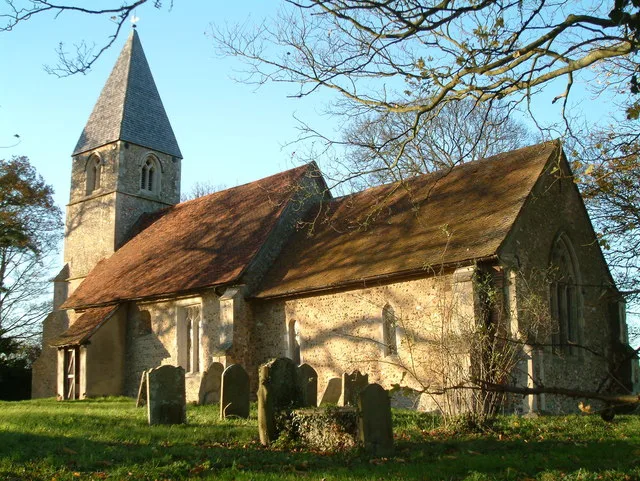
St Mary's Church, Chickney
Historic churches · 2.0 km

Hamperden End Caravan Site
Caravan parks · 2.2 km

Chickney
Villages · 2.4 km

Dairymeade Farm Glamping
Campsites · 2.4 km

John Webb's Windmill
Windmills · 2.5 km

Greyhound Public House
Historic pubs · 2.6 km

Lovecote Lodge
Campsites · 2.6 km

Bull Public House
Historic pubs · 2.7 km

Clarence House
Historic houses · 2.7 km

Recorder's House
Historic houses · 2.7 km

Thaxted Guildhall
Museums · 2.8 km

Thaxted
Museums · 2.9 km
Nearby
📷 5Historic churches · East of England
St Mary's Church, Chickney
St Mary's Church, Chickney — church in Chickney, Essex, England, UK.
📷 3Caravan parks · East of England
Hamperden End Caravan Site
Hamperden End Caravan Site — a caravan park in england london.
📷 5📷 4Campsites · East of England
Dairymeade Farm Glamping
Dairymeade Farm Glamping — a campsite in england london.
📷 5Windmills · East of England
John Webb's Windmill
John Webb's Windmill is a windmill in the United Kingdom.
📷 5Historic pubs · East of England
Greyhound Public House
Greyhound Public House in England East, United Kingdom.
Where to eat & stay near Horham Hall
Places to stay
📷 3Caravan parks · East of England
Hamperden End Caravan Site
Hamperden End Caravan Site — a caravan park in england london.
📷 4Campsites · East of England
Dairymeade Farm Glamping
Dairymeade Farm Glamping — a campsite in england london.
📷 5 📷 5
📷 5 📷 5
📷 5Hotels · East of England
Hampton by Hilton London Stansted Airport
Hampton by Hilton London Stansted Airport — a hotel in england london. 3-star. Brand: Hampton.
 📷 5
📷 5Caravan parks · East of England
Tall Trees Caravan Park
Tall Trees Caravan Park — a caravan park in england london.
Places to eat & drink
📷 5Historic pubs · East of England
Greyhound Public House
Greyhound Public House in England East, United Kingdom.
📷 5 📷 5
📷 5 📷 5
📷 5 📷 5
📷 5Historic pubs · East of England
Robin Hood Public House
Robin Hood Public House in England East, United Kingdom.
 📷 5
📷 5Historic pubs · East of England
Cricketers Public House
Cricketers Public House in England East, United Kingdom.
More places in this region
 📷 5
📷 5Stately homes · East of England
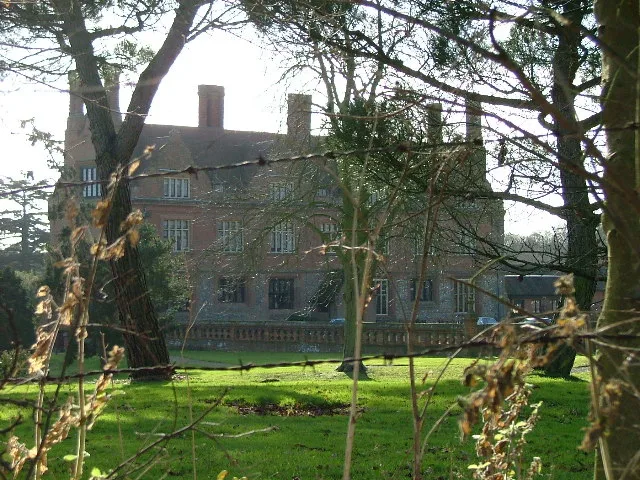
Aston Bury
Aston Bury — manor house in Aston, Hertfordshire, England, UK.
 📷 5
📷 5Stately homes · East of England
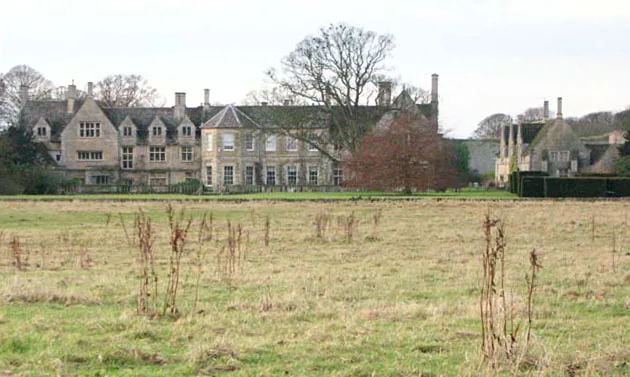
Barnwell Manor
Barnwell Manor — manor house in Barnwell, Northamptonshire, England, UK.
 📷 5
📷 5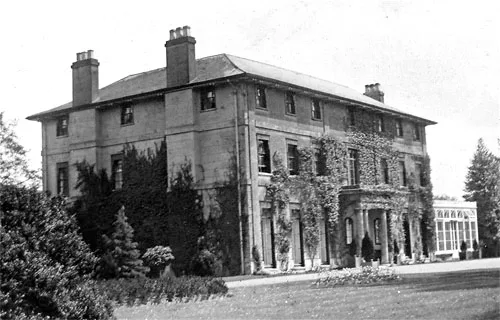 📷 5
📷 5Frequently asked questions
- Where is Horham Hall?
- Horham Hall is in Essex, East of England, United Kingdom (postcode CM6 2NN), in the parish of Thaxted.
- What is Horham Hall?
- Horham Hall — country house in Thaxted, Essex, England, UK.
- How do I get to Horham Hall?
- The nearest railway station is Elsenham, about 6.0 km away. The nearest town is Tilty. Drivers can use postcode CM6 2NN.
- Who owns Horham Hall?
- Horham Hall is owned by | website =.
- Is Horham Hall a listed building?
- Horham Hall is officially recognised as Grade I listed building listed.
- How do I get to Horham Hall?
- The nearest railway station is Elsenham, about 6.0 km away. Drivers can navigate to postcode CM6 2NN.