
Historic churches · South East England
Holy Trinity Church, Hastings
In or near Guestling.
Holy Trinity Church, Hastings — church in Hastings, East Sussex, England, UK.

Wikimedia Commons contributors — see linked file page for photographer and licence licence
.jpg)
Plan your visit
- Typical visit
- 30 min–1 h
- Nearest railway station
- Hastings · 0.4 km
- Paid entry
- Wheelchair accessible
Getting there & planning your visit
Holy Trinity Church in Hastings can be reached from Hastings railway station, which is 0.4 km away. Entry to the church is free, and it is accessible for wheelchair users. The postcode for navigation is TN34 1HB.
About
Holy Trinity Church, Hastings is a historic church in the United Kingdom. Records date its origin to 1859. Designed by Samuel Sanders Teulon. Built in the Gothic Revival style. Heritage designation: Grade II* listed building. Affiliated with Anglicanism. Wikidata describes it as: "church in Hastings, East Sussex, England, UK". Coordinates: 50.8551°, 0.5767°.
Photo gallery
Heritage listing
Holy Trinity Church is an Anglican church in the centre of Hastings, a town and borough in the English county of East Sussex. It was built during the 1850s—a period when Hastings was growing rapidly as a seaside resort—by prolific and eccentric architect Samuel Sanders Teulon, who was "chief among the rogue architects of the mid-Victorian Gothic Revival". The Decorated/Early English-style church is distinguished by its opulently decorated interior and its layout on a difficult town-centre site, chosen after another location was found to be unsuitable. The church took eight years to build, and a planned tower was never added.
From the Historic England List Entry under OGL v3.
Official information
The True Crime Museum in Hastings offers an unsettling exploration of the dark world of crime, featuring authentic artifacts related to notorious criminals and chilling stories. Visitors can engage with exhibits that include a lethal injection deathbed and personal letters from infamous killers.
From the Wikipedia article
Holy Trinity Church is an Anglican church in the centre of Hastings, a town and borough in the English county of East Sussex. It was built during the 1850s—a period when Hastings was growing rapidly as a seaside resort—by prolific and eccentric architect Samuel Sanders Teulon, who was "chief among the rogue architects of the mid-Victorian Gothic Revival". The Decorated/Early English-style church is distinguished by its opulently decorated interior and its layout on a difficult town-centre site, chosen after another location was found to be unsuitable. The church took eight years to build, and a planned tower was never added. English Heritage has listed the building at Grade II* for its architectural and historical importance.
Excerpt from Wikipedia under CC BY-SA 4.0. See the source article linked in Sources below.
Background
History
Although it was an ancient port and fishing town with origins well before 928, when it was first mentioned in a written document, Hastings developed so rapidly in the 19th century that it is now principally a Victorian town. Improved transport links, putting it within reach of daytrippers from London, made it an extremely popular seaside resort and a "wealthy, successful town of strength and confidence". For part of the 19th century it was one of Britain's most fashionable resorts. The growth of the town encouraged church-building, particularly by the Church of England. The Old Town area of Hastings had seven churches in the 13th century, but medieval decline and encroachment from the sea…
Architecture
Samuel Sanders Teulon had to fit his design for Holy Trinity Church into the difficult, restricted town centre site The porch, set at an angle facing Robertson Street, leads into the south aisle. The tall structure is dominated by a large figure of the Trinity in its tympanum. A shallow hipped roof takes the place of the planned tower. The church combines the Decorated and Early English Gothic styles and is built entirely of stone, mostly rubble laid out in courses. Teulon's typical style was "vigorous and idiosyncratic Gothic", and he had a "highly individual command" of that architectural movement. Inside, the roof of the chancel is intricately carved (especially on its corbels), and…
Description
Holy Trinity Church was listed at Grade C by English Heritage on 14 September 1976, and was later upgraded to Grade II*. In February 2001, it was one of 13 Grade II* listed buildings, and 535 listed buildings of all grades, in the borough of Hastings. The parish of Holy Trinity covers Hastings town centre. The boundaries (clockwise from southwest) are Falaise Road, Linton Road, Amherst Road, Lower Park Road, Mann Street, South Terrace, Queens Road, Harold Place and the seafront. Critical assessment of the church in the 20th century was generally positive. The Victoria County History of Sussex, written in 1937, referred to "a rather florid rendering of the Decorated style" in its…
Sourced from Wikipedia under CC BY-SA 4.0.
- Coordinates
- 50.8551, 0.5767
- County
- East Sussex
- District
- Hastings
- Parish
- Hastings, unparished area
- Postcode
- TN34 1HB
- Parliamentary constituency
- Hastings and Rye
- Phone
- +44 1424 420115
- Established
- 1859
- Nearest railway station
- Hastings — 0.4 km
- Opening
- Daily 10am–5pm
Sources
- wikidata: Q5886505 (CC0)
- wikipedia: Holy Trinity Church, Hastings (CC BY-SA 4.0)
- commons: Holy Trinity Church, Hastings (IoE Code 294055).jpg (CC BY-SA 4.0)
Other places nearby

Brassey Institute
Gardens · 0.0 km

Kinetoscope
Theatres · 0.1 km

The America Ground
Public art & sculpture · 0.1 km

Observer Cinema
Theatres · 0.1 km

The True CRIME Museum
Museums · 0.1 km

ABC Hastings
Theatres · 0.2 km

The Havelock Public House
Historic pubs · 0.2 km

Baths Cinema
Theatres · 0.2 km

Central Picture Theatre
Theatres · 0.3 km

The Spirit of Cricket
Public art & sculpture · 0.3 km

Odeon
Cinemas · 0.3 km

Odeon, Hastings
Theatres · 0.3 km
Nearby
📷 5Gardens · South East England
Brassey Institute
Brassey Institute — a garden in england-south-east, United Kingdom.
📷 5📷 5Public art & sculpture · South East England
The America Ground
The America Ground — a public art in england-south-east, United Kingdom.
📷 5📷 5Museums · South East England
The True CRIME Museum
The True CRIME Museum — a museum in england-south-east, United Kingdom.
📷 5Where to eat & stay near Holy Trinity Church, Hastings
Places to stay
 📷 5
📷 5Hotels · South East England
The Highlands Inn
The Highlands Inn — a hotel in england south east.
 📷 5
📷 5Campsites · South East England
Rocklands Holiday Park
Rocklands Holiday Park — a campsite in england south east.
 📷 5
📷 5 📷 5
📷 5 📷 5
📷 5Campsites · South East England
Hastings Touring Park
Hastings Touring Park — a campsite in england south east.
 📷 5
📷 5Campsites · South East England
Spindlewood Country Holiday Park
Spindlewood Country Holiday Park — a campsite in england south east.
Places to eat & drink
📷 5Historic pubs · South East England
The Havelock Public House
The Havelock Public House in England South East, United Kingdom.
 📷 6
📷 6Historic pubs · South East England
Hastings Arms Public House
Hastings Arms Public House in England South East, United Kingdom.
 📷 7
📷 7Historic pubs · South East England
The Royal Standard Public House
The Royal Standard Public House in England South East, United Kingdom.
 📷 5
📷 5Historic pubs · South East England
Duke Of Wellington Public House
Duke Of Wellington Public House in England South East, United Kingdom.
 📷 5
📷 5 📷 7
📷 7Historic pubs · South East England
The Hope Public House
The Hope Public House in England South East, United Kingdom.
Other works by Samuel Sanders Teulon
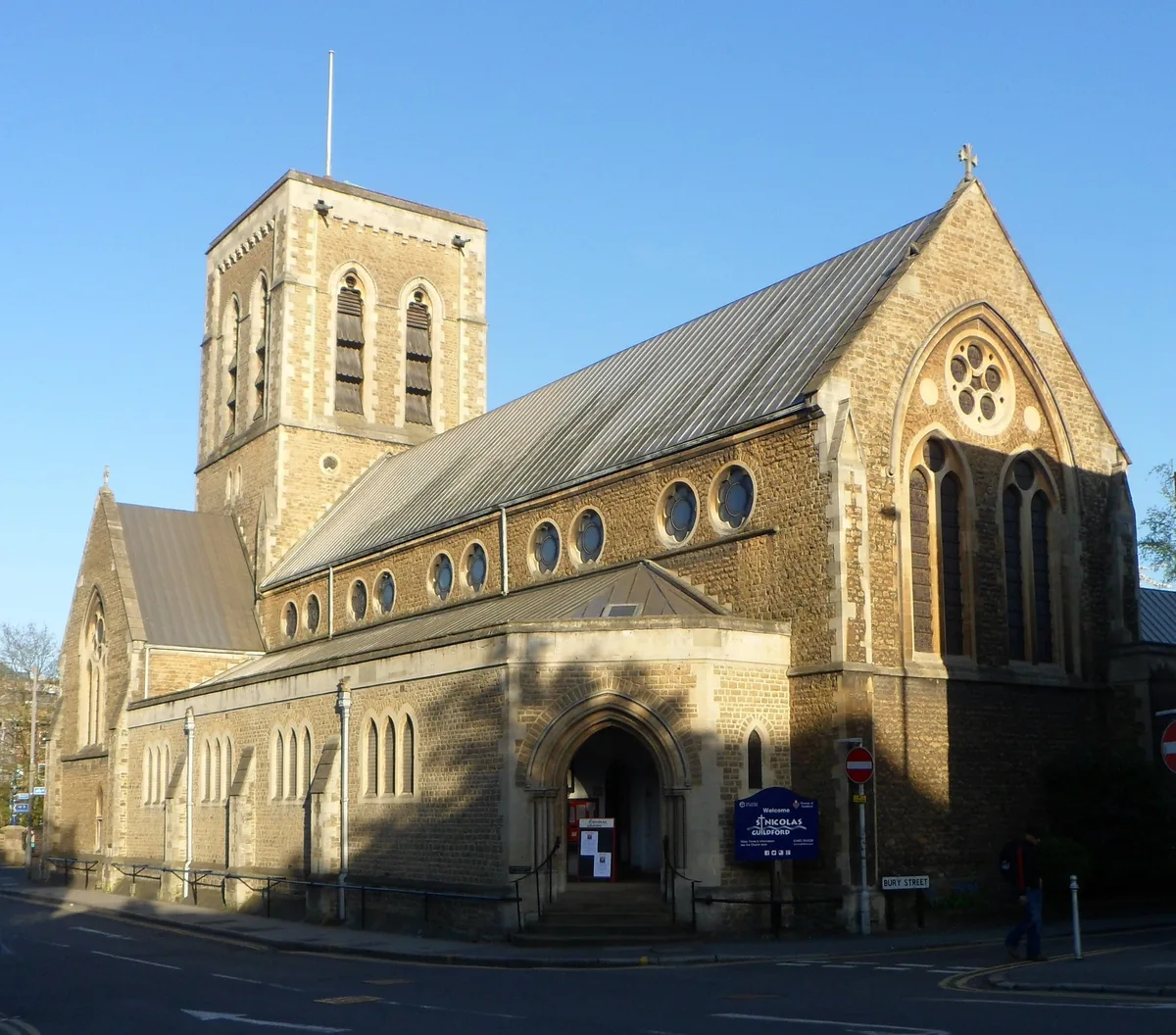 📷 5
📷 5Historic churches · South East England
St Nicolas' Church, Guildford
St Nicolas' Church, Guildford — church in Guildford, Surrey, England, UK.
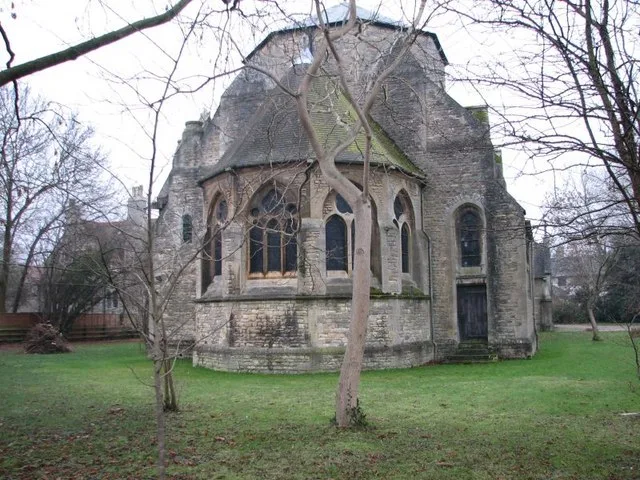 📷 5
📷 5Historic churches · South East England
St Frideswide's Church
St Frideswide's Church — church in Oxford, UK.
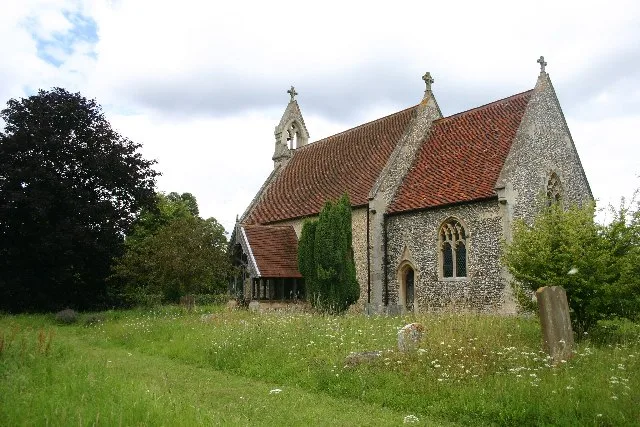 📷 3
📷 3Historic churches · East of England
All Saints Church, Wordwell
All Saints Church, Wordwell — church in Wordwell, UK.
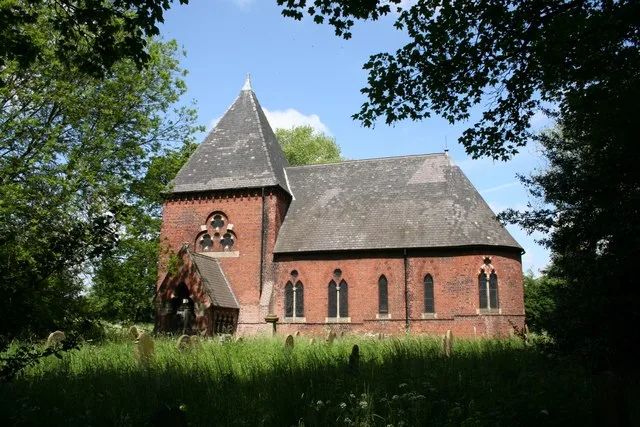 📷 3
📷 3Historic churches · Yorkshire & the Humber
St John the Baptist's Church, Burringham
St John the Baptist's Church, Burringham — grade II listed church in Burringham, North Lincolnshire, Lincolnshire, England, UK.
Other places from this era
 📷 5
📷 5Historic churches · London
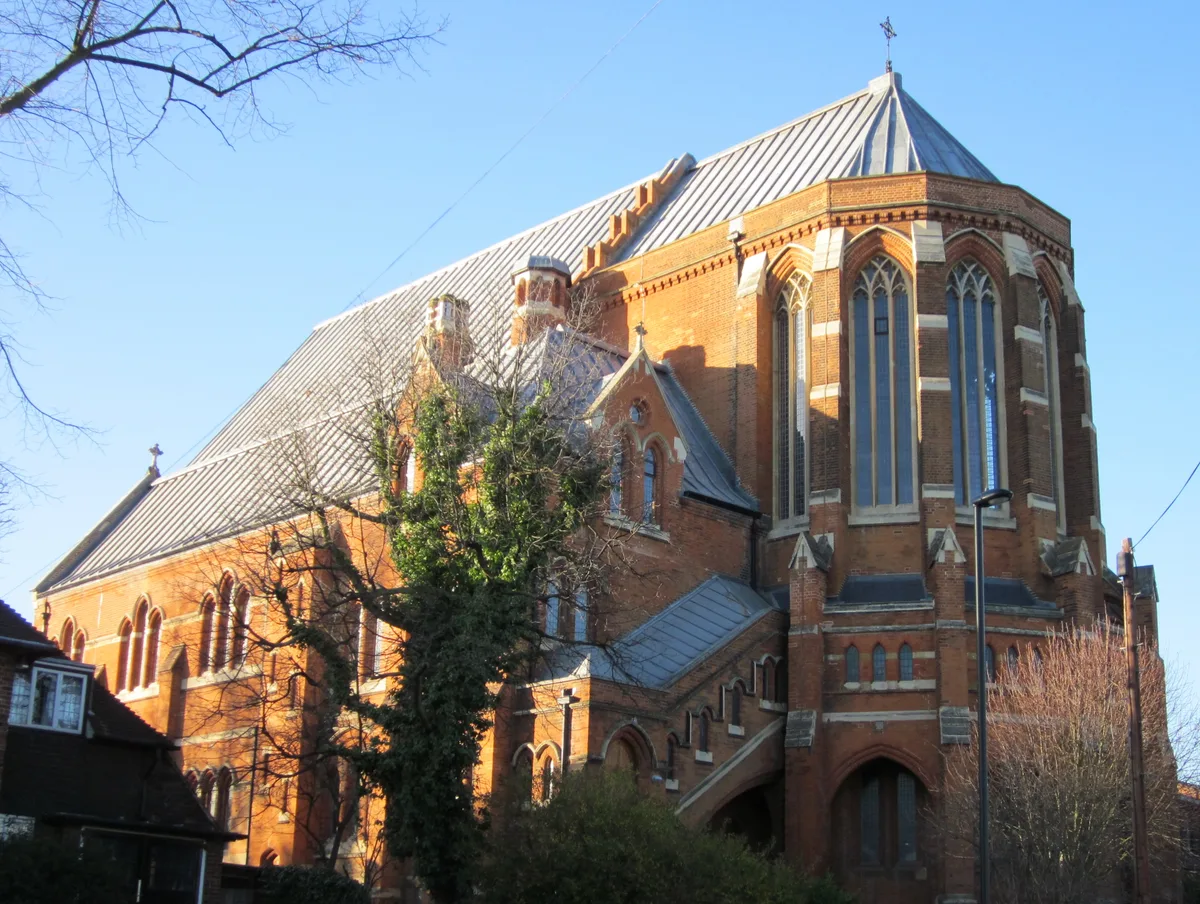
All Saints Church, West Dulwich
All Saints Church, West Dulwich — church in West Dulwich, London.
 📷 5
📷 5Historic churches · London
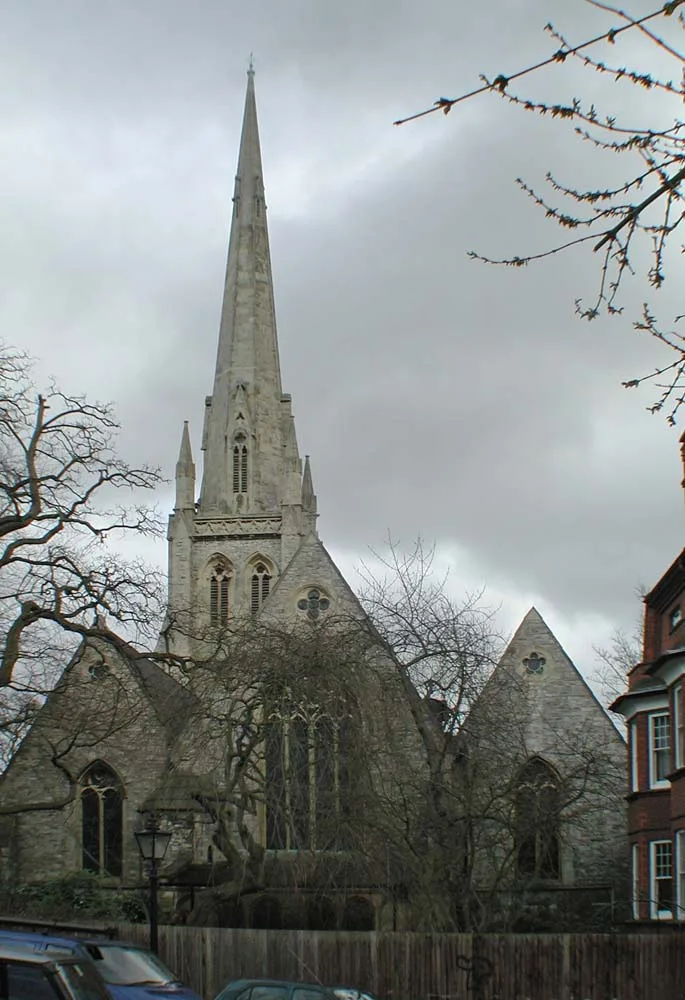
Christ Church
Christ Church — church in Hampstead, London.
 📷 5
📷 5Historic churches · London
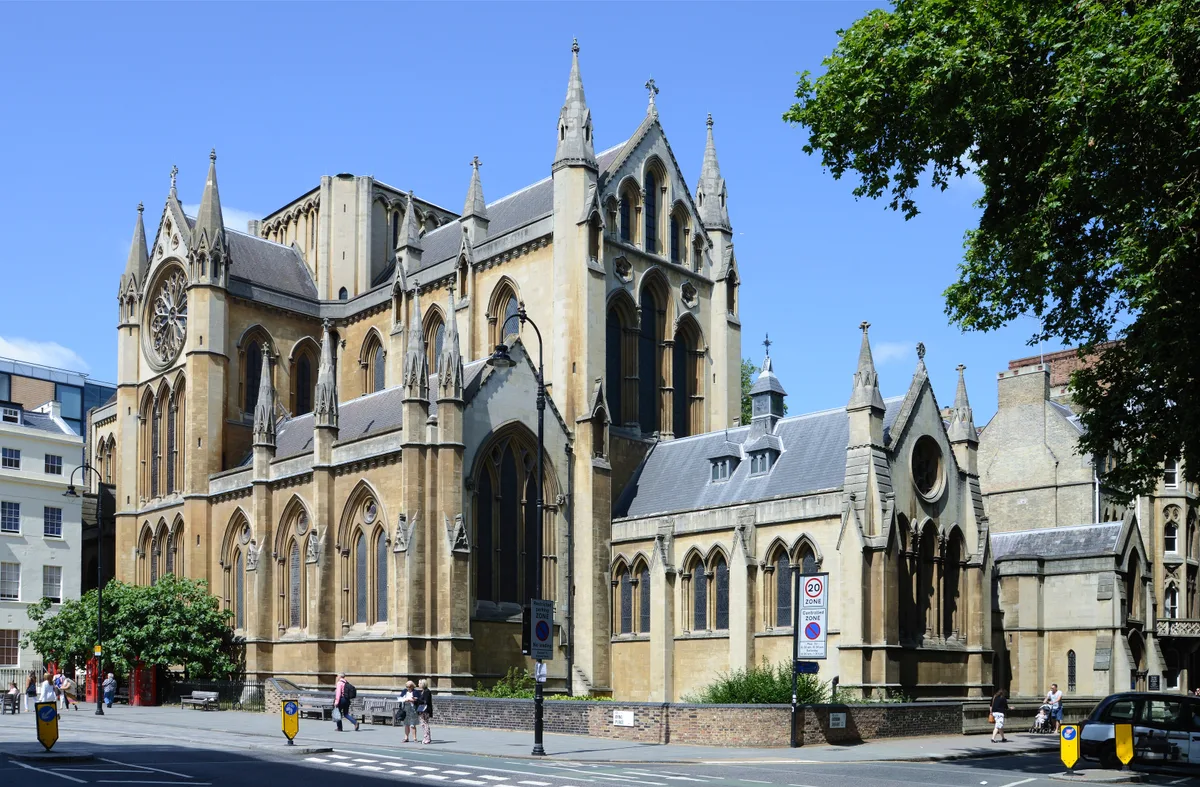
Church of Christ the King, Bloomsbury
Church of Christ the King, Bloomsbury — church in Gordon Square, Bloomsbury, London.
 📷 5
📷 5Historic churches · London
Church of St Barnabas
Church of St Barnabas — church in Pimlico, London.
More places in this region
 📷 5
📷 5Historic churches · South East England
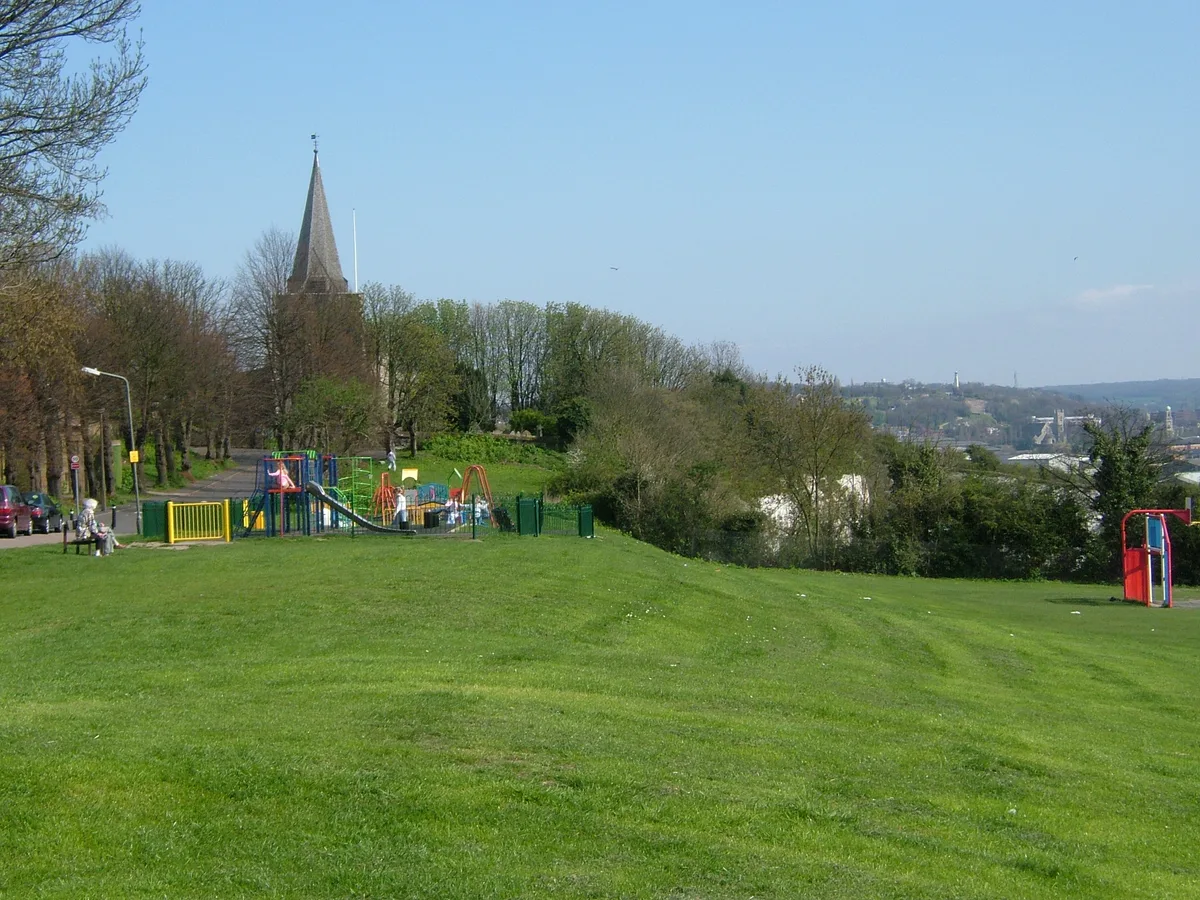
All Saints Church, Frindsbury
All Saints Church, Frindsbury — church in Medway, UK.
 📷 5
📷 5Historic churches · South East England
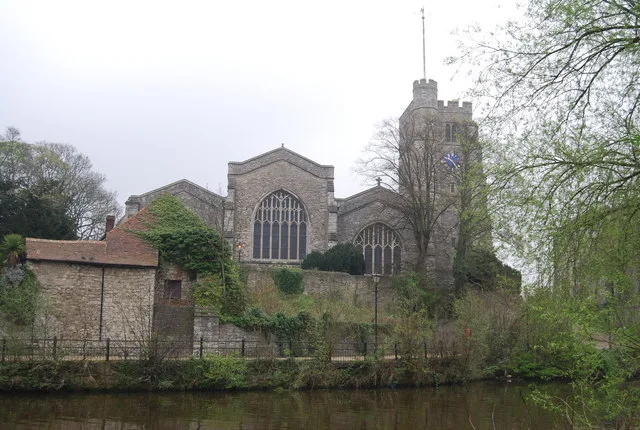
All Saints Church, Maidstone
All Saints Church, Maidstone — parish church associated with the Archbishop's Palace, Maidstone, Kent, England, UK.
 📷 5
📷 5Historic churches · South East England
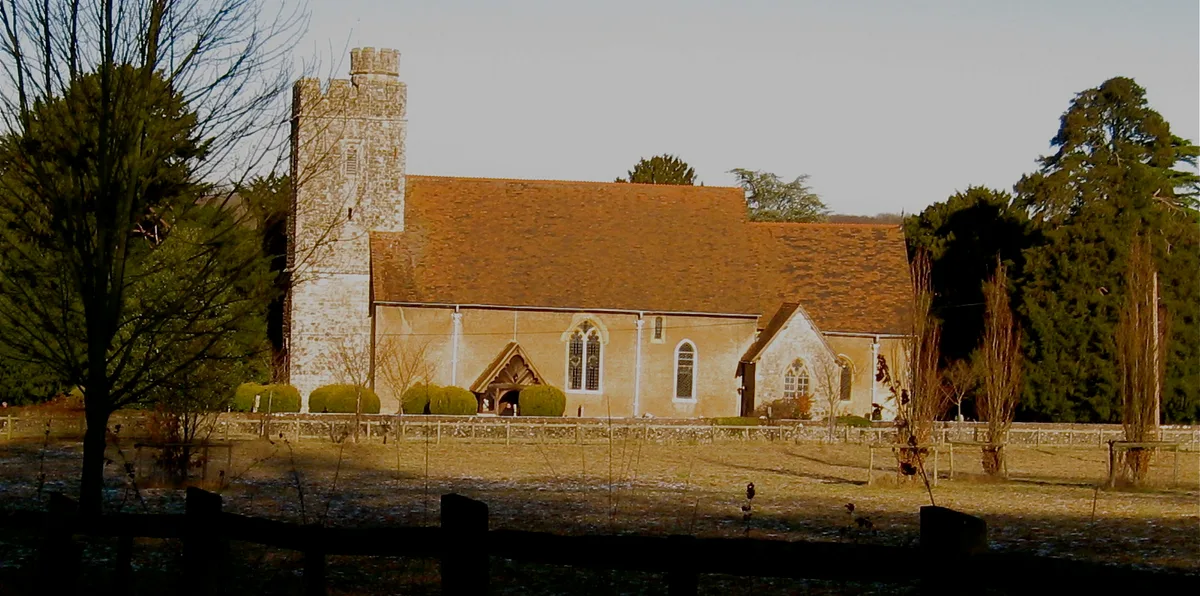
All Saints Church, West Farleigh
All Saints Church, West Farleigh — Grade I listed church in West Farleigh, Maidstone, Kent, England, UK.
 📷 5
📷 5Historic churches · South East England
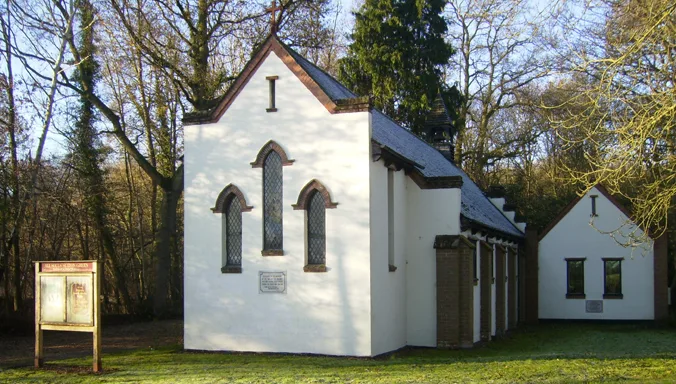
All Souls' Church, Sutton Green
All Souls' Church, Sutton Green — church in Guildford, England.
Frequently asked questions
- Where is Holy Trinity Church, Hastings?
- Holy Trinity Church, Hastings is in East Sussex, South-East England, United Kingdom (postcode TN34 1HB), in the parish of Hastings, unparished area.
- What is Holy Trinity Church, Hastings?
- Holy Trinity Church, Hastings — church in Hastings, East Sussex, England, UK.
- How do I get to Holy Trinity Church, Hastings?
- The nearest railway station is Hastings, about 0.4 km away. The nearest town is Guestling. Drivers can use postcode TN34 1HB.
- When was Holy Trinity Church, Hastings built?
- Built or established in 1859. Designed by Samuel Sanders Teulon.
- Is Holy Trinity Church, Hastings a listed building?
- Holy Trinity Church, Hastings is officially recognised as Grade II* listed building listed.
- How do I get to Holy Trinity Church, Hastings?
- The nearest railway station is Hastings, about 0.4 km away. Drivers can navigate to postcode TN34 1HB.