
Wildlife reserves · East of England
Holkham National Nature Reserve
In or near Burnham Thorpe.
Holkham National Nature Reserve — nature reserve in the United Kingdom.

Wikimedia Commons contributors — see linked file page for photographer and licence licence

Plan your visit
- Typical visit
- 2 h–4 h
- Best time of year
- Autumn & winter (migration & wildfowl)
- Nearest railway station
- Wells-on-Sea · 4.1 km
- Free entry
- Dog-friendly
Getting there & planning your visit
To visit Holkham National Nature Reserve, the nearest railway station is Wells-on-Sea, located 4.1 km away. The postcode for sat-nav is NR23 1RL, and entry to the reserve is free.
About
Holkham National Nature Reserve is a wildlife reserve in the United Kingdom. Wikidata describes it as: "nature reserve in the United Kingdom". Coordinates: 52.9690°, 0.8130°.
Photo gallery
Protected designations
- Site of Special Scientific Interest: North Norfolk Coast SSSI
- National Nature Reserve: HOLKHAM
- Area of Outstanding Natural Beauty: Norfolk Coast
- Ramsar wetland: North Norfolk Coast
Designations sourced from Natural England open data under OGL v3.
From the Wikipedia article
Holkham National Nature Reserve is one of England's largest national nature reserve (NNR). It is on the Norfolk coast between Burnham Overy Staithe and Blakeney, and is managed by Natural England with the cooperation of the Holkham Estate. Its 3,900 hectares (9,600 acres) comprise a wide range of habitats, including grazing marsh, woodland, salt marsh, sand dunes and foreshore. The reserve is part of the North Norfolk Coast Site of Special Scientific Interest, and the larger area is additionally protected through Natura 2000, Special Protection Area (SPA) and Ramsar listings, and is part of both an Area of Outstanding Natural Beauty (AONB) and a World Biosphere Reserve. Holkham NNR is important for its wintering wildfowl, especially pink-footed geese, Eurasian wigeon and brant geese, but it also has breeding waders, and attracts many migrating birds in autumn. Many scarce invertebrates and plants can be found in the dunes, and the reserve is one of the only two sites in the UK to have an antlion colony. This stretch of coast originally consisted of salt marshes protected from the sea by ridges of shingle and sand, and Holkham's Iron Age fort stood at the end of a sandy spit surrounded by the tidal wetland. The Vikings navigated the creeks to establish Holkham village, but access to the former harbour was stopped by drainage and reclamation of the marshes between the coast and the shingle ridge which started in the 17th century, and was completed in 1859. The Holkham estate has been owned by the Coke family, later Earls of Leicester since 1609, and their seat at Holkham Hall is opposite the reserve's Lady Anne's Drive entrance. The 3rd Earl planted pines on the dunes to protect the pastures reclaimed by his predecessors from wind-blown sand. The national nature reserve was created in 1967 from 1,700 hectares (4,200 acres) of the Holkham Estate and 2,200 hectares (5,400 acres) of foreshore belonging to the Crown. The reserve has over 100,000 visitors a year,…
Excerpt from Wikipedia under CC BY-SA 4.0. See the source article linked in Sources below.
Background
History
Norfolk has a long history of human occupation. Both modern and Neanderthal people were present in the area between 100,000 and 10,000 years ago, before the last glaciation, and humans returned as the ice retreated northwards. The archaeological record is poor until about 20,000 years ago, partly because of the then prevailing very cold conditions, but also because the coastline was much further north than at present. As the ice retreated during the Mesolithic (10,000–5,000 BCE), the sea level rose, filling what is now the North Sea. This brought the Norfolk coastline much closer to its present line, so that many ancient sites are now under the sea in an area now known as Doggerland. The…
Description
NNR |HB: Holkham Bay |WS: Wells salt marshes (part of Holkham NNR) }}]] The reserve lies to the north of the A149 coast road, starting just west of Burnham Overy Staithe and extending west past Holkham to Beach Road, Wells-next-the-Sea. It also includes the tidal salt marshes continuing further east to Blakeney. Its total area of about 3900 ha makes it the largest NNR in England. including the Peddars Way/Norfolk Coast long-distance trail that traverses the main part of the reserve, and National Cycle Route 1 loops through the core of the NNR between Holkham and Wells. There is a car park near Holkham village at the north end of Lady Anne's Drive that gives access to two bird hides, and…
Sourced from Wikipedia under CC BY-SA 4.0.
- Coordinates
- 52.9690, 0.8130
- County
- Norfolk
- District
- North Norfolk
- Parish
- Holkham
- Postcode
- NR23 1RL
- Parliamentary constituency
- North Norfolk
- Nearest railway station
- Wells-on-Sea — 4.1 km
Sources
- wikidata: Q15224502 (CC0)
- wikipedia: Holkham National Nature Reserve (CC BY-SA 4.0)
- commons: Holkham beach from Holkham Meals - geograph.org.uk - 97299.jpg (CC BY-SA 4.0)
Other places nearby

Holkham Gap
Natural landmarks · 0.4 km

Holkham Naturist Beach
Beaches · 0.6 km
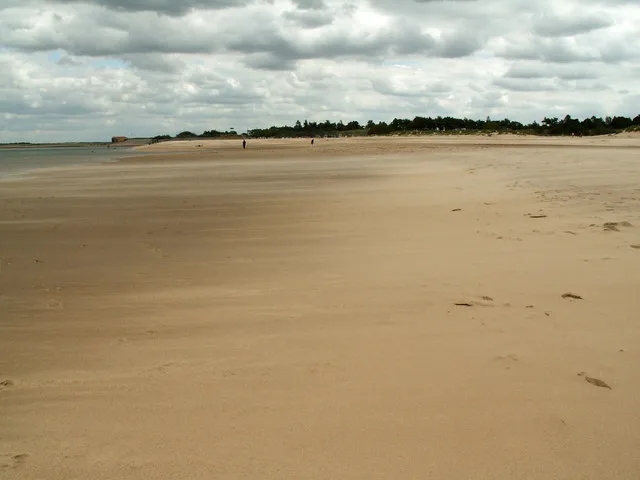
Holkham Beach
Beaches · 0.8 km

Holkham Meals
Battlefields & battle sites · 0.9 km

Ancient House
B&Bs · 1.0 km

Holkham War Memorial
Memorials & monuments · 1.1 km
Holkham
Museums · 1.2 km

The Leicester Monument
Memorials & monuments · 1.5 km
Leicester Coke Monument
Memorials & monuments · 1.5 km

Iron Age fort 900m north east of Dale Hole Cottage
Vineyards · 1.6 km

Holkham Naturist Beach
Beaches · 1.9 km

Pinewoods Holiday Park
Campsites · 2.2 km
Nearby
📷 5Natural landmarks · East of England
Holkham Gap
Holkham Gap — a natural feature in england east midlands.
📷 3Beaches · East of England
Holkham Naturist Beach
Holkham Naturist Beach is a beach in the United Kingdom.
📷 3Beaches · East of England
Holkham Beach
Holkham Beach — Located in Norfolk, United Kingdom.
📷 3Battlefields & battle sites · East of England
Holkham Meals
Holkham Meals in England East, United Kingdom.
📷 5📷 3Memorials & monuments · East of England
Holkham War Memorial
Holkham War Memorial — Grade II listed building-listed memorial in england-east-midlands, United Kingdom.
Where to eat & stay near Holkham National Nature Reserve
Places to stay
📷 5📷 5Campsites · East of England
Pinewoods Holiday Park
Pinewoods Holiday Park — a campsite in england east midlands.
 📷 5
📷 5Campsites · East of England
Mill Farm
Mill Farm — a campsite in england east midlands.
 📷 5
📷 5Caravan parks · East of England
Pinewoods Holiday Park
Pinewoods Holiday Park — a caravan park in england east midlands.
 📷 5
📷 5Caravan parks · East of England
The Orchard Caravan Park
The Orchard Caravan Park — a caravan park in england east midlands.
 📷 5
📷 5Campsites · East of England
Norfolk Brickyard
Norfolk Brickyard — a campsite in england east midlands.
Places to eat & drink
 📷 5
📷 5Historic pubs · East of England
The Lord Nelson Public House
The Lord Nelson Public House in England East, United Kingdom.
 📷 7
📷 7Historic pubs · East of England
Hoste Arms Public House
Hoste Arms Public House in England East, United Kingdom.
 📷 5
📷 5 📷 5
📷 5Historic pubs · East of England
Oxford Stores Public House
Oxford Stores Public House in England East, United Kingdom.
 📷 5
📷 5Historic pubs · East of England
White Horse Public House And Adjoining Cottage
White Horse Public House And Adjoining Cottage in England East, United Kingdom.
 📷 5
📷 5Historic pubs · East of England
The Bluebell
The Bluebell in England East, United Kingdom.
More places in this region
 Flagship📷 10
Wildlife reserves · East of England
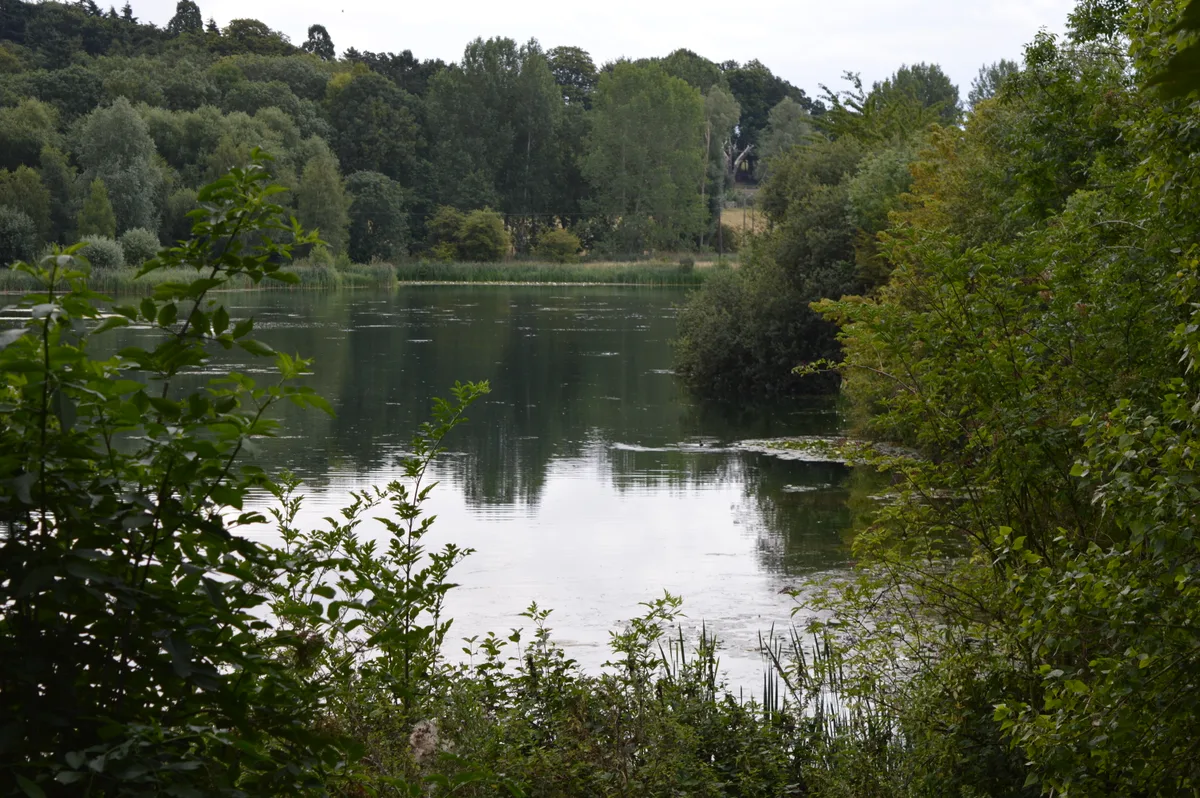
Amwell Quarry
Amwell Quarry — nature reserve in United Kingdom.
 Flagship📷 10
Wildlife reserves · East of England
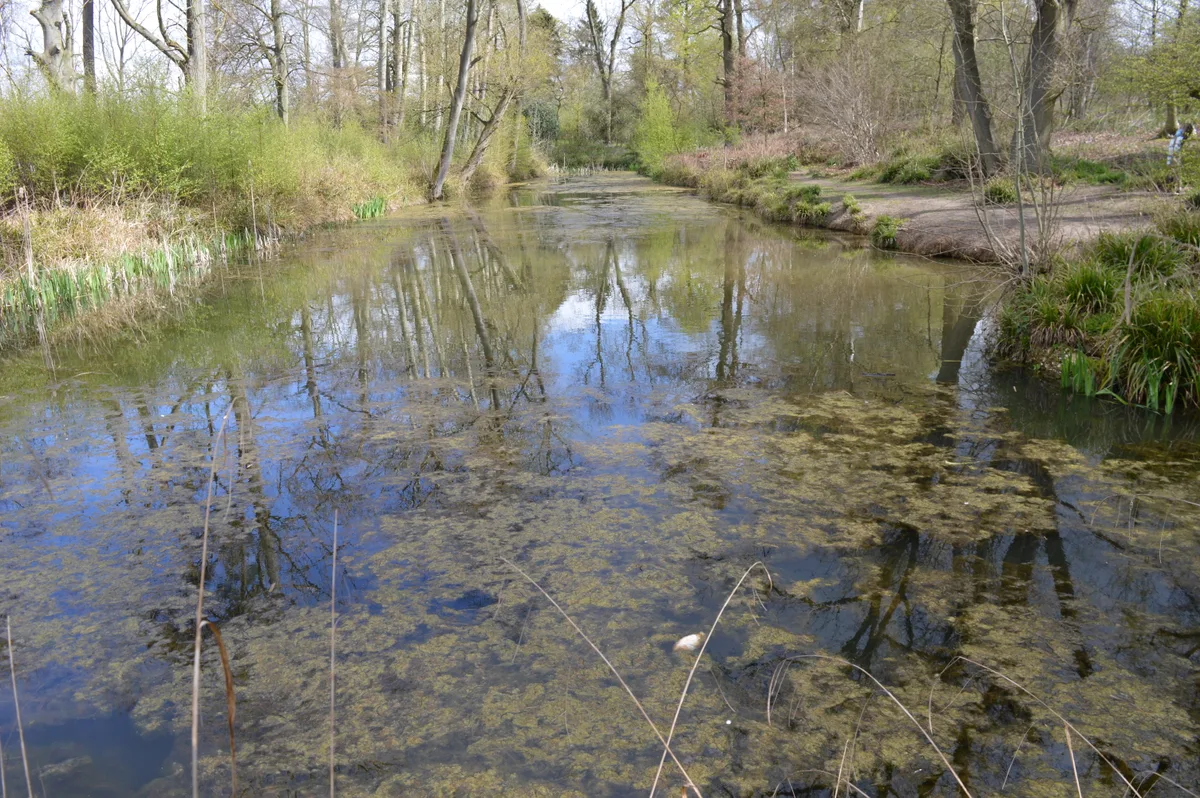
Aubrey Buxton Nature Reserve
Aubrey Buxton Nature Reserve — Essex Wildlife Trust Nature reserve.
 Flagship📷 10
Wildlife reserves · East of England
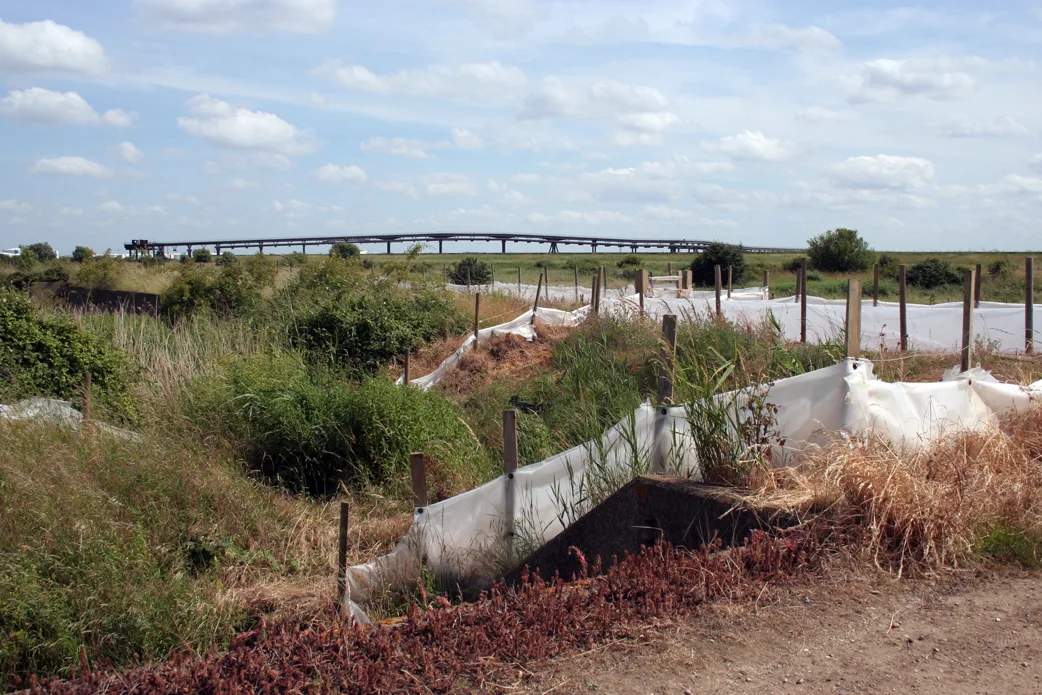
Canvey Wick
Canvey Wick — nature reserve in Essex, United Kingdom.
 Flagship📷 10
Wildlife reserves · East of England
Crowsheath Wood
Crowsheath Wood — Essex Wildlife Trust Nature reserve.
Frequently asked questions
- Where is Holkham National Nature Reserve?
- Holkham National Nature Reserve is in Norfolk, East of England, United Kingdom (postcode NR23 1RL), in the parish of Holkham.
- What is Holkham National Nature Reserve?
- Holkham National Nature Reserve — nature reserve in the United Kingdom.
- How do I get to Holkham National Nature Reserve?
- The nearest railway station is Wells-on-Sea, about 4.1 km away. The nearest town is Burnham Thorpe. Drivers can use postcode NR23 1RL.
- Is Holkham National Nature Reserve a protected site?
- Yes — Holkham National Nature Reserve is part of the North Norfolk Coast SSSI Site of Special Scientific Interest and the HOLKHAM National Nature Reserve.
- Is Holkham National Nature Reserve free to visit?
- Yes, Holkham National Nature Reserve is free to enter.
- How do I get to Holkham National Nature Reserve?
- The nearest railway station is Wells-on-Sea, about 4.1 km away. Drivers can navigate to postcode NR23 1RL.
- Are dogs allowed at Holkham National Nature Reserve?
- Most wildlife reserves allow dogs on lead only, with restrictions during ground-nesting bird season (March-July). Check signage at the reserve.