
Wildlife reserves · North West England
Hockenhull Platts
In or near Tarvin.
Hockenhull Platts — nature reserve and group of bridges in Cheshire, UK.

Wikimedia Commons contributors — see linked file page for photographer and licence licence

Plan your visit
- Typical visit
- 2 h–4 h
- Best time of year
- Autumn & winter (migration & wildfowl)
- Nearest railway station
- Mouldsworth · 6.2 km
- Free entry
- Family-friendly
- Dog-friendly
- Limited wheelchair access
Getting there & planning your visit
To visit Hockenhull Platts, the nearest railway station is Mouldsworth, located 6.2 km away. Entry to the wildlife reserve is free, but wheelchair access is limited. The postcode for sat-nav is CH3 7PG.
About
Hockenhull Platts is a wildlife reserve in the United Kingdom. Managed by Cheshire Wildlife Trust. Wikidata describes it as: "nature reserve and group of bridges in Cheshire, UK". Coordinates: 53.1862°, -2.7849°.
Photo gallery
Summary from the official site
Hockenhull Platts is a nature reserve featuring meadows that are rich in various bird and plant species. Visitors can explore the natural beauty and biodiversity of the area, making it a great spot for wildlife enthusiasts and nature lovers.
Read more on the official property page.
From the Wikipedia article
The Hockenhull Platts are three bridges southwest of the village of Tarvin, Cheshire, England. They are also known as the "Packhorse Bridges" or (erroneously) the "Roman Bridges", and are recorded in the National Heritage List for England as designated Grade II listed buildings. The bridges are situated where Platts Lane crosses the River Gowy. An area of 5 hectares (12 acres) west of the Gowy, including the westernmost bridge, forms Hockenhull Platts Nature Reserve, managed by the Cheshire Wildlife Trust.
Excerpt from Wikipedia under CC BY-SA 4.0. See the source article linked in Sources below.
Background
History
Platts Lane originally formed part of the medieval road from London to Holyhead. In 1353 when Edward, the Black Prince, crossed the bridges, he ordered that 20 shillings should be spent on their repair. In the 17th century the surface of the road was disintegrating so badly that posts were set into the road to prevent the passage of carts, and it could be used only by pedestrians and horses. Goods were carried by convoys of packhorses led by a driver (or jagger) walking in front. The pioneer female traveller Celia Fiennes crossed the bridges in 1698, as did Thomas Pennant in 1780. The present bridges probably date from the latter part of the 18th century. In 1824 Cheshire County Council…
Visiting
Hockenhull Platts consists of three humpback bridges which are approached and connected by causeways. The bridges are constructed from tooled blocks of red sandstone. The parapets are plain and are surmounted by chamfered coping stones which are joined by iron ties. The carriageway is formed from a mixture of stone setts and cobbles. The central bridge crosses the River Gowy. Formerly the three bridges and causeways were necessary because the whole area was too marshy to be crossed by any other means. However, in the 20th century a scheme was carried out to lower the water level of the whole of the River Gowy to prevent possible flooding of Stanlow Refinery, which is situated near the…
Sourced from Wikipedia under CC BY-SA 4.0.
- Coordinates
- 53.1862, -2.7849
- District
- Cheshire West and Chester
- Parish
- Christleton
- Postcode
- CH3 7PG
- Parliamentary constituency
- Chester South and Eddisbury
- Nearest railway station
- Mouldsworth — 6.2 km
- Opening
- at all times
- Official site
- www.cheshirewildlifetrust.org.uk
Sources
- wikidata: Q5875510 (CC0)
- wikipedia: Hockenhull Platts (CC BY-SA 4.0)
- commons: Hockenhull Platts EM.jpg (CC BY-SA 4.0)
Other places nearby

Platts Lane
Historic bridges · 0.0 km

Platts Lane
Historic bridges · 0.1 km

Tarvin
Towns & cities · 1.5 km

The Crocky Trail
Natural landmarks · 1.7 km

Tarvin Hall
Historic houses · 1.8 km

Stamford Bridge
Villages · 1.8 km

Tarvin War Memorial
Memorials & monuments · 1.9 km

The Flaggs and Hamilton House, and front garden walls and gates
Historic houses · 1.9 km
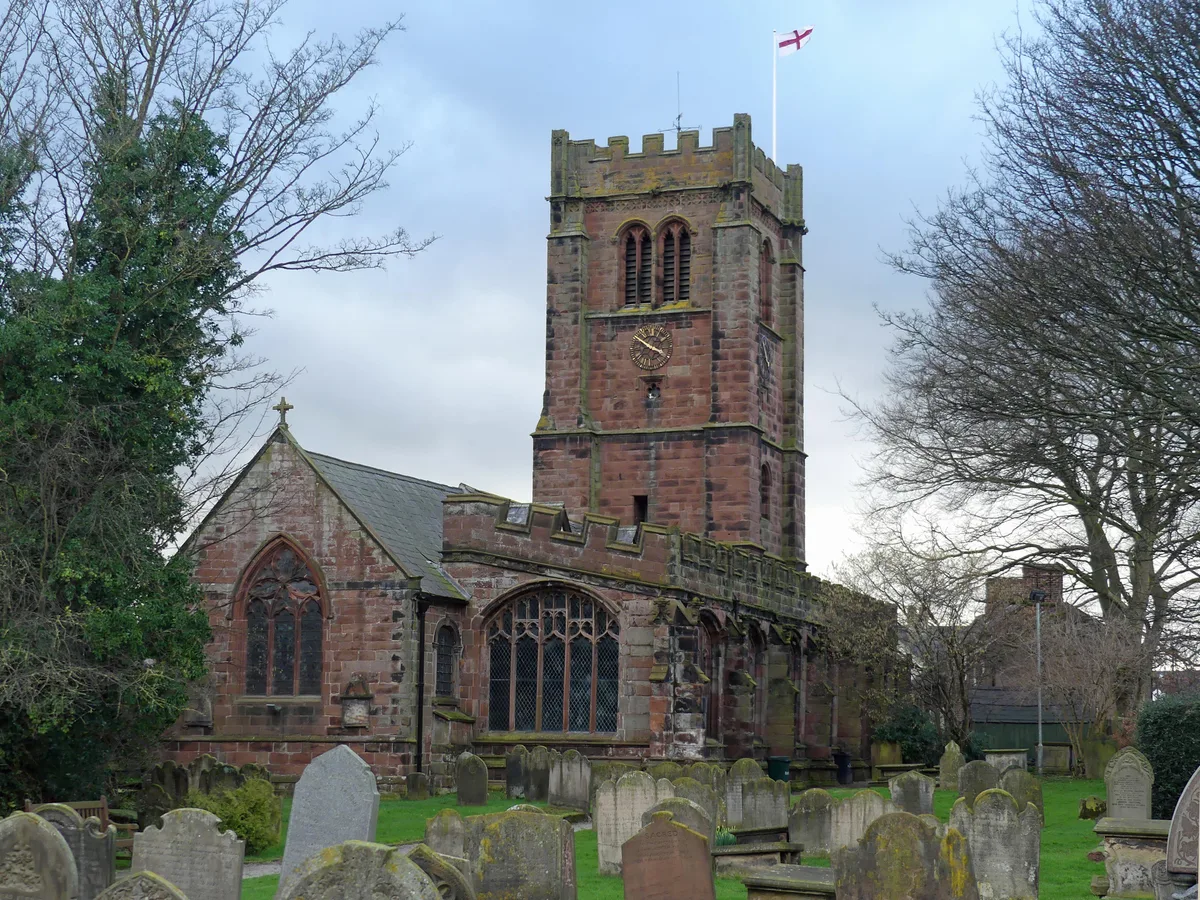
St Andrew's Church, Tarvin
Historic churches · 2.0 km

Birch Bank Farm Camp Site
Caravan parks · 2.2 km

Canal Bridge No 118, Davies's Bridge
Historic bridges · 2.3 km

Canal Bridge No 117, Salmons Bridge
Historic bridges · 2.5 km
Nearby
📷 3Historic bridges · North West England
Platts Lane
Platts Lane is a historic bridge in the United Kingdom.
📷 3Historic bridges · North West England
Platts Lane
Platts Lane is a historic bridge in the United Kingdom.
📷 5Towns & cities · North West England
Tarvin
Tarvin — village and civil parish in Cheshire West and Chester, United Kingdom.
📷 3Natural landmarks · North West England
The Crocky Trail
The Crocky Trail — a other in wales-north, United Kingdom.
📷 3Historic houses · North West England
Tarvin Hall
Tarvin Hall — Grade II* listed house in Tarvin, Cheshire, England, UK.
📷 5Where to eat & stay near Hockenhull Platts
Places to stay
📷 5Caravan parks · North West England
Birch Bank Farm Camp Site
Birch Bank Farm Camp Site — a caravan park in wales north.
 📷 5
📷 5Caravan parks · North West England
NetherwoodTouring Site
NetherwoodTouring Site — a caravan park in wales north.
 📷 5
📷 5Caravan parks · North West England
Belle Vue Farm CAMC CL
Belle Vue Farm CAMC CL — a caravan park in wales north.
 📷 5
📷 5Caravan parks · North West England
Whitegate Stables
Whitegate Stables — a caravan park in wales north.
 📷 5
📷 5Caravan parks · North West England
Northwood Hall
Northwood Hall — a caravan park in wales north.
 📷 5
📷 5Hotels · North West England
DoubleTree by Hilton Hotel & Spa Chester
DoubleTree by Hilton Hotel & Spa Chester — a hotel in wales north. 4-star. Brand: DoubleTree.
Places to eat & drink
 📷 5
📷 5Historic pubs · North West England
Ye Gardeners Arms Public House
Ye Gardeners Arms Public House in Wales North, United Kingdom.
 📷 5
📷 5Historic pubs · North West England
The Little Oak Public House
The Little Oak Public House in Wales North, United Kingdom.
 📷 5
📷 5Historic pubs · North West England
Steam Mill Public House and Offices
Steam Mill Public House and Offices in Wales North, United Kingdom.
 📷 5
📷 5Historic pubs · North West England
Town Crier
Town Crier in Wales North, United Kingdom.
 📷 5
📷 5Historic pubs · North West England
The Carlton Tavern
The Carlton Tavern in Wales North, United Kingdom.
 📷 5
📷 5Historic pubs · North West England
Forest House, Chester
Forest House, Chester in Wales North, United Kingdom.
More places run by Cheshire Wildlife Trust
 📷 3
📷 3Wildlife reserves · West Midlands
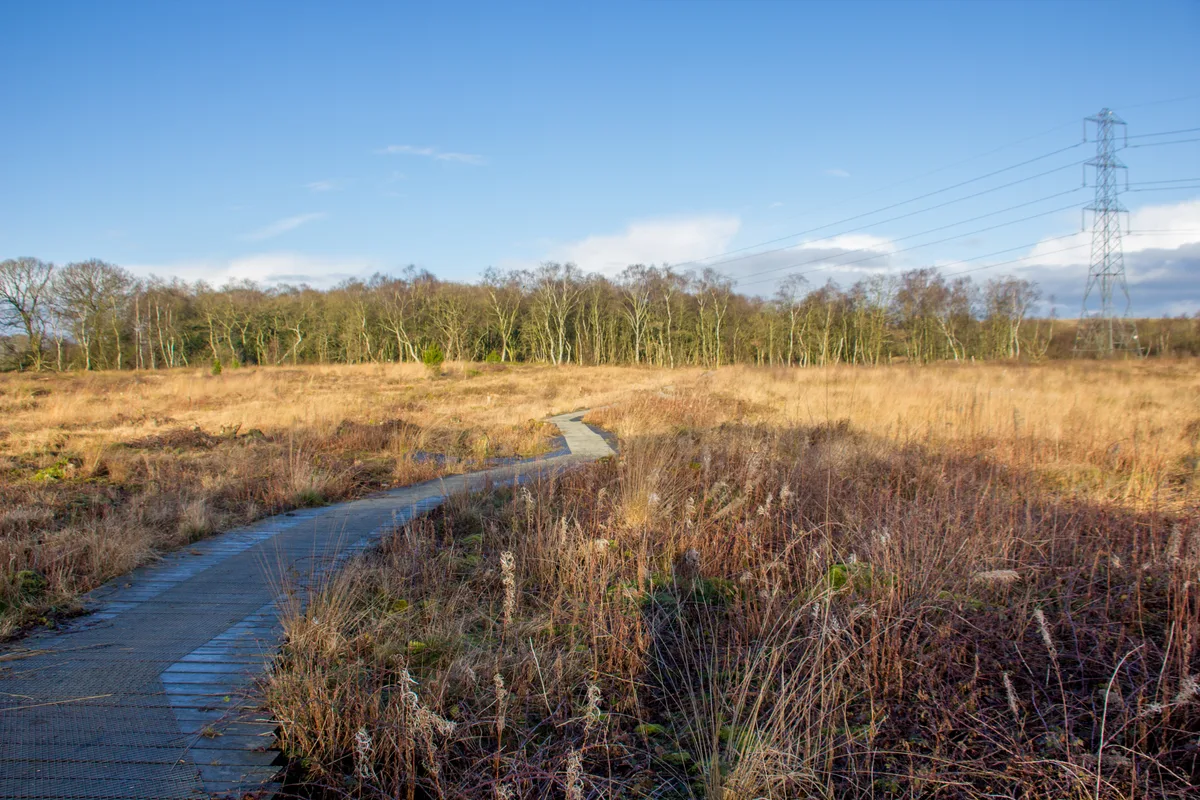
Danes Moss Nature Reserve
Danes Moss Nature Reserve — nature reserve and SSSI south of Macclesfield, Cheshire, England.
 📷 3
📷 3Wildlife reserves · West Midlands
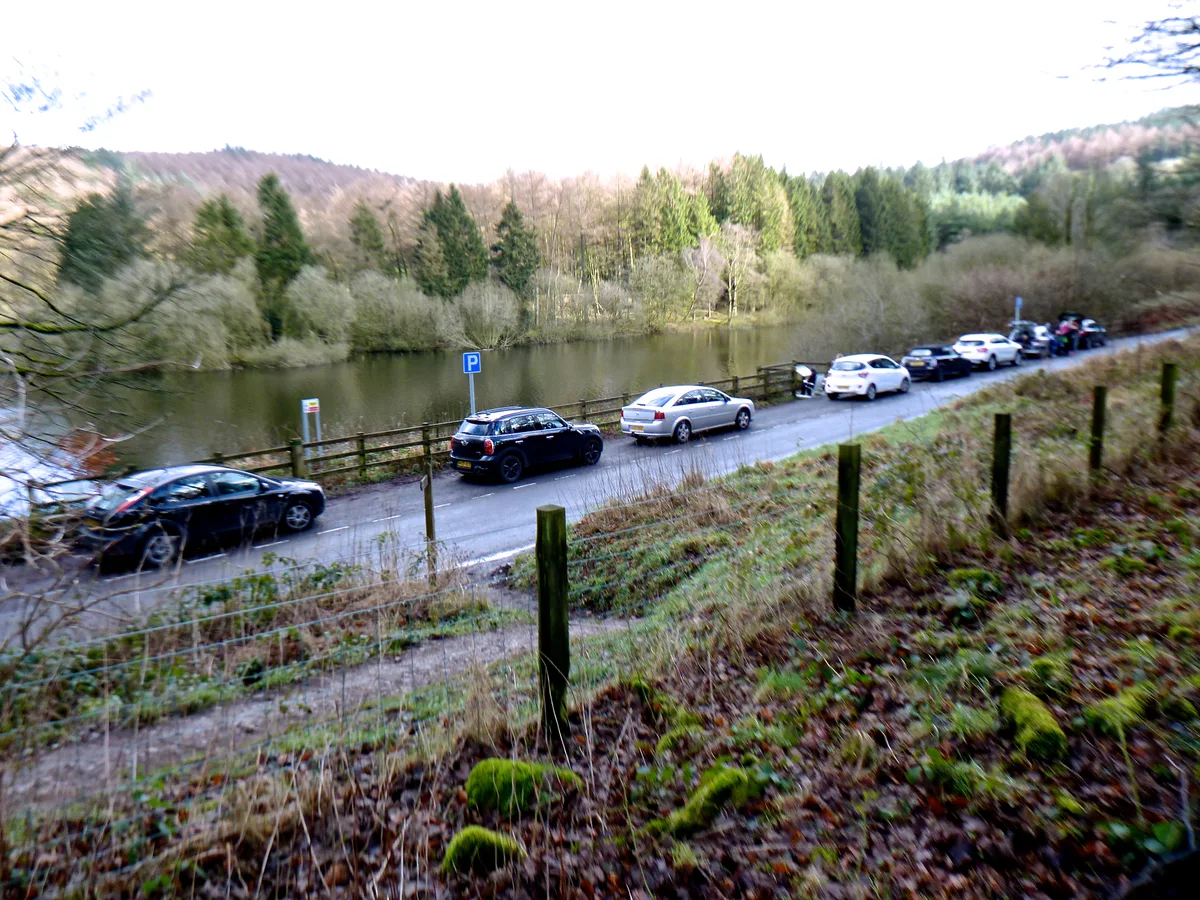
Trentabank Reservoir Nature Reserve
Trentabank Reservoir Nature Reserve — nature reserve in Macclesfield Forest, Cheshire.
 📷 3
📷 3Wildlife reserves · North West England
Holcroft Moss
Holcroft Moss — nature reserve in Cheshire.
 📷 3
📷 3Wildlife reserves · North West England
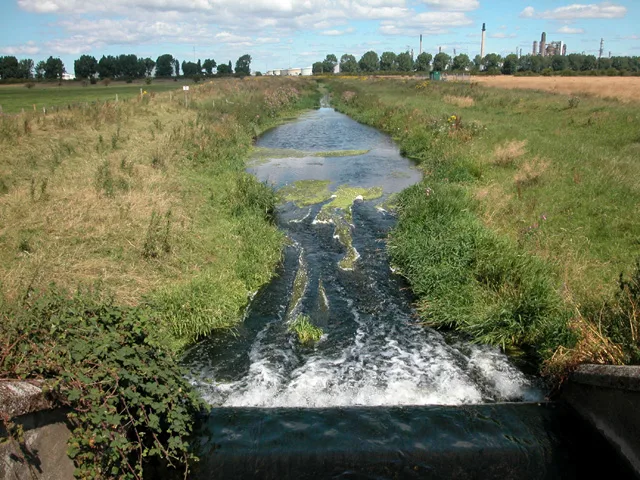
Gowy Meadows Nature Reserve
Gowy Meadows Nature Reserve — nature reserve in Cheshire, United Kingdom.
More places in this region
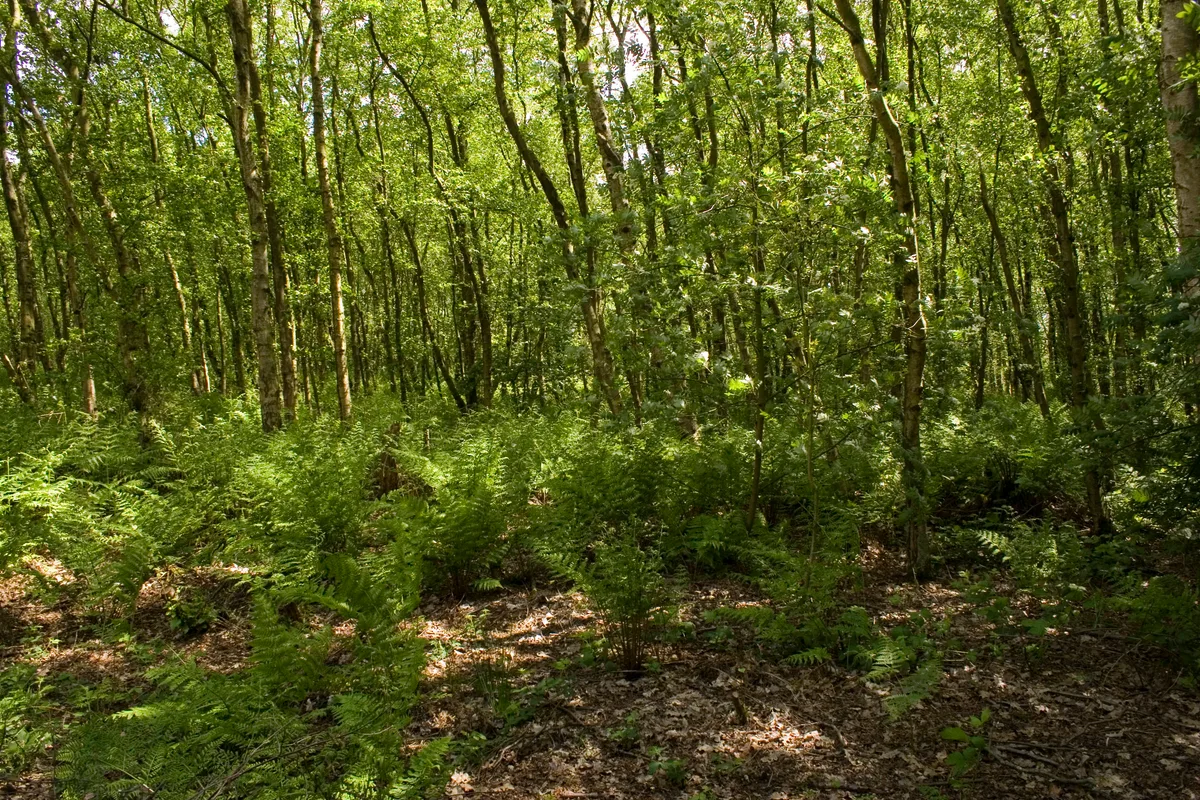 📷 3
📷 3Wildlife reserves · North West England
Birch Moss Covert Nature Reserve
Birch Moss Covert Nature Reserve is a wildlife reserve in the United Kingdom.
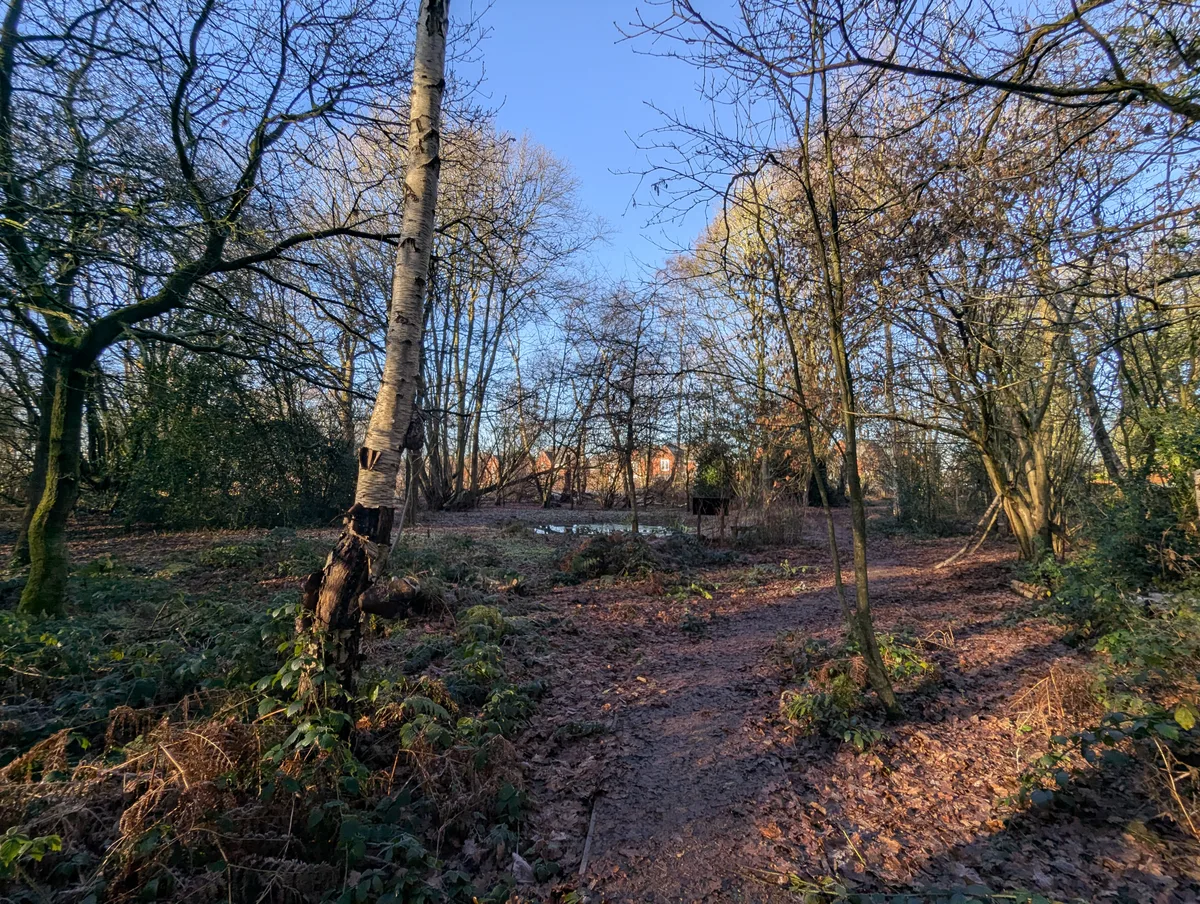 📷 3
📷 3Wildlife reserves · North West England
Black Firs Wood Nature Reserve
Black Firs Wood Nature Reserve is a wildlife reserve in the United Kingdom.
 📷 3
📷 3Wildlife reserves · North West England
Black Moss Covert Nature Reserve
Black Moss Covert Nature Reserve — nature reserve in Greater Manchester, England.
 📷 3
📷 3Wildlife reserves · North West England
Brookheys Covert Nature Reserve
Brookheys Covert Nature Reserve is a wildlife reserve in the United Kingdom.
Frequently asked questions
- Where is Hockenhull Platts?
- Hockenhull Platts is in North-West England, United Kingdom (postcode CH3 7PG), in the parish of Christleton.
- What is Hockenhull Platts?
- Hockenhull Platts — nature reserve and group of bridges in Cheshire, UK.
- How do I get to Hockenhull Platts?
- The nearest railway station is Mouldsworth, about 6.2 km away. The nearest town is Tarvin. Drivers can use postcode CH3 7PG.
- Who runs Hockenhull Platts?
- Hockenhull Platts is operated by Cheshire Wildlife Trust.
- Is Hockenhull Platts free to visit?
- Yes, Hockenhull Platts is free to enter.
- How do I get to Hockenhull Platts?
- The nearest railway station is Mouldsworth, about 6.2 km away. Drivers can navigate to postcode CH3 7PG.
- Are dogs allowed at Hockenhull Platts?
- Most wildlife reserves allow dogs on lead only, with restrictions during ground-nesting bird season (March-July). Check signage at the reserve.