
Museums · Yorkshire & the Humber
Harrogate
In or near Scriven.
Harrogate ( HARR-ə-gət, -gayt, -ghit) is a spa town and civil parish in the district and county of North Yorkshire, England. Historically in the West Riding of Yorkshire, the town is a tourist desti

Derek Harper — CC BY-SA 2.0 via Wikimedia Commons licence

Plan your visit
- Typical visit
- 1.5 h–3 h
- Best time of year
- Year-round
- Nearest railway station
- Harrogate · 0.2 km
- Family-friendly
- Limited wheelchair access
Getting there & planning your visit
To visit Harrogate Museum, the nearest railway station is Harrogate, located just 0.2 km away. The postcode for the museum is HG1 1TE. Entry is free, but please note that wheelchair accessibility is limited.
About
Harrogate ( HARR-ə-gət, -gayt, -ghit) is a spa town and civil parish in the district and county of North Yorkshire, England. Historically in the West Riding of Yorkshire, the town is a tourist destination; its visitor attractions include its spa waters and RHS Harlow Carr gardens. Yorkshire Dales National Park and the Nidderdale AONB are 13 miles (21 km) away from the town centre. In the 17th century, Harrogate grew out of two smaller settlements, High Harrogate and Low Harrogate. For three consecutive years (2013–2015), polls voted the town as "the happiest place to live" in Britain. Harrogate spa water contains iron, sulphur, and common salt (NaCl). The town became known as 'The English Spa' in the Georgian era, after its waters were discovered in the 16th century. In the 17th and 18th centuries, its chalybeate waters (containing iron) were a popular health treatment, and the influx of wealthy but sickly visitors contributed significantly to the wealth of the town. Harrogate railway station and Harrogate bus station in the town centre provide transport connections. Leeds Bradford Airport is 10 miles (16 km) southwest of Harrogate. The main roads through the town are the A61, connecting Harrogate to Leeds and Ripon, and the A59, connecting the town to York and Skipton. Harrogate is also connected to Wetherby and the A1(M) by the A661, while the A658 from Bradford forms a bypass around the south of the town. Harrogate had a population of 73,576 at the 2011 UK census; the b
Photo gallery
From the Wikipedia article
Harrogate ( HARR-ə-gət, -gayt, -ghit) is a spa town and civil parish in the district and county of North Yorkshire, England. Historically in the West Riding of Yorkshire, the town is a tourist destination; its visitor attractions include its spa waters and RHS Harlow Carr gardens. Yorkshire Dales National Park and the Nidderdale AONB are 13 miles (21 km) away from the town centre. In the 17th century, Harrogate grew out of two smaller settlements, High Harrogate and Low Harrogate. For three consecutive years (2013–2015), polls voted the town as "the happiest place to live" in Britain. Harrogate spa water contains iron, sulphur, and common salt (NaCl). The town became known as 'The English Spa' in the Georgian era, after its waters were discovered in the 16th century. In the 17th and 18th centuries, its chalybeate waters (containing iron) were a popular health treatment, and the influx of wealthy but sickly visitors contributed significantly to the wealth of the town.
Harrogate railway station and Harrogate bus station in the town centre provide transport connections. Leeds Bradford Airport is 10 miles (16 km) southwest of Harrogate. The main roads through the town are the A61, connecting Harrogate to Leeds and Ripon, and the A59, connecting the town to York and Skipton. Harrogate is also connected to Wetherby and the A1(M) by the A661, while the A658 from Bradford forms a bypass around the south of the town. Harrogate had a population of 73,576 at the 2011 UK census; the built-up area comprising Harrogate and nearby Knaresborough had a population of 89,060, while the figure for the much wider Borough of Harrogate, comprising Harrogate, Knaresborough, Ripon, as well as a number of smaller settlements and a large rural area, was 157,869. The town motto is Arx celebris fontibus, which means "a citadel famous for its springs".
Excerpt from Wikipedia under CC BY-SA 4.0. See the source article linked in Sources below.
Background
History
, however the premises are leased to JD Weatherspoon.]] In medieval times Harrogate was a place on the boundary of the township of Bilton with Harrogate in the ancient parish of Knaresborough, and the parish of Pannal, also known as Beckwith with Rossett. The part within the township of Bilton developed into the community of Low Harrogate, and the part within Pannal developed into the community of High Harrogate. Both communities were within the Royal Forest of Knaresborough. In 1372 King Edward III granted the Royal Forest to his son John, Duke of Lancaster (also known as John of Gaunt), and the Duchy of Lancaster became the principal landowner in Harrogate. Harrogate's development is due…
Architecture
Crescent Gardens is a small open area in central Harrogate surrounded by some of the town's main tourist attractions including the Royal Pump Room, Royal Baths, Royal Hall and the Harrogate Council Offices; Hall M of the Harrogate International Centre fronts onto Crescent Gardens. The Royal Hall theatre, a Grade II listed building designed by Frank Matcham. As the only surviving Kursaal in Britain, the Royal Hall is an important national heritage building. Restoration work was completed in 2007, and the hall was reopened on 22 January 2008, by the Prince of Wales. The Royal Pump Room, just off the gardens, houses Europe's strongest sulphur well; it is now a museum showcasing the town's spa…
Sourced from Wikipedia under CC BY-SA 4.0.
- Coordinates
- 53.9919, -1.5378
- District
- North Yorkshire
- Parish
- Harrogate
- Postcode
- HG1 1TE
- Parliamentary constituency
- Harrogate and Knaresborough
- Nearest railway station
- Harrogate — 0.2 km
- Official site
- www.northyorks.gov.uk
Sources
- wikipedia: Harrogate (CC BY-SA 4.0)
Other places nearby
Everyman Harrogate
Theatres · 0.0 km

Harrogate Baptist Church
Historic churches · 0.2 km

Odeon Harrogate
Theatres · 0.2 km

Gaumont Harrogate
Theatres · 0.2 km
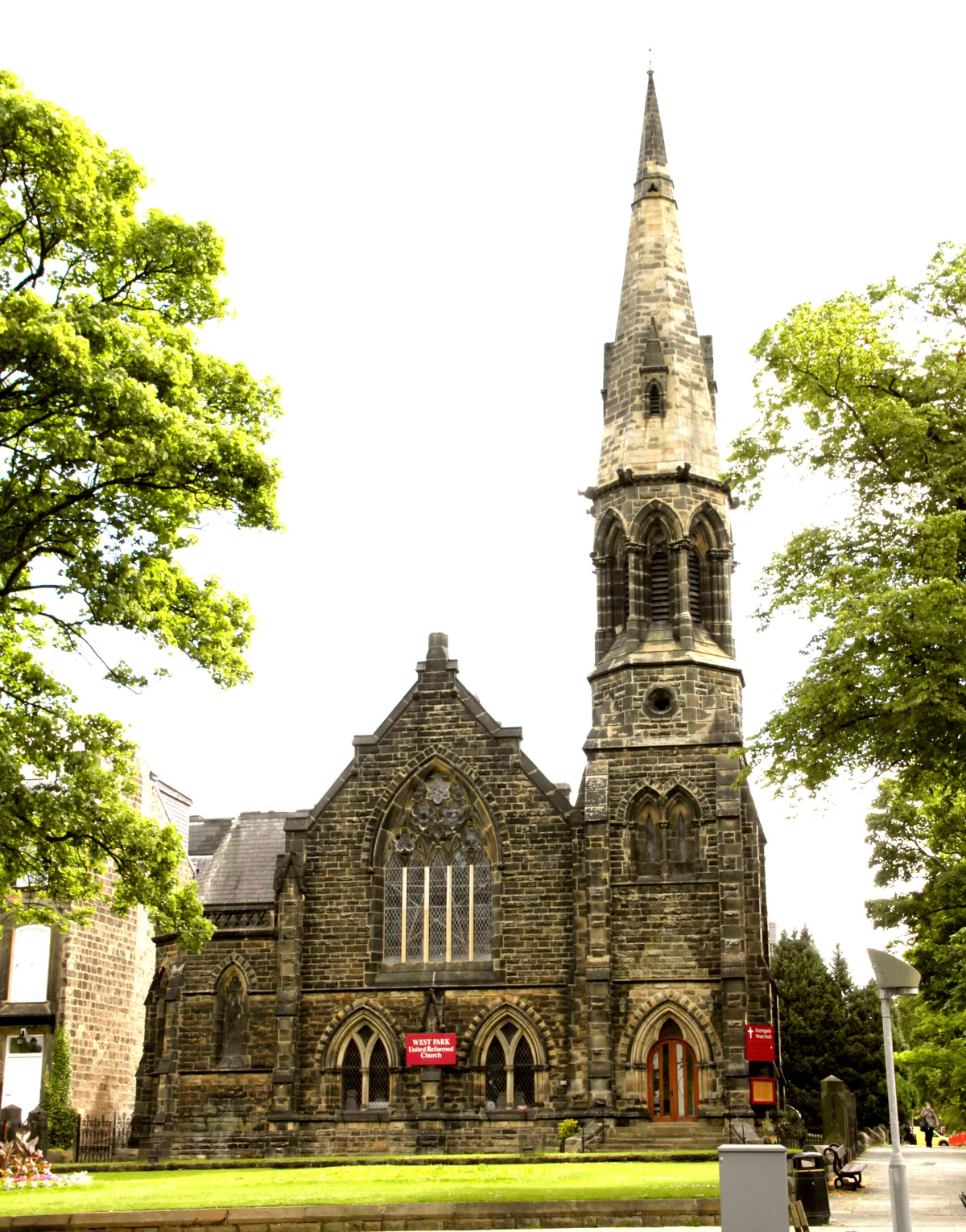
West Park United Reformed Church, Harrogate
Historic churches · 0.2 km
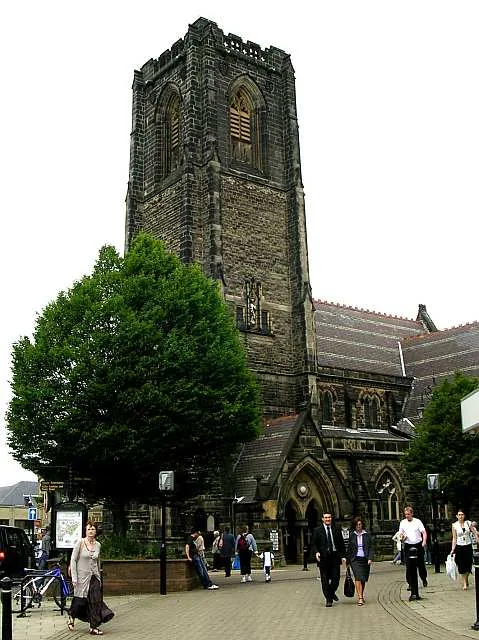
St Peter's Church, Harrogate
Historic churches · 0.3 km

Harrogate Islamic Association
Historic churches · 0.3 km

ABC Harrogate
Theatres · 0.3 km
.jpg?width=1200)
The Cenotaph
Memorials & monuments · 0.3 km
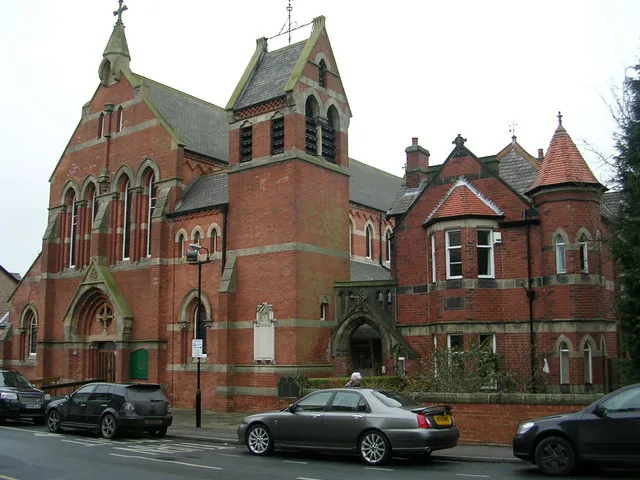
St. Robert's Church, Harrogate
Historic churches · 0.3 km

1-4, West Park
Gardens · 0.3 km
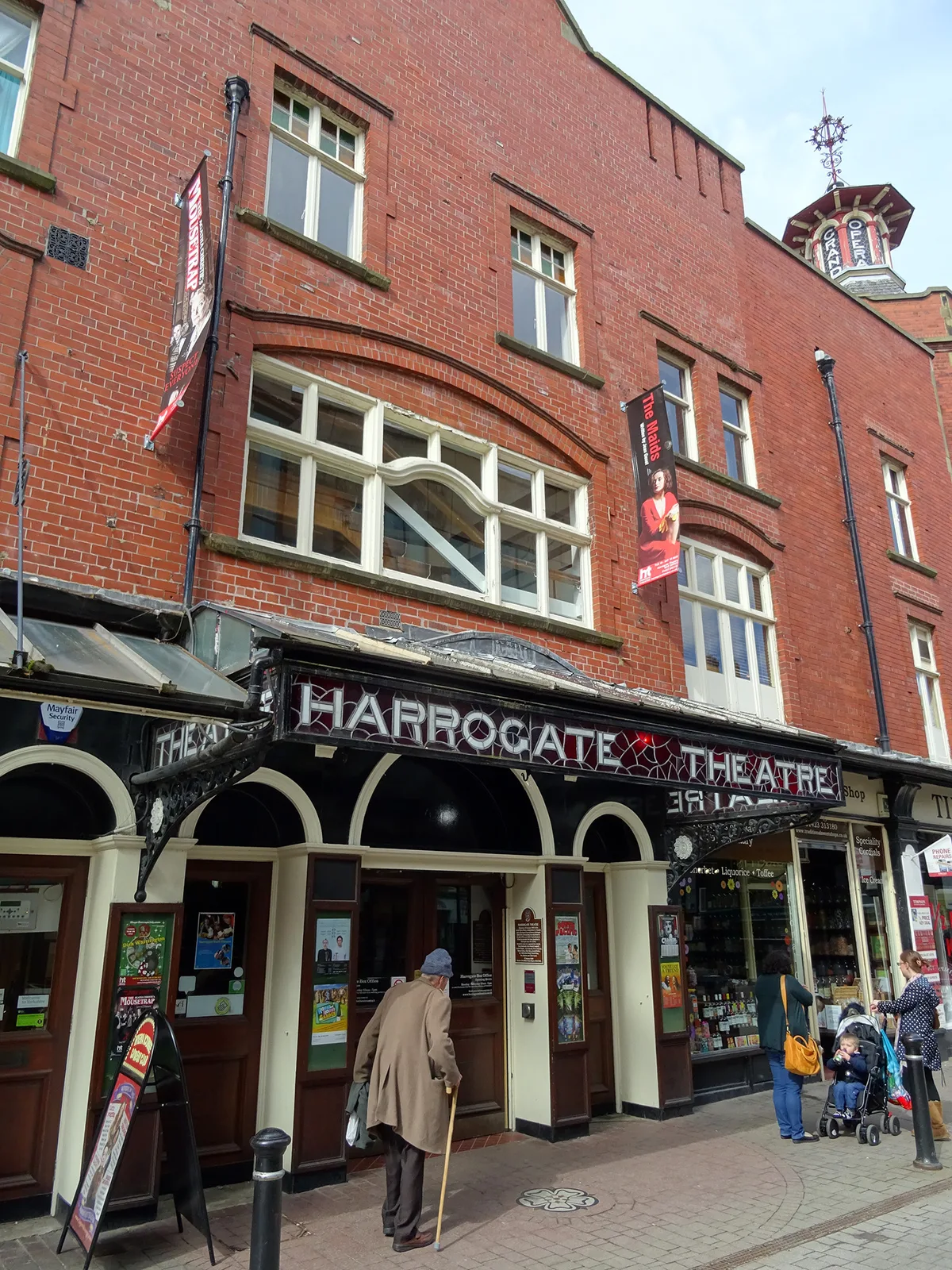
Harrogate Theatre
Theatres · 0.3 km
Nearby
📷 5Theatres · Yorkshire & the Humber
Everyman Harrogate
Everyman Harrogate — a cinema heritage in england-yorkshire, United Kingdom.
📷 5Historic churches · Yorkshire & the Humber
Harrogate Baptist Church
Harrogate Baptist Church — a Grade II-listed church in england-yorkshire, United Kingdom.
📷 4Theatres · Yorkshire & the Humber
Odeon Harrogate
Odeon Harrogate in England Yorkshire, United Kingdom.
📷 5Theatres · Yorkshire & the Humber
Gaumont Harrogate
Gaumont Harrogate — a cinema heritage in england-yorkshire, United Kingdom.
📷 4Historic churches · Yorkshire & the Humber
West Park United Reformed Church, Harrogate
West Park United Reformed Church, Harrogate — Grade II listed church in Harrogate, North Yorkshire, England, UK.
📷 5Historic churches · Yorkshire & the Humber
St Peter's Church, Harrogate
St Peter's Church, Harrogate — church in Harrogate, North Yorkshire, England, UK.
Where to eat & stay near Harrogate
Places to stay
 📷 5
📷 5Hotels · Yorkshire & the Humber
The Cedar Court Hotel
The Cedar Court Hotel — a hotel in england yorkshire.
 📷 5
📷 5 📷 5
📷 5Hotels · Yorkshire & the Humber
The Crown Hotel
The Crown Hotel — a hotel in england yorkshire.
 📷 5
📷 5Hotels · Yorkshire & the Humber
DoubleTree by Hilton Harrogate Majestic Hotel & Spa
DoubleTree by Hilton Harrogate Majestic Hotel & Spa — a hotel in england yorkshire. 4-star. Brand: DoubleTree by Hilton.
 📷 5
📷 5 📷 5
📷 5Caravan parks · Yorkshire & the Humber
Shaw's Trailer Park
Shaw's Trailer Park — a caravan park in england yorkshire.
Places to eat & drink
 📷 5
📷 5Historic pubs · Yorkshire & the Humber
Mother Shipton Inn
Mother Shipton Inn in England Yorkshire, United Kingdom.
 📷 3
📷 3 📷 5
📷 5Historic pubs · Yorkshire & the Humber
The Wellington Inn
The Wellington Inn in England Yorkshire, United Kingdom.
 📷 6
📷 6Historic pubs · Yorkshire & the Humber
Royal Oak Public House Next To No 2
Royal Oak Public House Next To No 2 in England Yorkshire, United Kingdom.
 📷 7
📷 7Historic pubs · Yorkshire & the Humber
Commercial Inn
Commercial Inn in England Yorkshire, United Kingdom.
 📷 7
📷 7Historic pubs · Yorkshire & the Humber
The Groves Inn
The Groves Inn in England Yorkshire, United Kingdom.
More museums in this region
 📷 3
📷 3Museums · Yorkshire & the Humber
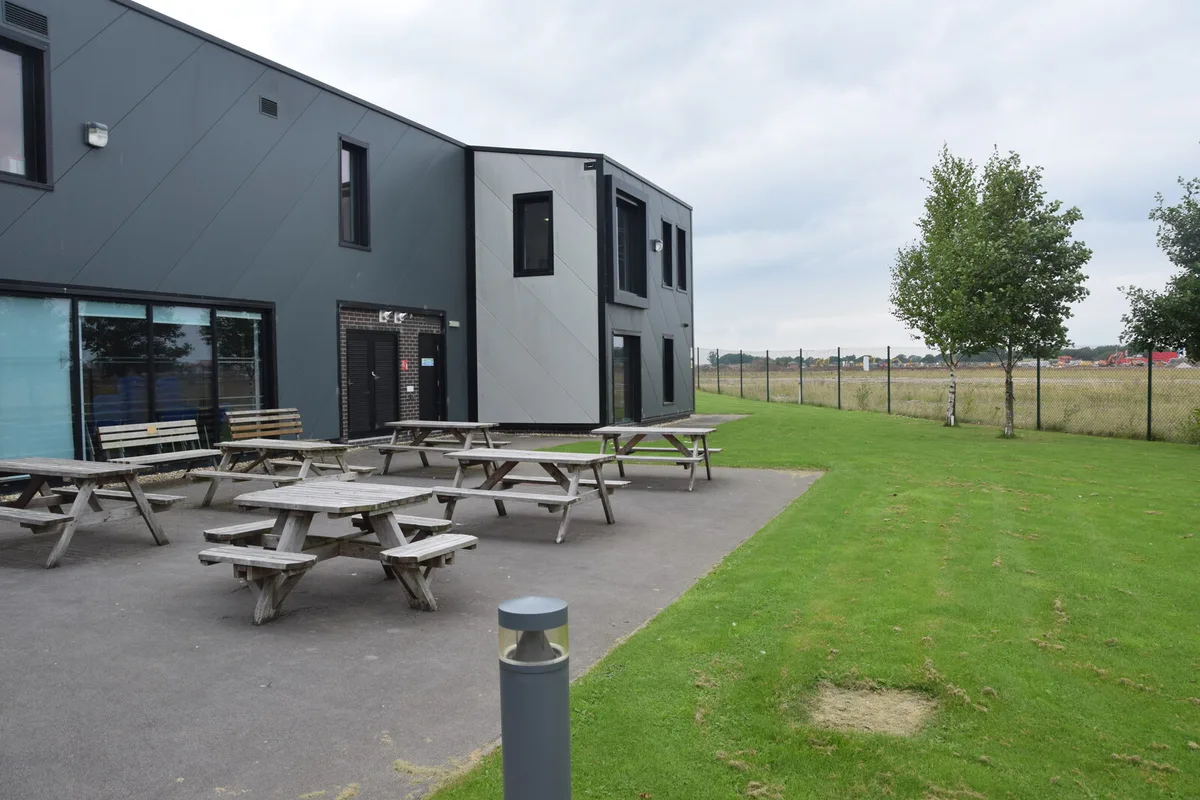
Avro Heritage Museum
Avro Heritage Museum — aviation museum in England.
 📷 5
📷 5Museums · Yorkshire & the Humber
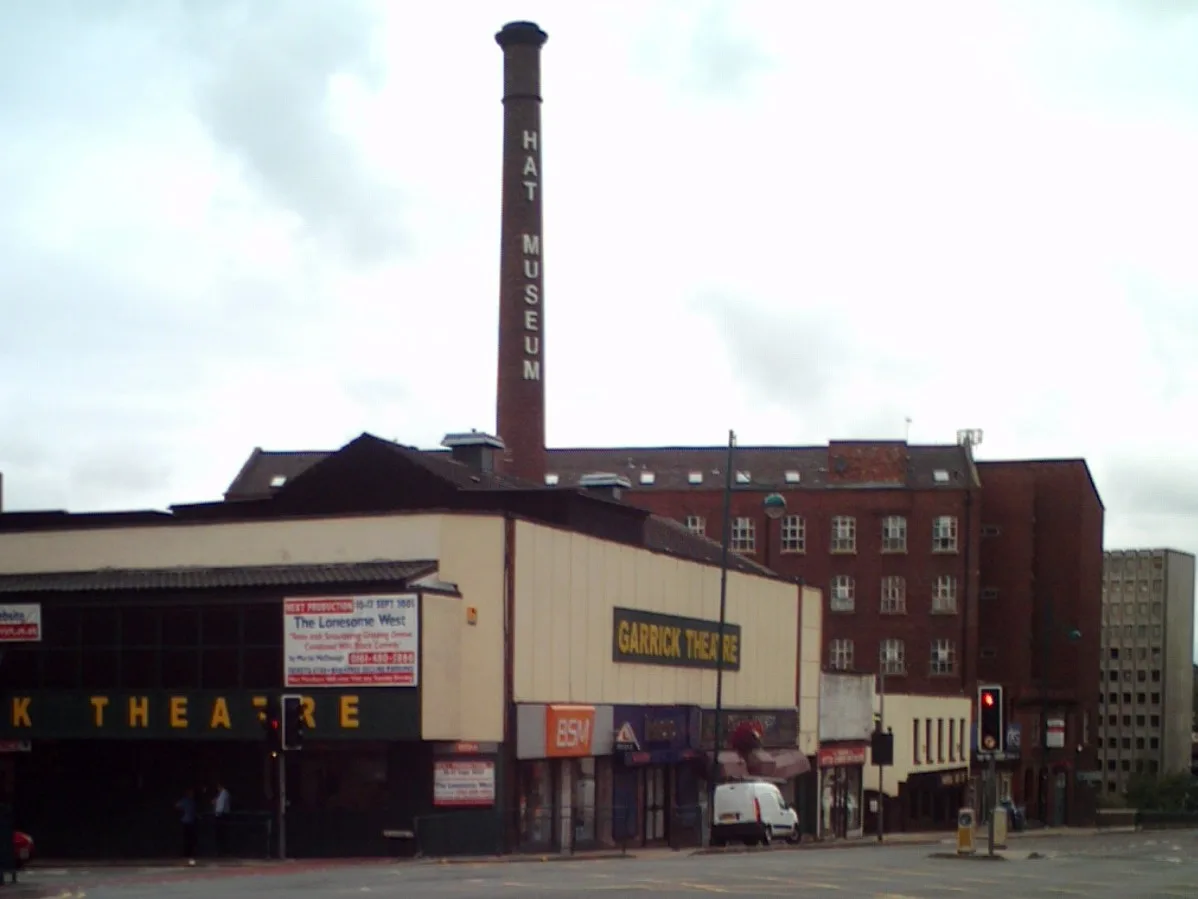
Hat Works
Hat Works — museum and former cotton mill Greater Manchester, England.
 📷 3
📷 3Museums · Yorkshire & the Humber
Anson Engine Museum
Anson Engine Museum — a museum in england-west-midlands, United Kingdom.
 📷 3
📷 3Museums · Yorkshire & the Humber
Portland Basin Museum
Portland Basin Museum — a museum in england-west-midlands, United Kingdom.
Frequently asked questions
- Where is Harrogate?
- Harrogate is in Yorkshire, United Kingdom (postcode HG1 1TE), in the parish of Harrogate.
- What is Harrogate?
- Harrogate ( HARR-ə-gət, -gayt, -ghit) is a spa town and civil parish in the district and county of North Yorkshire, England. Historically in the West Riding of Yorkshire, the town is a tourist desti
- How do I get to Harrogate?
- The nearest railway station is Harrogate, about 0.2 km away. The nearest town is Scriven. Drivers can use postcode HG1 1TE.
- How do I get to Harrogate?
- The nearest railway station is Harrogate, about 0.2 km away. Drivers can navigate to postcode HG1 1TE.