
Hill forts · North East England
Harbottle Castle
In or near Harbottle.
Harbottle Castle — Grade I listed archaeological site in Harbottle, Northumberland, England, UK.

Wikimedia Commons contributors — see linked file page for photographer and licence licence

Plan your visit
- Typical visit
- 1 h–2 h
- Free entry
- Dog-friendly
About
Harbottle Castle is a hill fort in the United Kingdom. Records date its origin to 1200. Heritage designation: scheduled monument. Wikidata describes it as: "Grade I listed archaeological site in Harbottle, Northumberland, England, UK". Coordinates: 55.3370°, -2.1090°.
Photo gallery
Protected designations
- Site of Special Scientific Interest: River Coquet and Coquet Valley Woodlands SSSI
Designations sourced from Natural England open data under OGL v3.
From the Wikipedia article
Harbottle Castle is a ruined medieval castle situated at the west end of the village of Harbottle, Northumberland, England, 9 miles (14 km) west-north-west of Rothbury overlooking the River Coquet. It is a Scheduled Ancient Monument and a Grade I listed building. It is thought that the mound on which the keep stands was a site used by the ancient Britons, and that in Anglian times, there was a stronghold on the site held by Mildred, son of Ackman. The present castle was built about 1160 by the Umfraville family at the request of King Henry II on land awarded to them following the Norman Conquest, presumably as a defence against the Scots. Not long after its erection, in 1174, it was taken by the Scots and was then rebuilt more strongly. In 1296, it was besieged by Robert de Ros, and some 40,000 men, but the siege by the supporters of John Balliol was withstood. In the 1310s, Robert the Bruce captured the castle. It was restored in 1336, but was in ruins again by 1351. It was repaired at the end of the 14th century, and in about 1436 the castle passed into the hands of the Tailleboys. It was for a long time the residence of the Warden of the Middle Marches and used as a prison. In 1515, Margaret Tudor, the widowed queen of King James IV of Scotland and sister of King Henry VIII of England, having been banished by the regent, John Stewart, Duke of Albany, came to the castle with her second husband, Archibald Douglas, 6th Earl of Angus. There, their daughter was born, who was also called Margaret. Margaret Douglas was to become the mother of Lord Darnley, the second husband of Mary, Queen of Scots, and grandmother of King James VI of Scotland and I of England. Further building work took place between 1541 and 1551 and more repairs were made in 1563 and in 1585. The castle became a royal property in 1546, and repairs were supervised by Sir John Forster, warden of the Middle Marches. According to a survey made in 1596, Forster had built a new gatehouse and a tower that…
Excerpt from Wikipedia under CC BY-SA 4.0. See the source article linked in Sources below.
- Coordinates
- 55.3370, -2.1090
- District
- Northumberland
- Parish
- Harbottle
- Postcode
- NE65 7DG
- Parliamentary constituency
- North Northumberland
- Established
- 1200
Sources
- wikidata: Q5654774 (CC0)
- wikipedia: Harbottle Castle (CC BY-SA 4.0)
- commons: Harbottle Castle - 2025-09-24 00-13-52 001.JPG (CC BY-SA 4.0)
Other places nearby

Motte and bailey castle and shell keep castle at Harbottle
Literary houses · 0.1 km

Harbottle
Towns & cities · 0.2 km

The Sad Castle
Memorials & monuments · 0.2 km

low alwinton limekiln
Archaeological sites · 1.0 km

Drake Stone
Viewpoints · 1.2 km

River Alwin
National parks · 1.4 km

Cold Law
Mountains & hills · 1.9 km
Cold Law
Mountains & hills · 1.9 km

Alwinton
Towns & cities · 1.9 km

Barrow Meadow
Wildlife reserves · 2.1 km

Holystone North Wood
Wildlife reserves · 2.4 km

Clennell Hall
Historic houses · 2.4 km
Nearby
📷 5Literary houses · North East England
Motte and bailey castle and shell keep castle at Harbottle
Motte and bailey castle and shell keep castle at Harbottle — a literary house museum in scotland lowlands.
📷 5Towns & cities · North East England
Harbottle
Harbottle — village and civil parish in Northumberland, United Kingdom.
📷 3Memorials & monuments · North East England
The Sad Castle
The Sad Castle is a memorial in the United Kingdom.
📷 3Archaeological sites · North East England
low alwinton limekiln
low alwinton limekiln — a archaeological in scotland-lowlands, United Kingdom.
📷 3📷 4National parks · North East England
River Alwin
River Alwin in England North East, United Kingdom.
Where to eat & stay near Harbottle Castle
Places to stay
 📷 5
📷 5Campsites · North East England
Firing Point - Farm
Firing Point - Farm — a campsite in scotland lowlands.
 📷 5
📷 5 📷 5
📷 5 📷 5
📷 5Hotels · North East England
William de Percy
William de Percy — a hotel in scotland lowlands.
 📷 5
📷 5Caravan parks · North East England
Whitton Glebe Caravan Park
Whitton Glebe Caravan Park — a caravan park in scotland lowlands.
 📷 7
📷 7Hotels · North East England
Newcastle House Hotel
Newcastle House Hotel — a hotel in scotland lowlands.
Places to eat & drink
 📷 5
📷 5Historic pubs · North East England
The Redesdale Arms
The Redesdale Arms in Scotland Lowlands, United Kingdom.
 📷 7
📷 7Historic pubs · North East England
Bridge Of Aln Hotel
Bridge Of Aln Hotel in Scotland Lowlands, United Kingdom.
 📷 7
📷 7Historic pubs · North East England
Plough Inn With Outbuilding To North
Plough Inn With Outbuilding To North in Scotland Lowlands, United Kingdom.
 📷 7
📷 7 📷 5
📷 5Historic pubs · North East England
The Anglers Arms
The Anglers Arms in Scotland Lowlands, United Kingdom.
 📷 7
📷 7Other places from this era
 📷 5
📷 5Hill forts · South East England
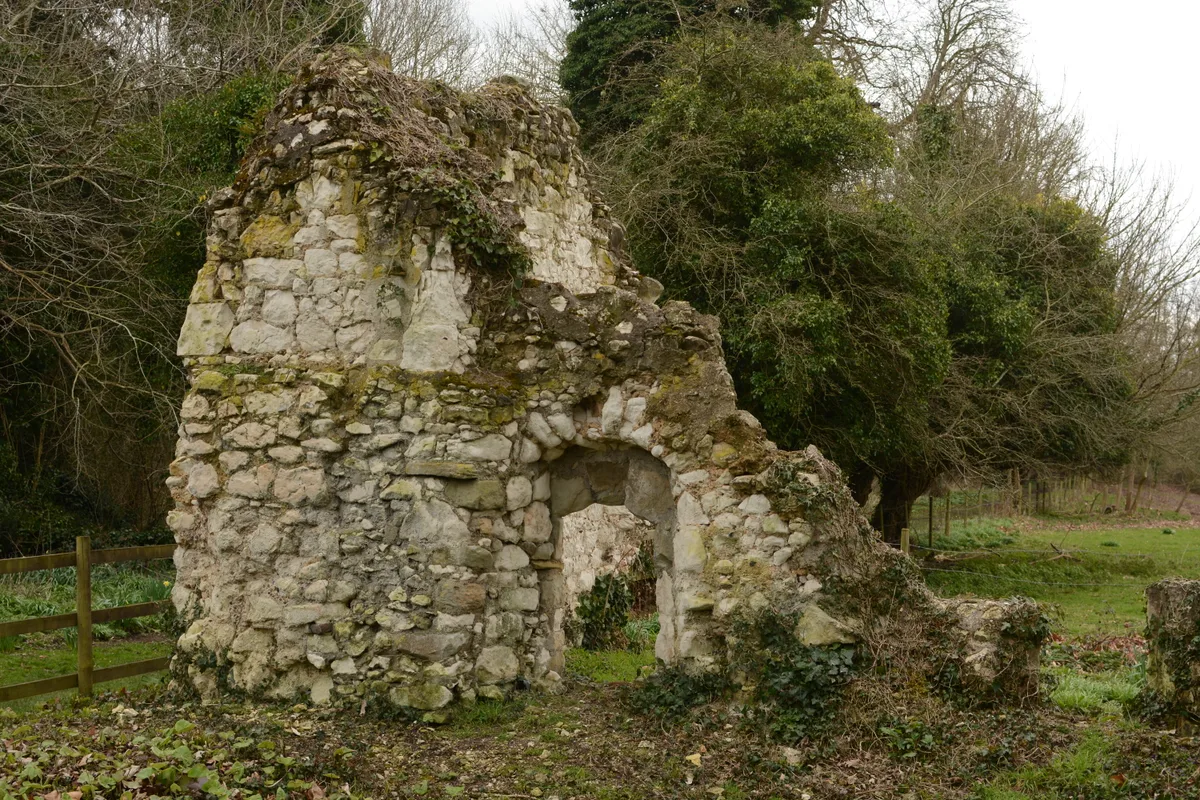
Ankerwycke Priory
Ankerwycke Priory — Benedictine nunnery with associated moat and fishponds.
 📷 5
📷 5Hill forts · South East England
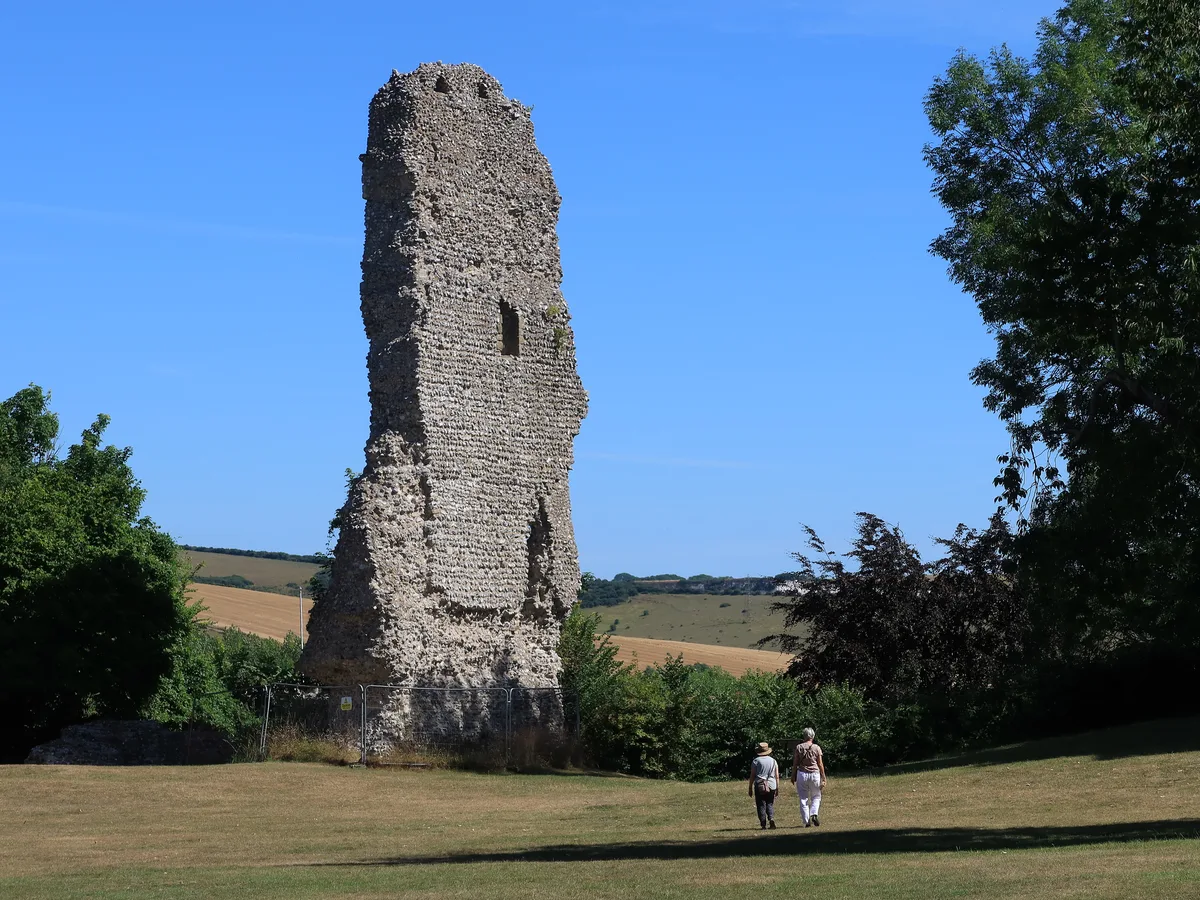
Bramber Castle
Bramber Castle — Norman castle in Bamber, West Sussex, England, UK.
 📷 3
📷 3Hill forts · South East England
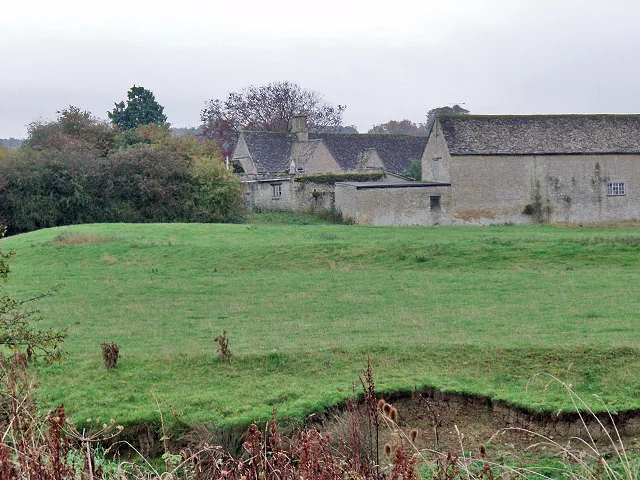
Ascot d'Oilly Castle
Ascot d'Oilly Castle — castle in Oxfordshire, England, UK.
 📷 5
📷 5Hill forts · South West England
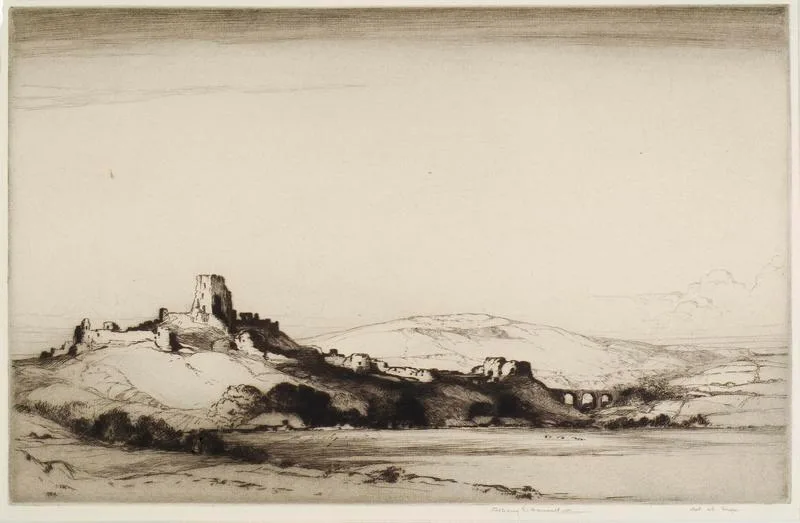
Corfe Castle
Corfe Castle — fortification in Dorset, England, UK.
More places in this region
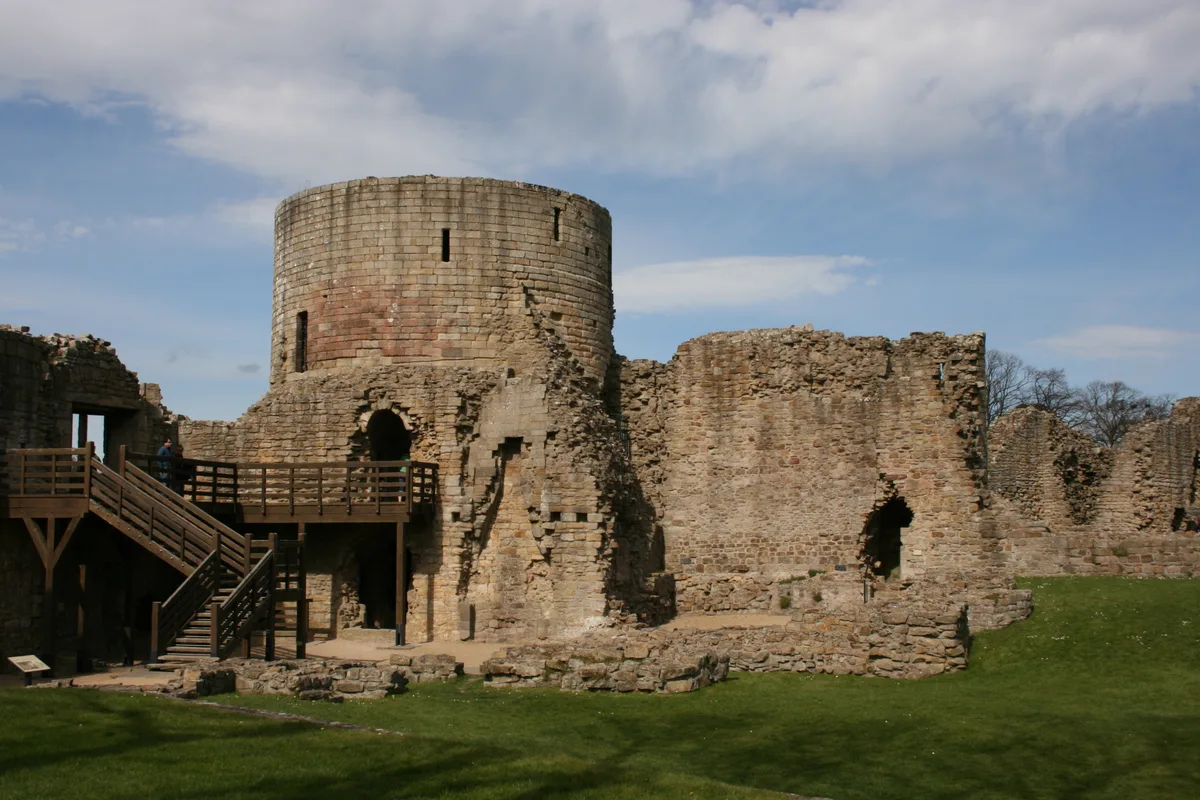 📷 3
📷 3Hill forts · North East England
Barnard Castle
Barnard Castle is a hill fort in the United Kingdom.
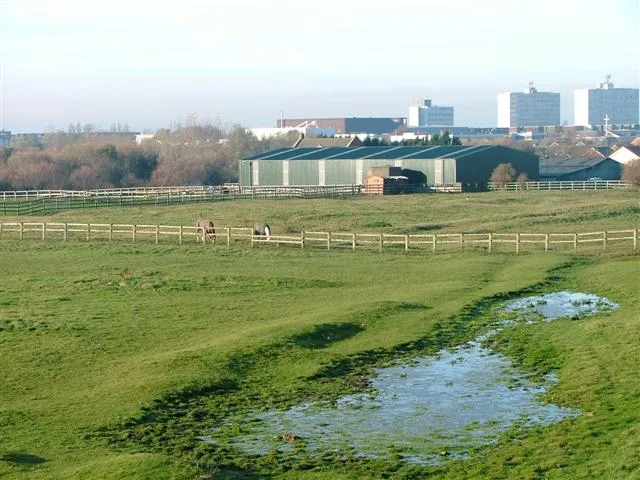 📷 3
📷 3Hill forts · North East England
Stainsby
Stainsby — abandoned village in North Yorkshire, England, UK.
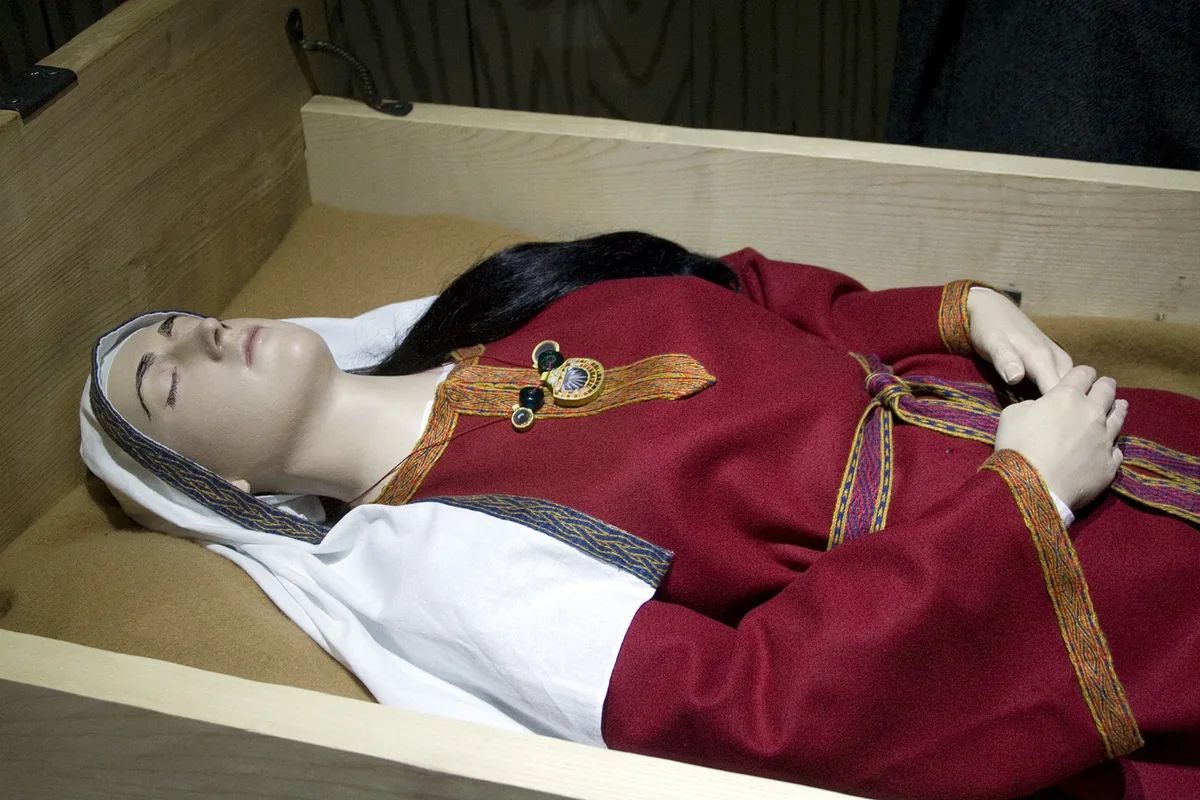 📷 4
📷 4Hill forts · North East England
Street House Anglo-Saxon cemetery
Street House Anglo-Saxon cemetery — cemetery in North Yorkshire, England.
 📷 3
📷 3Hill forts · North East England
Pittington Hill
Pittington Hill in England North East, United Kingdom.
Frequently asked questions
- Where is Harbottle Castle?
- Harbottle Castle is in North-East England, United Kingdom (postcode NE65 7DG), in the parish of Harbottle.
- What is Harbottle Castle?
- Harbottle Castle — Grade I listed archaeological site in Harbottle, Northumberland, England, UK.
- How do I get to Harbottle Castle?
- The nearest town is Harbottle. Drivers can use postcode NE65 7DG.
- When was Harbottle Castle built?
- Built or established in 1200.
- Is Harbottle Castle a listed building?
- Harbottle Castle is officially recognised as scheduled monument listed.
- Is Harbottle Castle a protected site?
- Yes — Harbottle Castle is part of the River Coquet and Coquet Valley Woodlands SSSI Site of Special Scientific Interest.
- Is Harbottle Castle free to visit?
- Yes, Harbottle Castle is free to enter.
- How do I get to Harbottle Castle?
- Drivers can navigate to postcode NE65 7DG. It sits within the North Northumberland parliamentary constituency.