
Wildlife reserves · North West England
Hale Duck Decoy
In or near Whiston.
Hale Duck Decoy — duck decoy and nature reserve in Halton, Cheshire, England, UK.

Wikimedia Commons contributors — see linked file page for photographer and licence licence

Plan your visit
- Typical visit
- 2 h–4 h
- Best time of year
- Autumn & winter (migration & wildfowl)
- Nearest railway station
- Runcorn · 3.0 km
- Free entry
- Dog-friendly
Getting there & planning your visit
To visit Hale Duck Decoy, the nearest railway station is Runcorn, located 3 km away. The postcode for sat-nav is WA8 8LU, and entry to the reserve is free.
About
Hale Duck Decoy is a wildlife reserve in the United Kingdom. Heritage designation: scheduled monument. Wikidata describes it as: "duck decoy and nature reserve in Halton, Cheshire, England, UK". Coordinates: 53.3385°, -2.7853°.
Photo gallery
Protected designations
- Site of Special Scientific Interest: Mersey Estuary SSSI
- Ramsar wetland: Mersey Estuary
Designations sourced from Natural England open data under OGL v3.
From the Wikipedia article
Hale Duck Decoy is a duck decoy and nature reserve near the village of Hale, in Halton, Cheshire, England. The site is a Scheduled Ancient Monument and a Site of Special Scientific Interest. It is owned by the Fleetwood-Hesketh Estate and managed by Halton Borough Council together with a group of volunteers.
Excerpt from Wikipedia under CC BY-SA 4.0. See the source article linked in Sources below.
Background
History
The precise date of the construction of the duck decoy is not known, but there is evidence that it was built in the 17th century. Records show that in 1754 it was repaired and improved by its owner at that time, Colonel J. Blackburne. The decoy was part of the estate of Hale Hall, which had been owned by the Ireland Blackburne family since the 1600s. In the 1930s the estate was bought by the Fleetwood-Hesketh family, who still own it, but the decoy was allowed to deteriorate. In 1975 restoration of the site began, and it became a local nature reserve. The lease was taken over by Cheshire County Council, who sub-leased it to the Cheshire and Lancashire Conservation Trusts. The site was…
Description
The reserve covers an area of 3,084 hectares. The decoy consists of a central pond with five narrowing arms (known as pipes) radiating outward, giving it the shape of a pentagon. Between the pipes is woodland, and the whole area is surrounded by a moat 16 feet wide, which is crossed by a swing bridge. Within the site is the restored gamekeeper's hut. This contains display materials and information brochures. Also in the site, near to the area of the boat house is an inscribed stone. The inscription reads "XRC: 63", and it has been suggested that it is a date stone, giving a date of 1633.
Visiting
The duck decoy is managed by a group of volunteers called The Friends of Pickerings Pasture and Hale Duck Decoy. The site is a designated Scheduled Ancient Monument. The woodland on the site is subject to a Tree Preservation Order, and the site and salt marsh around it is part of the Mersey Estuary Site of Special Scientific Interest. Guided walks for the general public are organised by arrangement with the Friends of Pickerings Pasture. In November 2018 the site was placed on Historic England's Heritage at Risk list and was described as "neglected".
Sourced from Wikipedia under CC BY-SA 4.0.
- Coordinates
- 53.3385, -2.7853
- District
- Halton
- Parish
- Halebank
- Postcode
- WA8 8LU
- Parliamentary constituency
- Widnes and Halewood
- Nearest railway station
- Runcorn — 3 km
Sources
- wikidata: Q5641391 (CC0)
- wikipedia: Hale Duck Decoy (CC BY-SA 4.0)
- commons: Hale-Duck Decoy 2.jpg (CC BY-SA 4.0)
Other places nearby

Childe of Hale
Public art & sculpture · 0.9 km
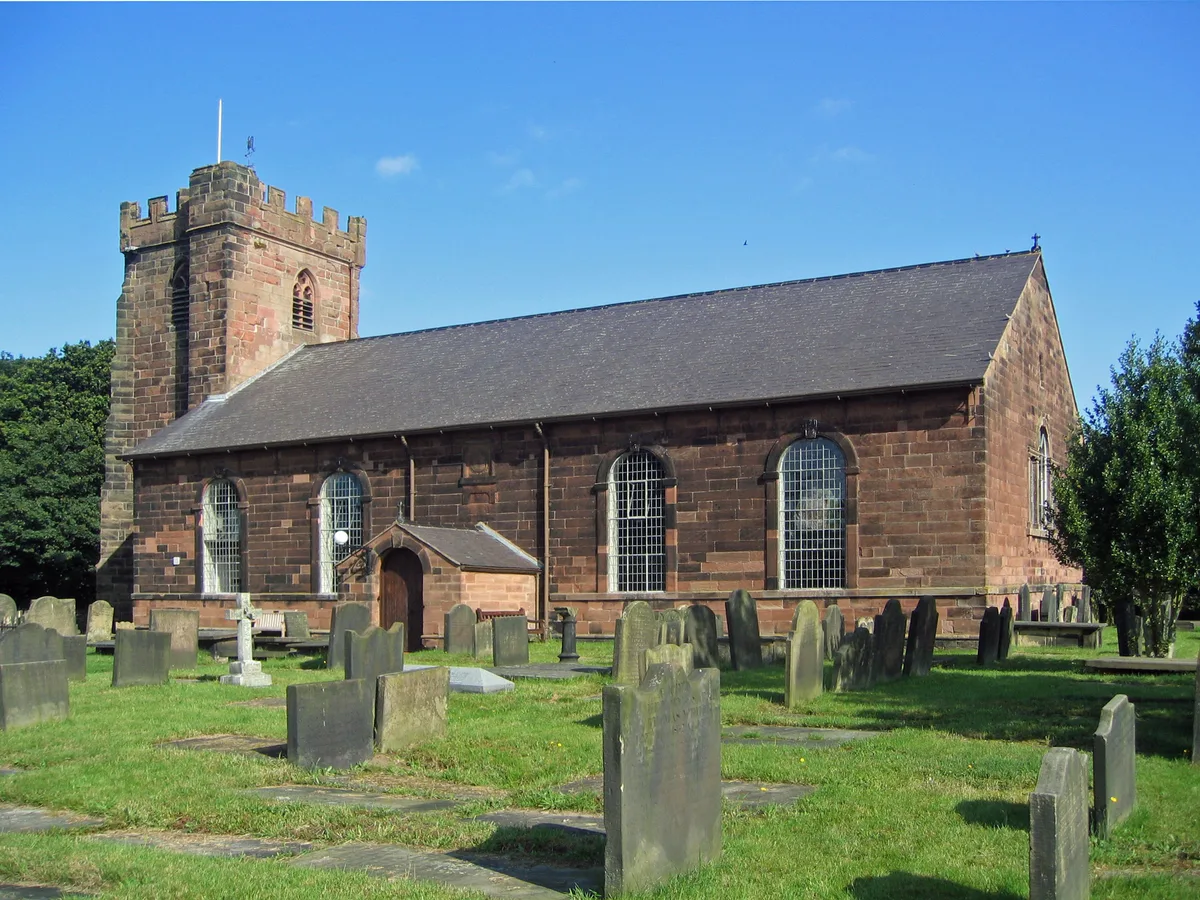
St Mary's Church, Hale
Historic churches · 0.9 km

Grave of John Middleton
Memorials & monuments · 0.9 km

Hale War Memorial
Memorials & monuments · 1.0 km
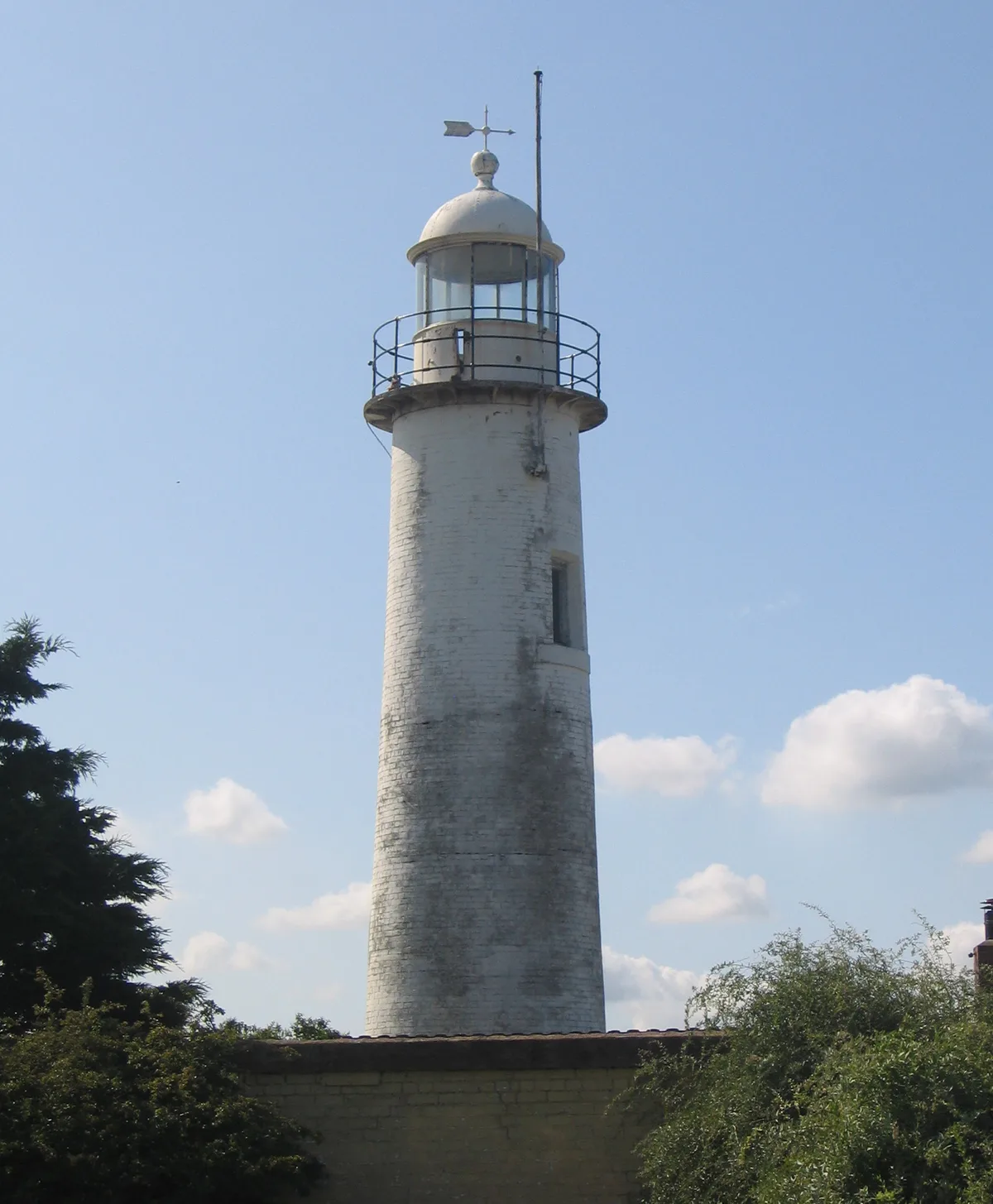
Hale Head Lighthouse
Lighthouses · 1.9 km
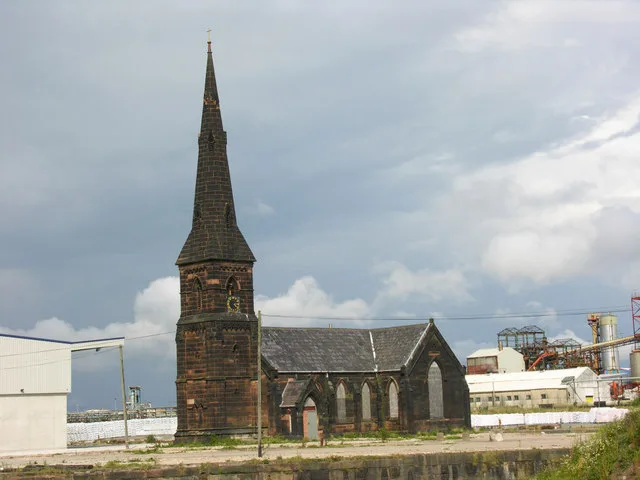
Christ Church, Weston Point
Historic churches · 1.9 km

Lovels Hall and Moat c.1450
Forts · 2.1 km
Lovels Hall and Moat c.1450
Forts · 2.1 km

Port of Runcorn
Harbours & ports · 2.3 km

Weston Point
Villages · 2.3 km

Bridgewater House
Historic houses · 2.7 km
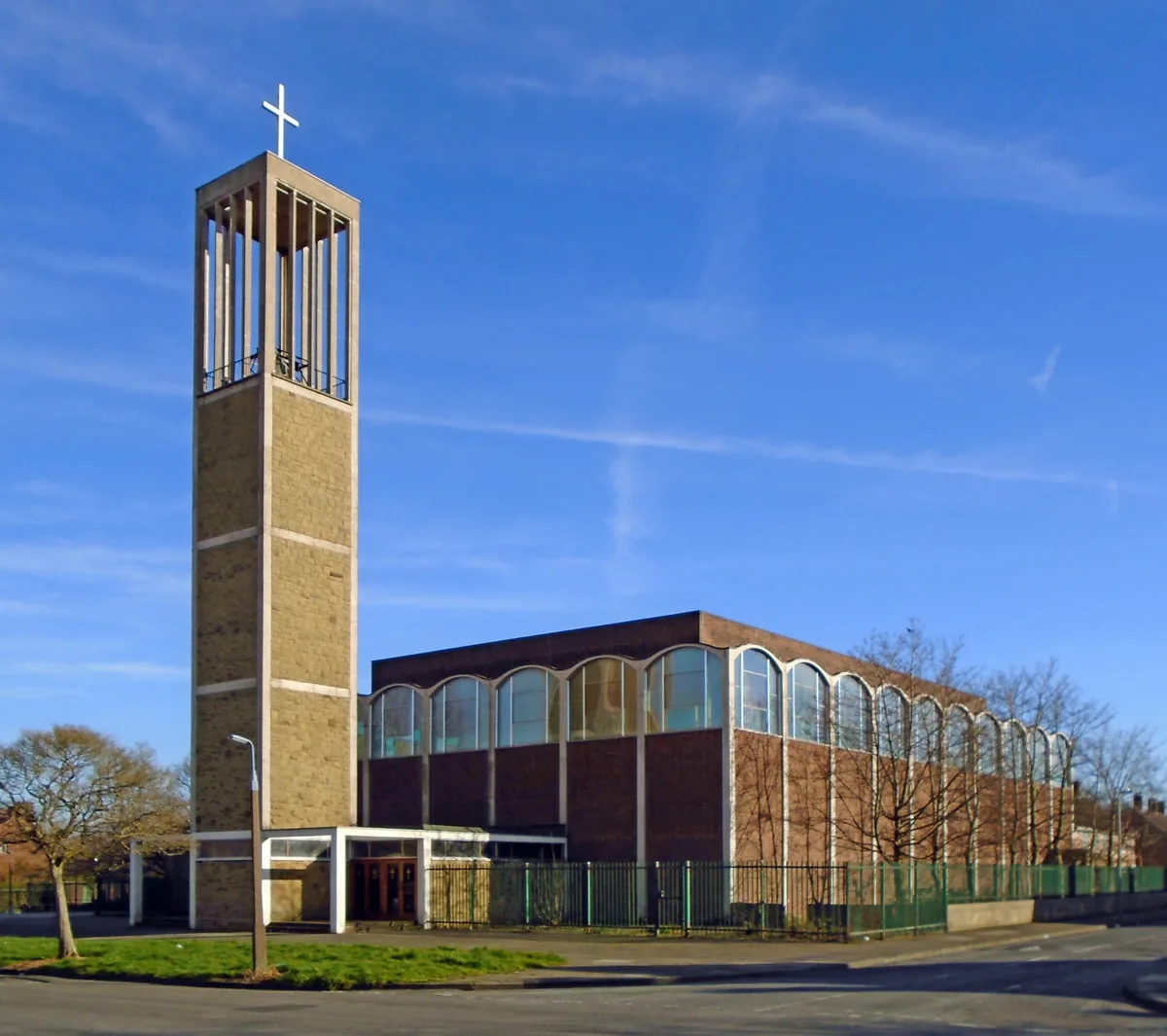
St Ambrose's Church, Speke
Historic churches · 2.8 km
Nearby
📷 3Public art & sculpture · North West England
Childe of Hale
Childe of Hale — a public art in wales-north, United Kingdom.
📷 3Historic churches · North West England
St Mary's Church, Hale
St Mary's Church, Hale — grade II listed church in Cheshire, England, UK.
📷 3Memorials & monuments · North West England
Grave of John Middleton
Grave of John Middleton — a memorial in wales-north, United Kingdom.
📷 3Memorials & monuments · North West England
Hale War Memorial
Hale War Memorial is a memorial in the United Kingdom.
📷 3Lighthouses · North West England
Hale Head Lighthouse
Hale Head Lighthouse — lighthouse built 1906.
📷 3Historic churches · North West England
Christ Church, Weston Point
Christ Church, Weston Point — church in Runcorn, Cheshire, England, UK.
Where to eat & stay near Hale Duck Decoy
Places to stay
 📷 5
📷 5Caravan parks · North West England
Small Acre Caravan Park
Small Acre Caravan Park — a caravan park in wales north.
 📷 5
📷 5Hotels · North West England
Hampton by Hilton Liverpool/John Lennon Airport
Hampton by Hilton Liverpool/John Lennon Airport — a hotel in wales north. 3-star. Brand: Hampton.
 📷 5
📷 5 📷 5
📷 5Caravan parks · North West England
The Old Pumping Station
The Old Pumping Station — a caravan park in wales north.
 📷 5
📷 5Campsites · North West England
Sunny Side Naturist Camp
Sunny Side Naturist Camp — a campsite in wales north.
 📷 5
📷 5Places to eat & drink
 📷 5
📷 5Historic pubs · North West England
The Norton Arms Public House
The Norton Arms Public House in Wales North, United Kingdom.
 📷 5
📷 5Historic pubs · North West England
Castle Hotel, Halton
Castle Hotel, Halton in Wales North, United Kingdom.
 📷 5
📷 5Historic pubs · North West England
Bear's Paw Hotel, Frodsham
Bear's Paw Hotel, Frodsham in Wales North, United Kingdom.
 📷 3
📷 3Historic pubs · North West England
Tricorn
Tricorn — Historic pub — listed building or notable heritage status.
 📷 5
📷 5Historic pubs · North West England
Allerton Hall
Allerton Hall in Wales North, United Kingdom.
 📷 5
📷 5Historic pubs · North West England
Rake Hall
Rake Hall in Wales North, United Kingdom.
More places in this region
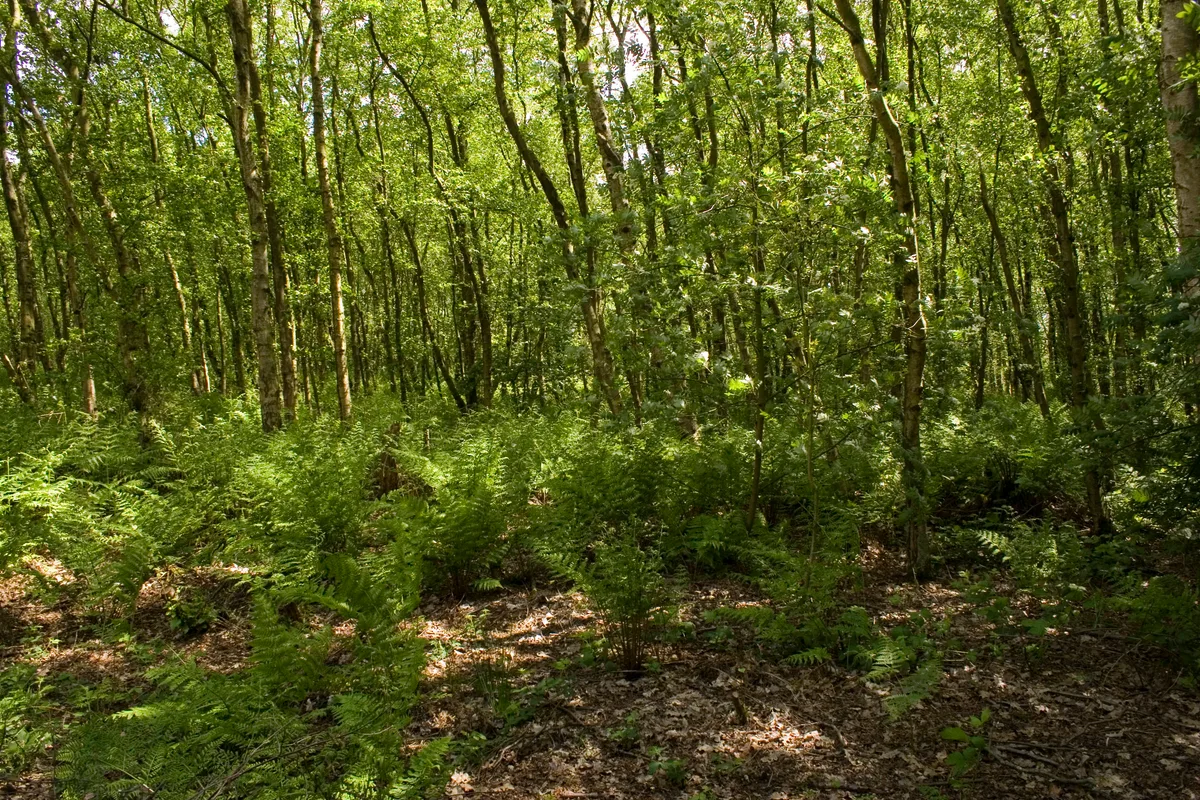 📷 3
📷 3Wildlife reserves · North West England
Birch Moss Covert Nature Reserve
Birch Moss Covert Nature Reserve is a wildlife reserve in the United Kingdom.
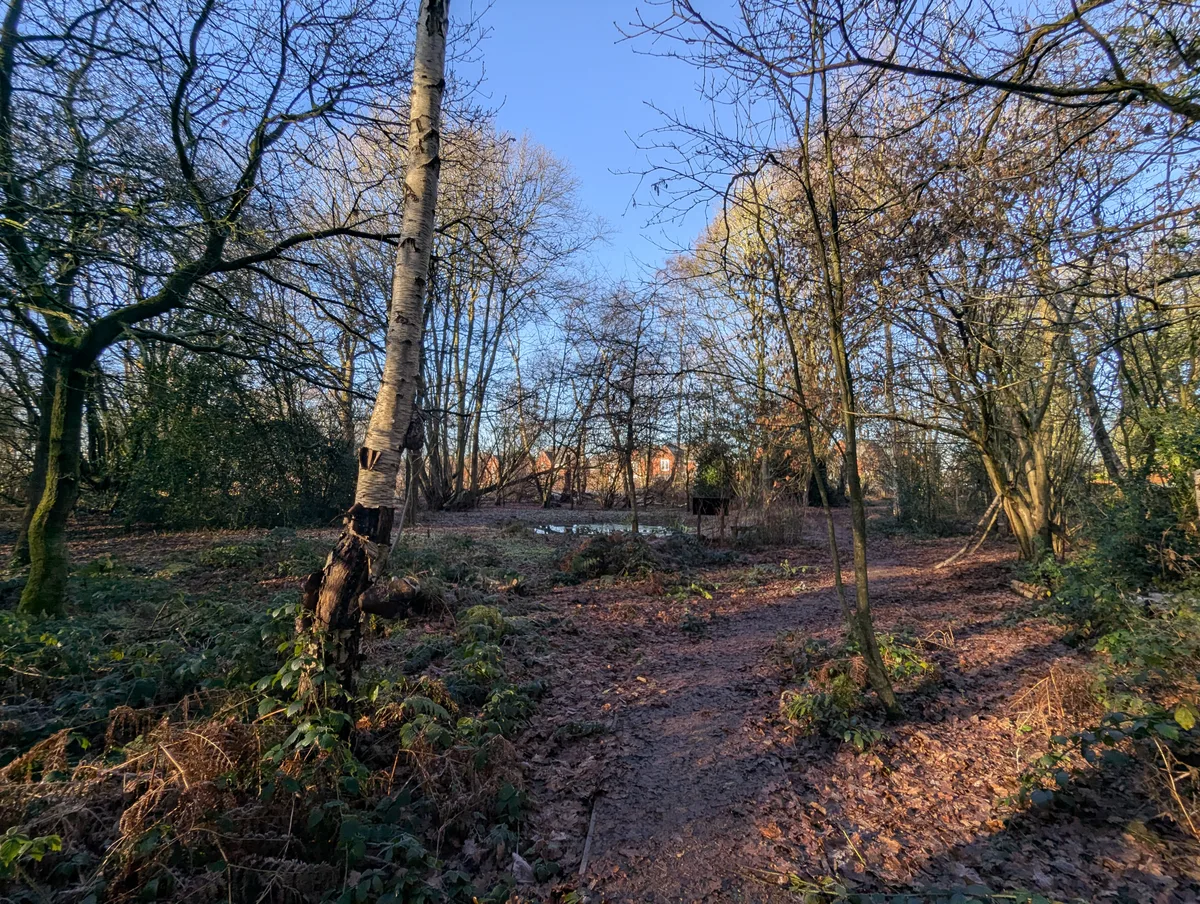 📷 3
📷 3Wildlife reserves · North West England
Black Firs Wood Nature Reserve
Black Firs Wood Nature Reserve is a wildlife reserve in the United Kingdom.
 📷 3
📷 3Wildlife reserves · North West England
Black Moss Covert Nature Reserve
Black Moss Covert Nature Reserve — nature reserve in Greater Manchester, England.
 📷 3
📷 3Wildlife reserves · North West England
Brookheys Covert Nature Reserve
Brookheys Covert Nature Reserve is a wildlife reserve in the United Kingdom.
Frequently asked questions
- Where is Hale Duck Decoy?
- Hale Duck Decoy is in North-West England, United Kingdom (postcode WA8 8LU), in the parish of Halebank.
- What is Hale Duck Decoy?
- Hale Duck Decoy — duck decoy and nature reserve in Halton, Cheshire, England, UK.
- How do I get to Hale Duck Decoy?
- The nearest railway station is Runcorn, about 3.0 km away. The nearest town is Whiston. Drivers can use postcode WA8 8LU.
- Is Hale Duck Decoy a listed building?
- Hale Duck Decoy is officially recognised as scheduled monument listed.
- Is Hale Duck Decoy a protected site?
- Yes — Hale Duck Decoy is part of the Mersey Estuary SSSI Site of Special Scientific Interest and the Mersey Estuary Ramsar wetland.
- Is Hale Duck Decoy free to visit?
- Yes, Hale Duck Decoy is free to enter.
- How do I get to Hale Duck Decoy?
- The nearest railway station is Runcorn, about 3.0 km away. Drivers can navigate to postcode WA8 8LU.
- Are dogs allowed at Hale Duck Decoy?
- Most wildlife reserves allow dogs on lead only, with restrictions during ground-nesting bird season (March-July). Check signage at the reserve.