
Historic houses · North Wales
Hafodunos
In or near Llangernyw.
Hafodunos — a Grade I-listed historic house in wales-north, United Kingdom.

Christine Johnstone — CC BY-SA 2.0 via Wikimedia Commons licence

Plan your visit
- Typical visit
- 1 h–2 h
- Nearest railway station
- Dolgarrog · 8.5 km
- Family-friendly
- Limited wheelchair access
Getting there & planning your visit
To visit Hafodunos, the nearest railway station is Dolgarrog, located 8.5 km away. The postcode for sat-nav is LL22 8TY. Please note that wheelchair access is limited.
About
Hafodunos is a Grade I-listed building in wales-north, United Kingdom. Grade I status is conferred by Historic England (or Cadw, Historic Environment Scotland or NIEA equivalents) on buildings of exceptional national interest. See the linked Wikipedia article for full historical and architectural details.
Photo gallery
From the Wikipedia article
Hafodunos Hall (Welsh: Plasty Hafodunos) is a Gothic Revival house located near the village of Llangernyw in Conwy County Borough, Wales. Designed by Sir George Gilbert Scott, it was built between 1861 and 1866 for Henry Robertson Sandbach, replacing a house that had been built in 1674. The house, of Venetian Gothic design, is considered Scott's second most important country house after Kelham Hall, Nottinghamshire, and arguably his most important Welsh building. Subject to a devastating fire in 2004, the ruins are currently being restored by a private owner. Hafodunos is a Grade I listed building. The grounds are a Registered Park and Garden with many of the buildings and structures in the grounds having their own listings.
Excerpt from Wikipedia under CC BY-SA 4.0. See the source article linked in Sources below.
Background
History
The site has been occupied since at least 1530 and a hall was built there in 1674, but the remains of houses prior to the present buildings are untraceable. The present Hafodunos Hall was designed in a Gothic Revival style by Sir Gilbert Scott, and built between 1861 and 1866 for Henry Robertson Sandbach, whose father, the slave-owner and merchant Samuel Sandbach, had bought the estate in 1830. Hafodunos is the only example of Scott's country house style in Wales and was the second domestic structure that was built by him, the first being Kelham Hall in Nottinghamshire. One of his sons, John Oldrid Scott, who was also an architect, was later employed in 1883 to design the elaborate…
Architecture
Hafodunos is a Venetian-inspired house in the Gothic style, "arguably, (Scott's) most important work in Wales". The house is of two storeys, with attics and an entrance tower. The interior of the hall was as lavish as the exterior. The most notable features are a series of plaster bas-reliefs designed by John Gibson, an international sculptor from Conwy who trained in Rome, and Bertel Thorvaldsen. Gibson was a close friend of the Sandbach family. There are also five more marble reliefs by Gibson from the house, and a statue of a Nymph by R. J. Wyatt, which are now at the Walker Art Gallery in Liverpool.
Sourced from Wikipedia under CC BY-SA 4.0.
- Coordinates
- 53.1883, -3.6963
- District
- Conwy
- Parish
- Llangernyw
- Postcode
- LL22 8TY
- Parliamentary constituency
- Bangor Aberconwy
- Established
- 1866
- Nearest railway station
- Dolgarrog — 8.5 km
Sources
Other places nearby
Hafodunos Hall
Castles · 0.0 km

Amgueddfa Syr Henry Jones Museum
Museums · 0.7 km

Raised Slab Monument to Harry Lloyd in churchyard of Church of St Digain
Memorials & monuments · 0.8 km
Church of St Digain
Historic churches · 0.9 km

Llangernyw Yew
Natural landmarks · 0.9 km

Group of 2 Monuments in churchyard to Church of St Digain
Memorials & monuments · 0.9 km

Pentre Felin Caravan Park
Caravan parks · 0.9 km
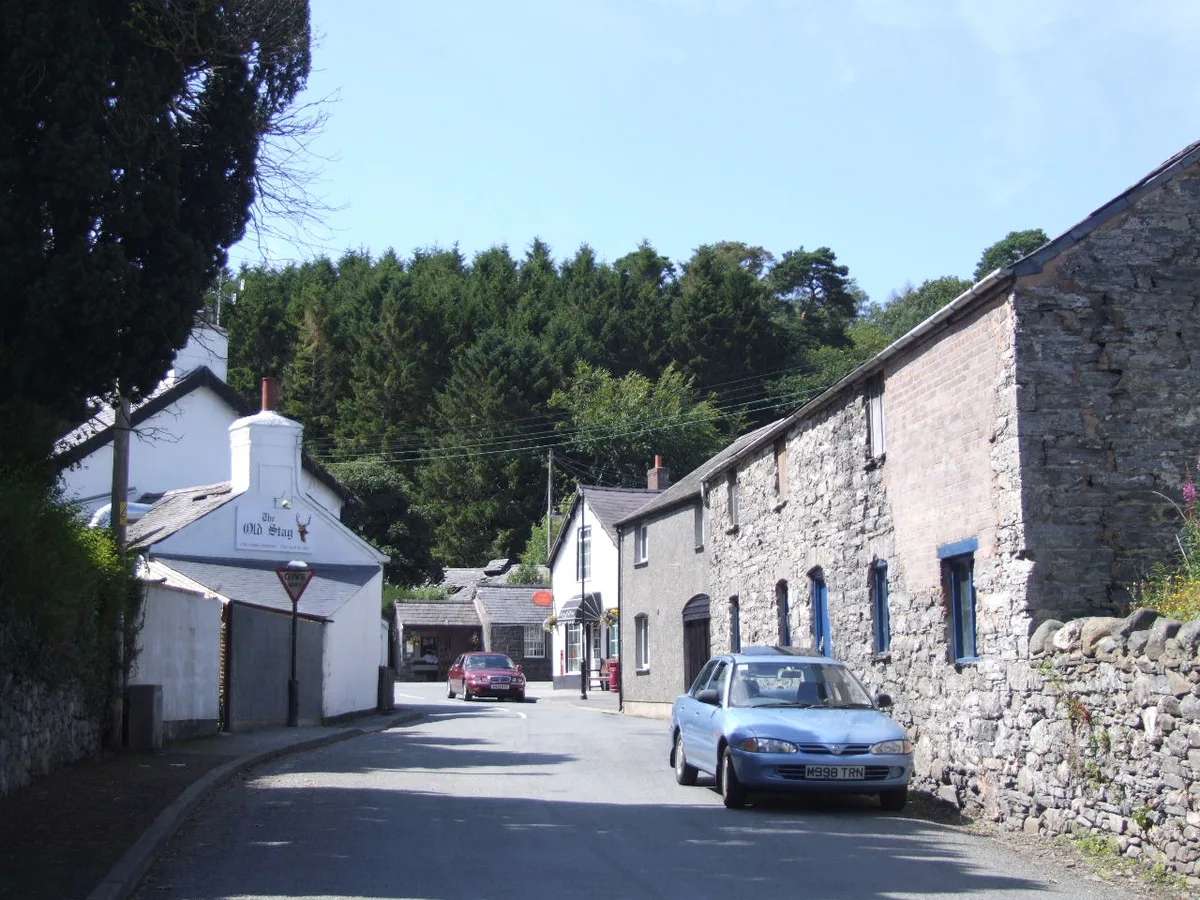
Llangernyw
Towns & cities · 0.9 km

Pont Faen
Historic bridges · 1.1 km

Moel Pentre Wern
Mountains & hills · 1.5 km
Pont Sylltu
Historic bridges · 1.6 km

Pont Ty'n-y-ddol
Historic bridges · 1.7 km
Nearby
📷 3📷 3Museums · North Wales
Amgueddfa Syr Henry Jones Museum
Amgueddfa Syr Henry Jones Museum — a museum in wales-north, United Kingdom.
📷 5Memorials & monuments · North Wales
Raised Slab Monument to Harry Lloyd in churchyard of Church of St Digain
Raised Slab Monument to Harry Lloyd in churchyard of Church of St Digain — Grade II listed building-listed memorial in wales-north, United Kingdom.
📷 5Historic churches · North Wales
Church of St Digain
Church of St Digain — Grade II* listed building-listed church in wales-north, United Kingdom.
📷 4Natural landmarks · North Wales
Llangernyw Yew
The Llangernyw Yew (Welsh: Yr Ywen hynafol yn Llangernyw) is an ancient yew (Taxus baccata) in the village of Llangernyw (pronounced [ɬanˈɡɛrnɨu] ), Conwy, Wales. The tree is fragmented and its core p
📷 5Memorials & monuments · North Wales
Group of 2 Monuments in churchyard to Church of St Digain
Group of 2 Monuments in churchyard to Church of St Digain — Grade II listed building-listed memorial in wales-north, United Kingdom.
Where to eat & stay near Hafodunos
Places to stay
📷 5Caravan parks · North Wales
Pentre Felin Caravan Park
Pentre Felin Caravan Park — a caravan park in wales north.
 📷 5
📷 5Caravan parks · North Wales
Pen Isaf Farm Caravan Park
Pen Isaf Farm Caravan Park — a caravan park in wales north.
 📷 5
📷 5 📷 4
📷 4 📷 5
📷 5 📷 5
📷 5Campsites · North Wales
Tŷ Clwyd Centre
Tŷ Clwyd Centre — a campsite in wales north.
Places to eat & drink
 📷 5
📷 5 📷 7📷 7
 📷 5
📷 5Restaurants · North Wales
Hickory's Smokehouse
Hickory's Smokehouse — a restaurant in wales north.
 📷 5
📷 5Historic pubs · North Wales
Penrhyn Old Hall
Penrhyn Old Hall in Wales North, United Kingdom.
 📷 5
📷 5Other works by George Gilbert Scott
 📷 5
📷 5Historic churches · London
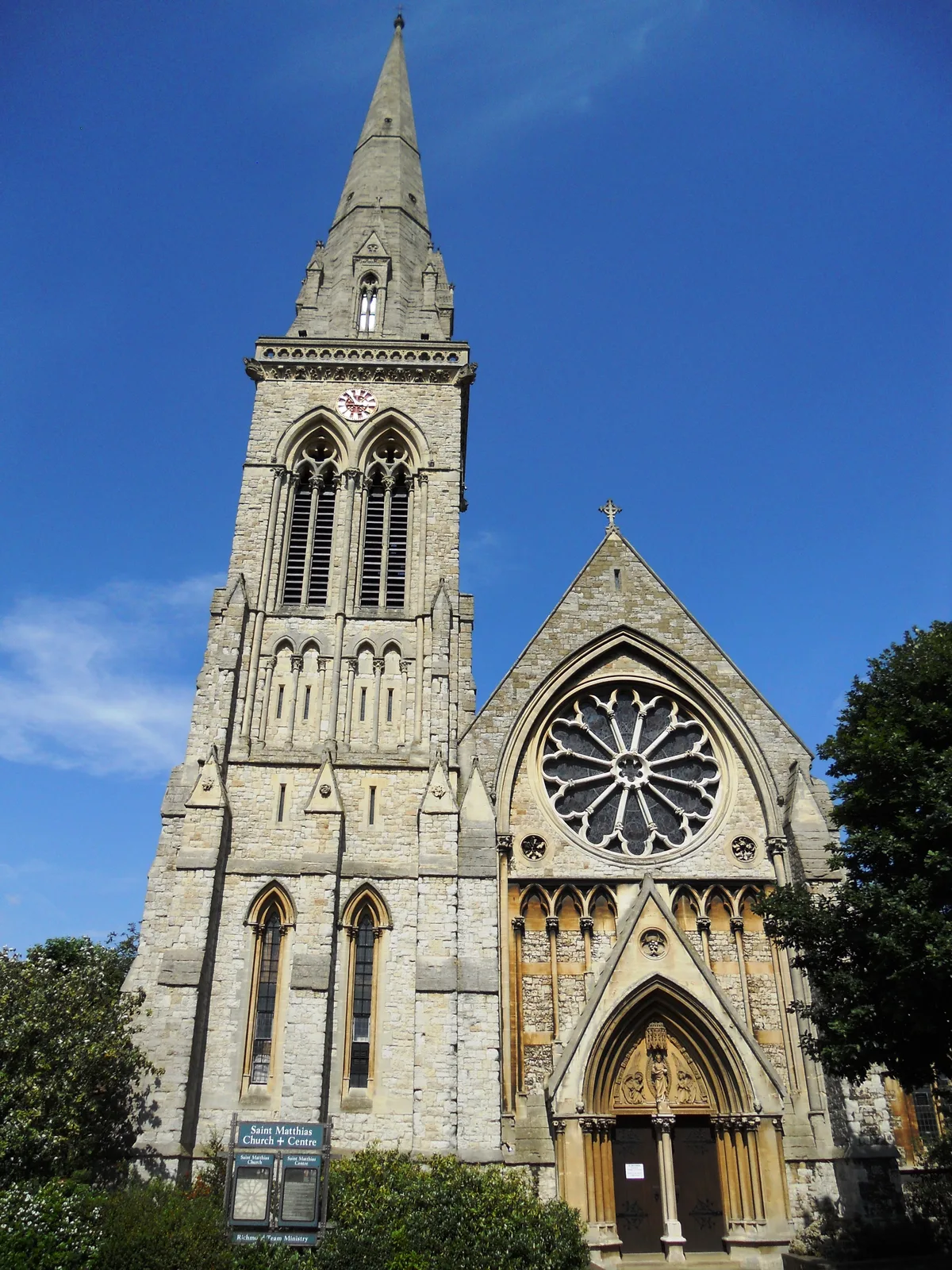
Church of St Matthias
Church of St Matthias — Anglican church in Richmond, London.
 📷 5
📷 5Historic churches · London
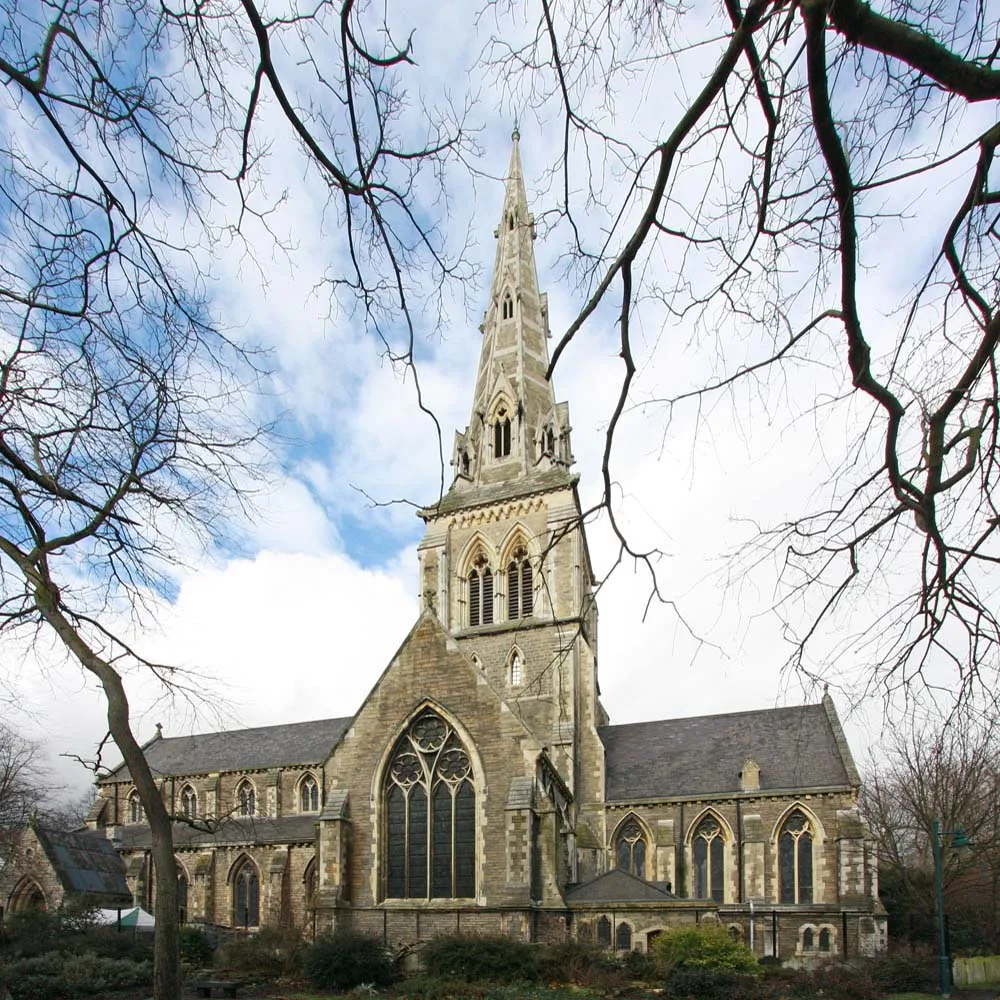
St Giles' Church, Camberwell
St Giles' Church, Camberwell is a historic church in the United Kingdom.
 📷 5
📷 5Historic churches · London
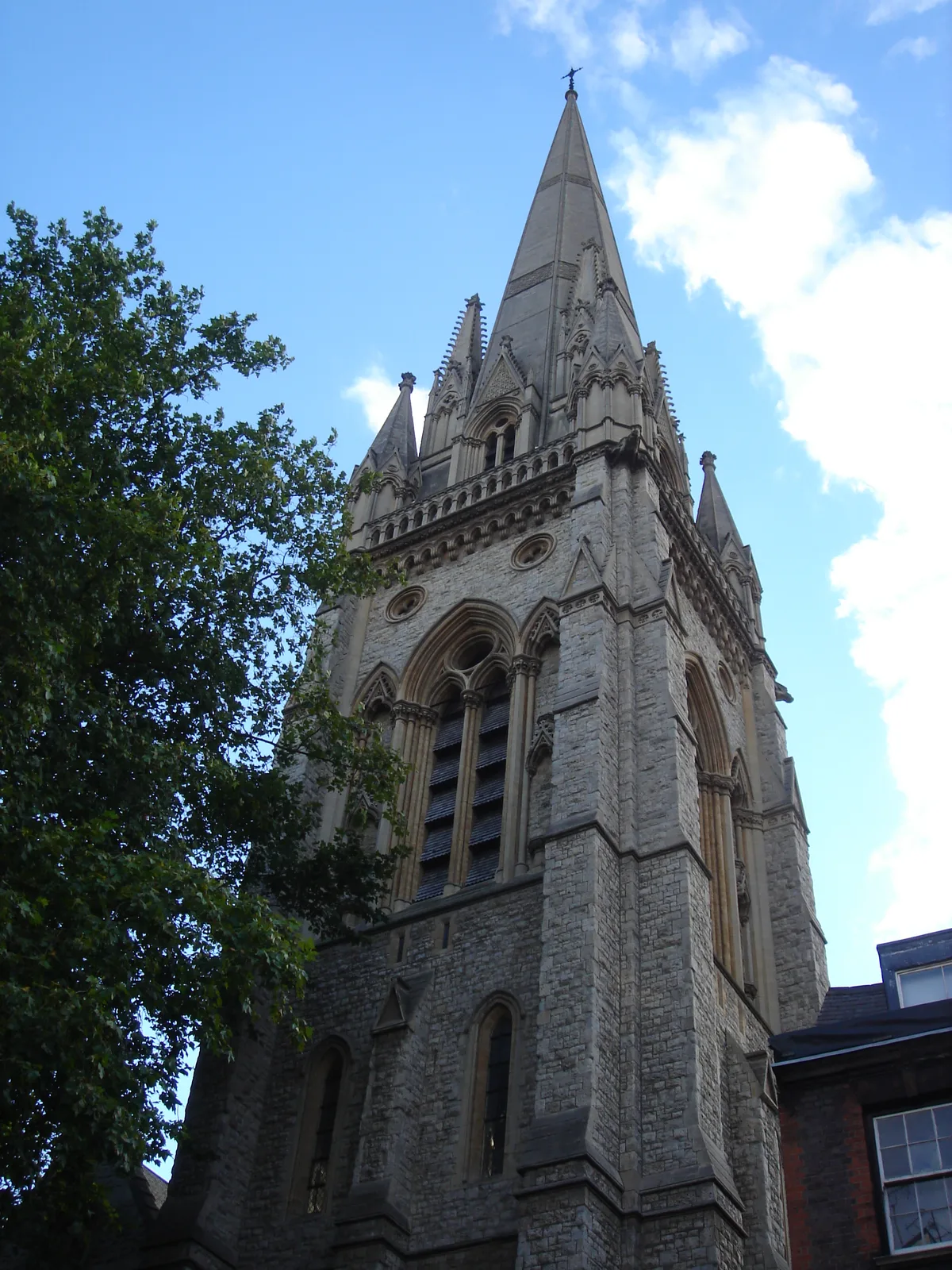
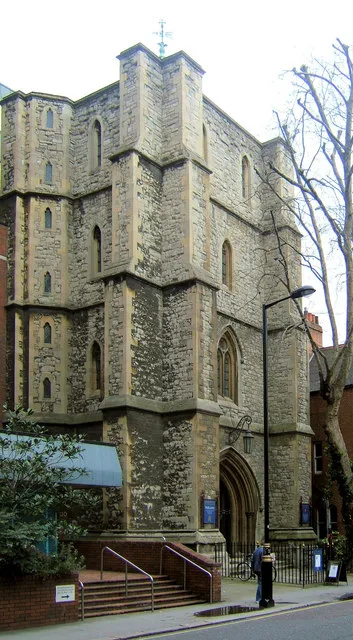
St Mary Abbots, Kensington
St Mary Abbots, Kensington — church in Royal Borough of Kensington and Chelsea, UK.
 📷 5
📷 5Historic churches · London
St Matthew's, Westminster
St Matthew's, Westminster — church building in Westminster, London, England, UK.
More historic houses in this region
 📷 3
📷 3Historic houses · North Wales
2 & 2A Record Street, Ruthin
2 & 2A Record Street, Ruthin — Grade II listed house in Ruthin, Denbighshire.
 📷 3
📷 3Historic houses · North Wales
Aberconwy House
Aberconwy House — historic house in Conwy, Wales.
 📷 3
📷 3 📷 3
📷 3Frequently asked questions
- Where is Hafodunos?
- Hafodunos is in North Wales, United Kingdom (postcode LL22 8TY), in the parish of Llangernyw.
- What is Hafodunos?
- Hafodunos — a Grade I-listed historic house in wales-north, United Kingdom.
- How do I get to Hafodunos?
- The nearest railway station is Dolgarrog, about 8.5 km away. The nearest town is Llangernyw. Drivers can use postcode LL22 8TY.
- When was Hafodunos built?
- Built or established in 1866. Designed by George Gilbert Scott.
- Who owns Hafodunos?
- Hafodunos is owned by Private owner.
- Is Hafodunos a listed building?
- Hafodunos is officially recognised as Grade I listed.
- How do I get to Hafodunos?
- Drivers can navigate to postcode LL22 8TY. It sits within the Bangor Aberconwy parliamentary constituency.