
Mines & mining heritage · South West England
Great Wheal Charlotte
In or near St Agnes.
Great Wheal Charlotte — Disused copper and tin mine in Cornwall, England.

Wikimedia Commons licence
Plan your visit
- Typical visit
- 1 h–2 h
- Nearest railway station
- Paul's Loop · 6.3 km
Getting there & planning your visit
To visit Great Wheal Charlotte, the nearest railway station is Paul's Loop, which is 6.3 km away. The postcode for sat-nav is TR5 0NS. Entry details are not specified.
About
Great Wheal Charlotte is a mine in the United Kingdom. Wikidata describes it as: "Disused copper and tin mine in Cornwall, England". Coordinates: 50.2963°, -5.2352°.
Photo gallery
Protected designations
- Site of Special Scientific Interest: Godrevy Head to St Agnes SSSI
- Area of Outstanding Natural Beauty: Cornwall
Designations sourced from Natural England open data under OGL v3.
From the Wikipedia article
Great Wheal Charlotte, also known as Wheal Charlotte, is an abandoned copper and tin mine lying between St Agnes and Porthtowan in Cornwall, England. All that is left of the mine now is the wall and door arch of an engine house and an adjacent fenced-off mine shaft. The surviving wall is surrounded by rock debris and the extensive remains of spoil tips, mostly of bare rock fragments crisscrossed by paths that link the South West Coast Path with surrounding land owned by the National Trust. Predominantly a copper producer, in its heyday, in the 1830s, the mine extracted ore containing 7.25% copper. It may have partially closed around 1840. However, ore production was high in this year, and records of output extend at least to 1856, and possibly to 1863.
Excerpt from Wikipedia under CC BY-SA 4.0. See the source article linked in Sources below.
Background
History
Tin mining in Cornwall can be traced back to medieval times and much earlier still; the tin was usually obtained from stream sediments or from freshly mined ore using open cast techniques. In the sixteenth century through to the eighteenth this was mostly carried out part-time by a land occupier and his family, or tenants, to supplement an income from farming or from a smallholding. Copper was produced in the seventeenth century, largely as a by-product of tin extraction, but grew rapidly during the eighteenth century, with many full-time mines opening as a result of a newfound ability to pump water from deep shafts through the use of steam power. British coins were first minted using…
Visiting
abandoned mine]] Great Wheal Charlotte is on the South West Coast Path and was purchased by the National Trust in 1956. The mine ruins are contained within a larger area owned by the National Trust that includes the sandy cove at Chapel Porth and hillsides and clifftops surrounding it. Access to Great Wheal Charlotte can be made from a National Trust car park at Chapel Porth with a relatively short, but steep, climb onto the heathland and spoil scree above. Alternatively, a path leads from the beach at Porthtowan directly across the cliff tops, a walk of about 1.5 km. In addition to Great Wheal Charlotte, Wheal Coates mine lies directly to the north of Chapel Porth, with its own car park a…
Sourced from Wikipedia under CC BY-SA 4.0.
- Coordinates
- 50.2963, -5.2352
- District
- Cornwall
- Parish
- St. Agnes
- Postcode
- TR5 0NS
- Parliamentary constituency
- Camborne and Redruth
- Nearest railway station
- Paul's Loop — 6.3 km
Sources
- wikidata: Q54818214 (CC0)
- wikipedia: Great Wheal Charlotte (CC BY-SA 4.0)
Other places nearby
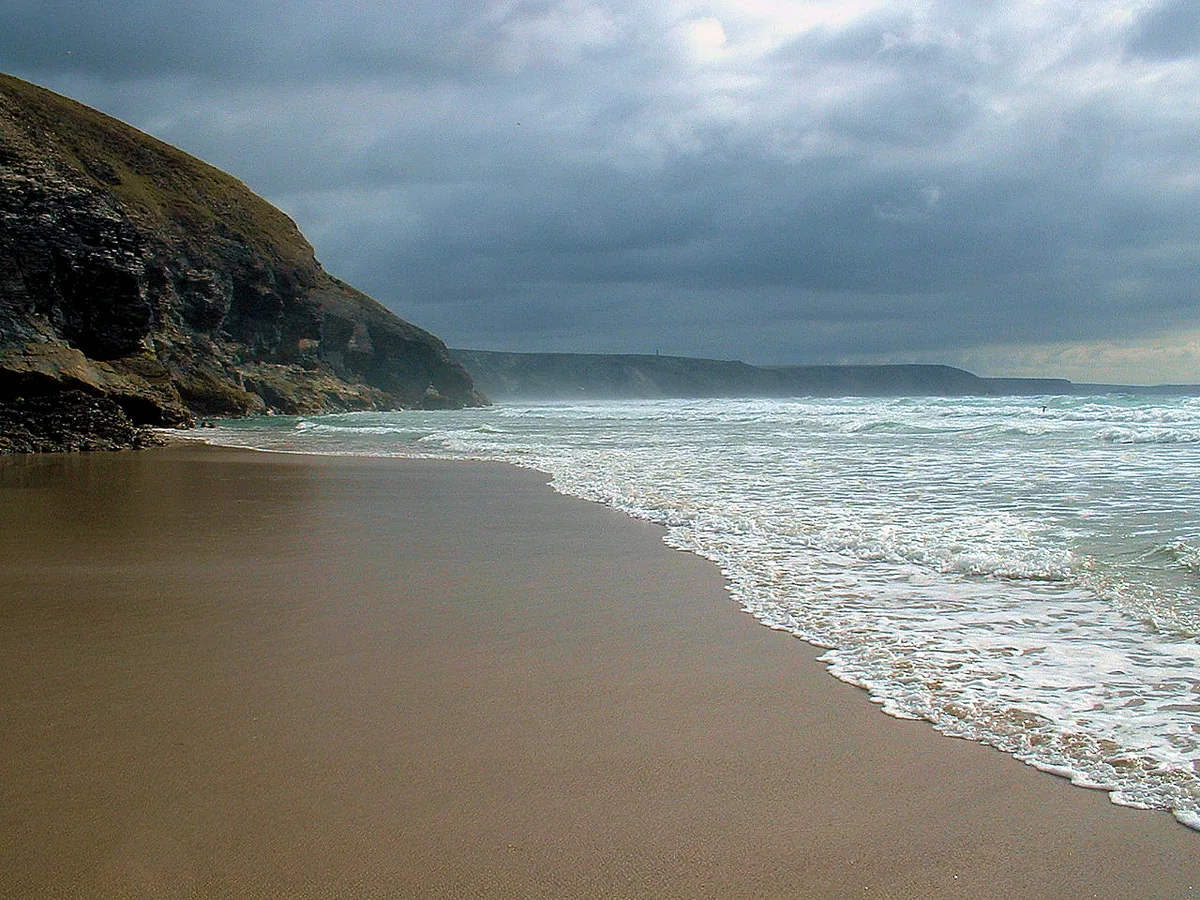
Chapel Porth Beach
Beaches · 0.4 km
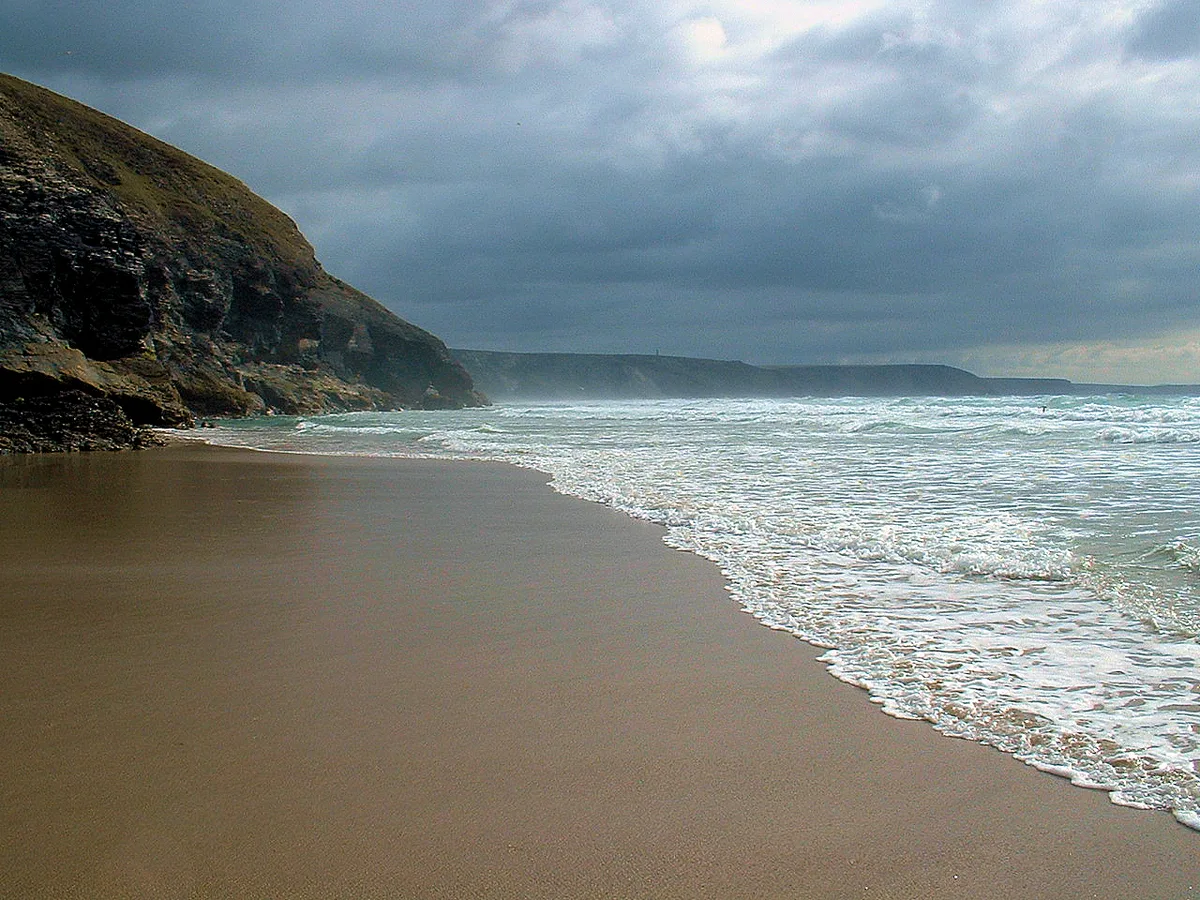
Chapel Porth Beach
Beaches · 0.5 km

Porthtowan Tidal Pool/Rockpool
Lidos & outdoor pools · 0.9 km

Chapel Porth Youth Camp Site
Campsites · 0.9 km

Towanroath Shaft Engine House
Historic houses · 1.0 km

Wheal Coates Engine House
Historic houses · 1.0 km
Wheal Coates Tin Mine
Historic houses · 1.0 km

Wheal Coates Tin Mine
Archaeological sites · 1.0 km

Porthtowan Beach
Beaches · 1.1 km

Beacon Cottage Farm
Campsites · 1.3 km

St Agnes Beacon
Campsites · 1.4 km

Cliff castle at Tubby's Head
Vineyards · 1.4 km
Nearby
📷 5Beaches · South West England
Chapel Porth Beach
Chapel Porth Beach is a beach in the United Kingdom.
📷 5Beaches · South West England
Chapel Porth Beach
Chapel Porth Beach — beach in the United Kingdom.
📷 5Lidos & outdoor pools · South West England
Porthtowan Tidal Pool/Rockpool
Porthtowan Tidal Pool/Rockpool — a lido in england south west.
📷 4Campsites · South West England
Chapel Porth Youth Camp Site
Chapel Porth Youth Camp Site — a campsite in england south west.
📷 3Historic houses · South West England
Towanroath Shaft Engine House
Towanroath Shaft Engine House — a historic house in england-south-west, United Kingdom.
📷 3Historic houses · South West England
Wheal Coates Engine House
Wheal Coates Engine House — a historic house in england-south-west, United Kingdom.
Where to eat & stay near Great Wheal Charlotte
Places to stay
📷 4Campsites · South West England
Chapel Porth Youth Camp Site
Chapel Porth Youth Camp Site — a campsite in england south west.
📷 5Campsites · South West England
Beacon Cottage Farm
Beacon Cottage Farm — a campsite in england south west.
📷 5 📷 5
📷 5Campsites · South West England
Presingoll Farm Caravan and Camping Site
Presingoll Farm Caravan and Camping Site — a campsite in england south west.
 📷 5
📷 5Campsites · South West England
Porthtowan Tourist Park
Porthtowan Tourist Park — a campsite in england south west.
 📷 5
📷 5Campsites · South West England
Elm Farm campsite
Elm Farm campsite — a campsite in england south west.
Places to eat & drink
 📷 5
📷 5Historic pubs · South West England
The Wig And Pen Public House And Attached Forecourt Walls And Railings
The Wig And Pen Public House And Attached Forecourt Walls And Railings in England South West, United Kingdom.
 📷 7
📷 7Historic pubs · South West England
Daniell Arms Public House
Daniell Arms Public House in England South West, United Kingdom.
 📷 7
📷 7Historic pubs · South West England
The Pendarves Arms
The Pendarves Arms in England South West, United Kingdom.
 📷 5
📷 5Historic pubs · South West England
The Bucket of Blood
The Bucket of Blood in England South West, United Kingdom.
 📷 3
📷 3Historic pubs · South West England
Seven Stars
Seven Stars — Historic pub — listed building or notable heritage status.
 📷 5
📷 5Historic pubs · South West England
Kings Arms
Kings Arms — Historic pub — listed building or notable heritage status.
More places in this region
.jpg?width=1200) 📷 5
📷 5Mines & mining heritage · South West England
Devon United Mine
Devon United Mine — mine in the United Kingdom.
 📷 5
📷 5Mines & mining heritage · South West England
Lambshouse and Gull Point Quarry
Lambshouse and Gull Point Quarry — Two disused slate quarries in Cornwall, England.
.jpg?width=1200) 📷 5
📷 5Mines & mining heritage · South West England
Mortar outcrop at Trenear, 9m north east of Poldark Mine entrance
Mortar outcrop at Trenear, 9m north east of Poldark Mine entrance — mine in Wendron, Cornwall, UK.
 📷 3
📷 3Mines & mining heritage · South West England
Silverbrook Mine
Silverbrook Mine — abandoned mine in Devon, England.
Frequently asked questions
- Where is Great Wheal Charlotte?
- Great Wheal Charlotte is in South-West England, United Kingdom (postcode TR5 0NS), in the parish of St. Agnes.
- What is Great Wheal Charlotte?
- Great Wheal Charlotte — Disused copper and tin mine in Cornwall, England.
- How do I get to Great Wheal Charlotte?
- The nearest railway station is Paul's Loop, about 6.3 km away. The nearest town is St Agnes. Drivers can use postcode TR5 0NS.
- Who owns Great Wheal Charlotte?
- Great Wheal Charlotte is owned by | official website =.
- Is Great Wheal Charlotte a protected site?
- Yes — Great Wheal Charlotte is part of the Godrevy Head to St Agnes SSSI Site of Special Scientific Interest and the Cornwall National Landscape (AONB).
- How do I get to Great Wheal Charlotte?
- The nearest railway station is Paul's Loop, about 6.3 km away. Drivers can navigate to postcode TR5 0NS.