
Historic churches · Central Scotland
Glenorchy Parish Church
In or near Dalmally.
Glenorchy Parish Church — church in Argyll and Bute, Scotland, UK.

Wikimedia Commons contributors — see linked file page for photographer and licence licence

Plan your visit
- Typical visit
- 30 min–1 h
- Nearest railway station
- Dalmally · 0.8 km
- Free entry
Getting there & planning your visit
To visit Glenorchy Parish Church, the nearest railway station is Dalmally, which is 0.8 km away. Entry to the church is free, and the postcode for sat-nav is PA33 1AY.
About
Glenorchy Parish Church is a historic church in the United Kingdom. Records date its origin to 1811. Built in the Gothic Revival style. Heritage designation: category A listed building. Wikidata describes it as: "church in Argyll and Bute, Scotland, UK". Coordinates: 56.4042°, -4.9711°.
Photo gallery
Heritage listing
Glenorchy Parish Church is a congregation of the Church of Scotland in the village of Dalmally, Argyll and Bute, Scotland. It is the parish church of the parish of Glenorchy and Inishail. The church is also known as Glenorchy Kirk, and was historically known as the Church of Dysart (Scottish Gaelic: Clachan Diseart). There have been many alternate spellings, including "Dysert", "Disart", "Glenwrquha", "Glenvrquha", "Glenvrquhay", "Clachandysert", "Clachan Disert, "Claghan-Diseirt" and "Dysart and Glenurquhie". The octagonal church building dates from the early 19th century. It is protected as a Category A listed building, and is also notable for its burial ground and grave slabs.
From Historic Environment Scotland under OGL v3.
From the Wikipedia article
Glenorchy Parish Church is a congregation of the Church of Scotland in the village of Dalmally, Argyll and Bute, Scotland. It is the parish church of the parish of Glenorchy and Inishail. The church is also known as Glenorchy Kirk, and was historically known as the Church of Dysart (Scottish Gaelic: Clachan Diseart). There have been many alternate spellings, including "Dysert", "Disart", "Glenwrquha", "Glenvrquha", "Glenvrquhay", "Clachandysert", "Clachan Disert, "Claghan-Diseirt" and "Dysart and Glenurquhie". The octagonal church building dates from the early 19th century. It is protected as a Category A listed building, and is also notable for its burial ground and grave slabs. The old churchyard which surrounds the parish church contains some ancient gravestones of the clan, and the gallows-hill of Glenorchy is famed in Highland tradition as a place of execution.
Excerpt from Wikipedia under CC BY-SA 4.0. See the source article linked in Sources below.
Background
History
The church is recorded in 1390, with mention of the mountain chief, Iain Macgregor of Glenorchy (d. 1390), 2nd Chief of Clan Gregor, who was reported to have been buried on the north side of the High Altar in Dysart, at the old Church of Glenorchy. Records from 1449, 1498, and 1523 mention the church or the parish. In 1854, Anderson et al. stated that in the early 16th century the church "seems to have had" an altar called the High Altar of Glensthray (Glenstrae). In 1586, the church was described as being "on a certain island naturally formed and surrounded by the water of Vrquhay". in 1860, the older church was still standing in the vicinity of the newer one.
Sourced from Wikipedia under CC BY-SA 4.0.
- Coordinates
- 56.4042, -4.9711
- District
- Argyll and Bute
- Postcode
- PA33 1AY
- Parliamentary constituency
- Argyll, Bute and South Lochaber
- Established
- 1811
- Nearest railway station
- Dalmally — 0.8 km
- Official site
- www.glenorchyparish.org.uk
Sources
- wikidata: Q1531148 (CC0)
- wikipedia: Glenorchy Parish Church (CC BY-SA 4.0)
- commons: Glenorchy church and graveyard.jpg (CC BY-SA 4.0)
Other places nearby

Dalmally
Towns & cities · 0.2 km

War Memorial
Memorials & monuments · 0.2 km

Dalmally Bridge
Historic bridges · 0.2 km

Barr a' Chaistealain, dun and township 180m SSE of Oak Bank
Vineyards · 0.7 km

Barr a'Chaistealain, dun site
Archaeological sites · 0.7 km

Dalmally railway station
Reservoirs & lochs · 0.8 km

Craig Lodge Community
Historic churches · 1.2 km

Stronmilchan
Villages · 1.8 km

Dalmally Golf Course
Golf courses · 2.6 km

Monument To Duncan McLaren
Memorials & monuments · 2.7 km

Kilchurn Castle
Archaeological sites · 2.8 km

Dun Athaich
Mountains & hills · 2.8 km
Nearby
📷 3📷 5📷 5Historic bridges · Central Scotland
Dalmally Bridge
Dalmally Bridge — category B listed building-listed bridge in scotland-highlands, United Kingdom.
📷 5Vineyards · Central Scotland
Barr a' Chaistealain, dun and township 180m SSE of Oak Bank
Barr a' Chaistealain, dun and township 180m SSE of Oak Bank — a UK vineyard in scotland highlands, producing English or Welsh wine from cool-climate grape varieties.
📷 3Archaeological sites · Central Scotland
Barr a'Chaistealain, dun site
Barr a'Chaistealain, dun site — a archaeological in scotland-highlands, United Kingdom.
📷 4Reservoirs & lochs · Central Scotland
Dalmally railway station
Dalmally railway station in Scotland Islands, United Kingdom.
Where to eat & stay near Glenorchy Parish Church
Places to stay
 📷 7
📷 7Hotels · Central Scotland
Loch Awe Hotel
Loch Awe Hotel — a hotel in scotland highlands.
 📷 5
📷 5Hotels · Central Scotland
Ardanaiseig Hotel
Ardanaiseig Hotel — a hotel in scotland highlands.
 📷 5
📷 5Caravan parks · Central Scotland
Loch Awe Holiday Park
Loch Awe Holiday Park — a caravan park in scotland highlands.
 📷 5📷 5📷 5
Places to eat & drink
 📷 3
📷 3Historic pubs · Central Scotland
Ardbrecknish House
Ardbrecknish House — Historic pub — listed building or notable heritage status.
 📷 5
📷 5Historic pubs · Central Scotland
The Drovers Inn
The Drovers Inn — Historic pub — listed building or notable heritage status.
Other places from this era
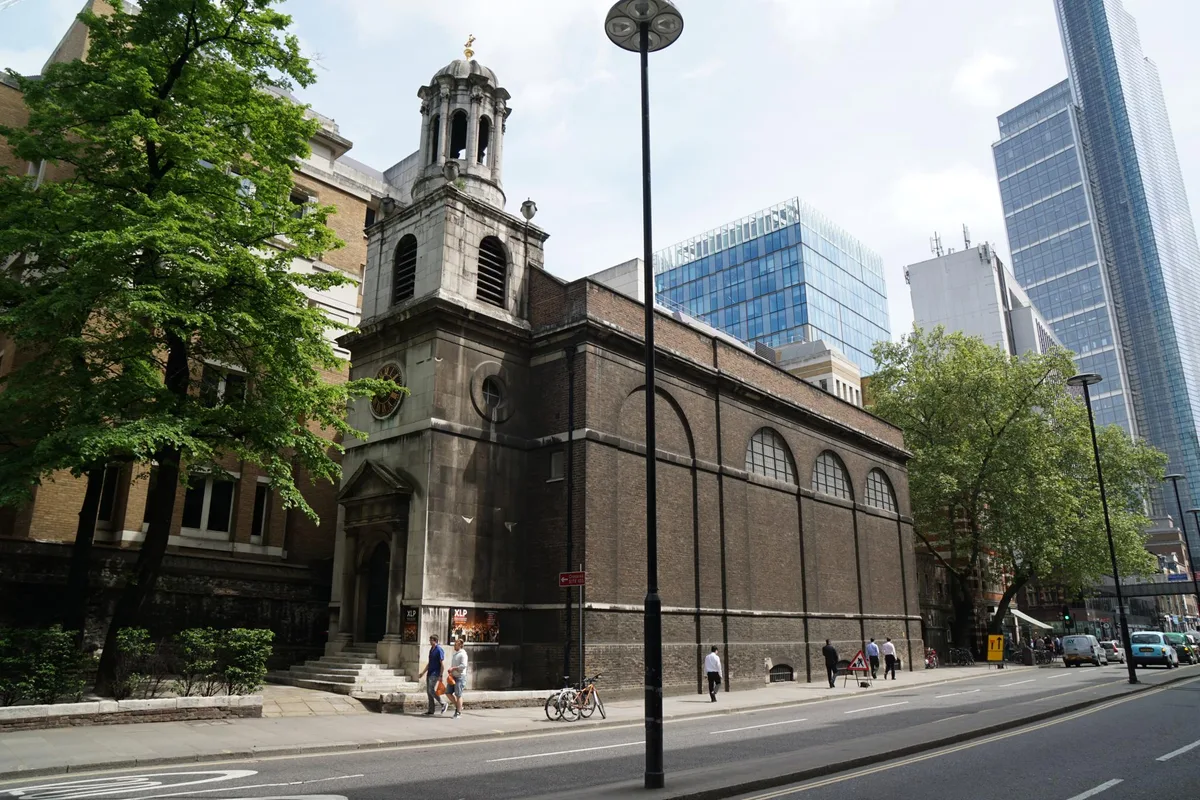 📷 5
📷 5Historic churches · London
All Hallows-on-the-Wall
All Hallows-on-the-Wall — church in City of London, UK.
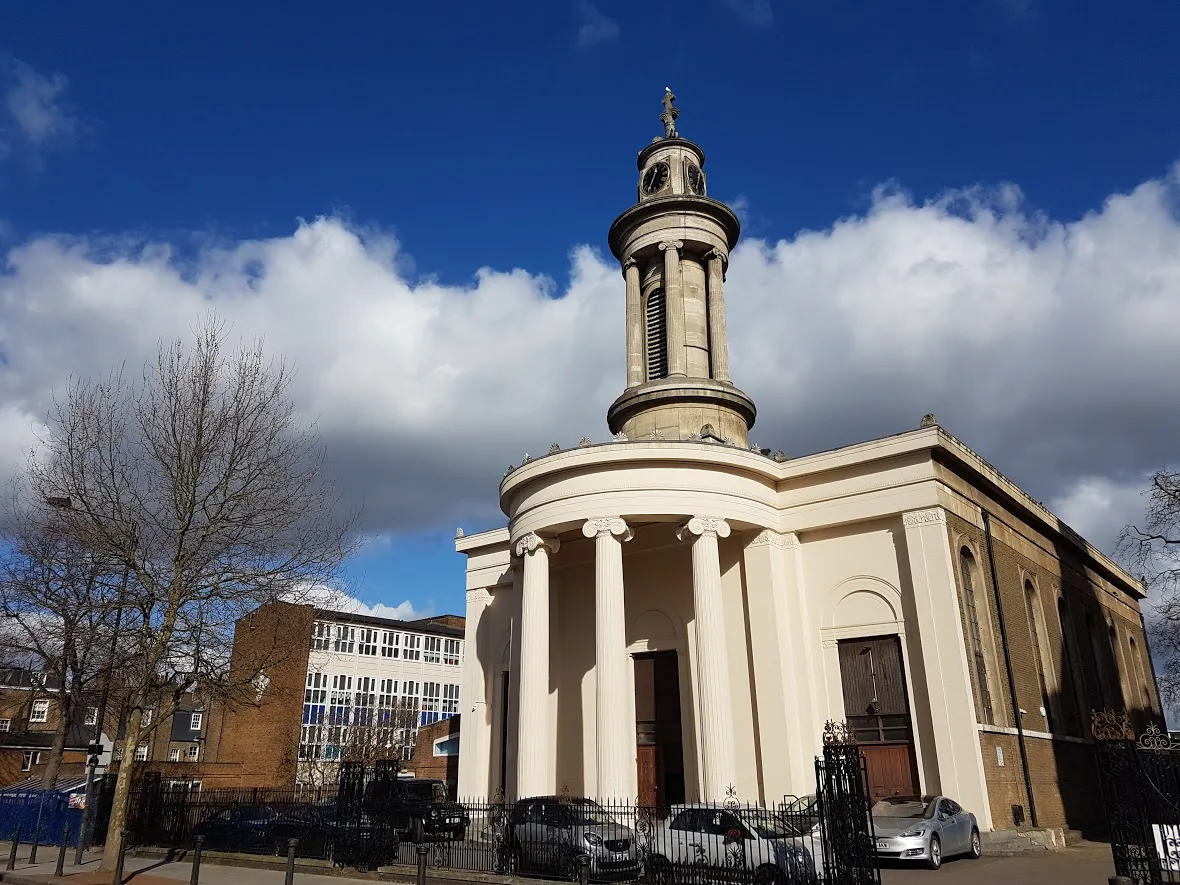 📷 5
📷 5Historic churches · London
All Saints, Camden Town
All Saints, Camden Town — Greek Orthodox cathedral church in London, UK.
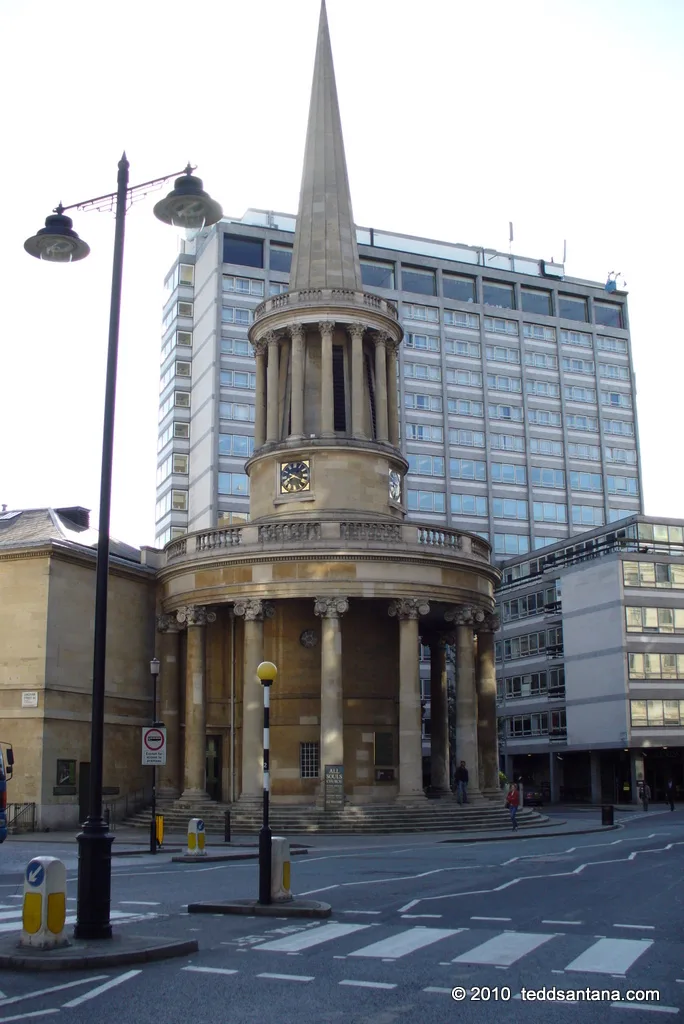 📷 5
📷 5Historic churches · London
All Souls Church, Langham Place
All Souls Church, Langham Place — church building in Westminster, London, England, UK.
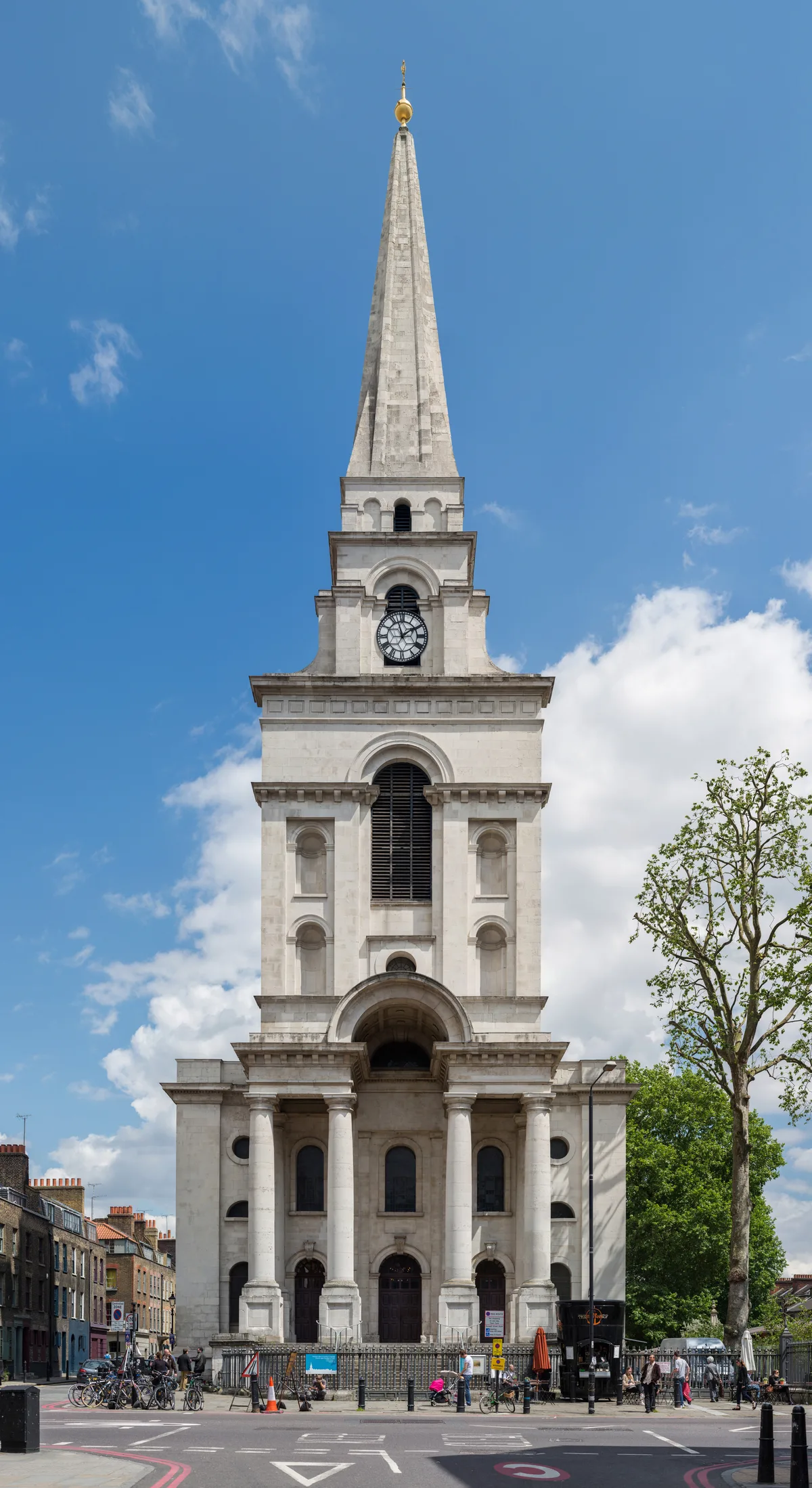 📷 5
📷 5Historic churches · London
Christ Church, Spitalfields
Christ Church, Spitalfields — church in Spitalfields, London.
More places in this region
 📷 5
📷 5Historic churches · Central Scotland
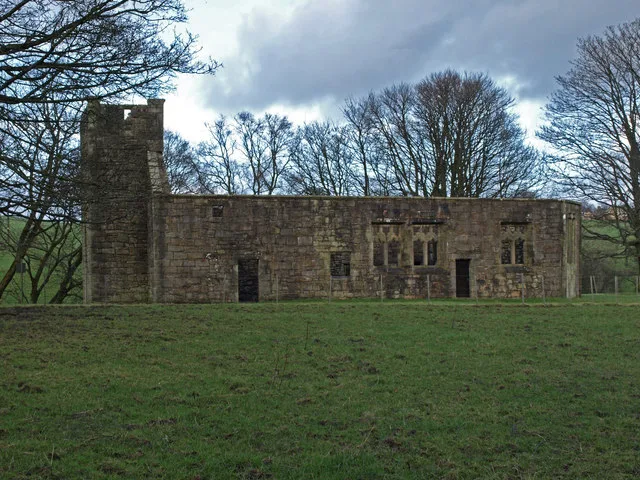
Castle Semple Collegiate Church
Castle Semple Collegiate Church — church building in Renfrewshire, Scotland, UK.
 📷 3
📷 3Historic churches · Central Scotland
Chapel of St Fyndoca, Inishail
Chapel of St Fyndoca, Inishail — architectural structure in Argyll and Bute, Scotland, UK.
 📷 3
📷 3Historic churches · Central Scotland
Chapel of St. Oran, Colonsay
Chapel of St. Oran, Colonsay — chapel on Colonsay, Argyll and Bute, Scotland, UK.
 📷 3
📷 3Historic churches · Central Scotland
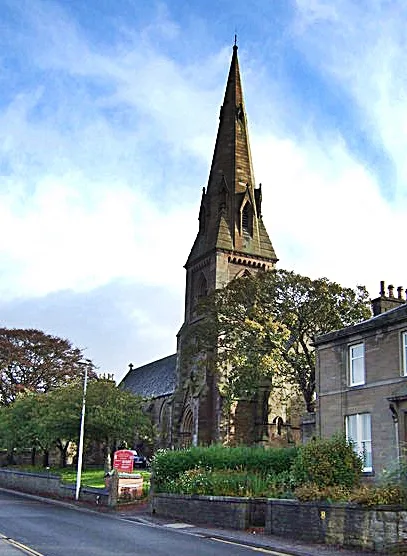
Church of St Mary the Virgin, Arbroath
Church of St Mary the Virgin, Arbroath — church in Arbroath, UK.
Frequently asked questions
- Where is Glenorchy Parish Church?
- Glenorchy Parish Church is in central Scotland, United Kingdom (postcode PA33 1AY).
- What is Glenorchy Parish Church?
- Glenorchy Parish Church — church in Argyll and Bute, Scotland, UK.
- How do I get to Glenorchy Parish Church?
- The nearest railway station is Dalmally, about 0.8 km away. The nearest town is Dalmally. Drivers can use postcode PA33 1AY.
- When was Glenorchy Parish Church built?
- Built or established in 1811.
- Is Glenorchy Parish Church a listed building?
- Glenorchy Parish Church is officially recognised as category A listed building listed.
- Is Glenorchy Parish Church free to visit?
- Yes, Glenorchy Parish Church is free to enter.
- How do I get to Glenorchy Parish Church?
- The nearest railway station is Dalmally, about 0.8 km away. Drivers can navigate to postcode PA33 1AY.