
Hill forts · North West England
Gleaston Castle
In or near Swarthmoor.
Gleaston Castle — 14th-century enclosure castle in England.

Wikimedia Commons contributors — see linked file page for photographer and licence licence

Plan your visit
- Typical visit
- 1 h–2 h
- Nearest railway station
- Dalton · 3.8 km
- Free entry
- Dog-friendly
Getting there & planning your visit
To visit Gleaston Castle, the nearest railway station is Dalton, located 3.8 km away. The postcode for sat-nav is LA12 0QH, and entry to the site is free.
About
Gleaston Castle is a hill fort in the United Kingdom. Records date its origin to 1350. Constructed primarily of sandstone. Heritage designation: scheduled monument. Owned by John Harington, 1st Baron Harington. Wikidata describes it as: "14th-century enclosure castle in England". Coordinates: 54.1336°, -3.1316°.
Photo gallery
Protected designations
- Site of Special Scientific Interest: Morecambe Bay SSSI
- Ramsar wetland: Morecambe Bay
Designations sourced from Natural England open data under OGL v3.
From the Wikipedia article
Gleaston Castle is a medieval building in a valley about 1 kilometre (0.62 mi) north-east of the village of Gleaston. The village lies between the towns of Ulverston and Barrow-in-Furness in the Furness peninsula, Cumbria, England. Gleaston Castle has a quadrilateral plan, with a tower at each corner. The largest of these, the north-west tower, probably housed a hall. The castle was most likely built for John Harington, 1st Baron Harington in the 14th century, replacing nearby Aldingham Motte. Gleaston Castle descended through the Harrington family until 1458 when it passed to William Bonville through marriage and was subsequently abandoned. The castle passed to the Grey family until Henry Grey, 1st Duke of Suffolk was executed for treason in 1554. As a result, Gleaston Castle became royal property before it was bought by the Preston family in the 17th century, and then passed to the Cavendish family. As the castle was disused from the mid-15th century it fell into dilapidation, and antiquarian depictions from the 18th century show Gleaston in a state of ruin. Though it is not open to the public, it has been the subject of historical and archaeological investigation in the 20th and 21st centuries.
Excerpt from Wikipedia under CC BY-SA 4.0. See the source article linked in Sources below.
Background
History
From the 12th century the manor of Muchland was administered from Aldingham Castle. Muchland became known as Aldingham manor and in 1291 it came into the ownership of the Harrington family. In the 14th century, the Scots attacked the Furness peninsula during the Scottish Wars of Independence; around the same time coastal erosion threatened Aldingham Motte. These factors may have led to the Harrington family abandoning Aldingham and establishing the administrative centre of the manor at the newly built Gleaston Castle, though the construction work could have been the result of their growing social status, and they may have needed more room for a greater number of servants. in Cartmel…
Architecture
Gleaston Castle was abandoned, perhaps around a century after its construction. As a result, the standing remains are an example of 14th-century architecture which has not been adapted by later occupation. The remains consist largely of limestone, which was quarried locally, while sandstone was used for doors and windows. The sandstone may have been recovered from a beach 2 mi from the castle as there is no local source of sandstone. This method of using red sandstone for architectural details can also be seen at Piel Castle near Barrow-in-Furness. The castle was a walled enclosure 240 ft long north and south, 120 ft wide at the south end and 150 ft wide at the north end. It had four corner…
Sourced from Wikipedia under CC BY-SA 4.0.
- Coordinates
- 54.1336, -3.1316
- District
- Westmorland and Furness
- Parish
- Aldingham
- Postcode
- LA12 0QH
- Parliamentary constituency
- Barrow and Furness
- Established
- 1350
- Nearest railway station
- Dalton — 3.8 km
Sources
- wikidata: Q5567411 (CC0)
- wikipedia: Gleaston Castle (CC BY-SA 4.0)
- commons: North-Tower-from-NW.jpg (CC BY-SA 4.0)
Other places nearby

Beacon Hill
Mountains & hills · 0.5 km

Gleaston Watermill
Watermills · 0.6 km

Gleaston Cornmill
Watermills · 0.6 km
Gleaston Water Mill
Watermills · 0.6 km

Gleaston
Villages · 0.9 km

Scales
Villages · 1.4 km

Doe Wood Lodges
Caravan parks · 1.6 km

Lime kiln 100m east of Scales Green Farm
Farms (open to visitors) · 1.7 km

Lime kiln and associated lime shed 680m south east of Scales Green Farm
Farms (open to visitors) · 2.0 km

Aldingham
Castles · 2.1 km

High Farm Holiday Site
Caravan parks · 2.2 km
Seacroft Caravan Park
Caravan parks · 2.2 km
Nearby
📷 5Mountains & hills · North West England
Beacon Hill
Beacon Hill — a hill or mountain in england north west.
📷 3Watermills · North West England
Gleaston Watermill
Gleaston Watermill is a watermill in the United Kingdom.
📷 3Watermills · North West England
Gleaston Cornmill
Gleaston Cornmill — Grade II listed building-listed watermill in england-north-west, United Kingdom.
📷 3Watermills · North West England
Gleaston Water Mill
Gleaston Water Mill — a watermill in england-north-west, United Kingdom.
📷 5📷 5Where to eat & stay near Gleaston Castle
Places to stay
📷 5Caravan parks · North West England
Doe Wood Lodges
Doe Wood Lodges — a caravan park in england north west.
📷 5Caravan parks · North West England
High Farm Holiday Site
High Farm Holiday Site — a caravan park in england north west.
📷 5Caravan parks · North West England
Seacroft Caravan Park
Seacroft Caravan Park — a caravan park in england north west.
 📷 5
📷 5Caravan parks · North West England
Meadowlands Caravan Park
Meadowlands Caravan Park — a caravan park in england north west.
 📷 5
📷 5Caravan parks · North West England
White Hall Caravan Park Ltd
White Hall Caravan Park Ltd — a caravan park in england north west.
 📷 5
📷 5Hotels · North West England
Abbey House
Abbey House — a hotel in england north west.
Places to eat & drink
 📷 5
📷 5Historic pubs · North West England
Crofters Public House
Crofters Public House in England North West, United Kingdom.
 📷 5
📷 5Historic pubs · North West England
Chappells Tavern
Chappells Tavern in England North West, United Kingdom.
 📷 5
📷 5Historic pubs · North West England
Furness Abbey Hotel
Furness Abbey Hotel in England North West, United Kingdom.
 📷 5
📷 5Historic pubs · North West England
The Concle Public House
The Concle Public House in England North West, United Kingdom.
 📷 5
📷 5Historic pubs · North West England
The Lord Ramsden Public House
The Lord Ramsden Public House in England North West, United Kingdom.
 📷 7
📷 7Other places from this era
 📷 5
📷 5Hill forts · South East England
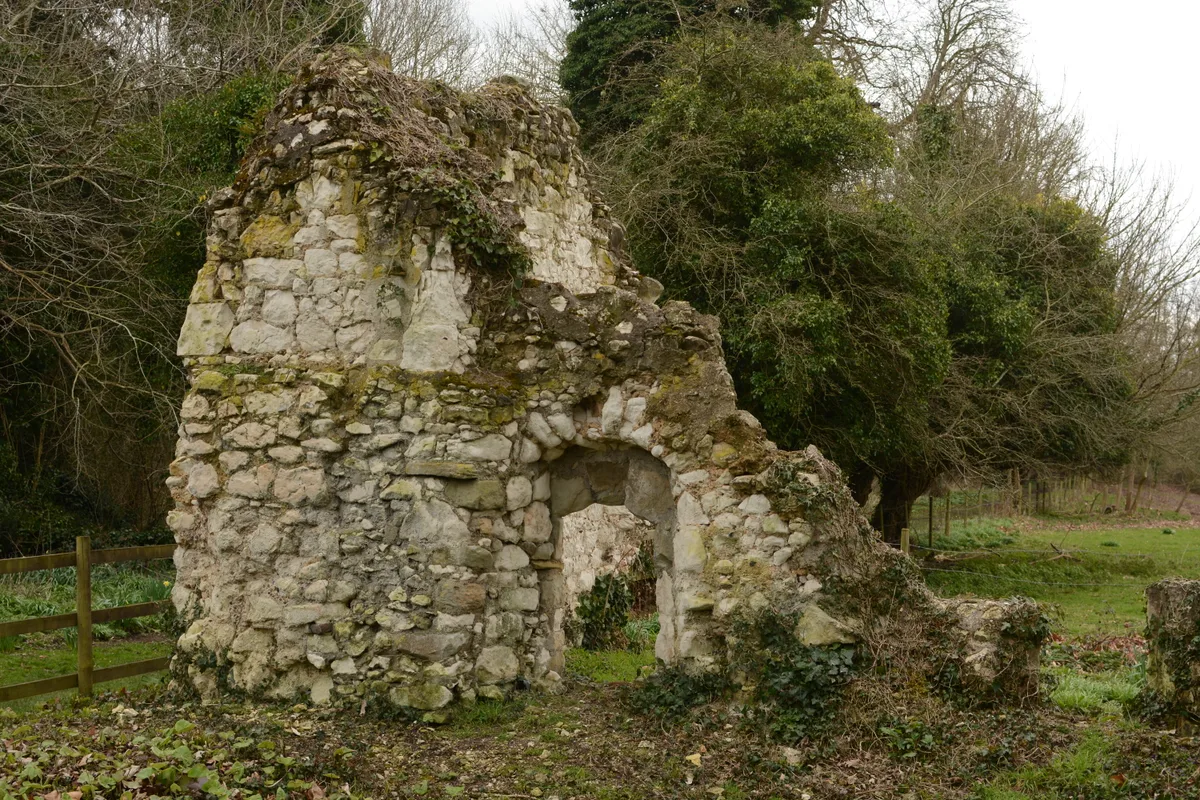
Ankerwycke Priory
Ankerwycke Priory — Benedictine nunnery with associated moat and fishponds.
 📷 5
📷 5Hill forts · South East England
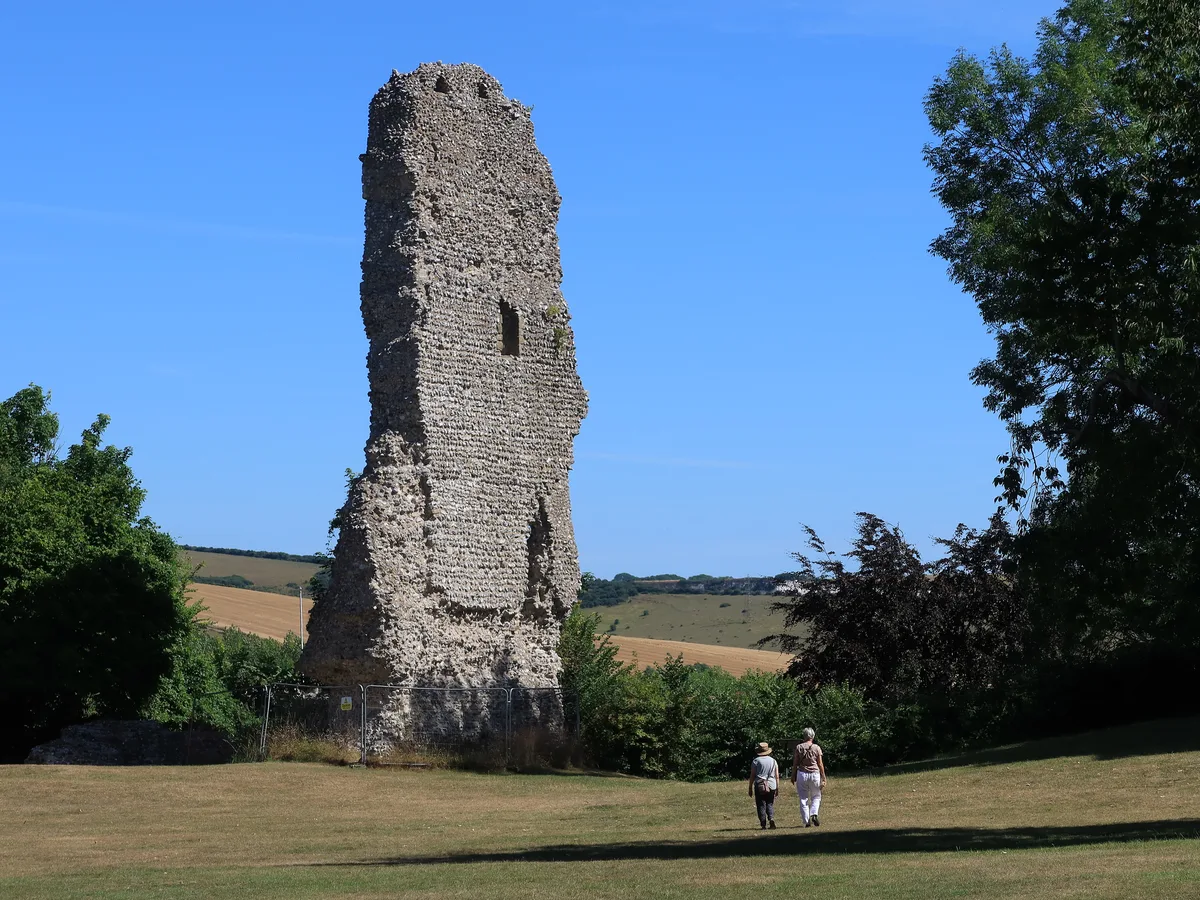
Bramber Castle
Bramber Castle — Norman castle in Bamber, West Sussex, England, UK.
 📷 3
📷 3Hill forts · South East England
Ascot d'Oilly Castle
Ascot d'Oilly Castle — castle in Oxfordshire, England, UK.
 📷 5
📷 5Hill forts · South West England
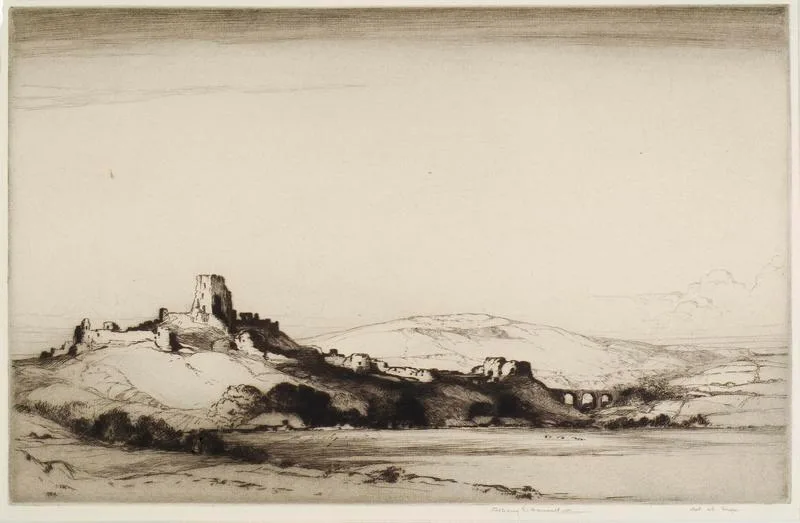
Corfe Castle
Corfe Castle — fortification in Dorset, England, UK.
More places in this region
 📷 5
📷 5Hill forts · North West England
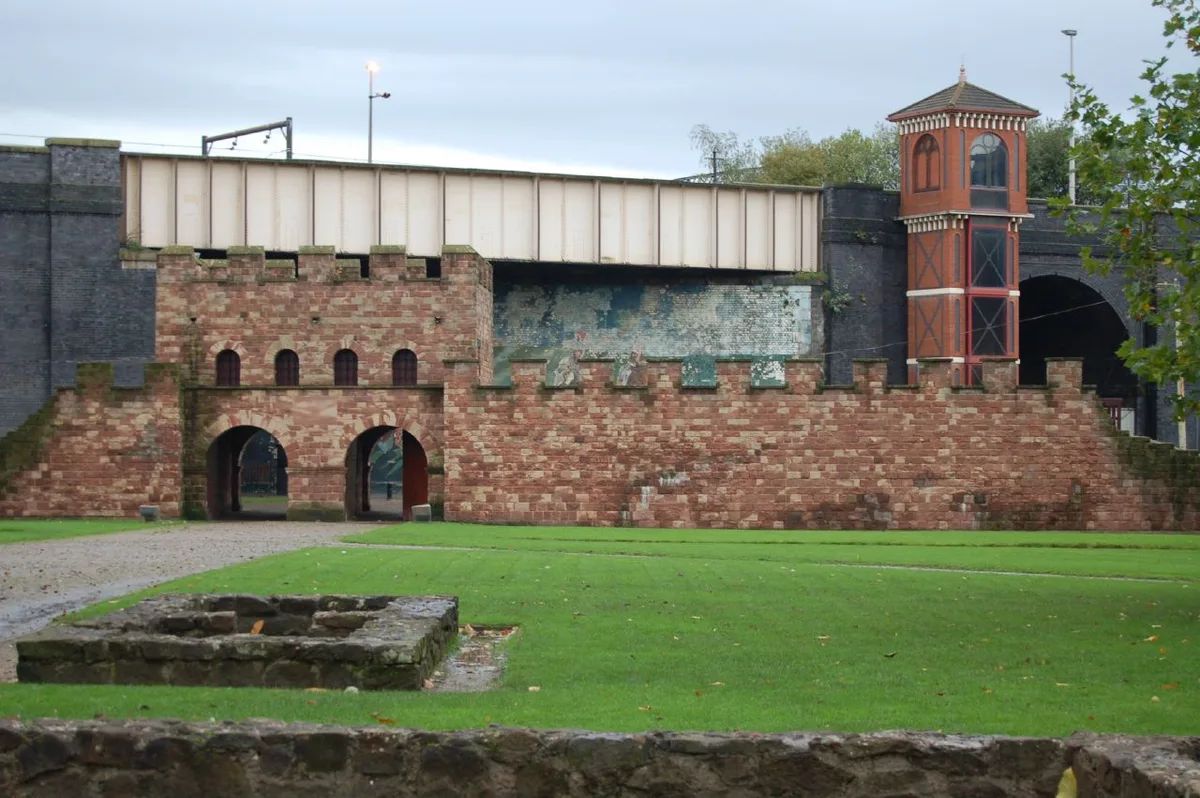
Mamucium
Mamucium — former Roman fort in the Castlefield area of Manchester in North West England.
 📷 3
📷 3Hill forts · North West England
Timperley Hall
Timperley Hall is a hill fort in the United Kingdom.
 📷 3
📷 3Hill forts · North West England
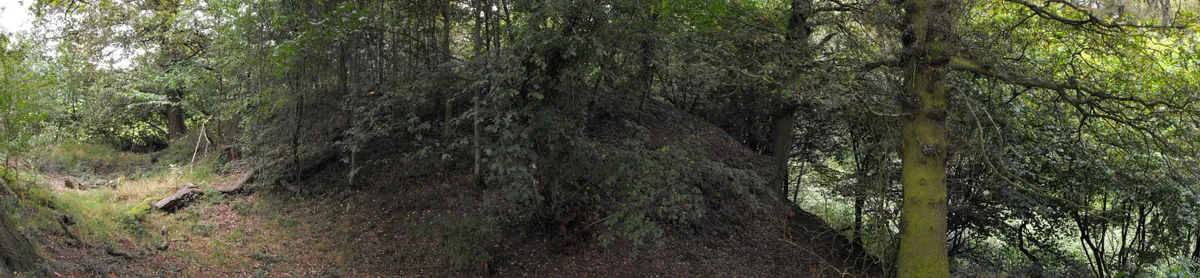
Watch Hill Castle
Watch Hill Castle — medieval castle in Bowdon, Greater Manchester, England, UK.
 📷 5
📷 5Hill forts · North West England
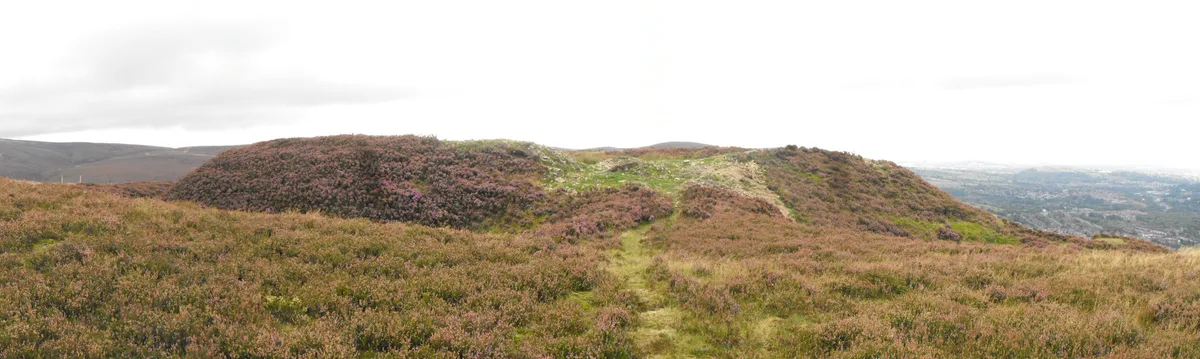
Buckton Castle
Buckton Castle — 12th-century castle in Mossley, Greater Manchester, England, UK.
Frequently asked questions
- Where is Gleaston Castle?
- Gleaston Castle is in North-West England, United Kingdom (postcode LA12 0QH), in the parish of Aldingham.
- What is Gleaston Castle?
- Gleaston Castle — 14th-century enclosure castle in England.
- How do I get to Gleaston Castle?
- The nearest railway station is Dalton, about 3.8 km away. The nearest town is Swarthmoor. Drivers can use postcode LA12 0QH.
- When was Gleaston Castle built?
- Built or established in 1350.
- Who owns Gleaston Castle?
- Gleaston Castle is owned by John Harington, 1st Baron Harington.
- Is Gleaston Castle a listed building?
- Gleaston Castle is officially recognised as scheduled monument listed.
- Is Gleaston Castle a protected site?
- Yes — Gleaston Castle is part of the Morecambe Bay SSSI Site of Special Scientific Interest and the Morecambe Bay Ramsar wetland.
- Is Gleaston Castle free to visit?
- Yes, Gleaston Castle is free to enter.