
Abbeys & priories · Yorkshire & the Humber
Gilling Abbey
In or near Oswaldkirk.
Gilling Abbey — medieval monastery in Yorkshire.

Pauline E — CC BY-SA 2.0 via Wikimedia Commons licence

Plan your visit
- Typical visit
- 45 min–1.5 h
- Family-friendly
- Limited wheelchair access
About
Gilling Abbey is an abbey, priory, or monastic site in the United Kingdom. Records date its origin to AD 601. Affiliated with Catholicism. Wikidata describes it as: "medieval monastery in Yorkshire". Coordinates: 54.2000°, -1.0720°.
Photo gallery
Protected designations
- Area of Outstanding Natural Beauty: Howardian Hills
Designations sourced from Natural England open data under OGL v3.
From the Wikipedia article
Gilling Abbey was a medieval Anglo-Saxon monastery established in Yorkshire, England. It was founded at Gilling in what is currently North Yorkshire by Queen Eanflæd, the wife of King Oswiu of Northumbria, who persuaded her husband to found it at the site where Oswiu had killed a rival and kinsman, King Oswine of Deira. Oswine died around 651 or 652. Eanflæd forced her husband to found the monastery in order to atone for Oswine's death, since Eanflæd was Oswine's second cousin. Under the laws of the time, the only way Eanflæd could take revenge for her cousin's death was to kill her husband or accept a substantial gift known as a weregild. The abbey was built on that weregild. Eanflæd also requested that the first abbot be a kinsman of Oswine. By founding the monastery shortly after Oswine's death, Oswiu and Eanflæd avoided the creation of a feud. The monastery canonized Oswine as a saint, joining the ranks of several murdered Anglo-Saxon kings who were regarded as saints. The first abbot of the monastery was a relative of Oswine's named Trumhere. The second abbot was Cynefrith, who later left the abbey and went to Ireland. Another early abbot was Trumbert, who either became Bishop of Hexham after being abbot, or was abbot after being deposed as bishop. Gilling may be identical with the monastery of Ingetlingum, which had close ties to the monastery at Ripon, which was held by Wilfrid. Gilling became depopulated from the plague, sometime before 669. Because of this, one of the monks there, Ceolfrith, brother of Cynefrith, went to Ripon. Ceolfrith later went to Wearmouth-Jarrow, where he became abbot. It is unknown whether the depopulation of the monastery from the plague meant the end of the religious community at Gilling, or if it continued to exist after that. The abbey's location has traditionally held to have been in or near Gilling West, Yorkshire. An alternative location of Gilling East, Yorkshire has been proposed by historians Richard Morris and Ian Wood.
Excerpt from Wikipedia under CC BY-SA 4.0. See the source article linked in Sources below.
- Coordinates
- 54.2000, -1.0720
- District
- North Yorkshire
- Parish
- Ampleforth
- Postcode
- YO62 4HB
- Parliamentary constituency
- Thirsk and Malton
Sources
- wikidata: Q2820597 (CC0)
- wikipedia: Gilling Abbey (CC BY-SA 4.0)
Other places nearby
Gilling Abbey
Cathedrals · 0.0 km

Antony Gormley sculpture of a figure
Public art & sculpture · 0.7 km

Bridge From Abbey Precinct Across Road To Ampleforth Bank
Historic bridges · 0.8 km
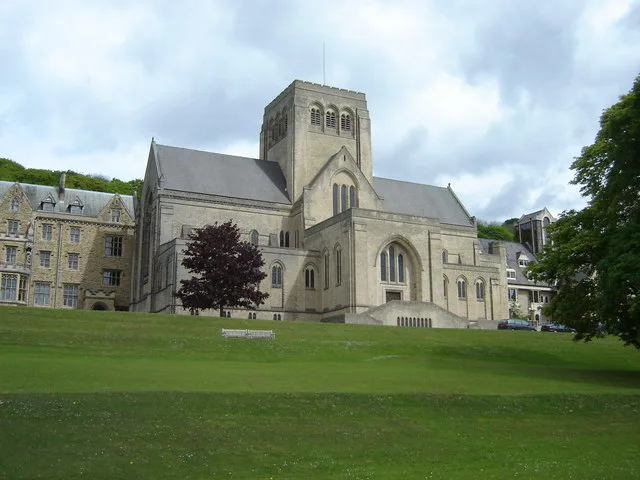
Ampleforth Abbey
Abbeys & priories · 0.8 km
Ampleforth Abbey
Cathedrals · 0.8 km

Golden Square Caravan Park
Campsites · 1.2 km

Oswaldkirk Hall
Historic houses · 1.3 km

Oswaldkirk
Towns & cities · 1.4 km
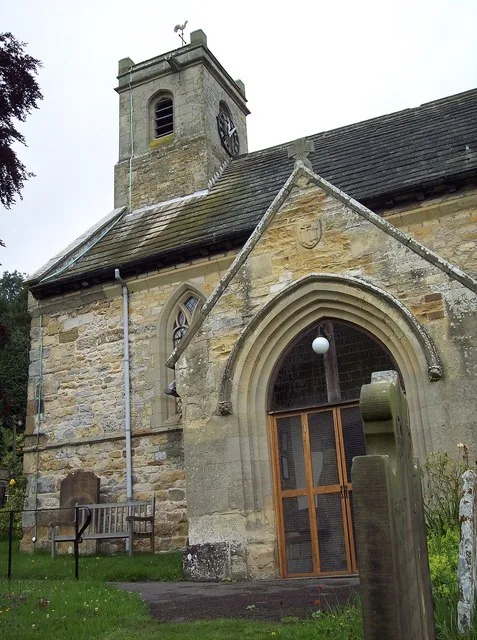
Church of Saint Oswald, King and Martyr, Oswaldkirk
Historic churches · 1.5 km

Gilling Bridge
Historic bridges · 1.5 km

Oswaldkirk
Villages · 1.8 km

Gilling East
Villages · 1.8 km
Nearby
📷 3Cathedrals · Yorkshire & the Humber
Gilling Abbey
Gilling Abbey is a cathedral in the United Kingdom.
📷 3Public art & sculpture · Yorkshire & the Humber
Antony Gormley sculpture of a figure
Antony Gormley sculpture of a figure — a public art in england-yorkshire, United Kingdom.
📷 3Historic bridges · Yorkshire & the Humber
Bridge From Abbey Precinct Across Road To Ampleforth Bank
Bridge From Abbey Precinct Across Road To Ampleforth Bank — Grade II listed building-listed bridge in england-yorkshire, United Kingdom.
Flagship📷 5Abbeys & priories · Yorkshire & the Humber
Ampleforth Abbey
Ampleforth Abbey — monastery in North Yorkshire, England.
Flagship📷 5Cathedrals · Yorkshire & the Humber
Ampleforth Abbey
Ampleforth Abbey is a cathedral in the United Kingdom.
📷 5Campsites · Yorkshire & the Humber
Golden Square Caravan Park
Golden Square Caravan Park — a campsite in england yorkshire.
Where to eat & stay near Gilling Abbey
Places to stay
📷 5Campsites · Yorkshire & the Humber
Golden Square Caravan Park
Golden Square Caravan Park — a campsite in england yorkshire.
 📷 5
📷 5 📷 6
📷 6Hotels · Yorkshire & the Humber
The Feathers
The Feathers — a hotel in england yorkshire.
 📷 3
📷 3Caravan parks · Yorkshire & the Humber
Brenk House Farm Caravan Park
Brenk House Farm Caravan Park — a caravan park in england yorkshire.
 📷 5
📷 5B&Bs · Yorkshire & the Humber
Newburgh House B&B
Newburgh House B&B — a bed-and-breakfast in england yorkshire.
 📷 5
📷 5Hotels · Yorkshire & the Humber
The Worsley Arms Hotel
The Worsley Arms Hotel — a hotel in england yorkshire.
Places to eat & drink
 📷 5
📷 5Restaurants · Yorkshire & the Humber
The Stapylton Arms
The Stapylton Arms — a restaurant in england yorkshire.
 📷 7
📷 7Historic pubs · Yorkshire & the Humber
The Black Swan And Railings To Front
The Black Swan And Railings To Front in England Yorkshire, United Kingdom.
 📷 5
📷 5Restaurants · Yorkshire & the Humber
The Star Inn
The Star Inn — a restaurant in england yorkshire.
 📷 5
📷 5Historic pubs · Yorkshire & the Humber
The Abbey Inn
The Abbey Inn in England Yorkshire, United Kingdom.
 📷 5
📷 5Historic pubs · Yorkshire & the Humber
Fauconberg Arms Inn
Fauconberg Arms Inn in England Yorkshire, United Kingdom.
 📷 5
📷 5Historic pubs · Yorkshire & the Humber
The Commercial Public House
The Commercial Public House in England Yorkshire, United Kingdom.
Other abbeys from this era
 📷 5
📷 5 ★ Iconic📷 5
 📷 5
📷 5Abbeys & priories · South East England
Malling Abbey
Malling Abbey — monastery in West Malling, Kent, United Kingdom.
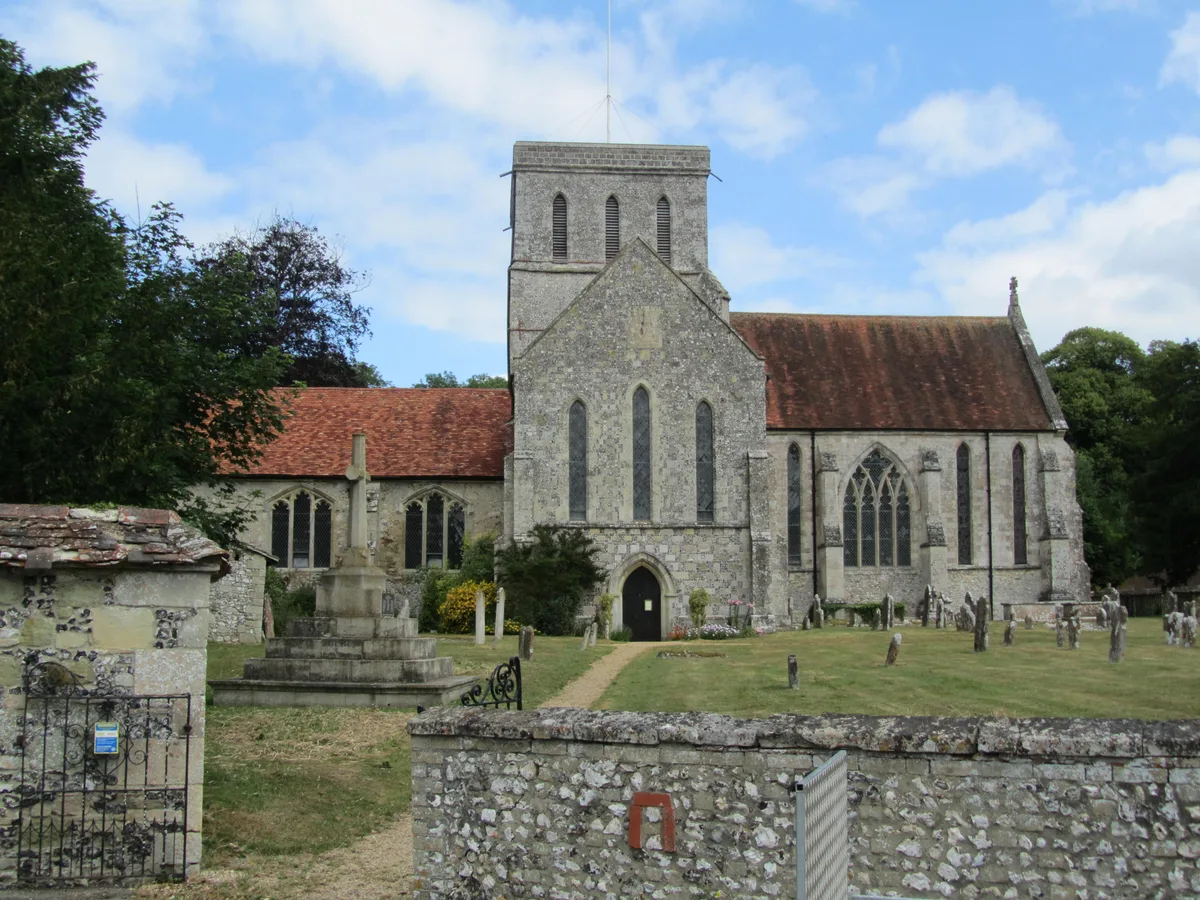 Flagship📷 5
Abbeys & priories · South East England
Amesbury Abbey
Amesbury Abbey — former abbey in the United Kingdom.
More abbeys in this region
Flagship📷 5Abbeys & priories · Yorkshire & the Humber
Ampleforth Abbey
Ampleforth Abbey — monastery in North Yorkshire, England.
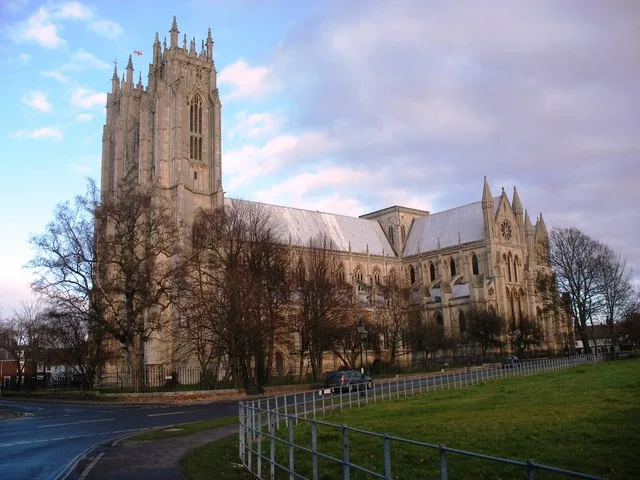 📷 5
📷 5Abbeys & priories · Yorkshire & the Humber
Beverley Minster
Beverley Minster — church in Beverley, East Riding of Yorkshire, England, UK.
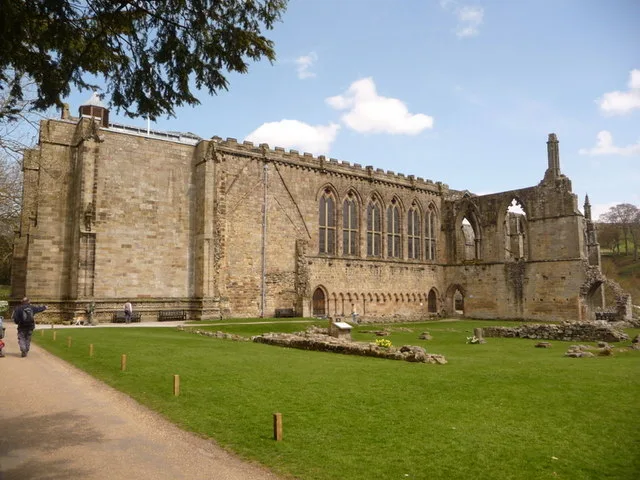 📷 5
📷 5Abbeys & priories · Yorkshire & the Humber
Bolton Abbey
Bolton Abbey — estate in Wharfedale in North Yorkshire, England.
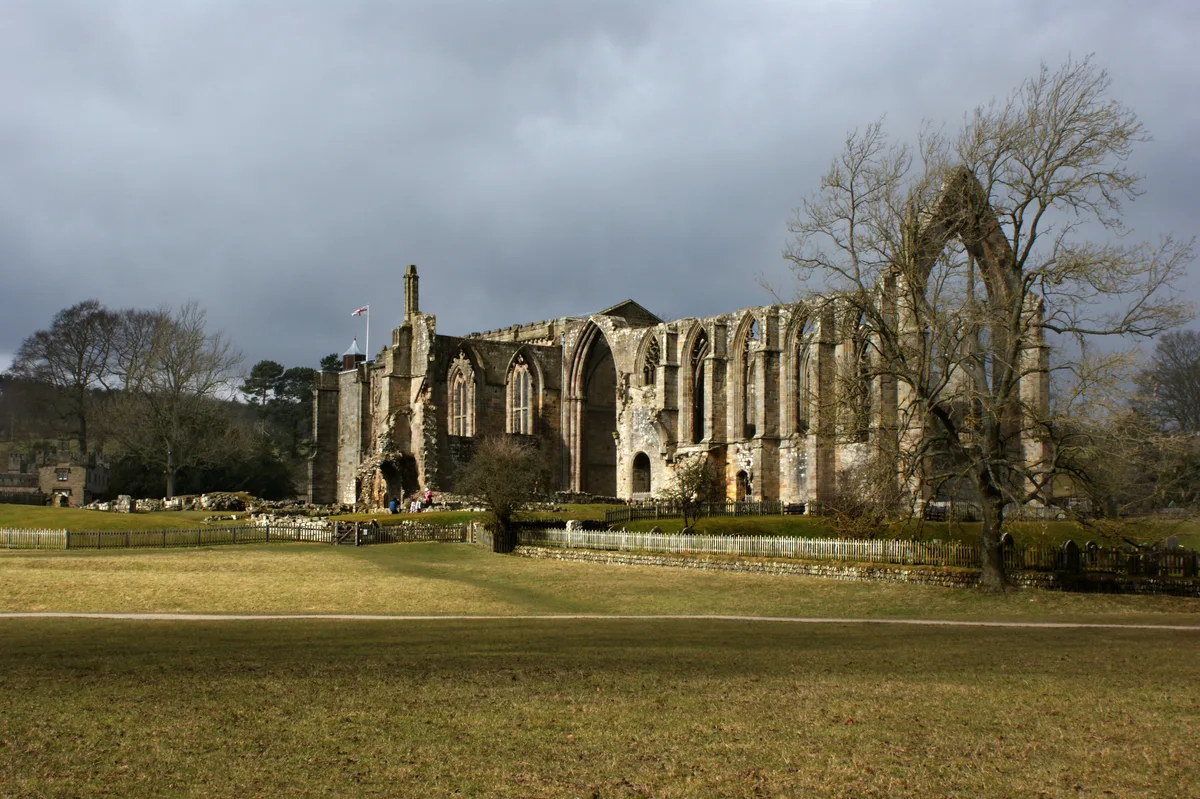 ★ Iconic📷 3
Abbeys & priories · Yorkshire & the Humber
Bolton Priory
Bolton Priory — parish church and former Augustinian priory in North Yorkshire, England, UK.
Frequently asked questions
- Where is Gilling Abbey?
- Gilling Abbey is in Yorkshire, United Kingdom (postcode YO62 4HB), in the parish of Ampleforth.
- What is Gilling Abbey?
- Gilling Abbey — medieval monastery in Yorkshire.
- How do I get to Gilling Abbey?
- The nearest town is Oswaldkirk. Drivers can use postcode YO62 4HB.
- When was Gilling Abbey built?
- Dates from the Anglo-Saxon period.
- Is Gilling Abbey a protected site?
- Yes — Gilling Abbey is part of the Howardian Hills National Landscape (AONB).
- How do I get to Gilling Abbey?
- Drivers can navigate to postcode YO62 4HB. It sits within the Thirsk and Malton parliamentary constituency.