
UNESCO World Heritage · Northern Ireland
Giant's Causeway
Also known as: Sarn y Cawr, Clochán an Aifir
In or near Dunseverick.
Giant's Causeway — rock formation on the Antrim coast of Northern Ireland.

Wikimedia Commons contributors — see linked file page for photographer and licence licence
.jpg)
Plan your visit
- Typical visit
- 2 h–4 h
- Nearest railway station
- Giant's Causeway · 1.1 km
- Family-friendly
Getting there & planning your visit
To visit the Giant's Causeway, the nearest railway station is Giant's Causeway, located 1.1 km away. The postcode for sat-nav is BT57 8AR. Entry details are not specified in the provided facts.
About
Giant's Causeway is inscribed on the UNESCO World Heritage List. Wikidata describes it as: "rock formation on the Antrim coast of Northern Ireland". Coordinates: 55.2408°, -6.5117°.
Photo gallery
From the Wikipedia article
The Giant's Causeway (Irish: Clochán an Aifir or Clochán na bhFomhórach) is an area of approximately 40,000 interlocking basalt columns, the result of an ancient volcanic fissure eruption, part of the North Atlantic Igneous Province active in the region during the Paleogene period. It is located in County Antrim on the north coast of Northern Ireland, about three miles (4.8 km) northeast of the town of Bushmills. It was declared a World Heritage Site by UNESCO in 1986 and a national nature reserve by the Department of the Environment for Northern Ireland in 1987. In a 2005 poll of Radio Times readers, the Giant's Causeway was named the fourth-greatest natural wonder in the United Kingdom. The tops of the columns form stepping stones that lead from the cliff foot and disappear under the sea. Most of the columns are hexagonal, although some have four, five, seven, or eight sides. The tallest are approximately 12 metres (39 ft) high, and the solidified lava in the cliffs is 28 metres (92 ft) thick in places. Much of the Giant's Causeway and Causeway Coast World Heritage Site is owned and managed by the National Trust. It is one of the most popular tourist attractions in Northern Ireland, receiving nearly one million visitors in 2019. Access to the Giant's Causeway is free of charge: it is not necessary to go via the visitor centre that charges a fee. The remainder of the site is owned by the Crown Estate and several private landowners.
Excerpt from Wikipedia under CC BY-SA 4.0. See the source article linked in Sources below.
Background
Description
Some of the structures in the area, having been subject to several million years of weathering, resemble objects, such as the Organ and Giant's Boot structures. Other features include many reddish, weathered low columns known as Giant's Eyes, created by the displacement of basalt boulders such as the Shepherd's Steps, the Honeycomb, the Giant's Harp, the Chimney Stacks, the Giant's Gate, and the Camel's Hump. <gallery widths="220" heights="200"> Image:Giants boot Dec2004 SeanMcClean.jpg|The Giant's Boot Image:giants causeway closeup.jpg|Basalt columns Image:The Chimney Stacks, Giants Causeway, County Antrim.jpg|The Chimney Stacks </gallery>
Visiting
The causeway was without a permanent visitor centre between 2000 and 2012, as the previous building, built in 1986, burned down in 2000. While preliminary approval was given for a publicly funded (but privately managed) development by then Environment Minister and Democratic Unionist Party (DUP) member Arlene Foster in 2007, the public funding was frozen due to a perceived conflict of interest between the proposed private developer and the DUP. Ultimately, the private developer dropped a legal challenge to the publicly funded plan, and the new visitor centre was officially opened by 2012. Its construction was funded by the National Trust, the Northern Ireland Tourist Board, the Heritage…
Sourced from Wikipedia under CC BY-SA 4.0.
- Coordinates
- 55.2408, -6.5117
- District
- Causeway Coast and Glens
- Postcode
- BT57 8AR
- Parliamentary constituency
- North Antrim
- Nearest railway station
- Giant's Causeway — 1.1 km
- Official site
- www.giantscausewayofficialguide.com
Sources
- wikidata: Q106187 (CC0)
- wikipedia: Giant's Causeway (CC BY-SA 4.0)
- commons: Giant's Causeway (36834542085).jpg (CC BY-SA 4.0)
Featured in these 3 guides
Itinerary
Northern Ireland: a four-day tour
Causeway, Mournes, Belfast, Derry — the country in four unhurried days.
Itinerary
National Trust's best coastal properties
Beach access, cliff walks and Victorian beach piers.
Itinerary
The Best of Northern Ireland
Causeway coast, castles, loughs and the Mourne Mountains
Other places nearby

Giant's Gate
Natural landmarks · 0.1 km

Giant's Boot
Natural landmarks · 0.2 km

The Organ
Natural landmarks · 0.5 km

Giant's Causeway Visitor Experience
Natural landmarks · 0.9 km

Ardihannon
Natural landmarks · 1.0 km
Wilson Twentyman
Memorials & monuments · 1.1 km

Finn McCools Giants Causeway Hostel
Hostels · 1.2 km

Causeway Head
Villages · 1.3 km

Tonduff
Villages · 1.5 km

Benbane Head
Natural landmarks · 1.8 km

Ulster Way
Long-distance walking trails · 2.0 km

Runkerry Stand (Bushfoot)
Beaches · 2.3 km
Nearby
📷 3Natural landmarks · Northern Ireland
Giant's Gate
Giant's Gate — a other in northern-ireland, United Kingdom.
📷 3Natural landmarks · Northern Ireland
Giant's Boot
Giant's Boot — a other in northern-ireland, United Kingdom.
📷 3Natural landmarks · Northern Ireland
The Organ
The Organ — a other in northern-ireland, United Kingdom.
📷 3Natural landmarks · Northern Ireland
Giant's Causeway Visitor Experience
Giant's Causeway Visitor Experience — a natural landmark in northern-ireland, United Kingdom.
📷 3Natural landmarks · Northern Ireland
Ardihannon
Ardihannon in Northern Ireland, United Kingdom.
📷 3Memorials & monuments · Northern Ireland
Wilson Twentyman
Wilson Twentyman — a memorial in northern-ireland, United Kingdom.
Where to eat & stay near Giant's Causeway
Places to stay
📷 5Hostels · Northern Ireland
Finn McCools Giants Causeway Hostel
Finn McCools Giants Causeway Hostel — a hostel in northern ireland.
 📷 5
📷 5Caravan parks · Northern Ireland
Holiday Home Park
Holiday Home Park — a caravan park in northern ireland.
 📷 5
📷 5Hostels · Northern Ireland
Bushmills Youth Hostel
Bushmills Youth Hostel — a hostel in northern ireland.
 📷 5
📷 5Campsites · Northern Ireland
Craig House Campsite
Craig House Campsite — a campsite in northern ireland. Brand: Camping and Caravanning Club.
 📷 3
📷 3Caravan parks · Northern Ireland
Ballyness Caravan Park
Ballyness Caravan Park — a caravan park in northern ireland.
 📷 5
📷 5Hostels · Northern Ireland
White Park Bay Youth Hostel
White Park Bay Youth Hostel — a hostel in northern ireland.
Places to eat & drink
 📷 7
📷 7Historic pubs · Northern Ireland
House of McDonnell
House of McDonnell in Northern Ireland, United Kingdom.
More UNESCO sites in this region
 📷 3
📷 3UNESCO World Heritage · Northern Ireland
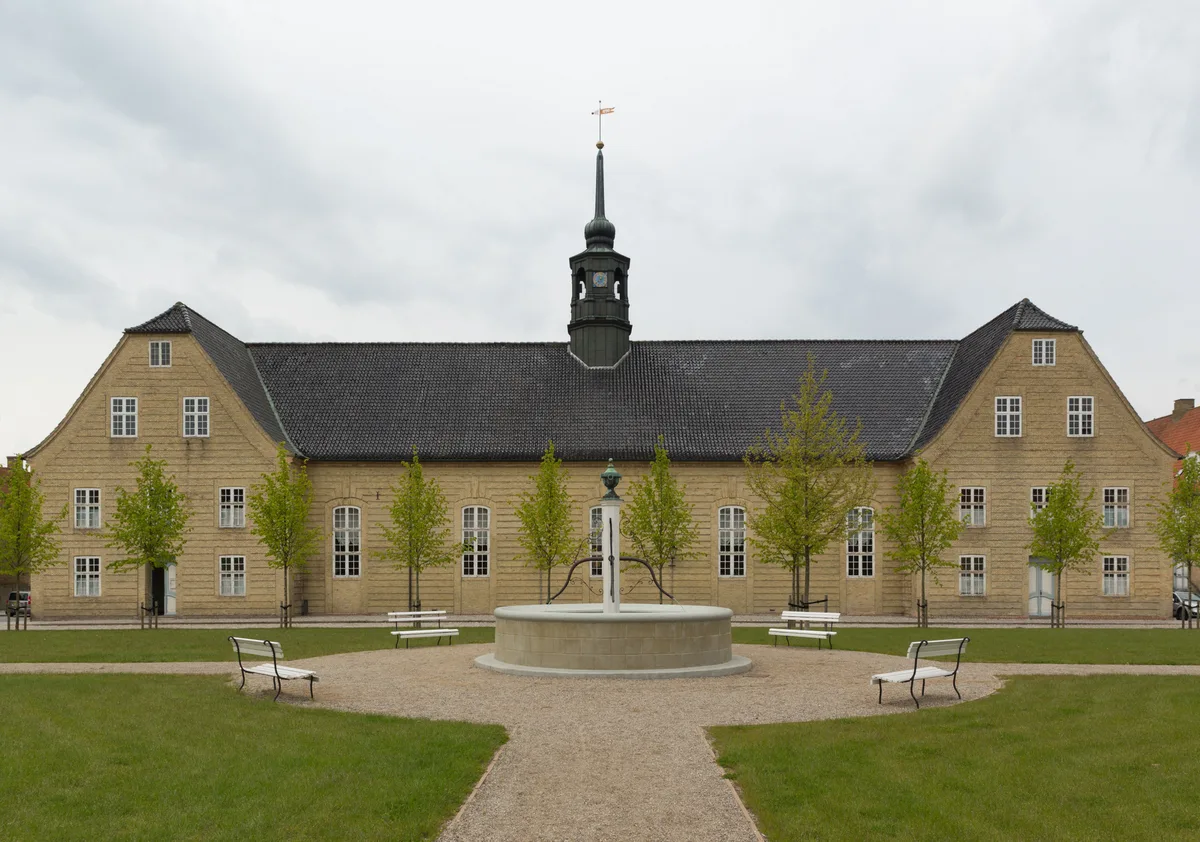
Moravian Church Settlements
Moravian Church Settlements — World Heritage Site in Denmark, Germany, USA and the UK.
Frequently asked questions
- Where is Giant's Causeway?
- Giant's Causeway is in Northern Ireland, United Kingdom (postcode BT57 8AR).
- What is Giant's Causeway?
- Giant's Causeway — rock formation on the Antrim coast of Northern Ireland.
- How do I get to Giant's Causeway?
- The nearest railway station is Giant's Causeway, about 1.1 km away. The nearest town is Dunseverick. Drivers can use postcode BT57 8AR.
- How do I get to Giant's Causeway?
- The nearest railway station is Giant's Causeway, about 1.1 km away. Drivers can navigate to postcode BT57 8AR.