
Archaeological sites · East of England
Forest of Essex
In or near Margaretting.
Forest of Essex is a archaeological site in the United Kingdom.
_p48_-_Forest_of_Essex._Disafforestations_and_Boundaries_in_1301.jpg?width=1200)
Wikimedia Commons licence
Plan your visit
- Typical visit
- 45 min–1.5 h
- Nearest railway station
- Ingatestone · 3.8 km
- Free entry
- Dog-friendly
Getting there & planning your visit
To visit the Forest of Essex, the nearest railway station is Ingatestone, located 3.8 km away. The postcode for the area is CM4 0HB. Entry to the site is free.
About
Forest of Essex is an archaeological site in the United Kingdom. Coordinates: 51.7000°, 0.4000°. This entry is part of The Great Britain Guide, a free, ad-free, open-data tourist directory.
Photo gallery
From the Wikipedia article
The Forest of Essex was a royal forest that existed from around 1100 and was disestablished in the 13th century. Forests were legal institutions introduced by the Normans to denote an area where the King or another magnate had the right to keep and hunt deer and make Forest Law. Initially there was a very weak correlation between the extent of the legal forest and what might be termed the 'physical forest', the often wooded common land areas where the deer lived. In later centuries there was a much stronger correlation, so much so that the word forest is now taken to mean the same as woodland. The Forest of Essex covered nearly all of Essex most of which was unwooded. The naturalist Oliver Rackham carried out an analysis of Domesday returns for Essex and was able to estimate the county was 20% wooded in 1086. The area covered by Forest Law excluded the least wooded areas of the county along the Thames and North Sea coasts so the percentage for the Forest of Essex was a little higher. Over time parts of the country were disafforested, removed from Forest Law. In 1204 the men of Essex paid the King 500 marks and five palfreys for the 'forest of Essex which is beyond the Causeway between Colchester and Bishop's Stortford to be disafforested. In 1327 Edward III confirmed the Charter of the Forest (originally granted by Edward I in 1304) removing most of the rest of the rest of the County from Forest Law, ending the Forest of Essex. Forest Law now applied only to royal manors and the heavily wooded areas in the south-west Essex. This disestablishment of the Forest of Essex led to the creation of four new smaller Forests which concentrated on areas with a greater proportion of woodland cover, namely: Waltham Forest (which included the physical forest areas subsequently known as Epping Forest, Wintry Forest (north of Epping) and Hainault Forest), Hatfield Forest, Writtle Forest and the long lost Kingswood Forest near Colchester. Hatfield and Writtle were royal manors…
Excerpt from Wikipedia under CC BY-SA 4.0. See the source article linked in Sources below.
- Coordinates
- 51.7000, 0.4000
- County
- Essex
- District
- Chelmsford
- Parish
- Margaretting
- Postcode
- CM4 0HB
- Parliamentary constituency
- Maldon
- Nearest railway station
- Ingatestone — 3.8 km
Sources
- wikidata: Q24993408 (CC0)
- wikipedia: Forest of Essex (CC BY-SA 4.0)
Other places nearby

Margaretting
Villages · 1.5 km

Margaretting Village Sign
Public art & sculpture · 1.6 km
Margaretting Memorial Wheel Cross
Memorials & monuments · 1.6 km

The Viper
Historic pubs · 2.2 km

Margaretting
Towns & cities · 2.2 km

Hylands House
Historic houses · 2.9 km

Fryerning Mill
Windmills · 2.9 km

Fryerning
Villages · 3.0 km

Widford
Villages · 3.4 km

Ingatestone
Towns & cities · 3.6 km

Writtle
Towns & cities · 3.7 km

Ingatestone railway station
Heritage railway stations · 3.8 km
Nearby
📷 5📷 5Public art & sculpture · East of England
Margaretting Village Sign
Margaretting Village Sign — a public art in england-london, United Kingdom.
📷 5Memorials & monuments · East of England
Margaretting Memorial Wheel Cross
Margaretting Memorial Wheel Cross — Grade II listed building-listed memorial in england-london, United Kingdom.
📷 5📷 5Towns & cities · East of England
Margaretting
Margaretting — suburban village in Chelmsford, Essex, England.
📷 5Historic houses · East of England
Hylands House
Hylands House — a other in england-london, United Kingdom.
Where to eat & stay near Forest of Essex
Places to stay
 📷 5
📷 5Campsites · East of England
Skreens Park Activity Centre
Skreens Park Activity Centre — a campsite in england london.
📷 5📷 5📷 5 📷 5
📷 5 📷 5
📷 5Campsites · London
Kelvedon Hatch Camping and Caravanning Club
Kelvedon Hatch Camping and Caravanning Club — a campsite in england london.
Places to eat & drink
📷 5 📷 5
📷 5Historic pubs · East of England
The Anchor
The Anchor — Historic pub — listed building or notable heritage status.
📷 5Historic pubs · East of England
The Star & Garter
The Star & Garter — Historic pub — listed building or notable heritage status.
 📷 5
📷 5Historic pubs · East of England
The Bay Horse
The Bay Horse — Historic pub — listed building or notable heritage status.
 📷 5
📷 5Historic pubs · East of England
The Nags Head
The Nags Head — Historic pub — listed building or notable heritage status.
 📷 5
📷 5More archaeological sites in this region
 Flagship📷 10
Archaeological sites · East of England
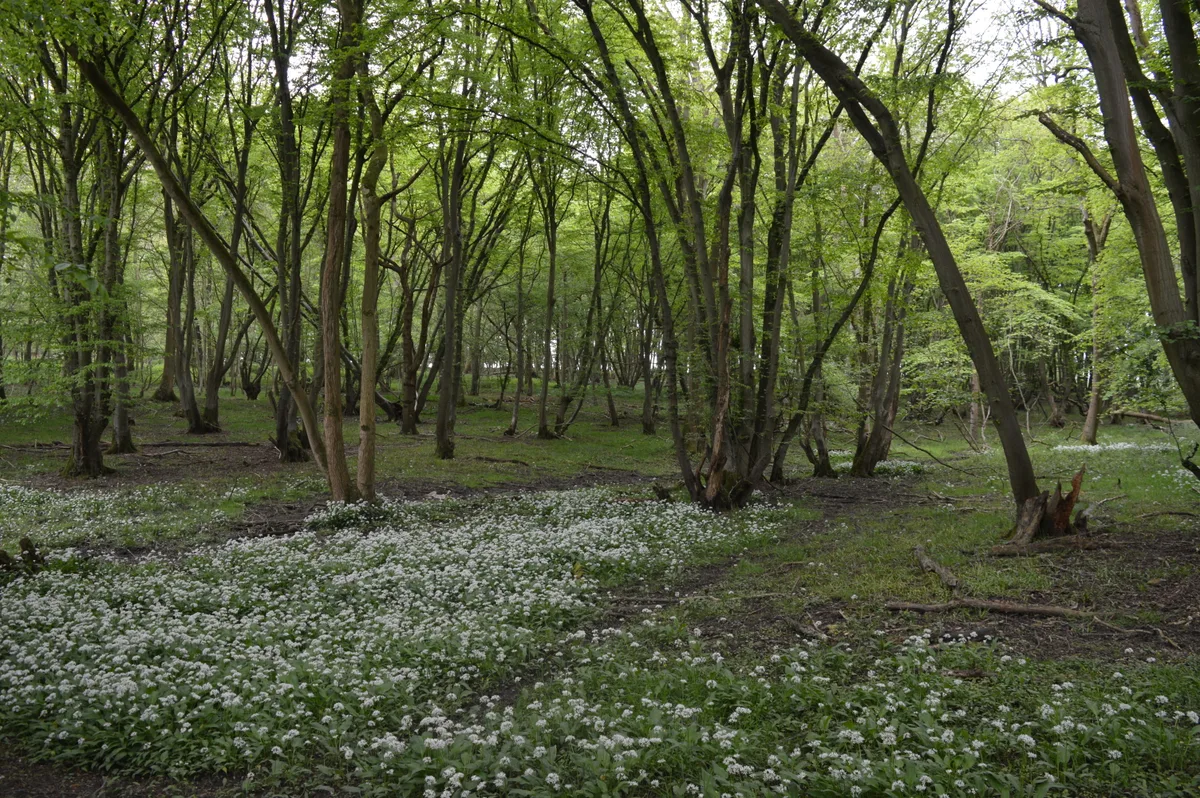
Nunn Wood
Nunn Wood — woods in Essex, England, a Site of Special Scientific Interest.
 📷 5
📷 5Archaeological sites · East of England
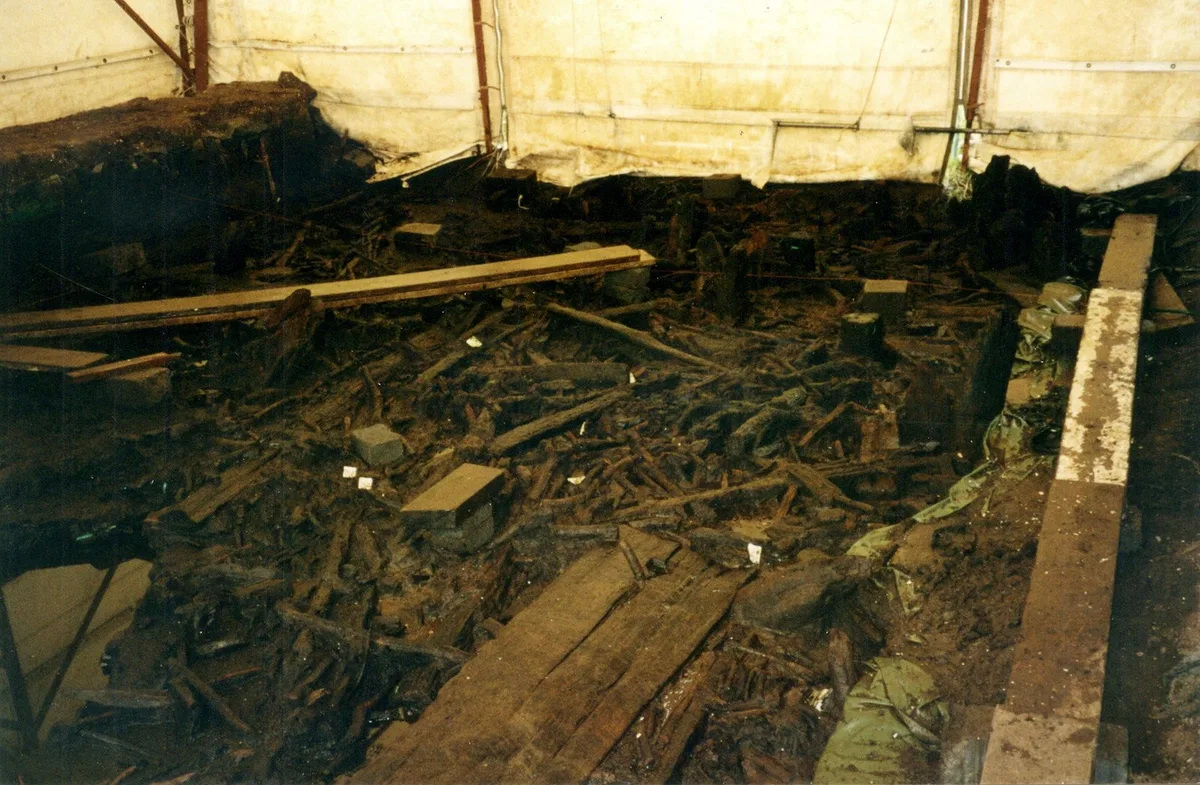
A Bronze Age post alignment and timber platform at Flag Fen and associated Bronze Age and later field systems and settlement to
A Bronze Age post alignment and timber platform at Flag Fen and associated Bronze Age and later field systems and settlement to — archaeological site in Thorney, City of Peterborough, England, UK.
 📷 5
📷 5Archaeological sites · East of England
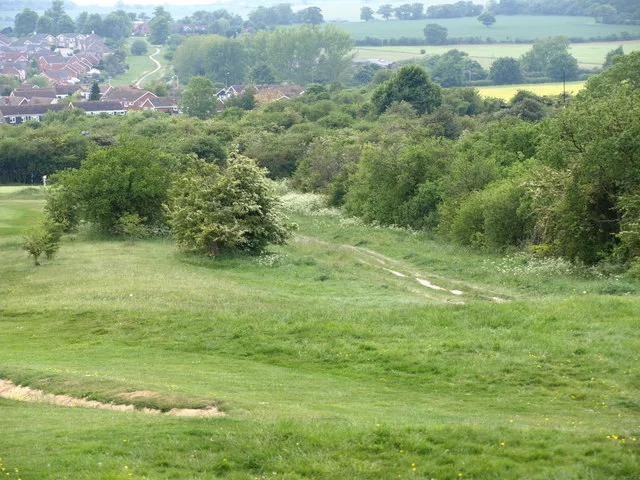
Causewayed enclosure 900m west of Great Wilbraham parish church
Causewayed enclosure 900m west of Great Wilbraham parish church — archaeological site in Great Wilbraham, South Cambridgeshire, England, UK.
 📷 5
📷 5Archaeological sites · East of England
Dray's Ditches
Dray's Ditches — archaeological site in Streatley, Central Bedfordshire, England, UK.
Frequently asked questions
- Where is Forest of Essex?
- Forest of Essex is in Essex, East of England, United Kingdom (postcode CM4 0HB), in the parish of Margaretting.
- What is Forest of Essex?
- Forest of Essex is a archaeological site in the United Kingdom.
- How do I get to Forest of Essex?
- The nearest railway station is Ingatestone, about 3.8 km away. The nearest town is Margaretting. Drivers can use postcode CM4 0HB.
- Is Forest of Essex free to visit?
- Yes, Forest of Essex is free to enter.
- How do I get to Forest of Essex?
- The nearest railway station is Ingatestone, about 3.8 km away. Drivers can navigate to postcode CM4 0HB.