
Memorials & monuments · South East England
Equestrian statue of the Duke of Wellington
In or near Crondall.
Equestrian statue of the Duke of Wellington — Monument, dating to 1846.

Wikimedia Commons contributors — see linked file page for photographer and licence licence

Plan your visit
- Typical visit
- 15 min–45 min
- Nearest railway station
- Aldershot · 1.6 km
- Free entry
- Dog-friendly
Getting there & planning your visit
The Equestrian statue of the Duke of Wellington is located in Rushmoor, Hampshire, with the postcode GU11 1QB. The nearest railway station is Aldershot, which is 1.6 km away. Entry to the statue is free.
About
Equestrian statue of the Duke of Wellington is a public memorial or monument in the United Kingdom. Records date its origin to 1846. Wikidata describes it as: "Monument, dating to 1846.". Coordinates: 51.2534°, -0.7799°.
Photo gallery
360° viewimagery from 2020
Imagery © Mapillary contributors, CC BY-SA 4.0
Heritage listing
The Wellington statue in Aldershot, England is a monument to Arthur Wellesley, 1st Duke of Wellington, victor at the Battle of Waterloo and later prime minister of the United Kingdom. Sculpted by Matthew Cotes Wyatt, it was the largest equestrian statue in Britain when it was unveiled at its original location on the Wellington Arch at Hyde Park Corner in 1846.
From the Historic England List Entry under OGL v3.
Protected designations
- Area of Outstanding Natural Beauty: Surrey Hills
Designations sourced from Natural England open data under OGL v3.
From the Wikipedia article
The Wellington statue in Aldershot, England is a monument to Arthur Wellesley, 1st Duke of Wellington, victor at the Battle of Waterloo and later prime minister of the United Kingdom. Sculpted by Matthew Cotes Wyatt, it was the largest equestrian statue in Britain when it was unveiled at its original location on the Wellington Arch at Hyde Park Corner in 1846.
Excerpt from Wikipedia under CC BY-SA 4.0. See the source article linked in Sources below.
Background
History
In 1837 a committee was formed under the chairmanship of the Duke of Rutland to raise sufficient funds for a memorial to the Duke of Wellington. The sculptor was Matthew Cotes Wyatt. In the statue Wellington is shown on Copenhagen, the famous charger he had ridden at Waterloo. Much of the bronze in the statue is derived from French cannon captured at Waterloo and remelted in Wyatt's foundry. Wellington himself sat for the sculptor; Copenhagen, however, had died and a substitute horse was used as a model. This offended many at the time, who saw a poor likeness to Copenhagen in the statue. The position selected for the sculpture was on top of the triumphal arch at Hyde Park Corner, built in…
Sourced from Wikipedia under CC BY-SA 4.0.
- Coordinates
- 51.2534, -0.7799
- County
- Hampshire
- District
- Rushmoor
- Parish
- Rushmoor, unparished area
- Postcode
- GU11 1QB
- Parliamentary constituency
- Aldershot
- Established
- 1846
- Nearest railway station
- Aldershot — 1.6 km
Sources
- osm: n638580426 (ODbL)
- wikipedia: Equestrian statue of the Duke of Wellington, Aldershot (CC BY-SA 4.0)
- commons: Wellingtonstatue.jpg (CC BY-SA 4.0)
Other places nearby
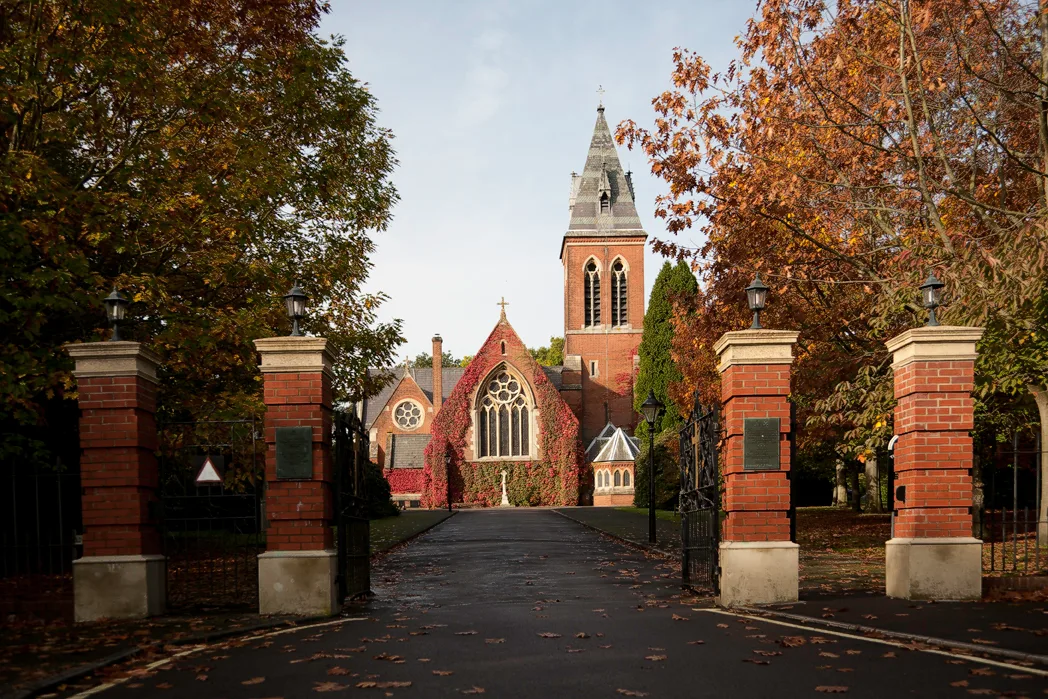
Royal Garrison Church
Historic churches · 0.2 km

Royal Garrison Church, Aldershot
Historic churches · 0.2 km

Prince Consort's Library
Historic libraries · 0.5 km

Bat's Hog Sty
Archaeological sites · 0.7 km

Alexandra Cinema
Theatres · 0.7 km

Memorial Square
Memorials & monuments · 0.7 km

Old Union Poor House (Workhouse)
Gardens · 0.8 km
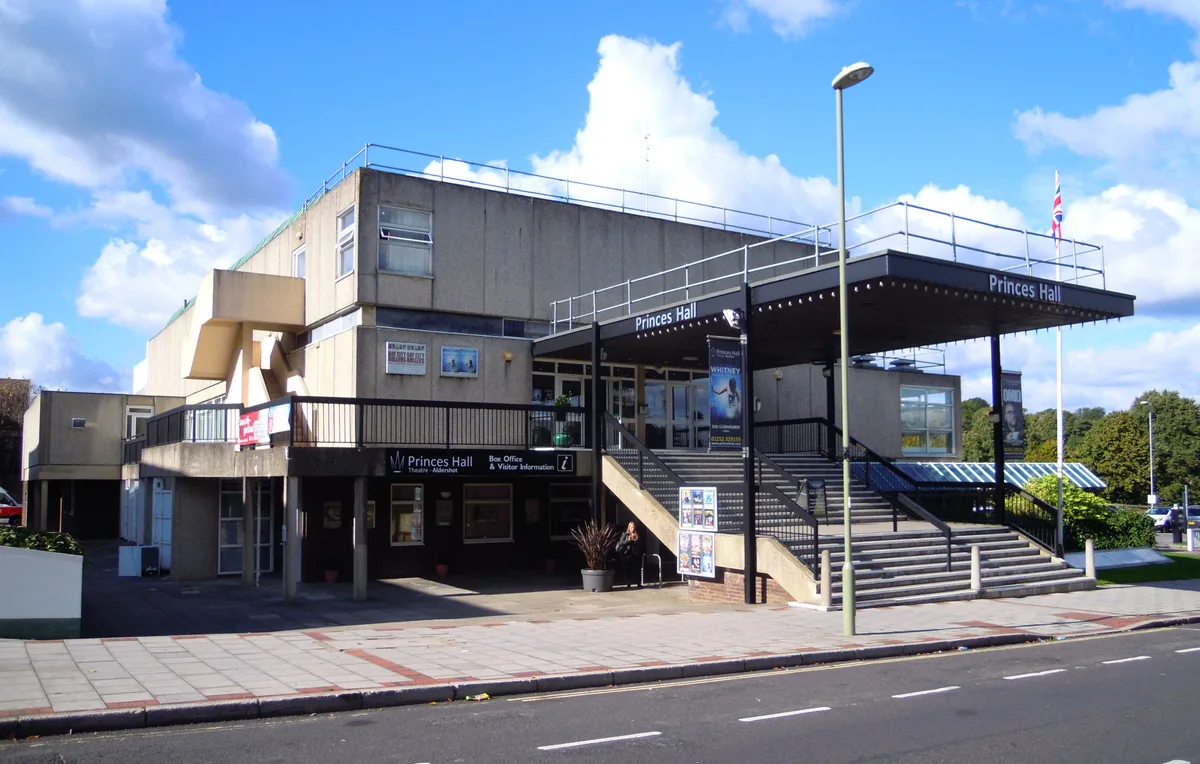
Princes Hall
Theatres · 0.9 km

Princes Hall
Open-air theatres · 0.9 km
Cineworld
Cinemas · 0.9 km
British Army 2nd Division World War I Memorial
Memorials & monuments · 0.9 km

Cineworld Cinema Aldershot
Theatres · 0.9 km
Nearby
📷 5Historic churches · South East England
Royal Garrison Church
Royal Garrison Church — church building in Rushmoor, Hampshire, England, UK.
📷 5Historic churches · South East England
Royal Garrison Church, Aldershot
Royal Garrison Church, Aldershot — a other in england-south-east, United Kingdom.
📷 5Historic libraries · South East England
Prince Consort's Library
Prince Consort's Library — building by Francis Fowke in Aldershot, England.
📷 5Archaeological sites · South East England
Bat's Hog Sty
Bat's Hog Sty — a archaeological in england-south-east, United Kingdom.
📷 5Theatres · South East England
Alexandra Cinema
Alexandra Cinema in England South East, United Kingdom.
📷 5Memorials & monuments · South East England
Memorial Square
Memorial Square — a memorial in england-south-east, United Kingdom.
Where to eat & stay near Equestrian statue of the Duke of Wellington
Places to stay
 📷 5
📷 5Campsites · South East England
Runways End Outdoor Centre
Runways End Outdoor Centre — a campsite in england south east.
 📷 5
📷 5 📷 5
📷 5Caravan parks · South East England
Grove Farm Park Mobile Home Park
Grove Farm Park Mobile Home Park — a caravan park in england south east.
 📷 5
📷 5Caravan parks · South East England
Mytchett Farm (Mobile Home Park)
Mytchett Farm (Mobile Home Park) — a caravan park in england south east.
 📷 5
📷 5 📷 5
📷 5Caravan parks · South East England
Basingstoke Canal Caravan and Camp Site
Basingstoke Canal Caravan and Camp Site — a caravan park in england south east.
Places to eat & drink
 📷 7
📷 7Historic pubs · South East England
8 And 9 (The Queens Head), The Borough
8 And 9 (The Queens Head), The Borough in England South East, United Kingdom.
 📷 7
📷 7Historic pubs · South East England
William Cobbett Public House
William Cobbett Public House in England South East, United Kingdom.
 📷 5
📷 5Historic pubs · South East England
The Tumble Down Dick Pub
The Tumble Down Dick Pub in England South East, United Kingdom.
 📷 7
📷 7Historic pubs · South East England
The Fox Public House
The Fox Public House in England South East, United Kingdom.
 📷 7
📷 7Restaurants · South East England
The Bengal Lounge
The Bengal Lounge — a restaurant in england south east.
 📷 5
📷 5Historic pubs · South East England
The Waterwitch
The Waterwitch in England South East, United Kingdom.
Other memorials from this era
 📷 5
📷 5Memorials & monuments · London
Admiral Sir John Franklin
Admiral Sir John Franklin is a memorial in the United Kingdom.
 📷 5
📷 5Memorials & monuments · London
Baron de Stern Clock Tower
Baron de Stern Clock Tower is a memorial in the United Kingdom.
.jpg?width=1200) 📷 5
📷 5Memorials & monuments · London
Bringer of Peace
Bringer of Peace is a memorial in the United Kingdom.
 📷 5
📷 5Memorials & monuments · London
Charles George Gordon
Charles George Gordon — Public artwork (statue).
More memorials in this region
 📷 5
📷 5Memorials & monuments · South East England
Air Forces Memorial
Air Forces Memorial is a memorial in the United Kingdom.
 📷 5
📷 5Memorials & monuments · South East England
All Saints Church
All Saints Church is a memorial in the United Kingdom.
 📷 5
📷 5Memorials & monuments · South East England
Bevans War Memorial
Bevans War Memorial is a memorial in the United Kingdom.
.jpg?width=1200) 📷 5
📷 5Memorials & monuments · South East England
Cumberland Obelisk
Cumberland Obelisk is a memorial in the United Kingdom.
Frequently asked questions
- Where is Equestrian statue of the Duke of Wellington?
- Equestrian statue of the Duke of Wellington is in Hampshire, South-East England, United Kingdom (postcode GU11 1QB), in the parish of Rushmoor, unparished area.
- What is Equestrian statue of the Duke of Wellington?
- Equestrian statue of the Duke of Wellington — Monument, dating to 1846.
- How do I get to Equestrian statue of the Duke of Wellington?
- The nearest railway station is Aldershot, about 1.6 km away. The nearest town is Crondall. Drivers can use postcode GU11 1QB.
- When was Equestrian statue of the Duke of Wellington built?
- Built or established in 1846.
- Who owns Equestrian statue of the Duke of Wellington?
- Equestrian statue of the Duke of Wellington is owned by | accession =.
- Is Equestrian statue of the Duke of Wellington a listed building?
- Equestrian statue of the Duke of Wellington is officially recognised as Grade II listed building listed.
- Is Equestrian statue of the Duke of Wellington a protected site?
- Yes — Equestrian statue of the Duke of Wellington is part of the Surrey Hills National Landscape (AONB).
- Is Equestrian statue of the Duke of Wellington free to visit?
- Yes, Equestrian statue of the Duke of Wellington is free to enter.