
Castles · Scottish Highlands
Elgin, Moray
Also known as: Elgin, Eilginn
In or near Longmorn.
Elgin ( EL-ghin; Scots: Ailgin; Scottish Gaelic: Eilginn [ˈel(e)kʲɪɲ]) is a historic town (former cathedral city) and formerly a royal burgh in Moray, Scotland. It is the administrative and commercial

Des Colhoun — CC BY-SA 2.0 via Wikimedia Commons licence

Plan your visit
- Typical visit
- 1.5 h–3 h
- Nearest railway station
- Elgin · 0.7 km
- Family-friendly
- Limited wheelchair access
Getting there & planning your visit
To visit Elgin Castle in Moray, the nearest railway station is Elgin, located 0.7 km away. The postcode for sat-nav is IV30 1BW. Please note that wheelchair accessibility is limited.
About
Elgin ( EL-ghin; Scots: Ailgin; Scottish Gaelic: Eilginn [ˈel(e)kʲɪɲ]) is a historic town (former cathedral city) and formerly a royal burgh in Moray, Scotland. It is the administrative and commercial centre for Moray. The town originated to the south of the River Lossie on the higher ground above the floodplain where the town of Birnie is. There, the church of Birnie Kirk was built in 1140 and still serves the community. Elgin is first documented in the Cartulary of Moray in AD 1190. It was created a royal burgh in the 12th century by King David I of Scotland, and by that time had a castle on top of the present-day Lady Hill to the west of the town. The origin of the name Elgin is likely to be Celtic. It may derive from 'Aille' literally signifying beauty, but in topography a beautiful place or valley. Another possibility is 'ealg', meaning both 'Ireland' and 'worthy'. The termination 'gin' or 'in' are Celtic endings signifying little or diminutive forms, hence Elgin could mean beautiful place, worthy place or little Ireland.
Photo gallery
360° viewimagery from 2019
Imagery © Mapillary contributors, CC BY-SA 4.0
From the Wikipedia article
Elgin ( EL-ghin; Scots: Ailgin; Scottish Gaelic: Eilginn [ˈel(e)kʲɪɲ]) is a historic town (former cathedral city) and formerly a royal burgh in Moray, Scotland. It is the administrative and commercial centre for Moray. The town originated to the south of the River Lossie on the higher ground above the floodplain where the town of Birnie is. There, the church of Birnie Kirk was built in 1140 and still serves the community. Elgin is first documented in the Cartulary of Moray in AD 1190. It was created a royal burgh in the 12th century by King David I of Scotland, and by that time had a castle on top of the present-day Lady Hill to the west of the town. The origin of the name Elgin is likely to be Celtic. It may derive from 'Aille' literally signifying beauty, but in topography a beautiful place or valley. Another possibility is 'ealg', meaning both 'Ireland' and 'worthy'. The termination 'gin' or 'in' are Celtic endings signifying little or diminutive forms, hence Elgin could mean beautiful place, worthy place or little Ireland.
Excerpt from Wikipedia under CC BY-SA 4.0. See the source article linked in Sources below.
Background
History
, found in the churchyard of St Giles' Church in 1823]] The discovery of the Elgin Pillar, a 9th-century class II Pictish stone, under the High Street in 1823 suggests there may have been an Early Christian presence in the area of the later market, but there is no further evidence of activity before Elgin was created a Royal Burgh in the 12th century. In August 1040, MacBeth's army defeated and killed Duncan I at Bothganowan (Pitgaveny), near Elgin. Elgin is first recorded in a charter of David I in 1151 in which he granted an annuity to the Priory of Urquhart. David had made Elgin a royal burgh around 1130, after his defeat of Óengus of Moray. During David's reign, the castle was…
Sourced from Wikipedia under CC BY-SA 4.0.
- Coordinates
- 57.6486, -3.3153
- District
- Moray
- Postcode
- IV30 1BW
- Parliamentary constituency
- Moray West, Nairn and Strathspey
- Nearest railway station
- Elgin — 0.7 km
Sources
- wikipedia: Elgin, Moray (CC BY-SA 4.0)
Other places nearby

St Giles' Church of Scotland, High Street, Elgin
Historic churches · 0.0 km

Elgin War Memorial
Memorials & monuments · 0.0 km

Muckle Cross
Memorials & monuments · 0.0 km
War Memorial, High Street, Elgin
Memorials & monuments · 0.0 km

Elgin landmarks
Public art & sculpture · 0.1 km

Dandy Lion
Public art & sculpture · 0.1 km

Elgin High Church, South Street, Elgin
Historic churches · 0.2 km

Moray Playhouse
Cinemas · 0.2 km
Free Church, South Street, Elgin
Historic churches · 0.2 km

Holy Trinity Episcopal Church, Trinity Place, Elgin
Historic churches · 0.2 km

Moray Playhouse
Theatres · 0.2 km
Elgin Mosque
Historic churches · 0.2 km
Nearby
📷 5Historic churches · Scottish Highlands
St Giles' Church of Scotland, High Street, Elgin
St Giles' Church of Scotland, High Street, Elgin — category A listed building-listed church in scotland-highlands, United Kingdom.
📷 3Memorials & monuments · Scottish Highlands
Elgin War Memorial
Elgin War Memorial — a memorial in scotland-highlands, United Kingdom.
📷 4Memorials & monuments · Scottish Highlands
Muckle Cross
Muckle Cross is a memorial in the United Kingdom.
📷 5Memorials & monuments · Scottish Highlands
War Memorial, High Street, Elgin
War Memorial, High Street, Elgin — category C listed building-listed memorial in scotland-highlands, United Kingdom.
📷 3Public art & sculpture · Scottish Highlands
Elgin landmarks
Elgin landmarks — a public art in scotland-highlands, United Kingdom.
📷 3Public art & sculpture · Scottish Highlands
Dandy Lion
Dandy Lion — a public art in scotland-highlands, United Kingdom.
Where to eat & stay near Elgin, Moray
Places to stay
 📷 5
📷 5Hotels · Scottish Highlands
Mansion House Hotel & Country Club
Mansion House Hotel & Country Club — a hotel in scotland highlands.
 📷 5
📷 5Caravan parks · Scottish Highlands
Riverside Caravan Park Elgin
Riverside Caravan Park Elgin — a caravan park in scotland highlands.
 📷 5
📷 5Caravan parks · Scottish Highlands
Lossiemouth Caravan Park
Lossiemouth Caravan Park — a caravan park in scotland highlands.
 📷 5
📷 5Caravan parks · Scottish Highlands
Silver Sands Leisure Park
Silver Sands Leisure Park — a caravan park in scotland highlands.
 📷 5
📷 5Caravan parks · Scottish Highlands
North Alves Holiday Park
North Alves Holiday Park — a caravan park in scotland highlands.
 📷 5
📷 5Caravan parks · Scottish Highlands
Station Caravan Park
Station Caravan Park — a caravan park in scotland highlands.
Places to eat & drink
 📷 5
📷 5Historic pubs · Scottish Highlands
Seafield Arms Hotel, 84, 86 Mid Street, Keith
Seafield Arms Hotel, 84, 86 Mid Street, Keith in Scotland Highlands, United Kingdom.
More castles in this region
 📷 3
📷 3Castles · Scottish Highlands
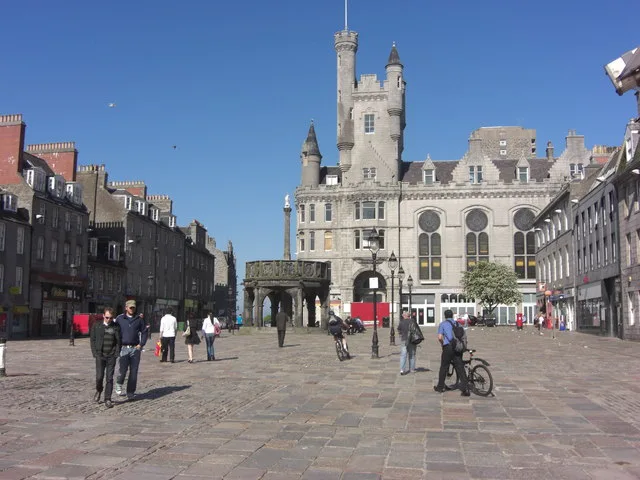
Aberdeen Castle
Aberdeen Castle — castle in Aberdeen City, Scotland, UK.
 📷 3
📷 3Castles · Scottish Highlands
Abergairn Castle
Abergairn Castle — castle in Aberdeenshire, Scotland, UK.
 📷 5
📷 5Castles · Scottish Highlands
Aberscross Castle
Aberscross Castle — castle near Dornoch, Highland, Scotland, UK, ruinous by the 17th century.
 📷 3
📷 3Castles · Scottish Highlands
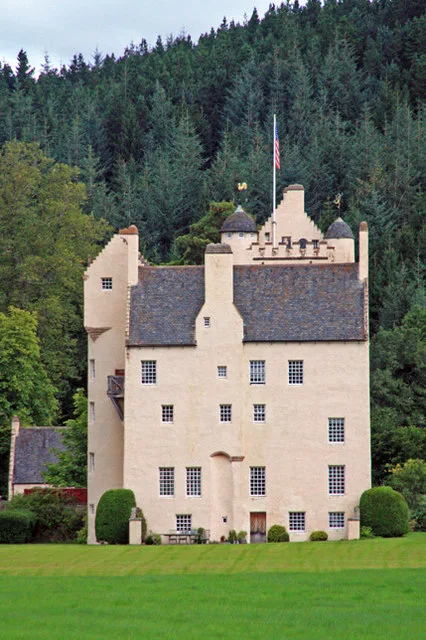
Aboyne Castle
Aboyne Castle — castle in Aberdeenshire, Scotland, UK.
Frequently asked questions
- Where is Elgin, Moray?
- Elgin, Moray is in the Scottish Highlands, United Kingdom (postcode IV30 1BW).
- What is Elgin, Moray?
- Elgin ( EL-ghin; Scots: Ailgin; Scottish Gaelic: Eilginn [ˈel(e)kʲɪɲ]) is a historic town (former cathedral city) and formerly a royal burgh in Moray, Scotland. It is the administrative and commercial
- How do I get to Elgin, Moray?
- The nearest railway station is Elgin, about 0.7 km away. The nearest town is Longmorn. Drivers can use postcode IV30 1BW.
- Does Elgin, Moray charge admission?
- Elgin, Moray typically charges admission. Check the official site for current ticket prices and opening hours.
- How do I get to Elgin, Moray?
- The nearest railway station is Elgin, about 0.7 km away. Drivers can navigate to postcode IV30 1BW.