
Castles · Scottish Highlands
Edzell Castle
In or near Edzell.
Edzell Castle — castle ruin and walled garden in Edzell, Angus, Scotland, UK.

Wikimedia Commons contributors — see linked file page for photographer and licence licence

Plan your visit
- Typical visit
- 1.5 h–3 h
- Nearest railway station
- Brechin · 9.1 km
- Family-friendly
- Limited wheelchair access
Getting there & planning your visit
To visit Edzell Castle, the nearest railway station is Brechin, which is 9.1 km away. The postcode for sat-nav is DD9 7UE. Entry has limited wheelchair accessibility.
About
Edzell Castle is a castle in the United Kingdom — fortified architecture from the medieval, Tudor, or Victorian-revival period. Records date its origin to 1520. Heritage designation: scheduled monument. Wikidata describes it as: "castle ruin and walled garden in Edzell, Angus, Scotland, UK". Coordinates: 56.8118°, -2.6800°.
Photo gallery
Heritage listing
Edzell Castle is a ruined 16th-century castle, with an early-17th-century walled garden. It is located close to Edzell, and is around 5 miles (8 km) north of Brechin, in Angus, Scotland. Edzell Castle was begun around 1520 by David Lindsay, 9th Earl of Crawford, and expanded by his son, Sir David Lindsay, Lord Edzell, who also laid out the garden in 1604. The castle saw little military action, and was, in its design, construction and use, more of a country house than a defensive structure. It was briefly occupied by English troops during Oliver Cromwell's invasion of Scotland in 1651. In 1715 it was sold by the Lindsay family, and eventually came into the ownership of the Earl of Dalhousie.
From Historic Environment Scotland under OGL v3.
From the Wikipedia article
Edzell Castle is a ruined 16th-century castle, with an early-17th-century walled garden. It is located close to Edzell, and is around 5 miles (8 km) north of Brechin, in Angus, Scotland. Edzell Castle was begun around 1520 by David Lindsay, 9th Earl of Crawford, and expanded by his son, Sir David Lindsay, Lord Edzell, who also laid out the garden in 1604. The castle saw little military action, and was, in its design, construction and use, more of a country house than a defensive structure. It was briefly occupied by English troops during Oliver Cromwell's invasion of Scotland in 1651. In 1715 it was sold by the Lindsay family, and eventually came into the ownership of the Earl of Dalhousie. It was given into state care in the 1930s, and is now a visitor attraction run by Historic Environment Scotland (open all year; entrance charge). The castle consists of the original tower house and building ranges around a courtyard. The adjacent Renaissance walled garden, incorporating intricate relief carvings, is unique in Scotland. It was replanted in the 1930s, and is considered to have links to esoteric traditions, including Rosicrucianism and Freemasonry.
Excerpt from Wikipedia under CC BY-SA 4.0. See the source article linked in Sources below.
Background
History
The first castle at Edzell was a timber motte and bailey structure, built to guard the mouth of Glenesk, a strategic pass leading north into the Highlands. The motte, or mound, is still visible 300 m south-west of the present castle, and dates from the 12th century. It was the seat of the Abbott, or Abbe, family, and was the centre of the now-vanished original village of Edzell. The Abbotts were succeeded as lords of Edzell by the Stirlings of Glenesk, and the Stirlings in turn by the Lindsays. In 1358, Sir Alexander de Lindsay, third son of David Lindsay of Crawford, married the Stirling heiress, Katherine Stirling. Alexander's son, David, was created Earl of Crawford in 1398. Edzell…
Architecture
To complement the garden, a bath house and summer house were constructed at the corners of the garden furthest from the castle. The bath house is ruined, but the two-storey summer house survives intact. It comprises a groin-vaulted lower room, with an upper chamber, containing the only surviving example of the castle's carved-oak wall panelling. Charles McKean attributes the design and construction of the garden buildings to Thomas Leiper, an Aberdeenshire stonemason, based on the elaborately decorated gun holes in the summer house. The planting was recreated in the 1930s. No original plan of the renaissance garden survives, although records show fruit was grown in the 17th century.
Description
The motte, still known as Castlehillock, is the only remainder of the first Edzell Castle. It lies 300m south-west of the later castle, by a bend in the West Water, and comprises a low, partially natural mound. The motte is aligned north-west to south-east, and is around 36 m long by 16 m across at its broadest point, and around 4 m high. An outer bailey, or courtyard, up to 61 m across formerly surrounded the motte, and was bordered by a deep ditch.
Sourced from Wikipedia under CC BY-SA 4.0.
- Coordinates
- 56.8118, -2.6800
- District
- Angus
- Postcode
- DD9 7UE
- Parliamentary constituency
- Angus and Perthshire Glens
- Phone
- 01356648631
- Established
- 1520
- Nearest railway station
- Brechin — 9.1 km
- Official site
- discoverscottishgardens.org
Sources
- wikidata: Q2373236 (CC0)
- wikipedia: Edzell Castle (CC BY-SA 4.0)
- commons: Edzell Castle.jpg (CC BY-SA 4.0)
- fsq: 57cd7330498ec171c2f69868 (Apache-2.0)
Other places nearby

Mains of Edzell
Vineyards · 0.3 km

Castle Hillock, Motte and Bailey
Castles · 0.4 km

Castle Hillock
Literary houses · 0.4 km
Edzell Old Church and Lindsay Burial Aisle, 465m SSW of Edzell Castle
Historic churches · 0.5 km
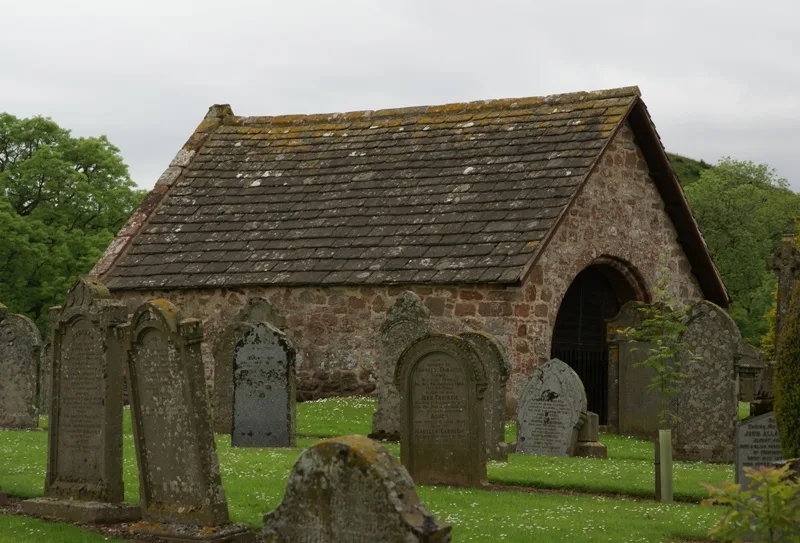
Lindsay Burial Aisle
Historic churches · 0.5 km

Dunlappie
Vineyards · 1.0 km

Hill of Edzell
Mountains & hills · 1.3 km
Hill of Edzell
Mountains & hills · 1.3 km

Edzell Parish Church, Edzell
Historic churches · 1.3 km

Edzell
Towns & cities · 1.5 km

Edzell War Memorial
Memorials & monuments · 1.6 km

Shakkin' Brig
Natural landmarks · 1.6 km
Nearby
📷 5Vineyards · Scottish Highlands
Mains of Edzell
Mains of Edzell — a UK vineyard in scotland highlands, producing English or Welsh wine from cool-climate grape varieties.
📷 3Castles · Scottish Highlands
Castle Hillock, Motte and Bailey
Castle Hillock, Motte and Bailey — a castle in scotland-highlands, United Kingdom.
📷 5Literary houses · Scottish Highlands
Castle Hillock
Castle Hillock — a literary house museum in scotland highlands.
📷 5Historic churches · Scottish Highlands
Edzell Old Church and Lindsay Burial Aisle, 465m SSW of Edzell Castle
Edzell Old Church and Lindsay Burial Aisle, 465m SSW of Edzell Castle — scheduled monument-listed church in scotland-highlands, United Kingdom.
📷 3Historic churches · Scottish Highlands
Lindsay Burial Aisle
Lindsay Burial Aisle — chapel in Angus, Scotland, UK.
📷 4Vineyards · Scottish Highlands
Dunlappie
Dunlappie — a UK vineyard in scotland highlands, producing English or Welsh wine from cool-climate grape varieties.
Where to eat & stay near Edzell Castle
Places to stay
 📷 5
📷 5Campsites · Scottish Highlands
Glenesk Caravan Park
Glenesk Caravan Park — a campsite in scotland highlands.
 📷 5
📷 5Caravan parks · Scottish Highlands
Clochie Caravan Site
Clochie Caravan Site — a caravan park in scotland highlands.
 📷 5
📷 5Caravan parks · Scottish Highlands
Dovecot Caravan Park
Dovecot Caravan Park — a caravan park in scotland highlands.
 📷 5
📷 5Caravan parks · Scottish Highlands
Tayock Park
Tayock Park — a caravan park in scotland highlands.
 📷 5
📷 5Caravan parks · Scottish Highlands
Ecclesgreig Holiday Park
Ecclesgreig Holiday Park — a caravan park in scotland highlands.
 📷 5
📷 5Caravan parks · Scottish Highlands
St Cyrus Holiday Park
St Cyrus Holiday Park — a caravan park in scotland highlands.
Places to eat & drink
 📷 5
📷 5Historic pubs · Scottish Highlands
95 High Street, Montrose
95 High Street, Montrose in Scotland Highlands, United Kingdom.
 📷 5
📷 5Historic pubs · Scottish Highlands
23 Osnaburg Street, Forfar
23 Osnaburg Street, Forfar in Scotland Highlands, United Kingdom.
Other castles from this era
 📷 5
📷 5Castles · South East England
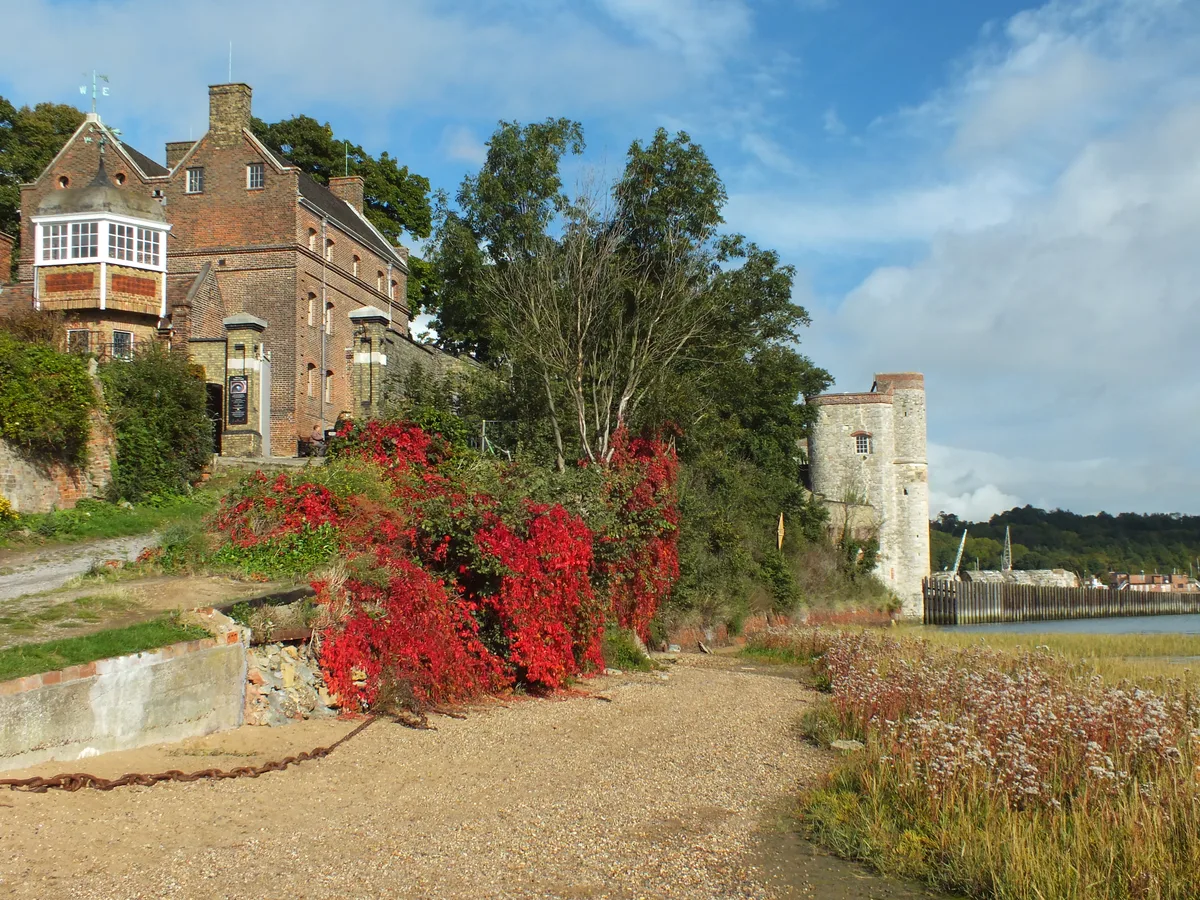
Upnor Castle
Upnor Castle — fort located on the River Medway in Kent.
 📷 5
📷 5Castles · South East England
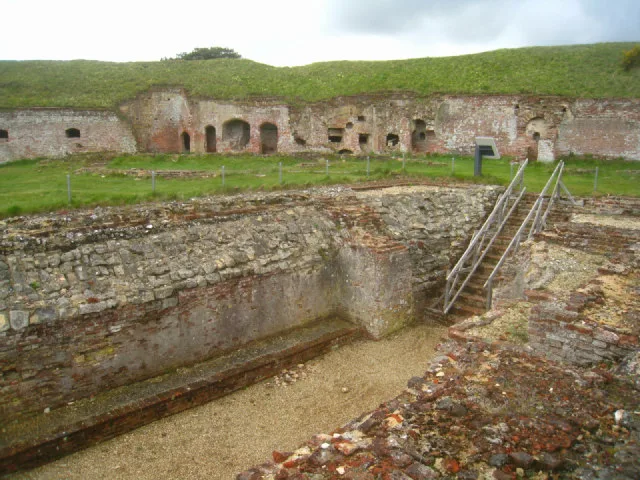
Basing House
Basing House — Tudor palace and castle in Old Basing, United Kingdom.
 📷 5
📷 5Castles · South East England
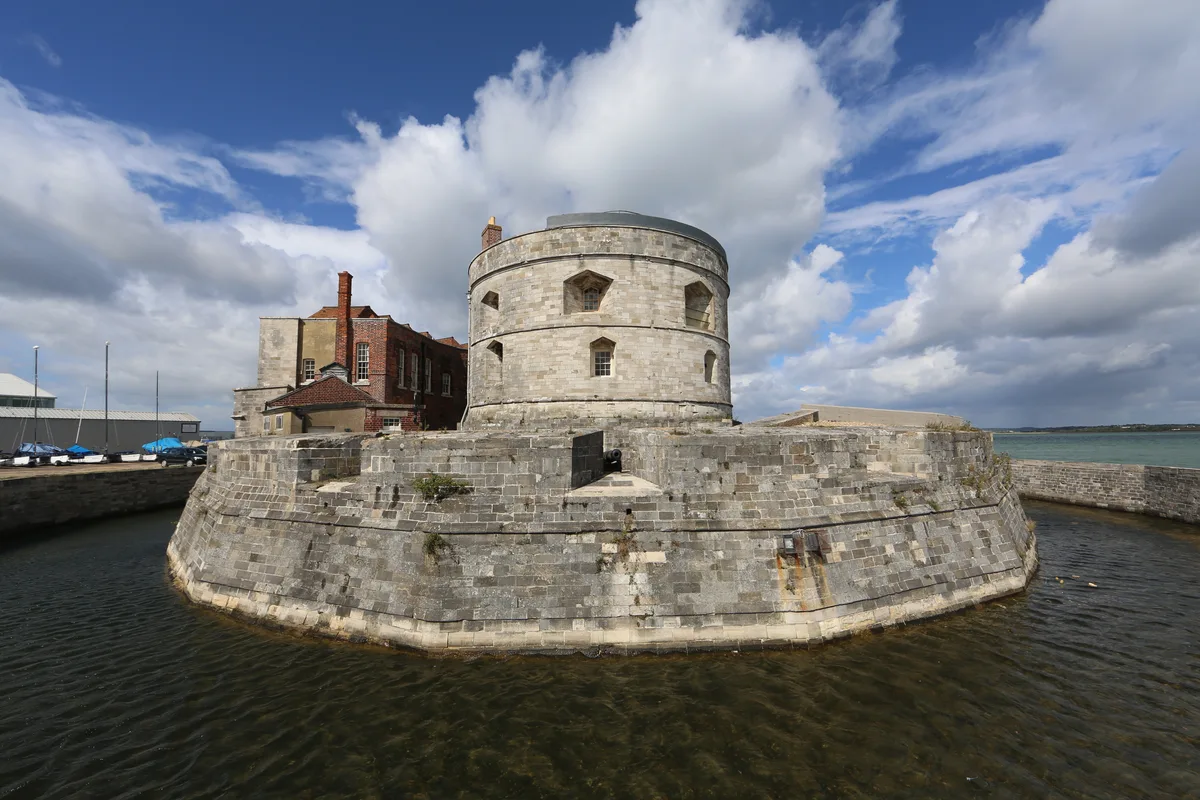
Calshot Castle
Calshot Castle — artillery fort on the Calshot Spit, Hampshire, England, UK.
 📷 5
📷 5Castles · South East England
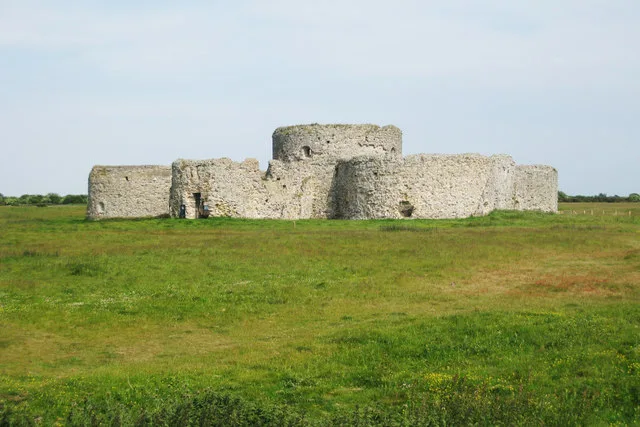
Camber Castle
Camber Castle — 16th-century English fort.
More castles in this region
 📷 3
📷 3Castles · Scottish Highlands
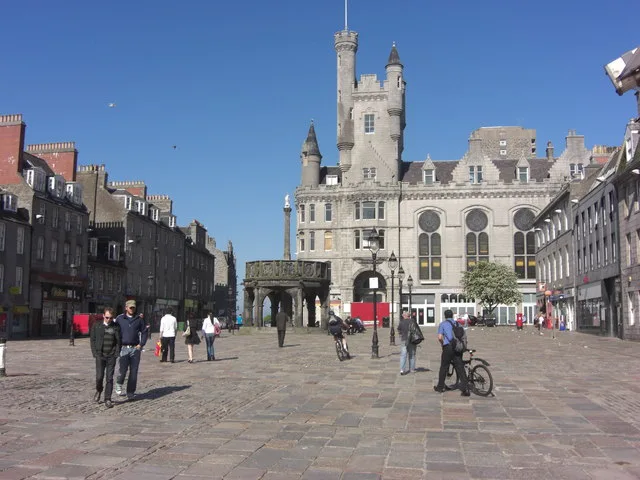
Aberdeen Castle
Aberdeen Castle — castle in Aberdeen City, Scotland, UK.
 📷 3
📷 3Castles · Scottish Highlands
Abergairn Castle
Abergairn Castle — castle in Aberdeenshire, Scotland, UK.
 📷 5
📷 5Castles · Scottish Highlands
Aberscross Castle
Aberscross Castle — castle near Dornoch, Highland, Scotland, UK, ruinous by the 17th century.
 📷 3
📷 3Castles · Scottish Highlands
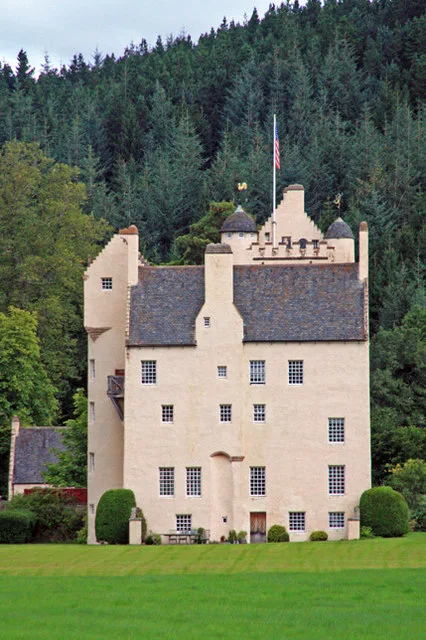
Aboyne Castle
Aboyne Castle — castle in Aberdeenshire, Scotland, UK.
Frequently asked questions
- Where is Edzell Castle?
- Edzell Castle is in the Scottish Highlands, United Kingdom (postcode DD9 7UE).
- What is Edzell Castle?
- Edzell Castle — castle ruin and walled garden in Edzell, Angus, Scotland, UK.
- How do I get to Edzell Castle?
- The nearest railway station is Brechin, about 9.1 km away. The nearest town is Edzell. Drivers can use postcode DD9 7UE.
- When was Edzell Castle built?
- Built or established in 1520.
- Who owns Edzell Castle?
- Edzell Castle is owned by Earl of Dalhousie, managed by Historic Environment Scotland.
- Is Edzell Castle a listed building?
- Edzell Castle is officially recognised as scheduled monument listed.
- Does Edzell Castle charge admission?
- Edzell Castle typically charges admission. Check the official site for current ticket prices and opening hours.
- How do I get to Edzell Castle?
- Drivers can navigate to postcode DD9 7UE. It sits within the Angus and Perthshire Glens parliamentary constituency.