
Hill forts · Yorkshire & the Humber
Eboracum
In or near York.
Eboracum — archaeological site and Roman provincial capital on the site of York, England.

Wikimedia Commons contributors — see linked file page for photographer and licence licence

Plan your visit
- Typical visit
- 1 h–2 h
- Nearest railway station
- York · 1.0 km
- Free entry
- Dog-friendly
Getting there & planning your visit
Eboracum is located in York, Yorkshire, with the postcode YO1 7JA. The nearest railway station is York, which is approximately 1 km away. Entry to the site is free.
About
Eboracum is a hill fort in the United Kingdom. Wikidata describes it as: "archaeological site and Roman provincial capital on the site of York, England". Coordinates: 53.9617°, -1.0806°.
Photo gallery
See it from the streetimagery from 2019
Imagery © Mapillary contributors, CC BY-SA 4.0
Official information
Eboracum offers an engaging axe-throwing experience for individuals and groups, perfect for special occasions like stag and hen parties, corporate events, or just a fun outing with friends. Visitors can enjoy coached sessions, tournaments, and various interactive games.
From the Wikipedia article
Eboracum (Classical Latin: [ɛbɔˈraːkũː]) was a fort and later a city in the Roman province of Britannia. In its prime it was the largest town in northern Britannia and a provincial capital. The site remained occupied after the decline of the Western Roman Empire and ultimately developed into the present-day city of York, in North Yorkshire, England. Two Roman emperors died in Eboracum: Septimius Severus in 211 AD, and Constantius Chlorus in 306 AD. The first known recorded mention of Eboracum by name is dated c. 95–104 AD, and is an address containing the settlement's name, Eburaci, on a wooden stylus tablet from the Roman fortress of Vindolanda in what is now Northumberland. During the Roman period, the name was written both Eboracum and Eburacum (in nominative form). The name Eboracum comes from the Common Brittonic *Eburākon, of disputed meaning. One view is that it meant "yew tree place", if Proto-Celtic *ebura meant "yew" (cf. Old Irish ibar "yew-tree", Irish: iúr (older iobhar), Scottish Gaelic: iubhar, Welsh: efwr "alder buckthorn", Breton: evor "alder buckthorn"), combined with the proprietive suffix *-āko(n) "having" (cf. Welsh -og, Gaelic -ach) (cf. efrog in Welsh, eabhrach/iubhrach in Irish Gaelic and eabhrach/iobhrach in Scottish Gaelic, by which names the city is known in those languages). Other linguists, such as Andrew Breeze and Peter Schrijver, dispute the etymological connection of *eburos and "yew"; Schrijver suggests that *eburos meant "rowan", and that *iwo, giving Welsh yw and Old Irish éo, was the only Proto-Celtic word for "yew". Schrijver has suggested that the derivation from Latin ebur (ivory) instead refers to boar's tusks. The name was Latinized by replacing the Celtic neuter nominative ending -on by its Latin equivalent -um, a common use noted also in Gaul and Lusitania (Ebora Liberalitas Julia). Various place names, such as Évry, Ivry, Ivrey, Ivory and Ivrac in France would all come from *eburacon / *eburiacon; for example:…
Excerpt from Wikipedia under CC BY-SA 4.0. See the source article linked in Sources below.
Background
History
The Roman conquest of Britain began in 43 AD, but advance beyond the Humber did not take place until the early 70s AD. This was because the people in the area, known as the Brigantes by the Romans, became a Roman client state. When Brigantian leadership changed, becoming more hostile to Rome, Roman general Quintus Petillius Cerialis led the Ninth Legion north from Lincoln across the Humber. Eboracum was founded in 71 AD when Cerialis and the Ninth Legion constructed a military fortress (castrum) on flat ground above the River Ouse near its junction with the River Foss. In the same year, Cerialis was appointed Governor of Britain. A legion at full strength at that time numbered some 5,500…
Visiting
from 313 to 324 AD; Musei Capitolini, Rome]] There is evidence that the Emperor Hadrian visited in 122 on his way north to plan his great walled frontier. He either brought, or sent earlier, the Sixth Legion to replace the existing garrison. Emperor Septimius Severus visited Eboracum in 208 and made it his base for campaigning in Caledonia (the fortress wall was probably reconstructed during his stay and at the east angle it is possible to see this work standing almost to full height). The Imperial court was based in York until at least 211, when Severus died and was succeeded by his sons, Caracalla and Geta. Severus was cremated in Eboracum shortly after his death. but no archaeological…
Sourced from Wikipedia under CC BY-SA 4.0.
- Coordinates
- 53.9617, -1.0806
- District
- York
- Parish
- York, unparished area
- Postcode
- YO1 7JA
- Parliamentary constituency
- York Central
- Nearest railway station
- York — 1 km
Sources
- wikidata: Q958954 (CC0)
- wikipedia: Eboracum (CC BY-SA 4.0)
- commons: Constantine York Minster.jpg (CC BY-SA 4.0)
Other places nearby

Roman temple in York
Follies · 0.0 km
7, Minster Yard
Gardens · 0.0 km

Old Residence
Gardens · 0.0 km

The Queen's Path
Memorials & monuments · 0.0 km

41, 43 and 45, Goodramgate
Gardens · 0.1 km

The Snickleway Inn And Attached Buildings At Rear
Historic pubs · 0.1 km

30 and 32 Goodramgate and 11 and 12 College Street
Gardens · 0.1 km

The Hilt
Axe-throwing venues · 0.1 km
.jpg?width=1200)
62 Low Petergate
Historic houses · 0.1 km

Emperor Constantine
Cathedrals · 0.1 km

5 Minster Yard
Gardens · 0.1 km

Roman Column
Memorials & monuments · 0.1 km
Nearby
📷 5Follies · Yorkshire & the Humber
Roman temple in York
Roman temple in York — a temple folly in england-yorkshire, United Kingdom.
📷 4Gardens · Yorkshire & the Humber
7, Minster Yard
7, Minster Yard — a garden in england-yorkshire, United Kingdom.
📷 5Gardens · Yorkshire & the Humber
Old Residence
Old Residence — a garden in england-yorkshire, United Kingdom.
📷 3Memorials & monuments · Yorkshire & the Humber
The Queen's Path
The Queen's Path — a memorial in england-yorkshire, United Kingdom.
📷 4Gardens · Yorkshire & the Humber
41, 43 and 45, Goodramgate
41, 43 and 45, Goodramgate — a garden in england-yorkshire, United Kingdom.
📷 7Historic pubs · Yorkshire & the Humber
The Snickleway Inn And Attached Buildings At Rear
The Snickleway Inn And Attached Buildings At Rear in England Yorkshire, United Kingdom.
Where to eat & stay near Eboracum
Places to stay
 📷 5
📷 5 📷 5
📷 5Hotels · Yorkshire & the Humber
DoubleTree by Hilton York
DoubleTree by Hilton York — a hotel in england yorkshire. 4-star. Brand: DoubleTree.
 📷 5
📷 5Hotels · Yorkshire & the Humber
Watergate Inn
Watergate Inn — a hotel in england yorkshire.
 📷 5
📷 5 📷 5
📷 5Hotels · Yorkshire & the Humber
The Grand Hotel & Spa
The Grand Hotel & Spa — a hotel in england yorkshire.
 📷 5
📷 5Places to eat & drink
📷 7Historic pubs · Yorkshire & the Humber
The Snickleway Inn And Attached Buildings At Rear
The Snickleway Inn And Attached Buildings At Rear in England Yorkshire, United Kingdom.
 📷 5
📷 5Restaurants · Yorkshire & the Humber
La Vecchia Scuola
La Vecchia Scuola — a restaurant in england yorkshire.
 📷 7
📷 7Historic pubs · Yorkshire & the Humber
The Roman Bath Public House
The Roman Bath Public House in England Yorkshire, United Kingdom.
 📷 5
📷 5Historic pubs · Yorkshire & the Humber
Eagle & Child
Eagle & Child in England Yorkshire, United Kingdom.
 📷 5
📷 5Historic pubs · Yorkshire & the Humber
Golden Fleece Inn, York
Golden Fleece Inn, York in England Yorkshire, United Kingdom.
 📷 5
📷 5Historic pubs · Yorkshire & the Humber
The Black Swan Public House
The Black Swan Public House in England Yorkshire, United Kingdom.
More places in this region
 Flagship📷 3
Hill forts · Yorkshire & the Humber
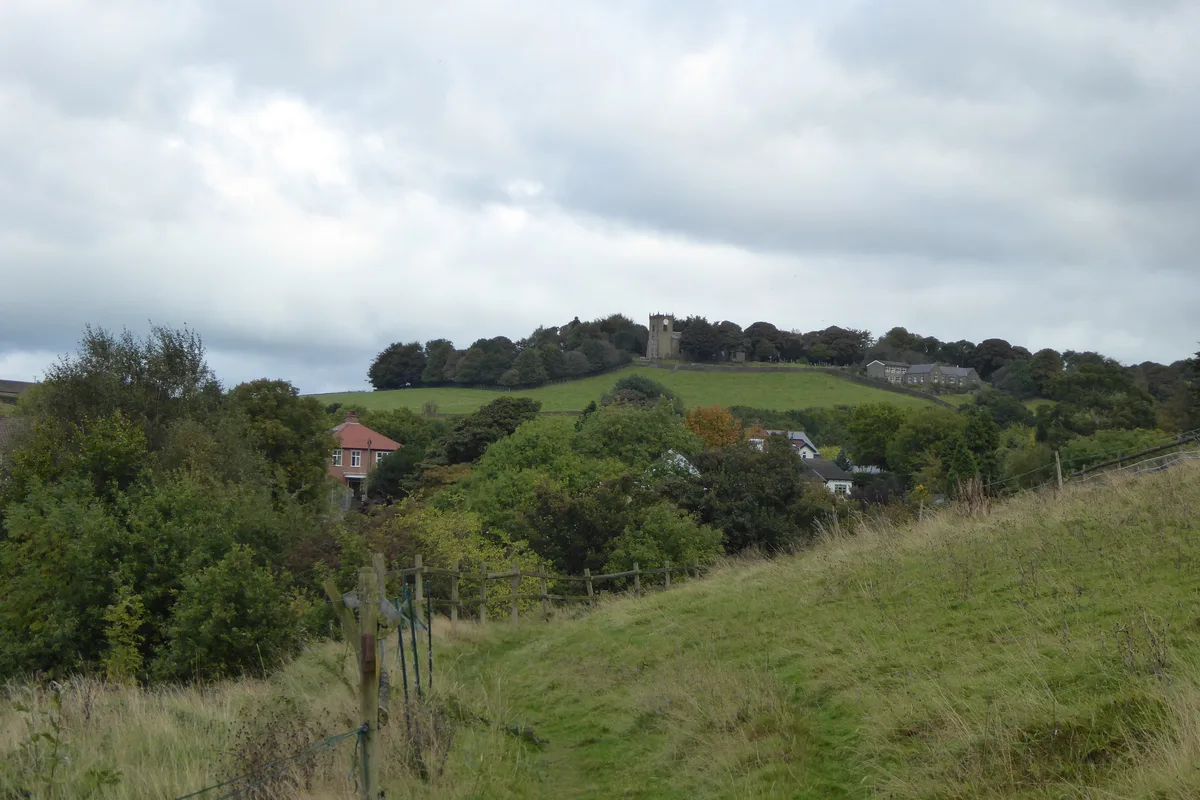
Mellor hill fort
Mellor hill fort — prehistoric site in North West England.
 📷 3
📷 3Hill forts · Yorkshire & the Humber
Stockport Castle
Stockport Castle — former motte-and-bailey castle in Stockport, Cheshire.
 📷 3
📷 3Hill forts · Yorkshire & the Humber
Aberford Dykes
Aberford Dykes — series of archaeological earthworks.
 📷 3
📷 3Hill forts · Yorkshire & the Humber
Cataractonium
Cataractonium — Roman fort and settlement in Catterick, located in North Yorkshire, England.
Frequently asked questions
- Where is Eboracum?
- Eboracum is in Yorkshire, United Kingdom (postcode YO1 7JA), in the parish of York, unparished area.
- What is Eboracum?
- Eboracum — archaeological site and Roman provincial capital on the site of York, England.
- How do I get to Eboracum?
- The nearest railway station is York, about 1.0 km away. The nearest town is York. Drivers can use postcode YO1 7JA.
- Is Eboracum free to visit?
- Yes, Eboracum is free to enter.
- How do I get to Eboracum?
- The nearest railway station is York, about 1.0 km away. Drivers can navigate to postcode YO1 7JA.