
Historic houses · South West England
Eagle House
In or near Bathford.
Eagle House — architectural structure in Batheaston, Bath and North East Somerset, England, UK.

Wikimedia Commons contributors — see linked file page for photographer and licence licence

Plan your visit
- Typical visit
- 1 h–2 h
- Nearest railway station
- Bath Spa · 4.8 km
- Family-friendly
- Limited wheelchair access
Getting there & planning your visit
Eagle House is located in Bath and North East Somerset, postcode BA1 7EJ, and is approximately 4.8 km from Bath Spa railway station. Entry details are not specified, and wheelchair accessibility is limited.
About
Eagle House is a historic house in the United Kingdom — typically a country seat, manor, or town house with notable architecture or history. Heritage designation: Grade II* listed building. Wikidata describes it as: "architectural structure in Batheaston, Bath and North East Somerset, England, UK". Coordinates: 51.4138°, -2.3184°.
Photo gallery
Protected designations
- Area of Outstanding Natural Beauty: Cotswolds
Designations sourced from Natural England open data under OGL v3.
From the Wikipedia article
Eagle House is a Grade II* listed building in Batheaston, Somerset, near Bath. Before World War I the house had extensive grounds. When Emily Blathwayt and her husband Colonel Linley Blathwayt owned the house, its summerhouse was used, from 1909 to 1912, as a refuge for suffragettes who had been released from prison after hunger strikes. It became known as the Suffragette's Rest or Suffragette's Retreat. Emily Blathwayt was a suffragette and member of the Women's Social and Political Union. Between April 1909 and July 1911, trees were planted in the grounds to commemorate individual suffragettes, and at least 47 were planted in a 2-acre (0.81 ha) site. Known as Annie's Arboretum, after Annie Kenney, the trees were destroyed in the 1960s when a housing estate was built. Only one tree remains, an Austrian pine planted in 1909 by Rose Lamartine Yates.
Excerpt from Wikipedia under CC BY-SA 4.0. See the source article linked in Sources below.
Background
Architecture
The two-storey Bath stone house has ashlar quoins and a slate roof. There is an Ionic doorcase with columns either side supporting a pediment. The south side is of five bays while the east has three. The interior includes an 18th-century staircase and fireplace. The house was built in the late 17th or early 18th century, then remodelled in 1724 and again in 1729 by the architect John Wood, the Elder as his own house. The house was later associated with his son John Wood, the Younger.
Sourced from Wikipedia under CC BY-SA 4.0.
- Coordinates
- 51.4138, -2.3184
- District
- Bath and North East Somerset
- Parish
- Batheaston
- Postcode
- BA1 7EJ
- Parliamentary constituency
- Bath
- Nearest railway station
- Bath Spa — 4.8 km
- Official site
- www.bathfordsociety.org.uk
Sources
- wikidata: Q17531100 (CC0)
- wikipedia: Eagle House (suffragette's rest) (CC BY-SA 4.0)
- commons: Eagle House - geograph.org.uk - 329307.jpg (CC BY-SA 4.0)
Other places nearby

Annie's Arboretum
Botanic gardens · 0.2 km

Pine House
Historic houses · 0.5 km

St John the Baptist
Cemeteries · 0.5 km
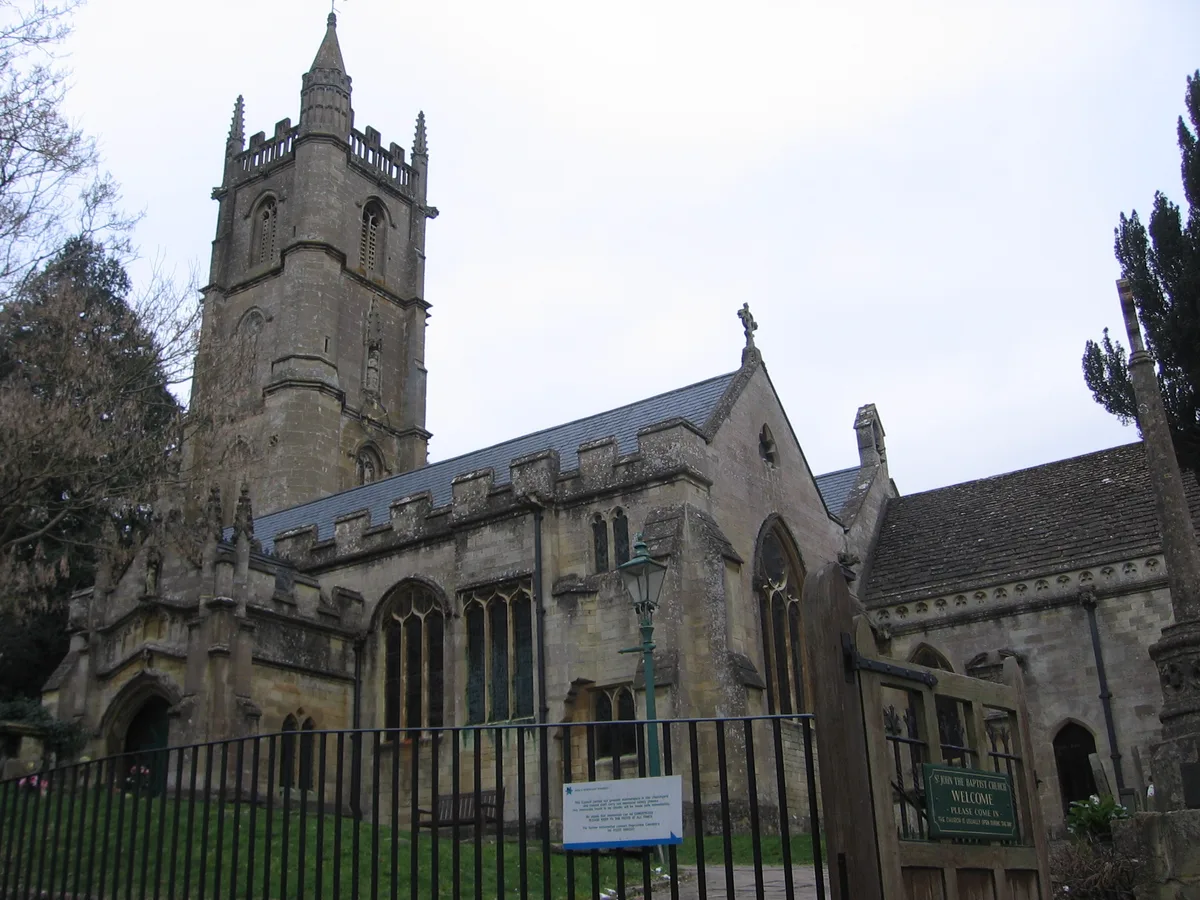
Church of St John The Baptist, Batheaston
Historic churches · 0.5 km

Dolphin House
B&Bs · 0.8 km

Batheaston House
Gardens · 0.9 km
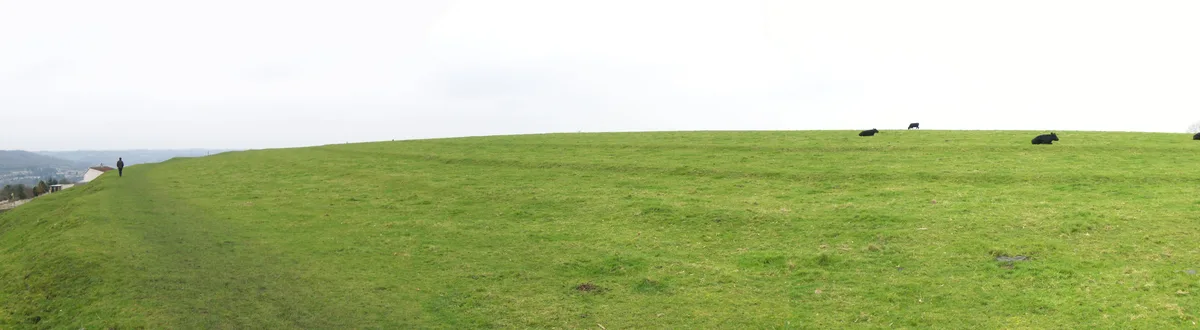
Little Solsbury Hill
Mountains & hills · 1.2 km

Little Solsbury Hill
Vineyards · 1.2 km

Bathampton Toll Bridge
Historic bridges · 1.5 km

Batheaston Villa Temple
Follies · 1.5 km

The Bathampton Mill
Restaurants · 1.5 km

Multi-span bridge called Bathford Bridge
Historic bridges · 1.5 km
Nearby
📷 5Botanic gardens · South West England
Annie's Arboretum
Annie's Arboretum — a botanic garden in england south east.
📷 5Historic houses · South West England
Pine House
Pine House — Grade II* listed house in Batheaston, Bath and North East Somerset, England, UK.
📷 5Cemeteries · South West England
St John the Baptist
St John the Baptist is a cemetery in the United Kingdom.
📷 5Historic churches · South West England
Church of St John The Baptist, Batheaston
Church of St John The Baptist, Batheaston — church in Bath and North East Somerset, England, UK.
📷 6B&Bs · South West England
Dolphin House
Dolphin House — a bed-and-breakfast in england south east.
📷 5Gardens · South West England
Batheaston House
Batheaston House — a garden in england-south-east, United Kingdom.
Where to eat & stay near Eagle House
Places to stay
📷 6B&Bs · South West England
Dolphin House
Dolphin House — a bed-and-breakfast in england south east.
 📷 5
📷 5Hotels · South West England
Bailbrook House Hotel
Bailbrook House Hotel — a hotel in england south east.
📷 7Hotels · South West England
Bailbrook Lodge Hotel
Bailbrook Lodge Hotel — a hotel in england south east.
 📷 5
📷 5Campsites · South West England
The Blackberries Camping Park
The Blackberries Camping Park — a campsite in england south east.
 📷 5
📷 5Hotels · South West England
The Bath Spa Hotel
The Bath Spa Hotel — a hotel in england south east. Brand: Macdonald Hotels and Resort.
 📷 7
📷 7B&Bs · South West England
Chestnuts House
Chestnuts House — a bed-and-breakfast in england south east.
Places to eat & drink
📷 7Restaurants · South West England
The Bathampton Mill
The Bathampton Mill — a restaurant in england south east.
 📷 7
📷 7Historic pubs · South West England
The Inn And Public House
The Inn And Public House in England South West, United Kingdom.
 📷 5
📷 5 📷 5
📷 5Restaurants · South West England
Olive Tree Restaurant
Olive Tree Restaurant — a restaurant in england south east.
 📷 6
📷 6 📷 5
📷 5More historic houses in this region
 📷 5
📷 5Historic houses · South West England
1 South Parade
1 South Parade — Grade I listed house in Bath, Somerset, England, UK.
_(geograph_6440799).jpg?width=1200) 📷 5
📷 5Historic houses · South West England
1-4 Lansdowne Grove, Morris Lane
1-4 Lansdowne Grove, Morris Lane — houses in Devizes, Wiltshire, England, UK.
 📷 5
📷 5Historic houses · South West England
2 North Parade
2 North Parade — building in Bath, UK; part of Abbey Hotel.
 📷 5
📷 5Historic houses · South West England
2, South Place, Lacock Road
2, South Place, Lacock Road — house in Corsham, Wiltshire, England, UK.
Frequently asked questions
- Where is Eagle House?
- Eagle House is in South-West England, United Kingdom (postcode BA1 7EJ), in the parish of Batheaston.
- What is Eagle House?
- Eagle House — architectural structure in Batheaston, Bath and North East Somerset, England, UK.
- How do I get to Eagle House?
- The nearest railway station is Bath Spa, about 4.8 km away. The nearest town is Bathford. Drivers can use postcode BA1 7EJ.
- Who owns Eagle House?
- Eagle House is owned by | location_country = England, United Kingdom.
- Is Eagle House a listed building?
- Eagle House is officially recognised as Grade II* listed building listed.
- Is Eagle House a protected site?
- Yes — Eagle House is part of the Cotswolds National Landscape (AONB).
- How do I get to Eagle House?
- The nearest railway station is Bath Spa, about 4.8 km away. Drivers can navigate to postcode BA1 7EJ.