
Wildlife reserves · East of England
Dunwich Forest
In or near Dunwich.
Dunwich Forest — Suffolk Wildlife Trust nature reserve.

Wikimedia Commons contributors — see linked file page for photographer and licence licence

Plan your visit
- Typical visit
- 2 h–4 h
- Best time of year
- Autumn & winter (migration & wildfowl)
- Nearest railway station
- Blythburgh · 3.9 km
- Free entry
- Family-friendly
- Dog-friendly
- Limited wheelchair access
Getting there & planning your visit
Dunwich Forest is located in East Suffolk, with the nearest railway station being Blythburgh, approximately 3.9 km away. Entry to the reserve is free, though wheelchair accessibility is limited. The postcode for sat-nav is IP17 3ED.
About
Dunwich Forest is a wildlife reserve in the United Kingdom. Managed by Suffolk Wildlife Trust. Wikidata describes it as: "Suffolk Wildlife Trust nature reserve". Coordinates: 52.2900°, 1.6170°.
Photo gallery
Protected designations
- Site of Special Scientific Interest: Minsmere-Walberswick Heaths and Marshes SSSI
- National Nature Reserve: SUFFOLK COAST
- Area of Outstanding Natural Beauty: Suffolk Coast & Heaths
- Ramsar wetland: Minsmere-Walberswick
Designations sourced from Natural England open data under OGL v3.
From the Wikipedia article
Dunwich Forest is an area of forest and lowland heath around 1 mile (1.6 km) north-west of the village of Dunwich in the English county of Suffolk. The forest covers an area of approximately 9 square kilometres (900 ha; 3.5 sq mi) and was originally planted by the Forestry Commission. The forest is within the Suffolk Coast and Heaths Area of Outstanding Natural Beauty and is in the area known as the Suffolk Sandlings. South of the reserve is the National Trust property of Dunwich Heath, one of the largest remaining areas of lowland heath on the Suffolk coast, and the RSPB reserve at Minsmere. To the north and east of the forest are Dingle Marshes, part of the Suffolk Coast National Nature Reserve. The Forestry Commission (now Forestry England) purchased land from the Dunwich and Westleton estates during the 1920s. Following the acquisition of this land, they began an afforestation programme to develop a conifer plantation, which became Dunwich Forest. The forest is now a mix of broadleaved and coniferous woodland with some areas of more open heath. In 2006 Forestry England began work on a rewilding programme at Dunwich. Working with the Suffolk Wildlife Trust and the Royal Society for the Protection of Birds, they plan to gradually replace conifers in the northern area of the forest with broad-leaved trees and to convert areas in the south of the forest to lowland heath, one of the rarest British habitats. Suffolk Wildlife Trust has introduced Dartmoor ponies to the northern area which it manages as a reserve 270 hectares (670 acres) in size.
Excerpt from Wikipedia under CC BY-SA 4.0. See the source article linked in Sources below.
- Coordinates
- 52.2900, 1.6170
- County
- Suffolk
- District
- East Suffolk
- Parish
- Westleton
- Postcode
- IP17 3ED
- Parliamentary constituency
- Suffolk Coastal
- Nearest railway station
- Blythburgh — 3.9 km
Sources
- wikidata: Q5315804 (CC0)
- wikipedia: Dunwich Forest (CC BY-SA 4.0)
- commons: Dunwich Forest - geograph.org.uk - 178217.jpg (CC BY-SA 4.0)
Other places nearby
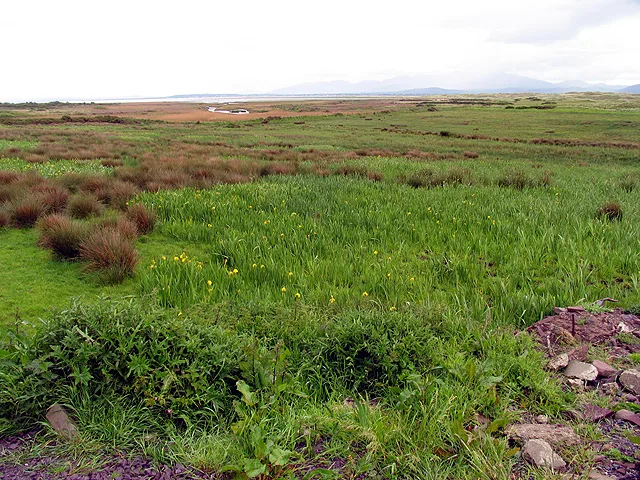
Dingle Marshes
Wildlife reserves · 1.0 km

Dunwich War Memorial
Memorials & monuments · 1.4 km

Dunwich War Memorial Cross
Memorials & monuments · 1.5 km

Dunwich Village Sign
Public art & sculpture · 1.5 km

Chapel of St James' Hospital
Chapels · 1.5 km
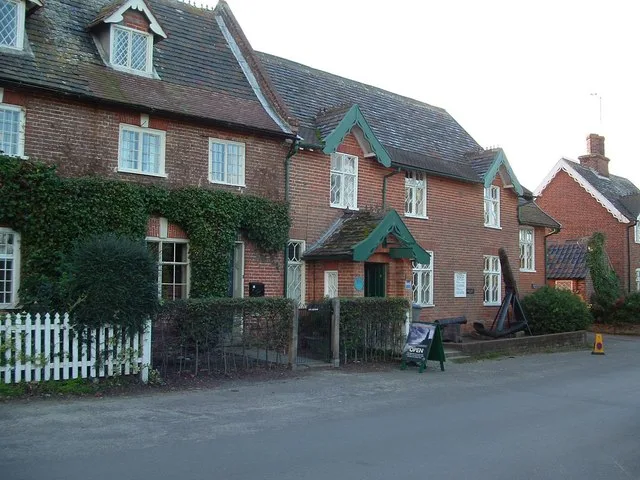
Dunwich Museum
Museums · 1.7 km
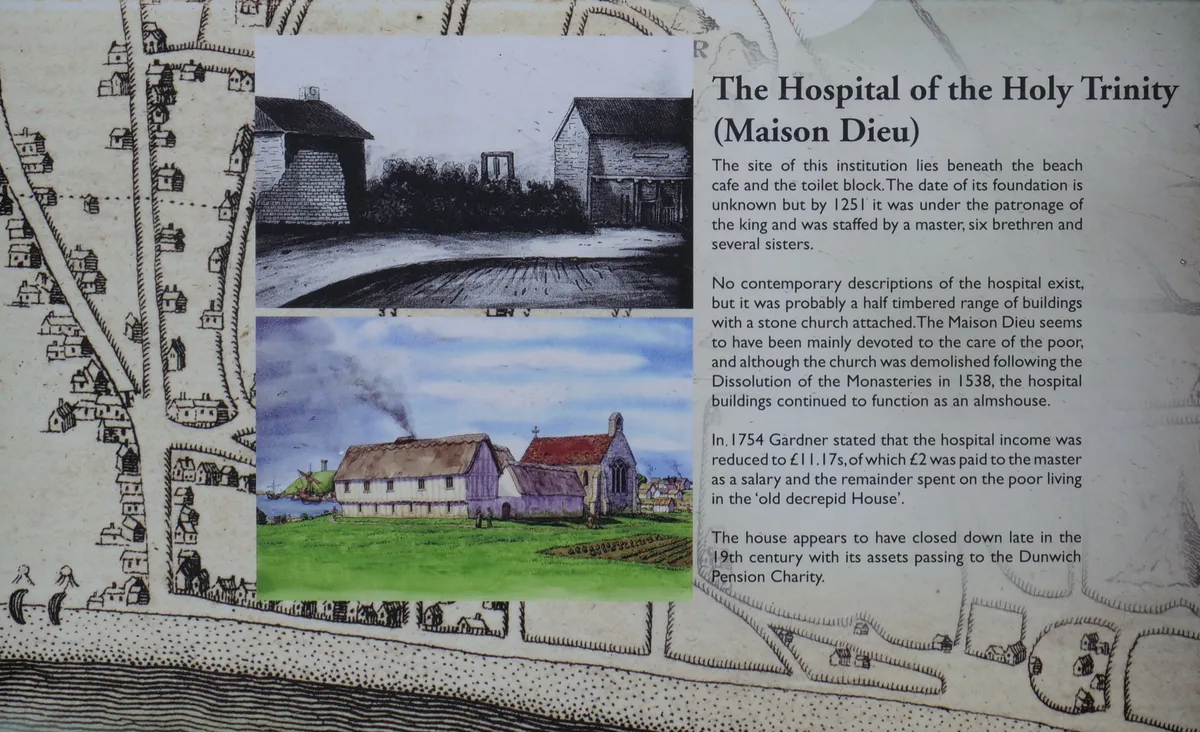
Hospital of the Holy Trinity (site of)
Archaeological sites · 1.7 km

Dunwich
Towns & cities · 1.7 km

Potton Hall Campsite
Campsites · 1.7 km
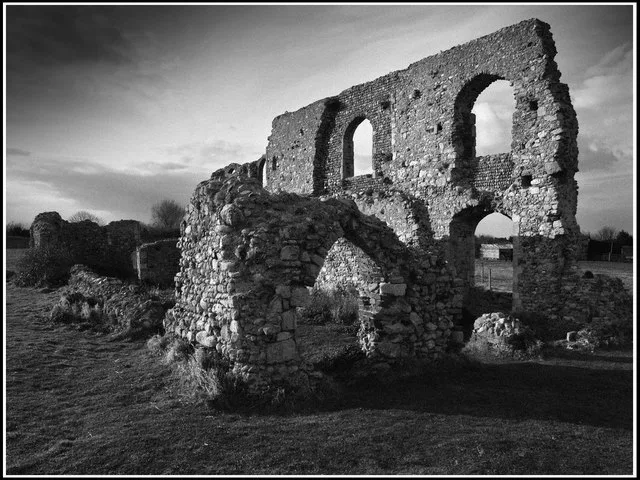
Greyfriars, Dunwich
Abbeys & priories · 1.8 km

Dunwich Greyfriars
Historic houses · 1.9 km

Grave of Jacob Forster
Follies · 1.9 km
Nearby
Flagship📷 5Wildlife reserves · East of England
Dingle Marshes
Dingle Marshes — Suffolk Wildlife Trust and RSPB nature reserve.
📷 3Memorials & monuments · East of England
Dunwich War Memorial
Dunwich War Memorial is a memorial in the United Kingdom.
📷 3Memorials & monuments · East of England
Dunwich War Memorial Cross
Dunwich War Memorial Cross — Grade II listed building-listed memorial in england-east, United Kingdom.
📷 3Public art & sculpture · East of England
Dunwich Village Sign
Dunwich Village Sign — a public art in england-east, United Kingdom.
📷 3Chapels · East of England
Chapel of St James' Hospital
Chapel of St James' Hospital — remains of leper hospital at Dunwich, Suffolk, England, UK.
📷 3Museums · East of England
Dunwich Museum
Dunwich Museum — museum in Dunwich, Suffolk, England, UK.
Where to eat & stay near Dunwich Forest
Places to stay
📷 5 📷 5
📷 5Caravan parks · East of England
Cliff House Estate Caravan Park
Cliff House Estate Caravan Park — a caravan park in england east.
 📷 5
📷 5Caravan parks · East of England
Walberswick Caravan Site
Walberswick Caravan Site — a caravan park in england east.
 📷 5
📷 5Caravan parks · East of England
Haw Wood Caravan Park
Haw Wood Caravan Park — a caravan park in england east.
 📷 5
📷 5Campsites · East of England
Southwold Camping and Caravan Site
Southwold Camping and Caravan Site — a campsite in england east.
 📷 5
📷 5Campsites · East of England
Mill Hill Farm Camping
Mill Hill Farm Camping — a campsite in england east.
Places to eat & drink
 📷 5
📷 5 📷 5
📷 5Historic pubs · East of England
Cherry Tree Public House
Cherry Tree Public House in England East, United Kingdom.
 📷 7
📷 7Historic pubs · East of England
The Parrot And Punchbowl Public House
The Parrot And Punchbowl Public House in England East, United Kingdom.
 📷 6
📷 6Historic pubs · East of England
The Swan, Peasenhall
The Swan, Peasenhall in England East, United Kingdom.
 📷 5
📷 5Historic pubs · East of England
Huntingfield Arms
Huntingfield Arms in England East, United Kingdom.
 📷 7
📷 7Historic pubs · East of England
George and Dragon, Farnham
George and Dragon, Farnham in England East, United Kingdom.
More places run by Suffolk Wildlife Trust
 Flagship📷 3
Wildlife reserves · East of England
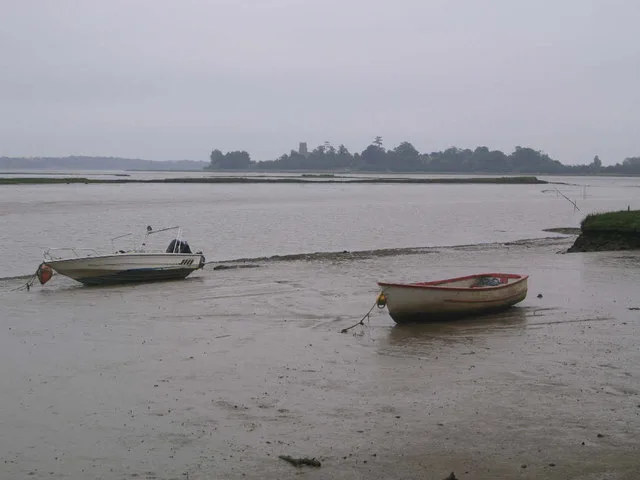
Alde Mudflats
Alde Mudflats — Suffolk Wildlife Trust nature reserve.
 📷 5
📷 5Wildlife reserves · East of England
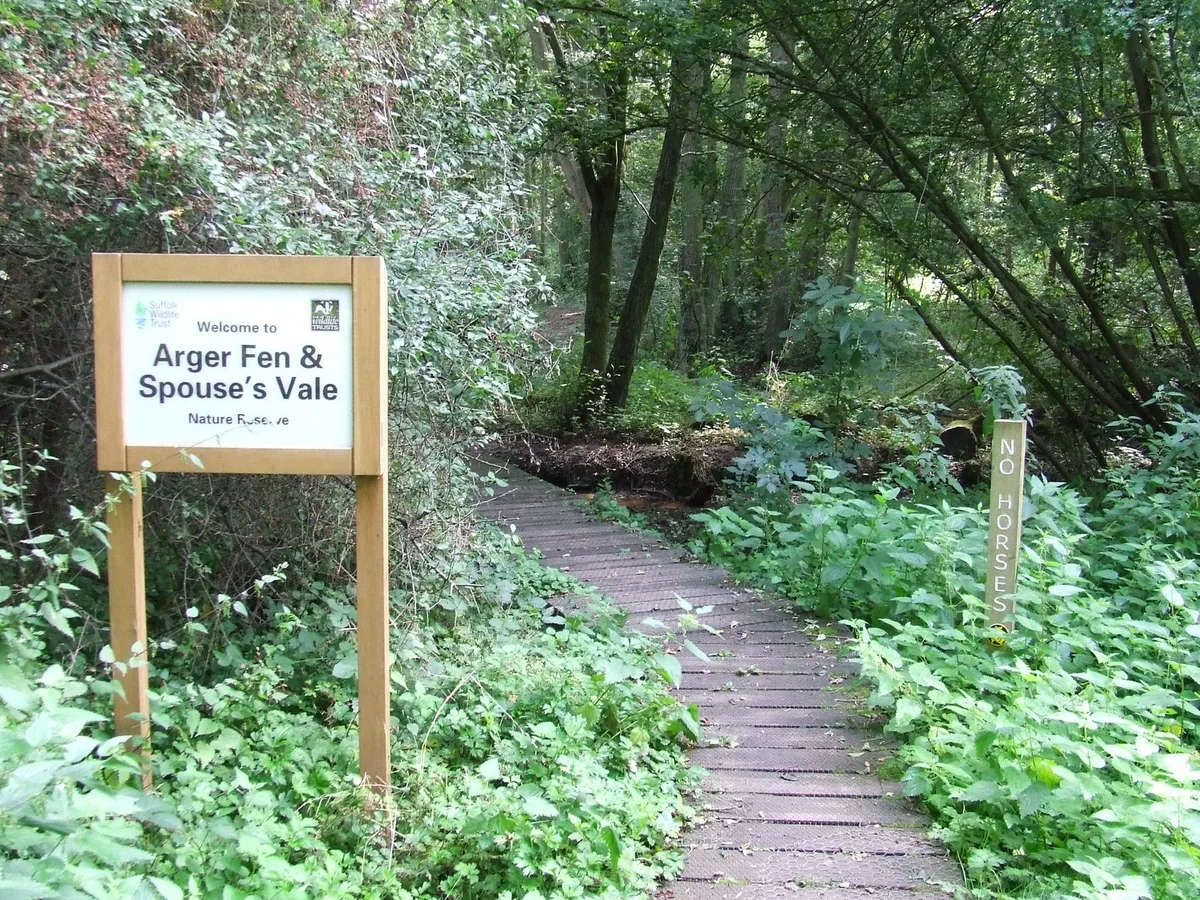
Arger Fen
Arger Fen — Suffolk Wildlife Trust nature reserve.
 Flagship📷 5
Wildlife reserves · East of England
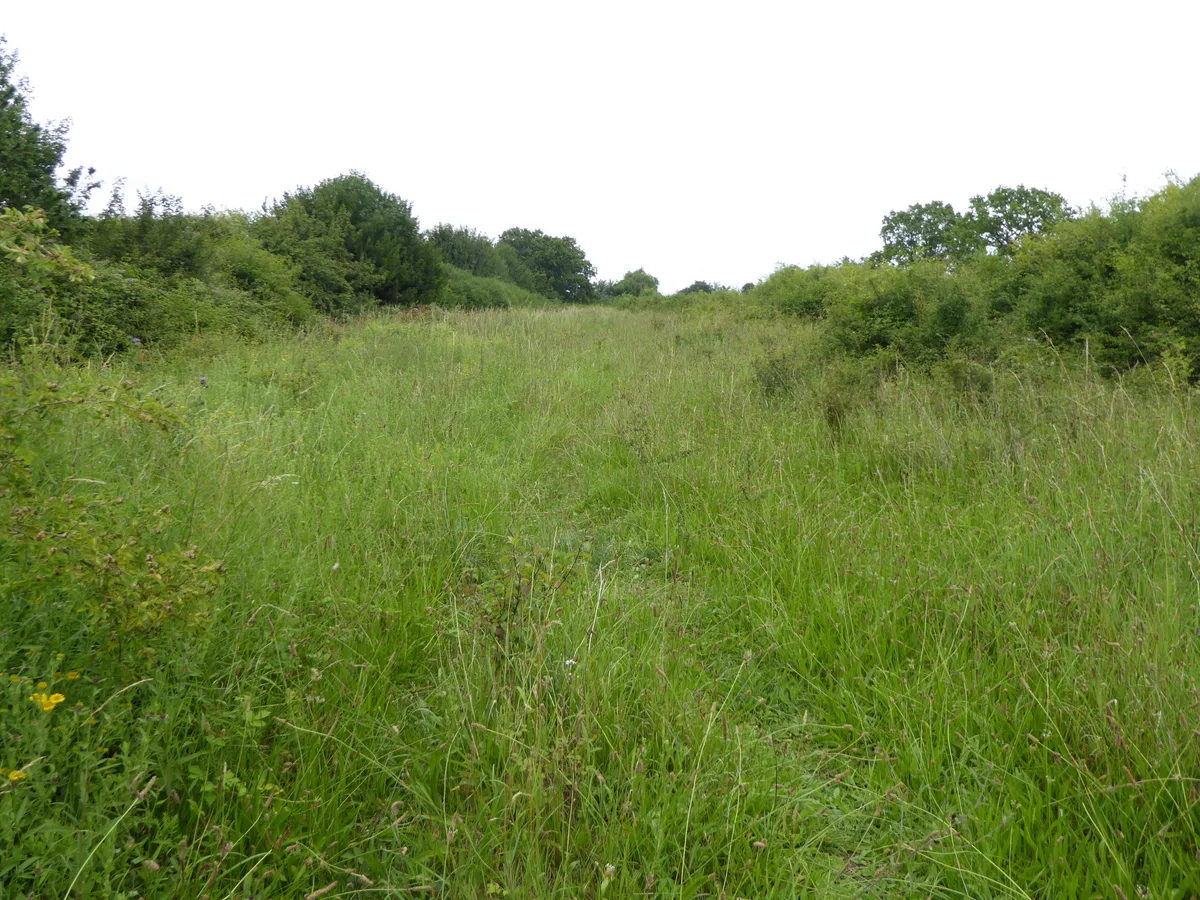
Black Bourn Valley
Black Bourn Valley — Suffolk Wildlife Trust nature reserve.
 📷 3
📷 3Wildlife reserves · East of England
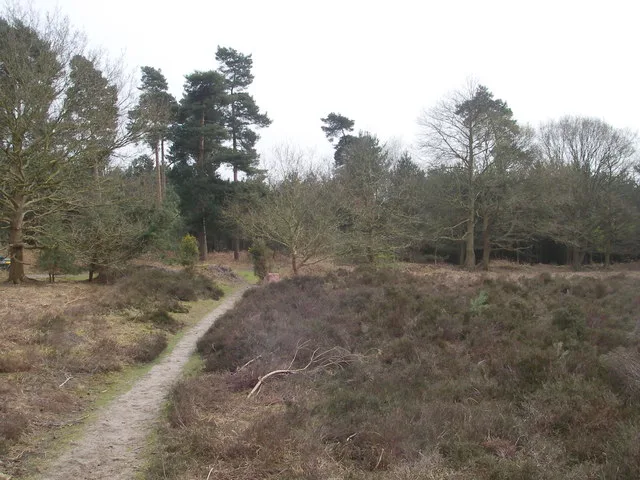
Blaxhall Common
Blaxhall Common — Suffolk Wildlife Trust nature reserve.
More places in this region
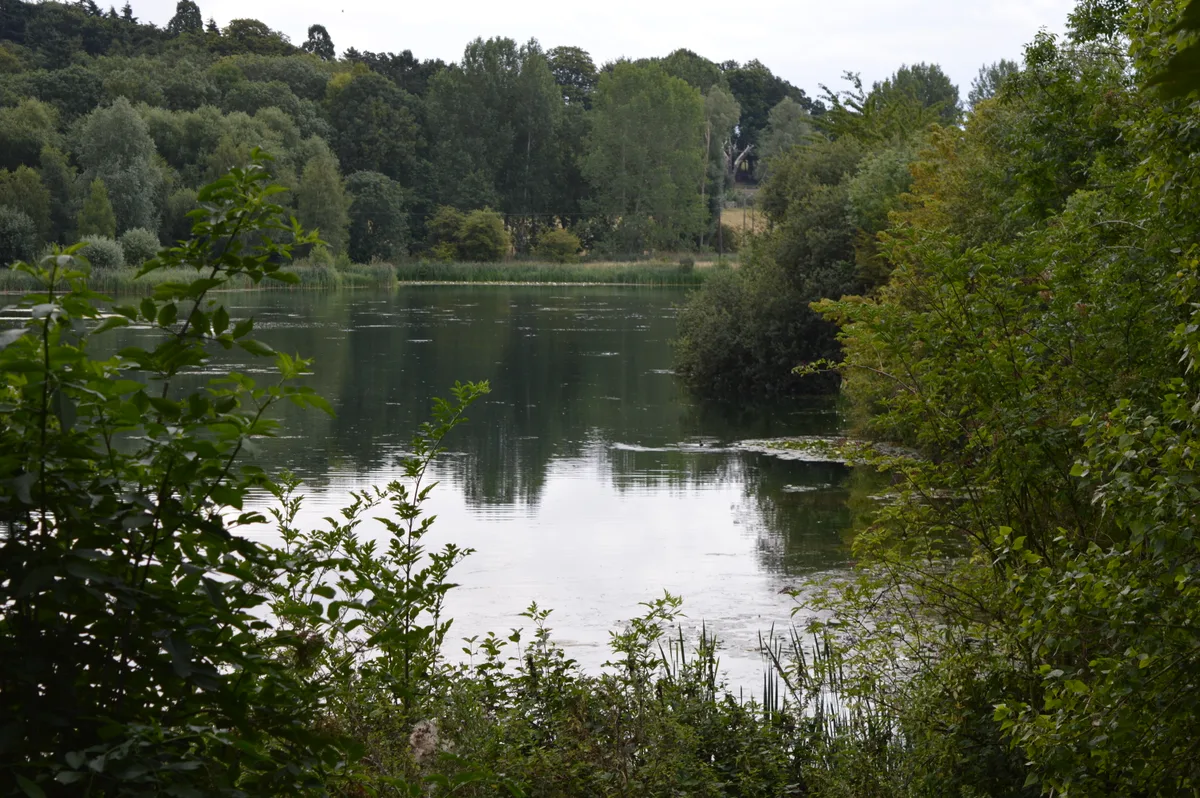 Flagship📷 10
Wildlife reserves · East of England
Amwell Quarry
Amwell Quarry — nature reserve in United Kingdom.
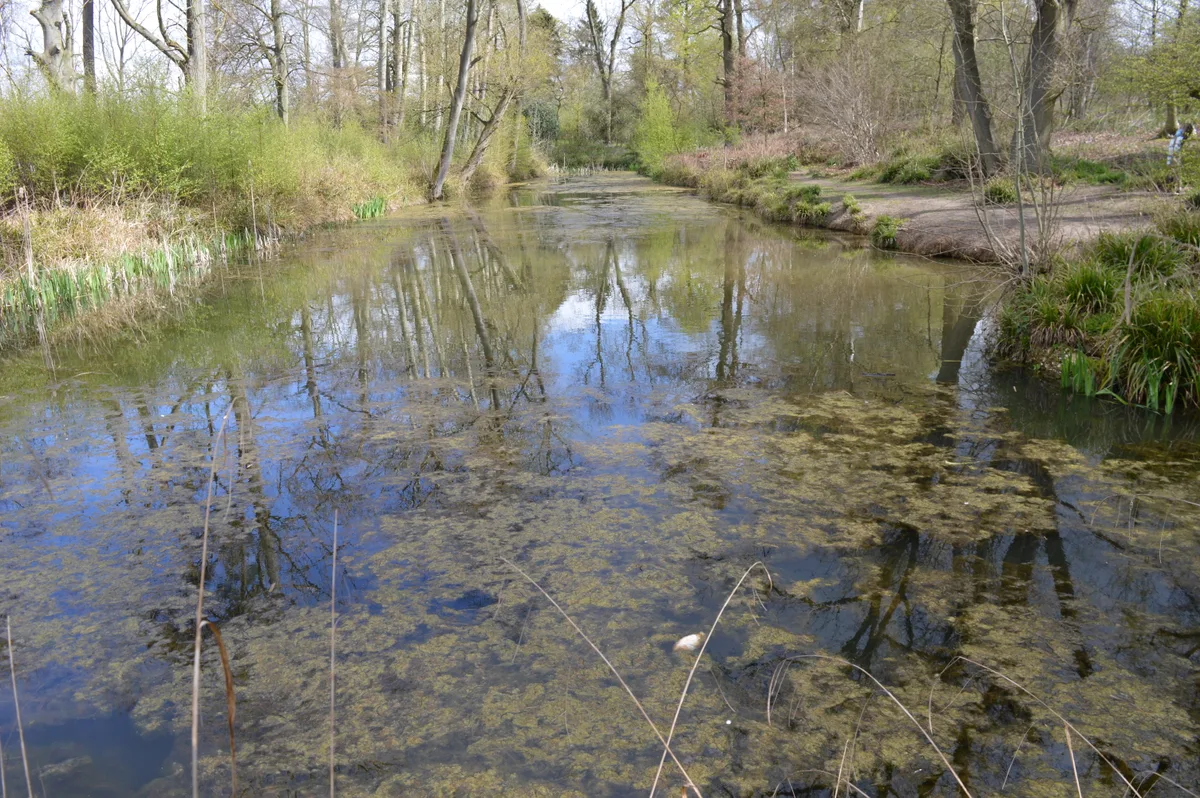 Flagship📷 10
Wildlife reserves · East of England
Aubrey Buxton Nature Reserve
Aubrey Buxton Nature Reserve — Essex Wildlife Trust Nature reserve.
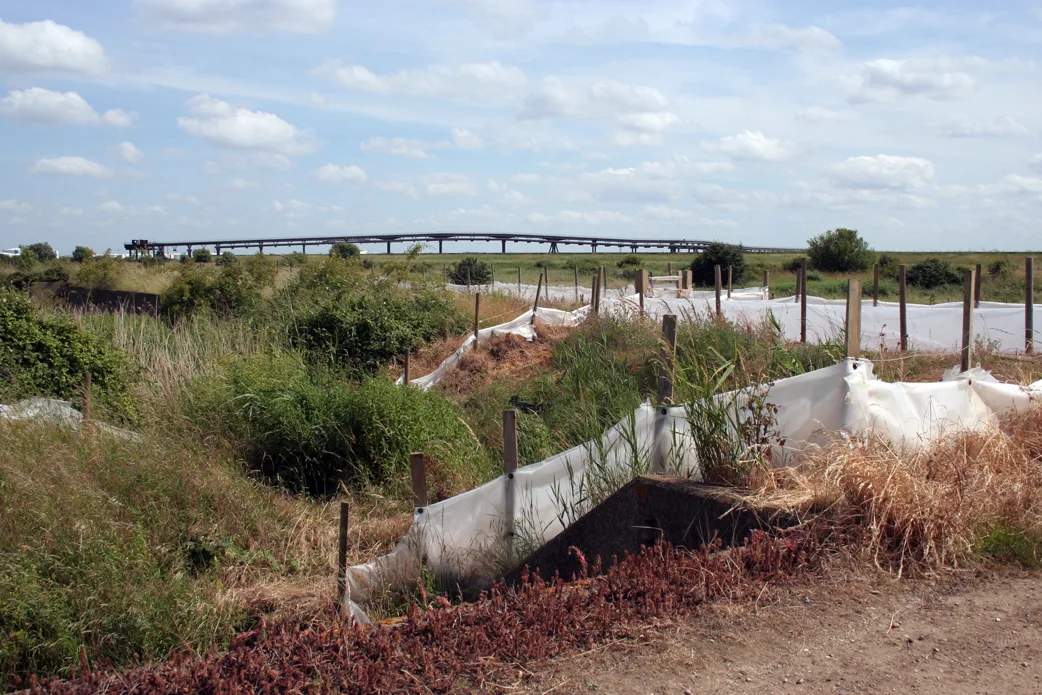 Flagship📷 10
Wildlife reserves · East of England
Canvey Wick
Canvey Wick — nature reserve in Essex, United Kingdom.
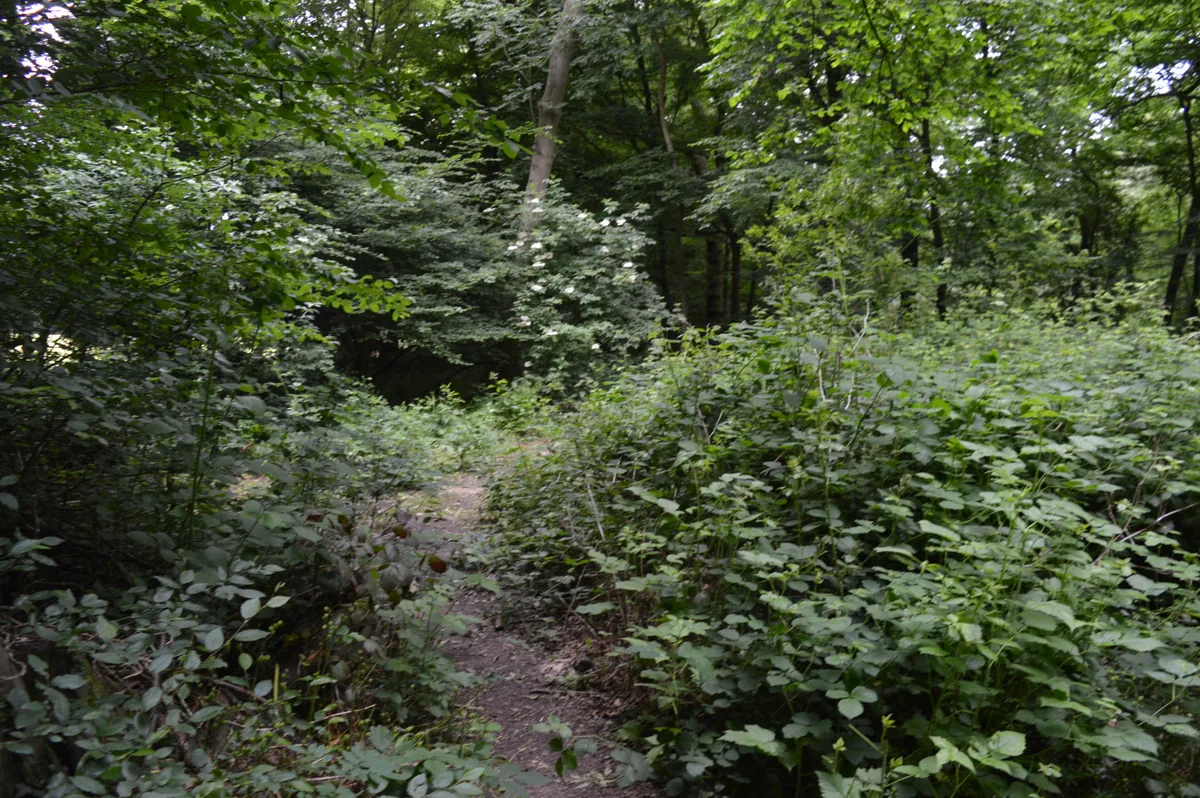 Flagship📷 10
Wildlife reserves · East of England
Crowsheath Wood
Crowsheath Wood — Essex Wildlife Trust Nature reserve.
Frequently asked questions
- Where is Dunwich Forest?
- Dunwich Forest is in Suffolk, East of England, United Kingdom (postcode IP17 3ED), in the parish of Westleton.
- What is Dunwich Forest?
- Dunwich Forest — Suffolk Wildlife Trust nature reserve.
- How do I get to Dunwich Forest?
- The nearest railway station is Blythburgh, about 3.9 km away. The nearest town is Dunwich. Drivers can use postcode IP17 3ED.
- Who owns Dunwich Forest?
- Dunwich Forest is owned by Forestry England and operated by Suffolk Wildlife Trust.
- Is Dunwich Forest a protected site?
- Yes — Dunwich Forest is part of the Minsmere-Walberswick Heaths and Marshes SSSI Site of Special Scientific Interest and the SUFFOLK COAST National Nature Reserve.
- Is Dunwich Forest free to visit?
- Yes, Dunwich Forest is free to enter.
- How do I get to Dunwich Forest?
- The nearest railway station is Blythburgh, about 3.9 km away. Drivers can navigate to postcode IP17 3ED.
- Are dogs allowed at Dunwich Forest?
- Most wildlife reserves allow dogs on lead only, with restrictions during ground-nesting bird season (March-July). Check signage at the reserve.