
Castles · South West England
Dunster Castle
In or near Dunster.
Dunster Castle — Grade I listed historic house museum in Dunster, Somerset. UK.

Wikimedia Commons contributors — see linked file page for photographer and licence licence

Plan your visit
- Typical visit
- 1.5 h–3 h
- Nearest railway station
- Dunster · 1.4 km
- Paid entry
- Family-friendly
- Limited wheelchair access
Getting there & planning your visit
To visit Dunster Castle, the nearest railway station is Dunster, located 1.4 km away. Entry is paid, and accessibility is limited for wheelchair users. The postcode for sat-nav is TA24 6SL.
About
Dunster Castle is a castle in the United Kingdom — fortified architecture from the medieval, Tudor, or Victorian-revival period. Heritage designation: scheduled monument. Managed by National Trust. Wikidata describes it as: "Grade I listed historic house museum in Dunster, Somerset. UK". Coordinates: 51.1814°, -3.4443°.
Photo gallery
Heritage listing
Dunster Castle is a former motte and bailey castle, now a country house, in the village of Dunster, Somerset, England. The castle lies on the top of a steep hill called the Tor, and has been fortified since the late Anglo-Saxon period. After the Norman Conquest of England in the 11th century, William de Mohun constructed a timber castle on the site as part of the pacification of Somerset. A stone shell keep was built on the motte by the start of the 12th century, and the castle survived a siege during the early years of the Anarchy. At the end of the 14th century the de Mohuns sold the castle to the Luttrell family, who continued to occupy the property until the late 20th century.
From the Historic England List Entry under OGL v3.
Summary from the official site
Dunster Castle is an ancient castle that evolved into a lavish country home in the 19th century. Visitors can explore its historic interiors, a working Victorian watermill, and beautifully landscaped gardens, all set within picturesque parkland that is home to diverse wildlife.
Read more on the official property page.
Protected designations
- Site of Special Scientific Interest: Dunster Park and Heathlands SSSI
Designations sourced from Natural England open data under OGL v3.
From the Wikipedia article
Dunster Castle is a former motte and bailey castle, now a country house, in the village of Dunster, Somerset, England. The castle lies on the top of a steep hill called the Tor, and has been fortified since the late Anglo-Saxon period. After the Norman Conquest of England in the 11th century, William de Mohun constructed a timber castle on the site as part of the pacification of Somerset. A stone shell keep was built on the motte by the start of the 12th century, and the castle survived a siege during the early years of the Anarchy. At the end of the 14th century the de Mohuns sold the castle to the Luttrell family, who continued to occupy the property until the late 20th century. The castle was expanded several times by the Luttrell family during the 17th and 18th centuries; they built a large manor house within the Lower Ward of the castle in 1617, and this was extensively modernised, first during the 1680s and then during the 1760s. The medieval castle walls were mostly destroyed following the siege of Dunster Castle at the end of the First English Civil War, when Parliament ordered the defences to be slighted to prevent their further use. In the 1860s and 1870s, the architect Anthony Salvin was employed to remodel the castle to fit Victorian tastes; this work extensively changed the appearance of Dunster to make it appear more Gothic and Picturesque. Following the death of Alexander Luttrell in 1944, the family was unable to afford the death duties on his estate. The castle and surrounding lands were sold off to a property firm, the family continuing to live in the castle as tenants. The Luttrells bought back the castle in 1954, but in 1976 Colonel Sir Walter Luttrell gave Dunster Castle and most of its contents to the National Trust, which operates it as a tourist attraction. It is a Grade I listed building and scheduled monument.
Excerpt from Wikipedia under CC BY-SA 4.0. See the source article linked in Sources below.
Background
Visiting
Dunster Castle is operated by the National Trust as a tourist attraction. Little remains of the medieval castle except for the Great Gatehouse and the remains of several towers in the Lower Ward; the heart of the modern castle today is the much altered 17th-century manor house. The key features of the castle include the original 13th-century gates and several pieces of art, including a Tudor copy of Hans Eworth's famous allegorical portrait of Sir John Luttrell, and a sequence of leather tapestries showing scenes from the story of Antony and Cleopatra. The castle also holds a piano that once belonged to the composer Vivian Ellis. The gardens surrounding the castle cover approximately 6 ha…
Sourced from Wikipedia under CC BY-SA 4.0.
- Coordinates
- 51.1814, -3.4443
- District
- Somerset
- Parish
- Dunster
- Postcode
- TA24 6SL
- Parliamentary constituency
- Tiverton and Minehead
- Phone
- 01643821314
- Nearest railway station
- Dunster — 1.4 km
- Opening
- Daily 10am–5pm; closed 24–26 Dec
- Official site
- www.nationaltrust.org.uk
Sources
- wikidata: Q2969173 (CC0)
- wikipedia: Dunster Castle (CC BY-SA 4.0)
- commons: Dunster Castle.jpg (CC BY-SA 4.0)
- fsq: 4b859a9cf964a520156831e3 (Apache-2.0)
Other places nearby

Castle Mill Bridge
Historic bridges · 0.1 km

Dunster Working Watermill
Museums · 0.1 km

Bridge Over River Avill In The Old Park To The East Of The Castle
Historic bridges · 0.1 km

Dunster Doll Museum
Museums · 0.2 km

Dunster
Towns & cities · 0.2 km

Exmoor House
B&Bs · 0.2 km
Hathaways
Restaurants · 0.2 km
Stags Head Inn
B&Bs · 0.2 km
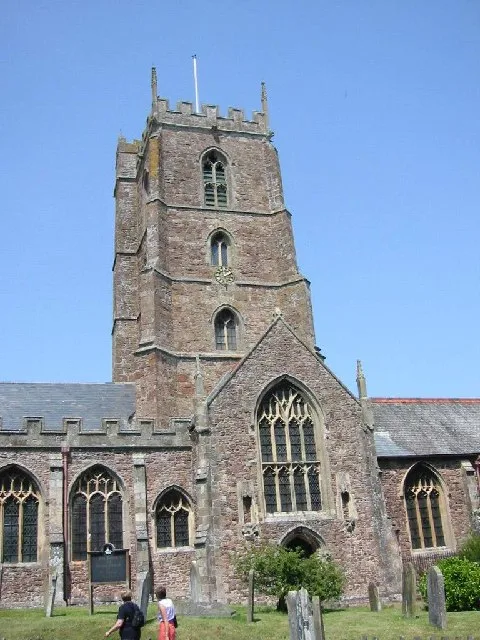
Priory Church of St George, Dunster
Abbeys & priories · 0.2 km

Priory Church of St George, Dunster
Cathedrals · 0.2 km

Castle Coffee House
Cafés · 0.2 km

The Dunster Castle Hotel
Hotels · 0.2 km
Nearby
📷 3Historic bridges · South West England
Castle Mill Bridge
Castle Mill Bridge — Grade II listed building-listed bridge in england-south-west, United Kingdom.
📷 5Museums · South West England
Dunster Working Watermill
Dunster Working Watermill — a museum in england-south-west, United Kingdom.
📷 3Historic bridges · South West England
Bridge Over River Avill In The Old Park To The East Of The Castle
Bridge Over River Avill In The Old Park To The East Of The Castle — Grade II listed building-listed bridge in england-south-west, United Kingdom.
📷 5Museums · South West England
Dunster Doll Museum
Dunster Doll Museum — doll museum in Dunster, Somerset, England.
📷 5Towns & cities · South West England
Dunster
Dunster — village, civil parish and former manor within the English county of Somerset.
📷 5B&Bs · South West England
Exmoor House
Exmoor House — a bed-and-breakfast in england south west.
Where to eat & stay near Dunster Castle
Places to stay
📷 5B&Bs · South West England
Exmoor House
Exmoor House — a bed-and-breakfast in england south west.
📷 7B&Bs · South West England
Stags Head Inn
Stags Head Inn — a bed-and-breakfast in england south west.
📷 5Hotels · South West England
The Dunster Castle Hotel
The Dunster Castle Hotel — a hotel in england south west.
 📷 7
📷 7B&Bs · South West England
The Olde House
The Olde House — a bed-and-breakfast in england south west.
 📷 5
📷 5Hostels · South West England
YHA Minehead
YHA Minehead — a hostel in england south west.
 📷 5
📷 5Caravan parks · South West England
Minehead Caravan and Motorhome Club
Minehead Caravan and Motorhome Club — a caravan park in england south west.
Places to eat & drink
📷 7📷 7Cafés · South West England
Castle Coffee House
Castle Coffee House — a café in england south west.
 📷 7
📷 7 📷 5
📷 5Historic pubs · South West England
Luttrell Arms
Luttrell Arms in England South West, United Kingdom.
 📷 7
📷 7Historic pubs · South West England
The Butchers Arms
The Butchers Arms in England South West, United Kingdom.
 📷 5
📷 5Historic pubs · South West England
Queens Hall, Minehead
Queens Hall, Minehead in England South West, United Kingdom.
More places run by National Trust
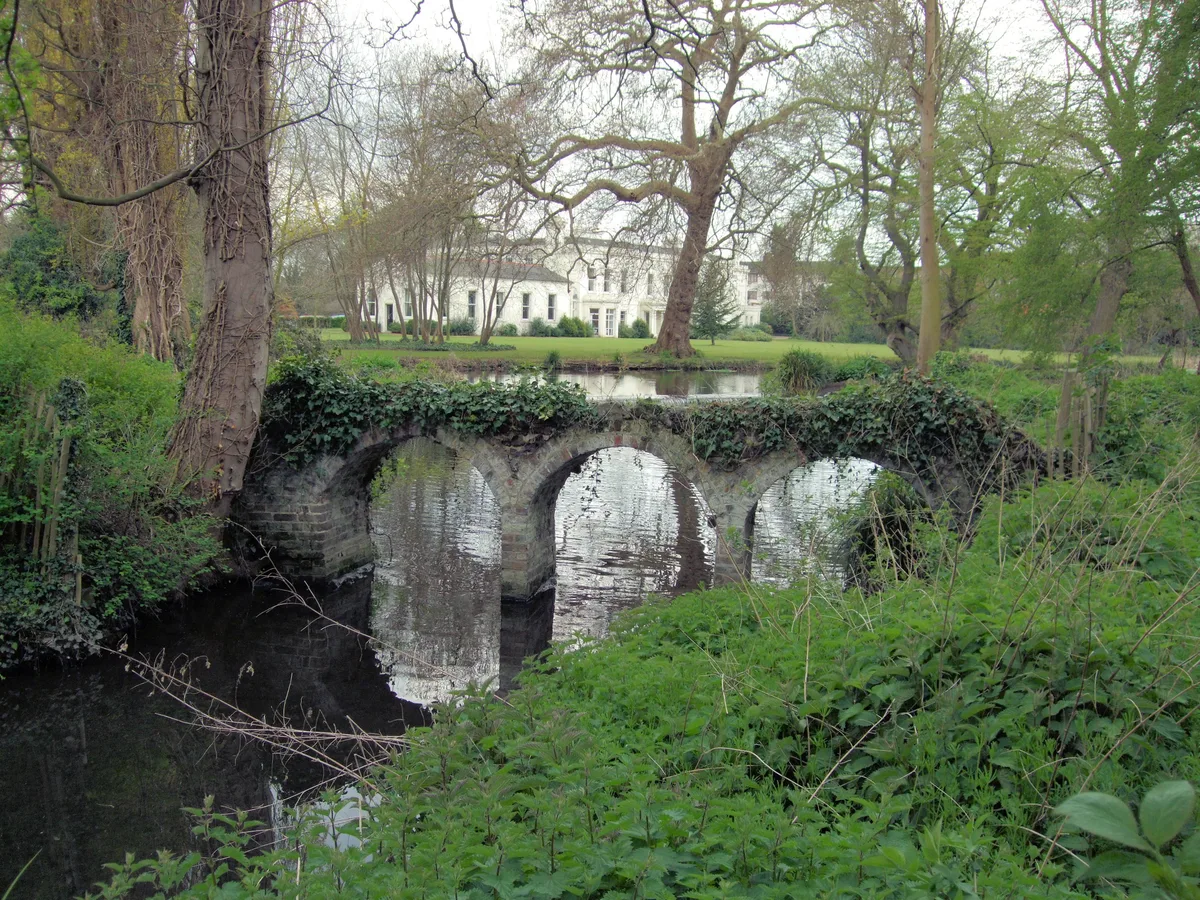 Flagship📷 10
Parks · London
Morden Hall Park
Morden Hall Park — park in Morden, London.
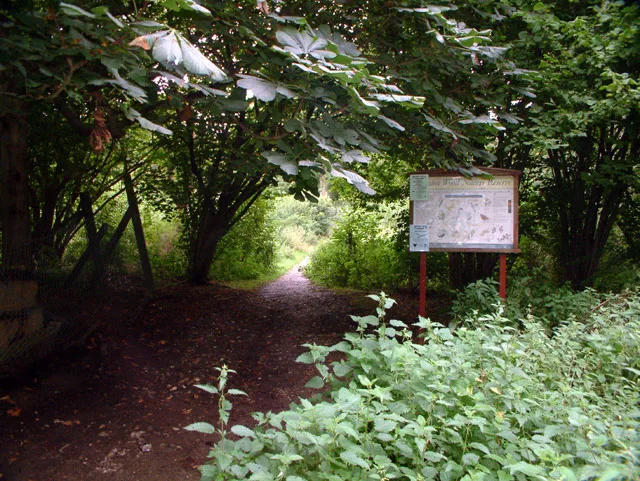 Flagship📷 10
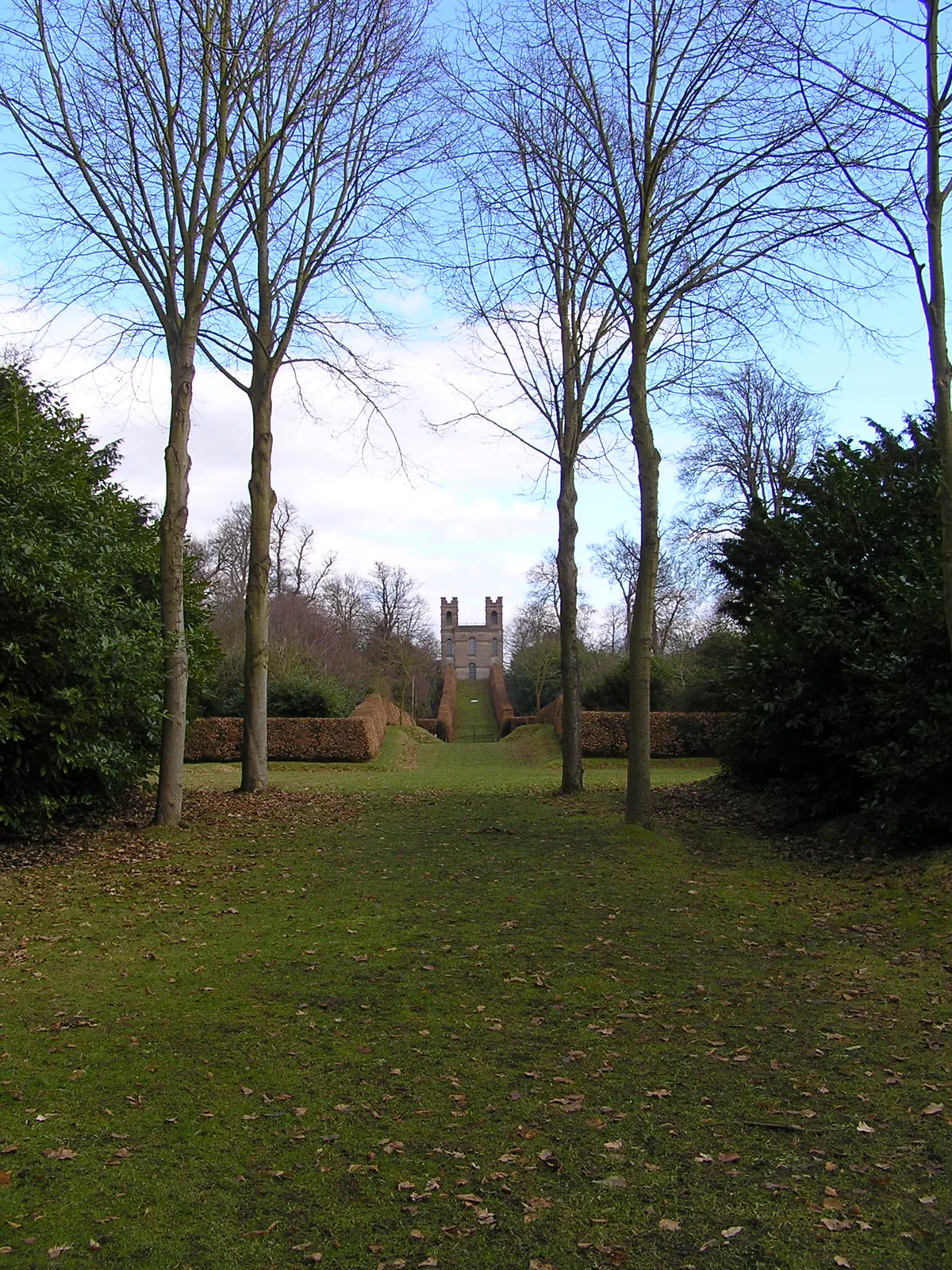 📷 5
📷 5Gardens · London
Claremont Landscape Garden
Claremont Landscape Garden — historic garden in Surrey, England, UK.
 📷 5
📷 5Stately homes · London
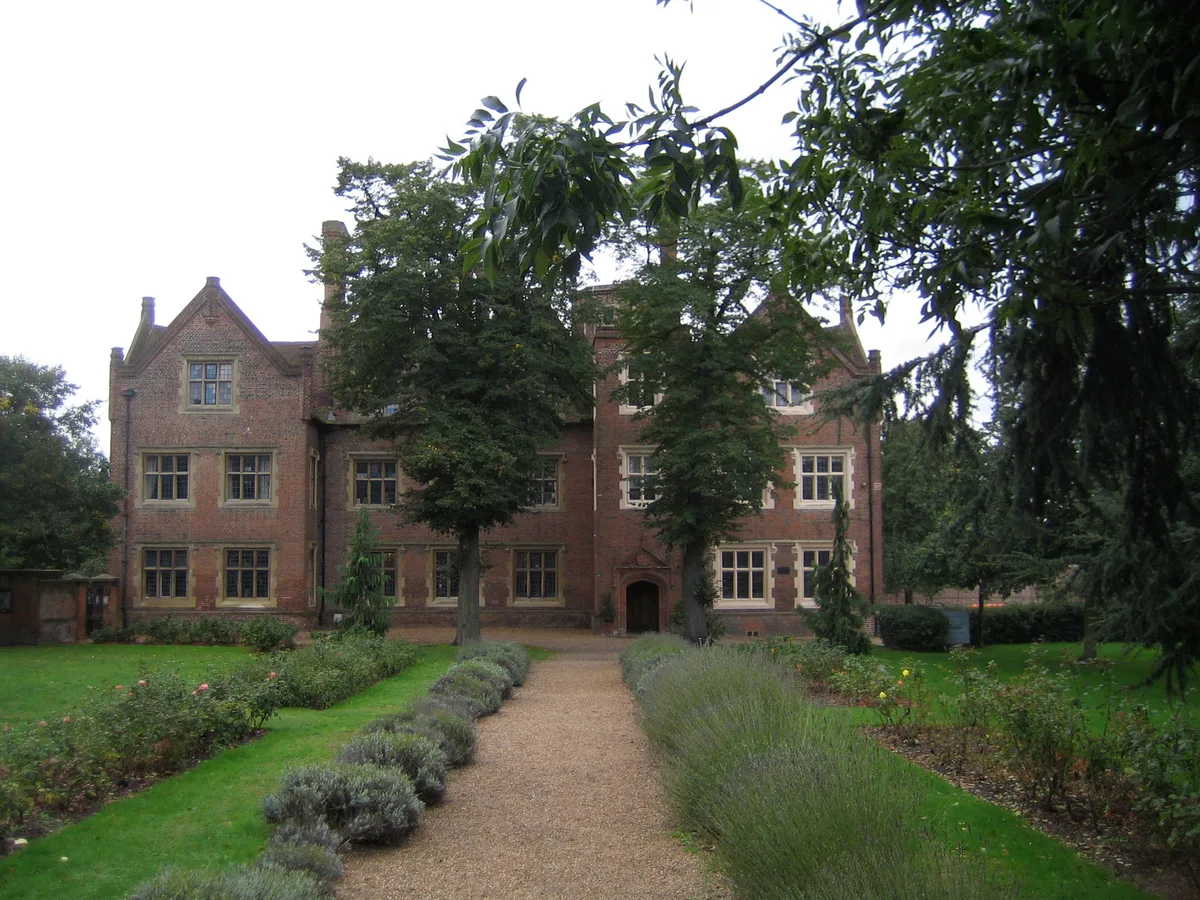
Eastbury Manor House
Eastbury Manor House — Grade I listed historic house museum in London Borough of Barking and Dagenham, United Kingdom.
More castles in this region
 Flagship📷 10
Castles · South West England
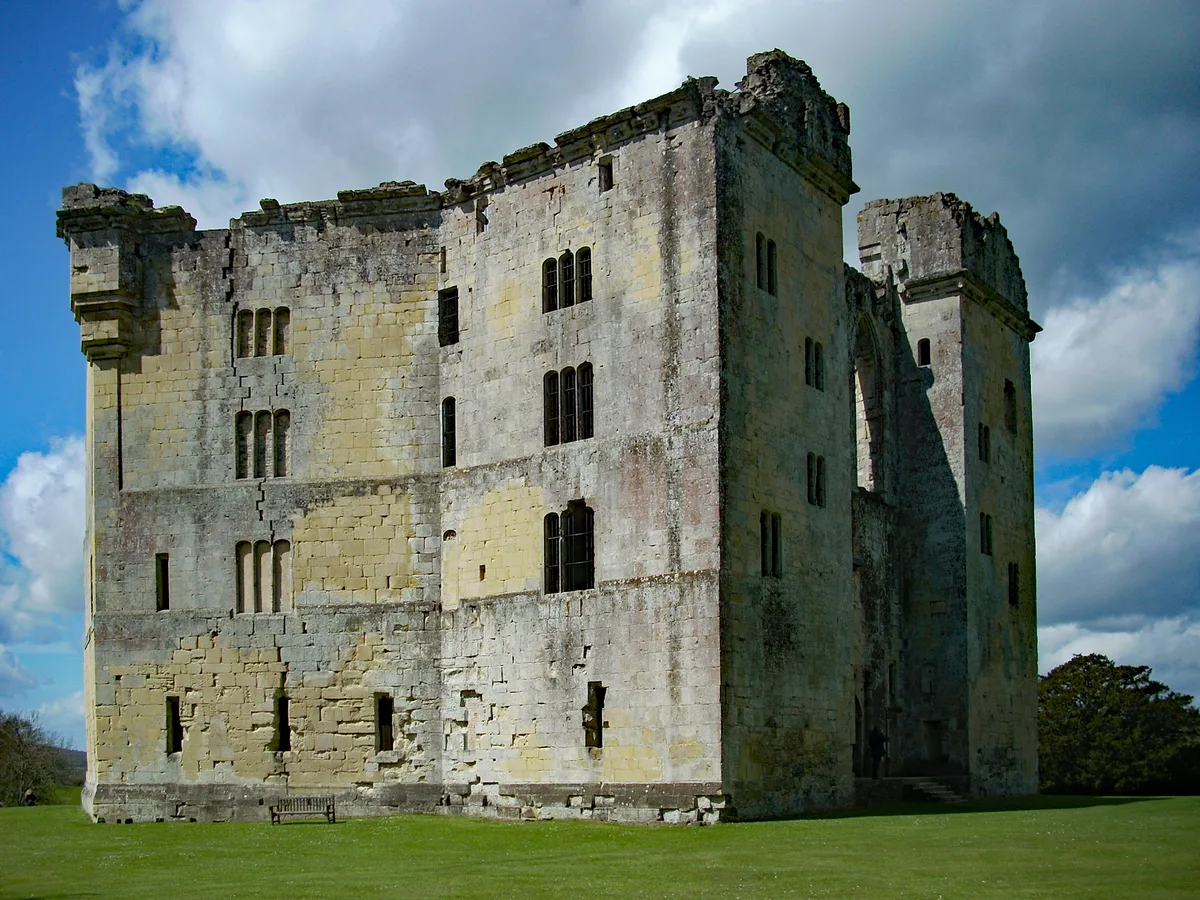
Old Wardour Castle
Old Wardour Castle — Grade I listed castle in Wardour, Wiltshire, England, UK.
 📷 5
📷 5Castles · South West England
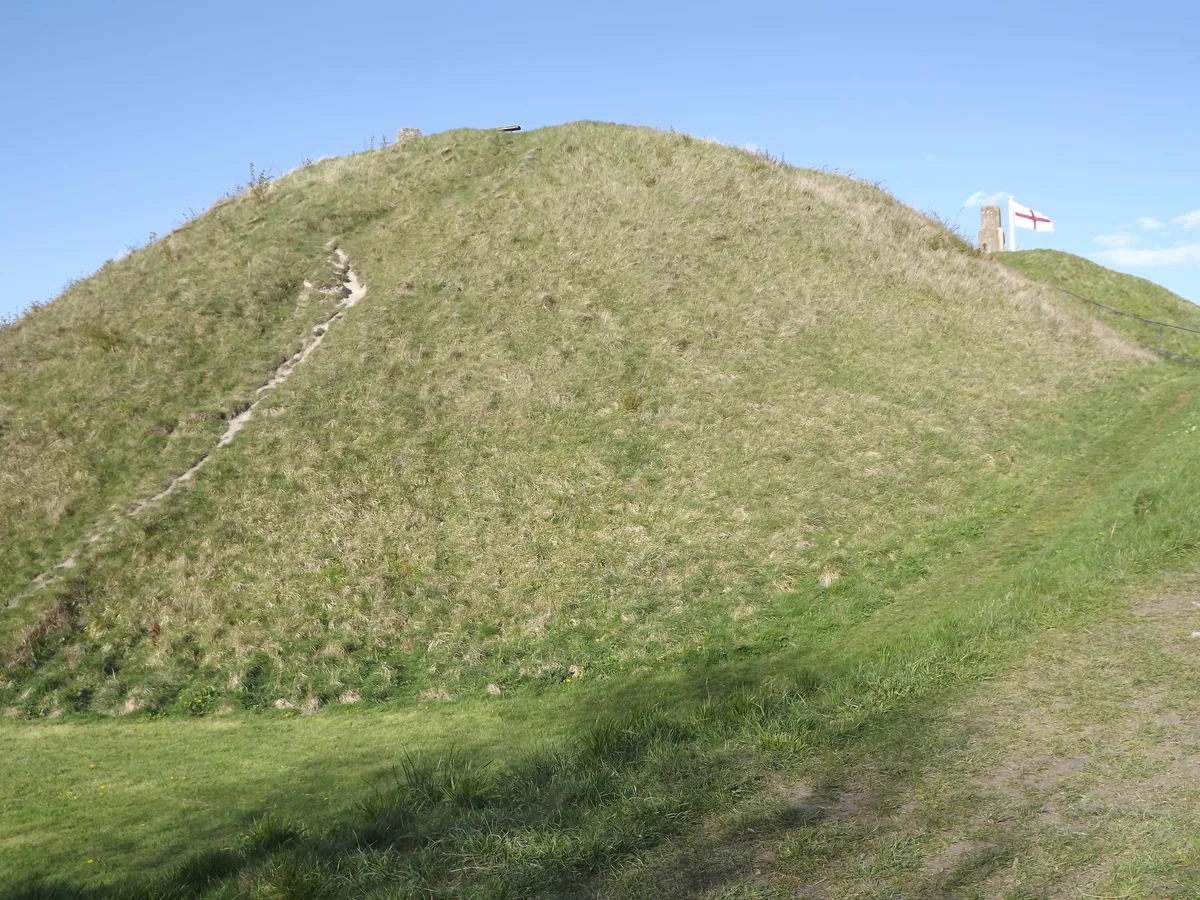
Ballands Castle
Ballands Castle — former castle in Somerset, England, UK.
 📷 5
📷 5Castles · South West England
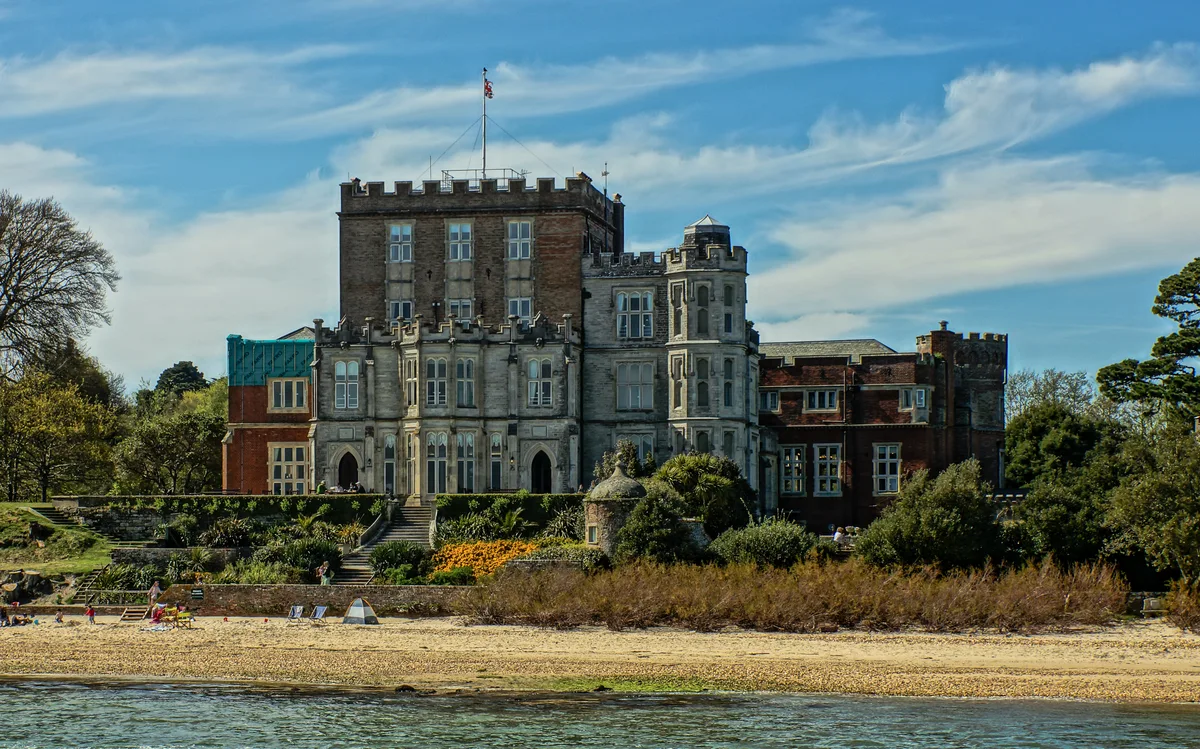
Brownsea Castle
Brownsea Castle — grade II listed Device Fort in Purbeck, United Kingdom.
 📷 5
📷 5Frequently asked questions
- Where is Dunster Castle?
- Dunster Castle is in South-West England, United Kingdom (postcode TA24 6SL), in the parish of Dunster.
- What is Dunster Castle?
- Dunster Castle — Grade I listed historic house museum in Dunster, Somerset. UK.
- How do I get to Dunster Castle?
- The nearest railway station is Dunster, about 1.4 km away. The nearest town is Dunster. Drivers can use postcode TA24 6SL.
- Who runs Dunster Castle?
- Dunster Castle is operated by National Trust.
- Is Dunster Castle a listed building?
- Dunster Castle is officially recognised as scheduled monument listed.
- Is Dunster Castle a protected site?
- Yes — Dunster Castle is part of the Dunster Park and Heathlands SSSI Site of Special Scientific Interest.
- Does Dunster Castle charge admission?
- Dunster Castle typically charges admission. Check the official site for current ticket prices and opening hours.
- How do I get to Dunster Castle?
- The nearest railway station is Dunster, about 1.4 km away. Drivers can navigate to postcode TA24 6SL.