
Castles · Scottish Highlands
Dunnottar Castle
In or near Newtonhill.
Dunnottar Castle — ruined castle in Aberdeenshire, Scotland, UK.

Wikimedia Commons contributors — see linked file page for photographer and licence licence

Plan your visit
- Typical visit
- 1.5 h–3 h
- Nearest railway station
- Stonehaven · 2.9 km
- Paid entry
- Family-friendly
- Limited wheelchair access
Getting there & planning your visit
To visit Dunnottar Castle, the nearest railway station is Stonehaven, located 2.9 km away. Entry to the castle is paid, and wheelchair accessibility is limited. The postcode for sat-nav is AB39 2TL.
About
Dunnottar Castle is a castle in the United Kingdom — fortified architecture from the medieval, Tudor, or Victorian-revival period. Records date its origin to 1400. Heritage designation: scheduled monument. Wikidata describes it as: "ruined castle in Aberdeenshire, Scotland, UK". Coordinates: 56.9457°, -2.1968°.
Photo gallery
Heritage listing
Dunnottar Castle (Scottish Gaelic: Dùn Fhoithear, "fort on the shelving slope") is a ruined medieval fortress located upon a rocky headland on the northeast coast of Scotland, about 2 miles (3 kilometres) south of Stonehaven in Aberdeenshire. The surviving buildings are largely of the 15th and 16th centuries, but the site is believed to have been fortified in the Early Middle Ages. Dunnottar has played a prominent role in the history of Scotland through to the 18th-century Jacobite risings because of its strategic location and defensive strength. Dunnottar is best known as the place where the Honours of Scotland, the Scottish crown jewels, were hidden from Oliver Cromwell's invading army in the 17th century.
From Historic Environment Scotland under OGL v3.
Summary from the official site
Dunnottar Castle is a historic fortress located on a dramatic cliff overlooking the North Sea. It has played a significant role in Scottish history, hosting notable figures and safeguarding the Scottish Crown Jewels during the 1650s. Visitors can explore the evocative ruins and enjoy stunning coastal views.
Read more on the official property page.
From the Wikipedia article
Dunnottar Castle (Scottish Gaelic: Dùn Fhoithear, "fort on the shelving slope") is a ruined medieval fortress located upon a rocky headland on the northeast coast of Scotland, about 2 miles (3 kilometres) south of Stonehaven in Aberdeenshire. The surviving buildings are largely of the 15th and 16th centuries, but the site is believed to have been fortified in the Early Middle Ages. Dunnottar has played a prominent role in the history of Scotland through to the 18th-century Jacobite risings because of its strategic location and defensive strength. Dunnottar is best known as the place where the Honours of Scotland, the Scottish crown jewels, were hidden from Oliver Cromwell's invading army in the 17th century. The property of the Keiths from the 14th century, and the seat of the Earl Marischal, Dunnottar declined after the last Earl forfeited his titles by taking part in the Jacobite rebellion of 1715. The castle was restored in the 20th century and is now open to the public. The castle ruins are spread over 1.4 hectares (3.5 acres), The site is surrounded by steep cliffs that drop to the North Sea, 160 feet (50 meters) below. A narrow strip of land joins the headland to the mainland, along which a steep path leads to the gatehouse. The various buildings within the castle include the 14th-century tower house as well as the 16th-century palace. Dunnottar Castle is a scheduled monument, and twelve structures on the site were listed buildings.
Excerpt from Wikipedia under CC BY-SA 4.0. See the source article linked in Sources below.
Background
Description
Dunnottar's strategic location allowed its owners to control the coastal terrace between the North Sea cliffs and the hills of the Mounth, 2+1/4 mi inland, which enabled access to and from the north-east of Scotland. The site is accessed via a steep, 2,600 ft footpath (with modern staircases) from a car park on the coastal road, or via a 3 km cliff-top path from Stonehaven. Dunnottar's several buildings, put up between the 13th and 17th centuries, are arranged across a headland covering around 1.4 ha. The dominant building, viewed from the land approach, is the 14th-century keep or tower house. The other principal buildings are the gatehouse; the chapel; and the 16th-century "palace" which…
Sourced from Wikipedia under CC BY-SA 4.0.
- Coordinates
- 56.9457, -2.1968
- District
- Aberdeenshire
- Postcode
- AB39 2TL
- Parliamentary constituency
- West Aberdeenshire and Kincardine
- Phone
- +44 (0) 1569 766320
- Established
- 1400
- Nearest railway station
- Stonehaven — 2.9 km
- Opening
- Open all year; may close in bad weather.
- Official site
- www.dunnottarcastle.co.uk
Sources
- wikidata: Q746983 (CC0)
- wikipedia: Dunnottar Castle (CC BY-SA 4.0)
- commons: Dunnottar Castle - geograph.org.uk - 8057610.jpg (CC BY-SA 4.0)
Featured in this guide
Other places nearby

Dunnottar Castle quadrangle
Castles · 0.1 km
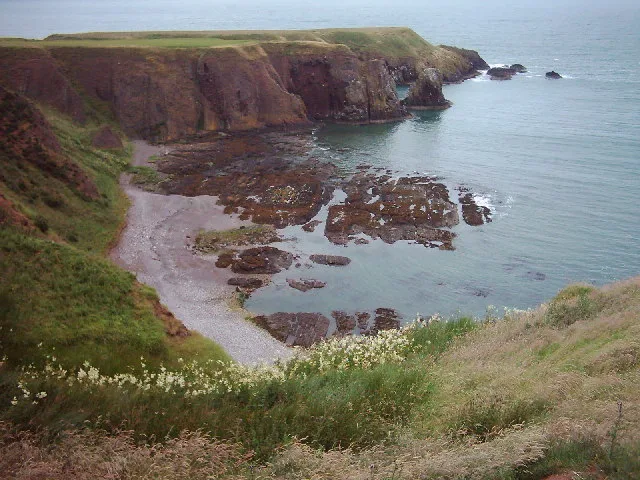
Castle Haven
Mountains & hills · 0.3 km

Strathlethan Bay
Natural landmarks · 0.5 km
Old Hall Bay
Natural landmarks · 0.5 km

Dunnottar
Villages · 0.8 km

Dunnicaer Hillfort
Vineyards · 0.8 km

Dunnicaer Pictish Fort
Archaeological sites · 0.8 km

Stonehaven and District War Memorial
Memorials & monuments · 1.1 km
Stonehaven and Dunnotar War Memorial
Memorials & monuments · 1.1 km

Tremuda Bay
Natural landmarks · 1.4 km

Cowie Harbour
Natural landmarks · 1.6 km

Stonehaven Harbour
Harbours & ports · 1.6 km
Nearby
📷 5Castles · Scottish Highlands
Dunnottar Castle quadrangle
Dunnottar Castle quadrangle — part of a Scheduled Monument-listed castle in scotland-highlands, United Kingdom.
📷 3Mountains & hills · Scottish Highlands
Castle Haven
Castle Haven — bay in Aberdeenshire, Scotland, UK, south of Stonehaven.
📷 5Natural landmarks · Scottish Highlands
Strathlethan Bay
Strathlethan Bay — a natural feature in scotland highlands.
📷 5Natural landmarks · Scottish Highlands
Old Hall Bay
Old Hall Bay — a natural feature in scotland highlands.
📷 5📷 5Vineyards · Scottish Highlands
Dunnicaer Hillfort
Dunnicaer Hillfort — a UK vineyard in scotland highlands, producing English or Welsh wine from cool-climate grape varieties.
Where to eat & stay near Dunnottar Castle
Places to stay
 📷 7
📷 7Hotels · Scottish Highlands
The Marine Hotel
The Marine Hotel — a hotel in scotland highlands.
 📷 7
📷 7Hotels · Scottish Highlands
The Ship Inn
The Ship Inn — a hotel in scotland highlands.
 📷 7
📷 7Hotels · Scottish Highlands
Belvedere Hotel
Belvedere Hotel — a hotel in scotland highlands.
 📷 5
📷 5Caravan parks · Scottish Highlands
Stonehaven Queen Elizabeth Park Caravan Club Site
Stonehaven Queen Elizabeth Park Caravan Club Site — a caravan park in scotland highlands.
 📷 5
📷 5 📷 5
📷 5Caravan parks · Scottish Highlands
Cloak Caravan Park
Cloak Caravan Park — a caravan park in scotland highlands.
Places to eat & drink
 📷 5
📷 5Historic pubs · Scottish Highlands
Lairhillock Inn
Lairhillock Inn in Scotland Highlands, United Kingdom.
 📷 7
📷 7Historic pubs · Scottish Highlands
Burnett Arms Hotel, High Street, Banchory
Burnett Arms Hotel, High Street, Banchory in Scotland Highlands, United Kingdom.
 📷 5
📷 5Historic pubs · Scottish Highlands
Public House, Alford Place, Aberdeen
Public House, Alford Place, Aberdeen in Scotland Highlands, United Kingdom.
 📷 5
📷 5Historic pubs · Scottish Highlands
10 Bon-accord Square, Aberdeen
10 Bon-accord Square, Aberdeen in Scotland Highlands, United Kingdom.
 📷 7
📷 7Historic pubs · Scottish Highlands
The Star And Garter, 6 Crown Street, Aberdeen
The Star And Garter, 6 Crown Street, Aberdeen in Scotland Highlands, United Kingdom.
 📷 5
📷 5Historic pubs · Scottish Highlands
3 Golden Square, Aberdeen
3 Golden Square, Aberdeen in Scotland Highlands, United Kingdom.
Other castles from this era
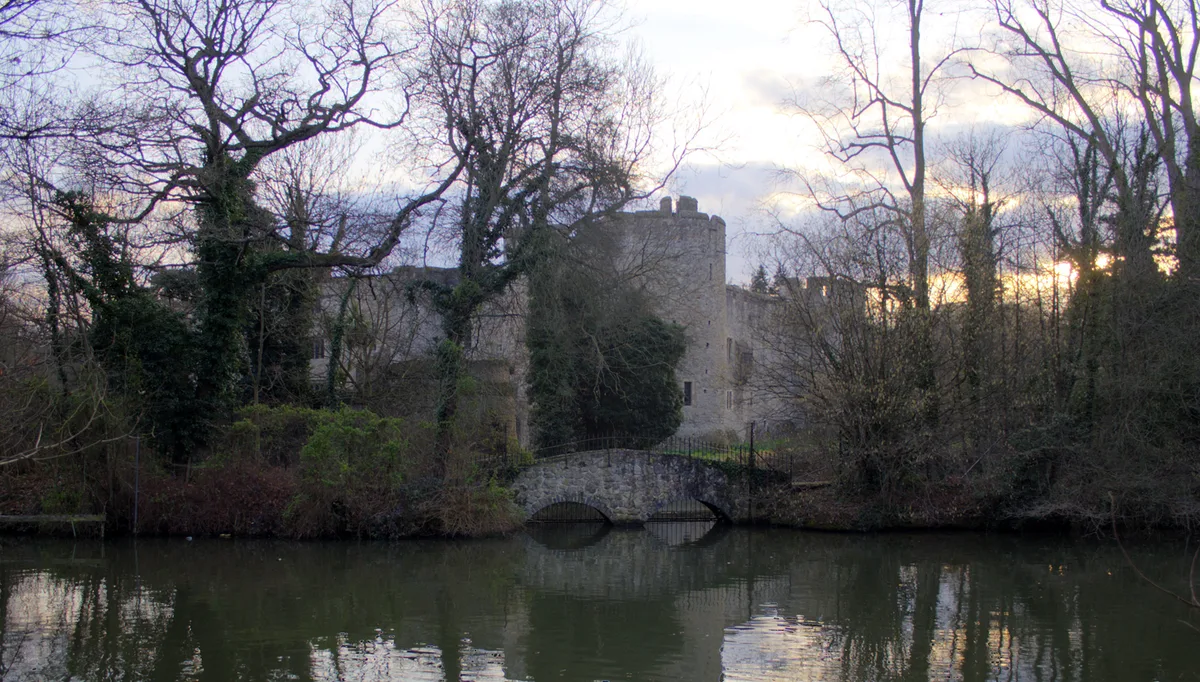 📷 5
📷 5Castles · South East England
Allington Castle
Allington Castle — stone-built moated castle in Allington, England.
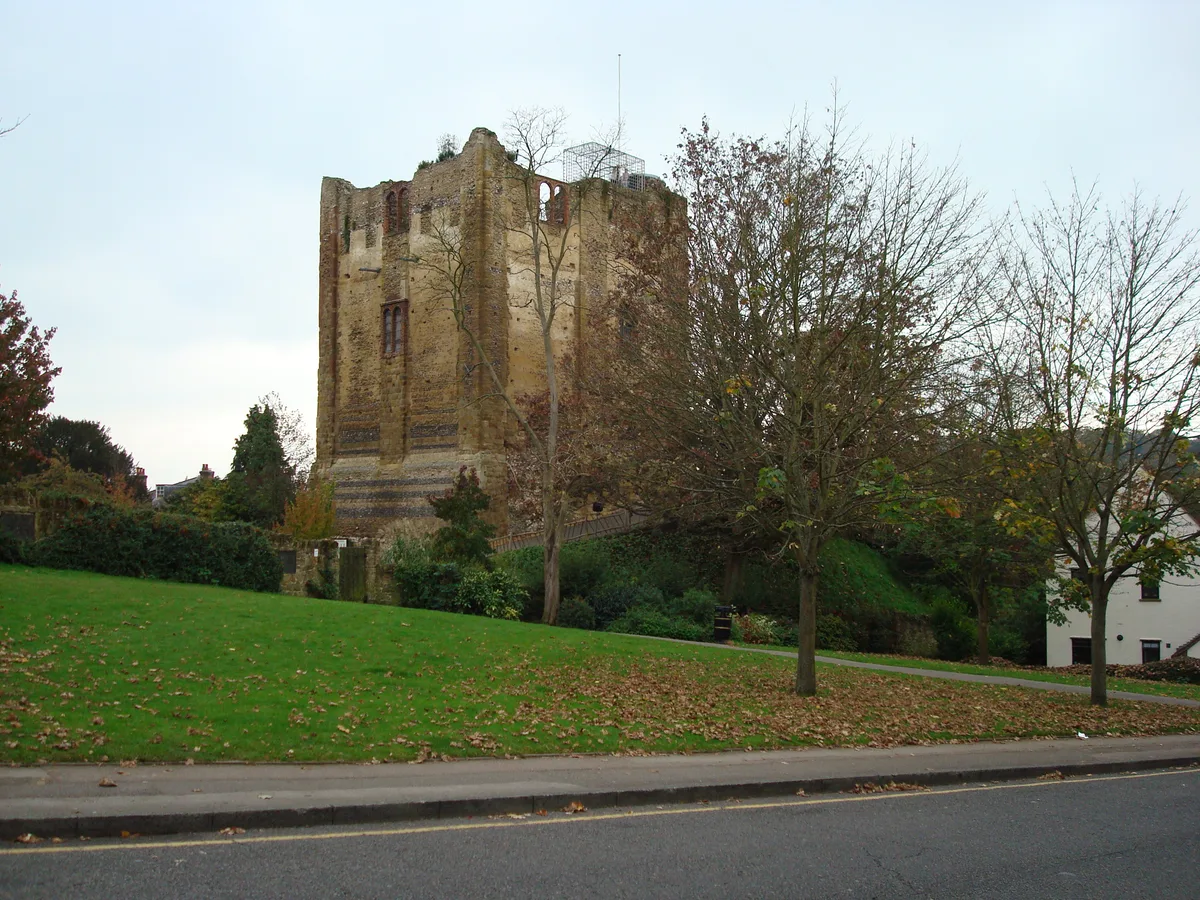 📷 5
📷 5Castles · South East England
Guildford Castle
Guildford Castle — castle in Guildford, Surrey, England, UK.
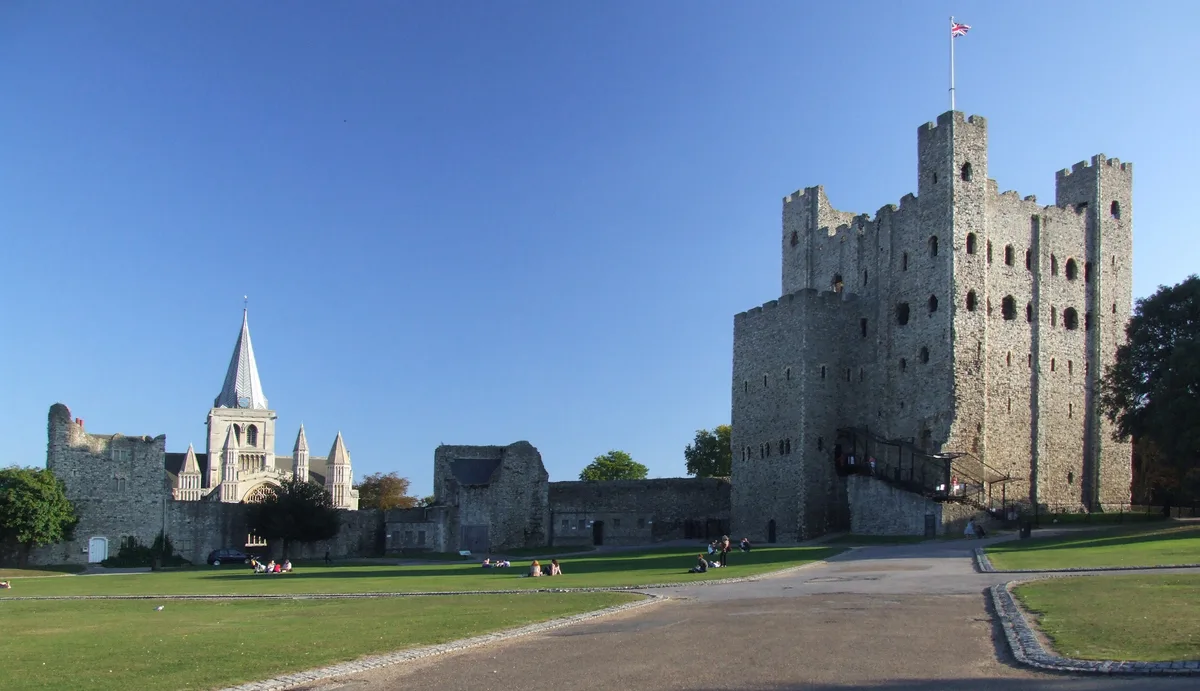 📷 5
📷 5Castles · South East England
Rochester Castle
Rochester Castle — castle in Rochester, Kent, South East England.
 📷 5
📷 5Castles · South East England
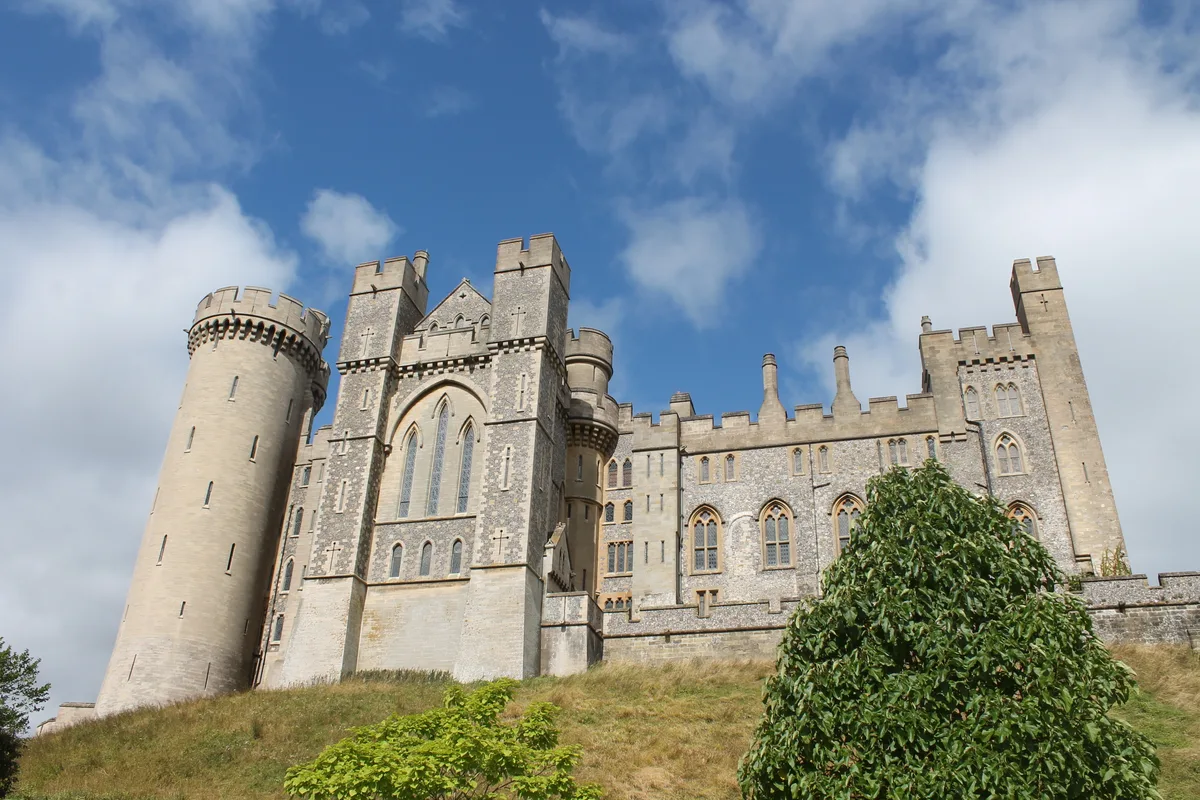
Arundel Castle
Arundel Castle — castle in West Sussex, England, UK.
More castles in this region
 📷 3
📷 3Castles · Scottish Highlands
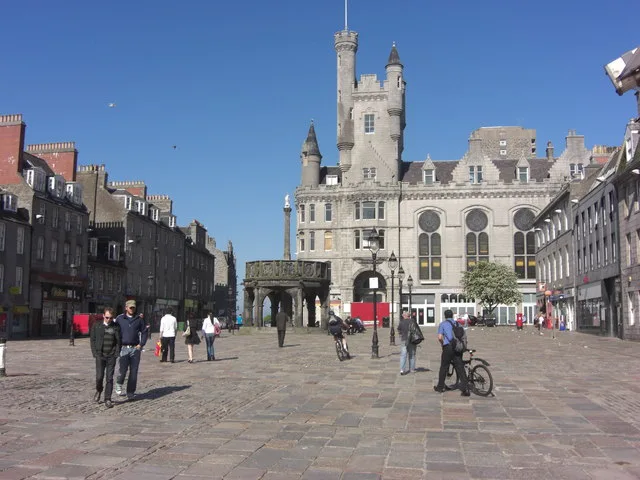
Aberdeen Castle
Aberdeen Castle — castle in Aberdeen City, Scotland, UK.
 📷 3
📷 3Castles · Scottish Highlands
Abergairn Castle
Abergairn Castle — castle in Aberdeenshire, Scotland, UK.
 📷 5
📷 5Castles · Scottish Highlands
Aberscross Castle
Aberscross Castle — castle near Dornoch, Highland, Scotland, UK, ruinous by the 17th century.
 📷 3
📷 3Castles · Scottish Highlands
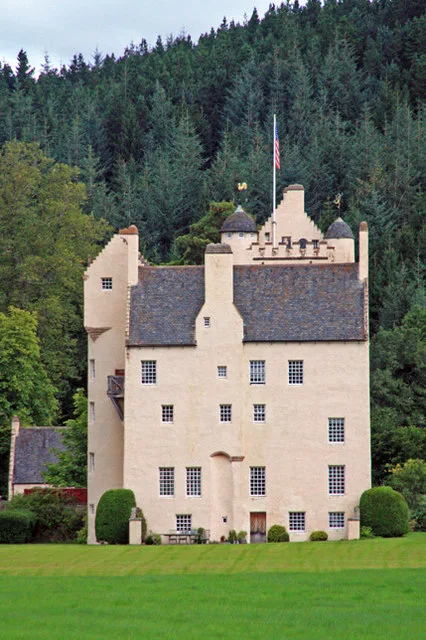
Aboyne Castle
Aboyne Castle — castle in Aberdeenshire, Scotland, UK.
Frequently asked questions
- Where is Dunnottar Castle?
- Dunnottar Castle is in the Scottish Highlands, United Kingdom (postcode AB39 2TL).
- What is Dunnottar Castle?
- Dunnottar Castle — ruined castle in Aberdeenshire, Scotland, UK.
- How do I get to Dunnottar Castle?
- The nearest railway station is Stonehaven, about 2.9 km away. The nearest town is Newtonhill. Drivers can use postcode AB39 2TL.
- When was Dunnottar Castle built?
- Built or established in 1400.
- Who owns Dunnottar Castle?
- Dunnottar Castle is owned by Dunecht Estates.
- Is Dunnottar Castle a listed building?
- Dunnottar Castle is officially recognised as scheduled monument listed.
- Does Dunnottar Castle charge admission?
- Dunnottar Castle typically charges admission. Check the official site for current ticket prices and opening hours.
- How do I get to Dunnottar Castle?
- The nearest railway station is Stonehaven, about 2.9 km away. Drivers can navigate to postcode AB39 2TL.